
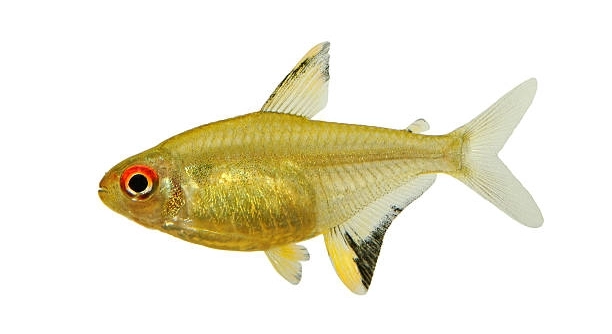
Are your lemon tetras frequently swimming near the surface of the tank, catching your attention more than usual? Observing their behavior can reveal important clues about their health, environment, and overall comfort in their aquatic home.
The primary reason lemon tetras surface often is due to low oxygen levels or poor water quality. Ensuring proper filtration, regular water changes, and maintaining stable water parameters helps prevent stress and supports healthy swimming behavior in these fish.
Monitoring your tank conditions carefully can prevent recurring issues and keep your lemon tetras active, healthy, and thriving in their aquatic environment.
Understanding Lemon Tetra Behavior
Lemon tetras are naturally active fish that enjoy swimming in open spaces. When they start surfacing often, it usually signals something in their environment needs attention. Observing their patterns can help identify the cause. Low oxygen levels often drive them to the surface, where the water interacts more with air. Overcrowding and insufficient filtration can also affect their comfort, causing them to seek areas with higher oxygen availability. Water temperature plays a role as well, since warmer water holds less oxygen. Nutrition impacts behavior too; a poor diet can weaken their energy levels, making them more likely to swim near the surface. Stress from sudden changes in light or movement around the tank may also lead to unusual swimming habits. By carefully monitoring conditions and fish activity, you can maintain a stable environment, encouraging natural behavior and reducing the frequency of surfacing. Understanding these factors ensures your tetras stay healthy and active daily.
Low oxygen levels are often a quick indicator that tank adjustments are needed to maintain stable conditions.
Keeping a balanced tank involves consistent water changes, checking temperature, and avoiding overfeeding. Proper filtration and aeration maintain oxygen levels, reducing the need for tetras to surface. Regular observation helps catch issues early, preventing stress and promoting long-term health. A steady routine allows lemon tetras to swim comfortably at all levels, making their behavior predictable and easier to manage. Simple adjustments can prevent many common problems and ensure the fish remain energetic, healthy, and visually vibrant, adding life to the tank.
Common Environmental Factors
Temperature fluctuations can stress lemon tetras and affect their swimming habits.
Water quality is a major factor in their behavior. Poor filtration allows waste to build up, lowering oxygen levels. Overcrowding increases competition for resources, forcing fish to surface more often. Sudden changes in light or tank placement can cause stress, leading to unusual swimming. Maintaining stable conditions through regular water changes and proper tank setup is essential. Aeration systems and floating plants can help improve oxygen distribution. Monitoring pH and ammonia levels prevents harmful spikes, ensuring the fish remain healthy. Observing the fish’s behavior closely allows early detection of environmental stressors. Adjusting conditions promptly can restore normal swimming patterns, keeping lemon tetras active and comfortable. Healthy fish display vibrant colors, energetic movements, and minimal surfacing when the tank is well-maintained. By addressing these factors consistently, the tank becomes a stable habitat, supporting the long-term well-being of all inhabitants while reducing signs of stress or discomfort.
Feeding and Nutrition
Improper feeding can lead lemon tetras to surface frequently. Overfeeding or a diet lacking in nutrients may cause discomfort or stress, prompting them to seek more oxygen near the water surface.
Providing a balanced diet with high-quality flake or pellet food, supplemented with occasional live or frozen options, ensures proper nutrition. Overfeeding can pollute the tank and reduce oxygen levels, so giving small amounts twice daily is ideal. Monitoring how much the fish eat and removing uneaten food prevents waste buildup and maintains water quality. Nutritional balance supports energy, vibrant colors, and stable behavior in lemon tetras, reducing the tendency to surface excessively.
Variety in their diet is important. Including small live foods like brine shrimp or daphnia improves health. Frozen or freeze-dried options provide necessary proteins and nutrients. Consistent feeding routines prevent stress.
Tank Setup and Maintenance
Tank size and setup greatly influence lemon tetra behavior. A small or overcrowded tank can cause frequent surfacing due to limited space and reduced oxygen levels. Plants, decorations, and open swimming areas all affect their comfort.
Regular maintenance is essential. Cleaning the tank, changing 20–30% of the water weekly, and ensuring filtration systems work properly keeps water parameters stable. Maintaining consistent temperature, pH, and hardness prevents stress. Adding gentle aeration improves oxygen distribution. Floating plants can provide shade and reduce surface agitation while enhancing oxygen exchange. Observing fish daily helps detect early signs of distress. Proper arrangement of decorations creates hiding spots and open swimming zones, balancing comfort and activity. Consistent upkeep and attention to tank conditions allow lemon tetras to thrive, minimizing abnormal surfacing behaviors and promoting overall health.
Signs of Stress
Frequent surfacing can indicate stress in lemon tetras. Sudden movements, bright lights, or changes in the tank environment can make them uneasy. Stress affects their behavior, appetite, and overall health.
Monitoring for rapid gill movement, clamped fins, or erratic swimming helps identify stress early. Adjusting tank conditions promptly can reduce discomfort.
Water Quality Checks
Maintaining clean, stable water is crucial for lemon tetras. Regular testing for ammonia, nitrites, nitrates, and pH ensures the tank environment remains healthy. Proper filtration and partial water changes prevent buildup of harmful substances.
Disease and Illness
Illness can cause lemon tetras to swim near the surface. Gill infections, parasites, or swim bladder issues affect their buoyancy and oxygen intake. Prompt observation and treatment are essential.
FAQ
Why does my lemon tetra keep surfacing even though the water looks clean?
Even if the water appears clear, harmful substances like ammonia or nitrites may still be present. Lemon tetras are sensitive to small changes in water quality. Testing the water and performing partial water changes regularly helps maintain stable conditions and reduces stress that causes surfacing.
Can overcrowding cause my tetras to surface frequently?
Yes, overcrowding increases competition for oxygen and space. When too many fish occupy a small tank, oxygen levels drop near the bottom, forcing fish to swim near the surface where oxygen is more available. Maintaining proper tank capacity helps minimize this behavior.
Does water temperature affect surfacing behavior?
Absolutely. Warmer water holds less oxygen, which can make tetras seek the surface. Keeping the temperature stable within the recommended range for lemon tetras helps ensure proper oxygen availability and reduces surfacing caused by stress.
Could my tetras be surfacing because of stress?
Stress from sudden movements, loud noises, or changes in lighting can trigger surfacing. Observing their behavior closely and reducing disturbances can help them feel secure and swim naturally at all levels.
How important is filtration for preventing surfacing?
Filtration is essential for maintaining oxygen levels and water clarity. A well-functioning filter removes waste, distributes oxygen, and keeps the water stable. Poor filtration can lead to low oxygen near the bottom, causing frequent surfacing. Regular maintenance of filters ensures optimal tank conditions.
Does diet influence this behavior?
Yes. Overfeeding or underfeeding can affect energy and digestion, leading to surfacing. Feeding small, balanced portions twice daily with high-quality flake or pellet food, supplemented by occasional live or frozen foods, supports health and reduces abnormal swimming.
Can swim bladder issues cause my lemon tetra to surface?
Swim bladder problems affect buoyancy, making it hard for fish to control vertical movement. If surfacing is accompanied by floating upside down or difficulty swimming, consult a professional for treatment options. Proper diet and avoiding overfeeding can prevent many swim bladder problems.
Are decorations and tank setup important for reducing surfacing?
Yes. Open swimming areas, hiding spots, and floating plants help fish feel safe and reduce stress. A balanced tank layout provides comfort, encourages natural behavior, and minimizes the need for tetras to seek oxygen near the surface.
How often should I test water parameters?
Testing weekly for ammonia, nitrites, nitrates, and pH helps detect early problems. Sudden changes can stress lemon tetras, so keeping a consistent routine ensures a healthy environment and reduces surfacing caused by poor water conditions.
What are early signs that my tetras are stressed or ill?
Rapid gill movement, clamped fins, erratic swimming, loss of color, and frequent surfacing indicate stress or illness. Observing these signs allows early intervention through water adjustments, diet improvements, or medical treatment.
Can aeration help reduce surfacing?
Yes. Air stones, sponge filters, or gentle water movement increase oxygen distribution. Proper aeration ensures oxygen reaches lower tank levels, reducing the need for tetras to swim near the surface.
Is it normal for lemon tetras to surface occasionally?
Occasional surfacing is normal during feeding or exploration. Persistent surfacing, especially combined with other stress indicators, signals a need to check water quality, temperature, or tank setup.
How do I prevent recurring surfacing behavior?
Maintain stable water conditions, proper filtration, balanced diet, adequate tank size, and consistent temperature. Monitoring daily behavior allows you to catch early issues, ensuring tetras remain healthy, comfortable, and active.
Can lighting affect surfacing behavior?
Sudden bright lights or excessive lighting may stress fish, prompting them to surface. Using a consistent light schedule with moderate intensity creates a comfortable environment and encourages normal swimming patterns.
When should I consult a professional about my tetras?
If frequent surfacing is accompanied by signs of illness, unusual swimming, or color changes, seek advice from a veterinarian or experienced aquarist. Prompt professional guidance ensures proper treatment and prevents long-term health issues.
Final Thoughts
Lemon tetras are sensitive and active fish that rely on stable tank conditions to remain healthy and comfortable. Frequent surfacing often signals that something in their environment requires attention. Low oxygen levels, poor water quality, stress, or overcrowding are common reasons for this behavior. Paying close attention to water parameters, including ammonia, nitrites, nitrates, and pH, is essential to prevent recurring issues. Regular water changes and proper filtration help maintain a balanced environment, reducing the need for tetras to swim near the surface. Temperature also plays a critical role, as warmer water holds less oxygen, which can contribute to this behavior. Keeping the water within the recommended temperature range for lemon tetras ensures they have adequate oxygen and remain comfortable in their tank.
Diet and feeding routines also influence their behavior. Overfeeding can pollute the water and lower oxygen levels, while underfeeding can weaken the fish and affect their energy. A balanced diet of high-quality flakes or pellets, supplemented with occasional live or frozen foods, supports overall health and reduces abnormal surfacing. Feeding small portions twice a day is usually sufficient for most lemon tetra groups. Observing how your fish respond during feeding provides insight into their health. Sudden changes in behavior, such as increased surfacing during or after meals, may indicate stress or digestive discomfort. Proper nutrition, combined with a stable and well-maintained tank, is key to keeping lemon tetras active, colorful, and healthy.
Tank setup and overall maintenance are equally important. Providing open swimming areas along with plants or decorations that create hiding spots gives tetras a sense of security and reduces stress. Overcrowding should be avoided to prevent competition for oxygen and space. Aeration and gentle water movement improve oxygen distribution throughout the tank, making it easier for fish to swim naturally without needing to surface frequently. Monitoring fish behavior daily allows you to identify early signs of stress, illness, or environmental imbalance. Simple adjustments, such as repositioning decorations, improving filtration, or adjusting feeding routines, can significantly improve the health and comfort of your lemon tetras. Maintaining a consistent routine and paying attention to water quality, diet, and tank setup ensures a stable environment where these fish can thrive, remain active, and display their natural behavior without frequent surfacing.

Hello,
If you enjoy the content that we create, please consider saying a "Thank You!" by leaving a tip.
Every little bit helps us continue crafting quality advice that supports the health, happiness, and well-being of pets around the world, for pets of all shapes, sizes, and species.
We really appreciate the kindness and support that you show us!