
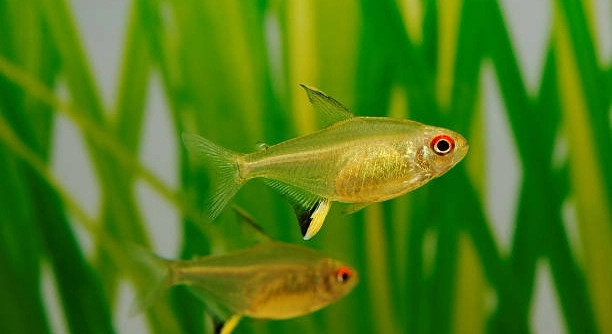
Have you ever noticed your lemon tetra looking brighter or duller at times? These small, vibrant fish often catch the eye with their yellow bodies and subtle blue accents in the tank environment. Observing them can be quite fascinating.
Lemon tetras can exhibit slight color changes, but these variations are usually linked to health, stress, or environmental factors rather than emotional states. Mood itself does not directly alter their pigmentation. Proper care and a stable habitat maintain their consistent coloration.
Learning more about what affects their color can help ensure a healthy, thriving aquarium and enhance your enjoyment of these lively fish.
Why Lemon Tetras Change Color
Lemon tetras are known for their bright yellow bodies, but sometimes their colors appear duller or more intense. These changes often happen in response to water quality, lighting, and diet. A stressed or sick tetra may lose some of its vibrant hue. Tankmates can also influence coloration; aggressive or overly active fish nearby may cause temporary fading. Lighting plays a key role, as fish exposed to consistent, gentle light display their colors more vividly. Diet impacts pigmentation as well—foods rich in carotenoids and natural pigments help maintain bright yellow shades. Temperature fluctuations can subtly affect color, as fish may become paler when water is too cold or too warm. Observing changes carefully can provide insights into health and comfort. Keeping a clean, stable environment ensures that lemon tetras retain their characteristic brightness and remain active swimmers in the aquarium.
Color change is usually a signal rather than a permanent transformation.
Maintaining stable water parameters, providing nutritious food, and avoiding overcrowding are essential. Small adjustments in light and tank layout can significantly improve how colors appear, making the aquarium more visually appealing.
Environmental Factors Affecting Color
Lighting is one of the most influential environmental factors for lemon tetras.
Proper water conditions are equally important. Water pH, hardness, and temperature all affect pigment intensity. Sudden changes in the tank can stress fish, causing fading. A diet with high-quality flakes, live, or frozen foods helps maintain bright colors. Even minor changes, such as adding plants or rearranging decorations, can impact comfort and coloration. Observation is key—watching their behavior alongside color shifts helps identify potential problems early. Regular monitoring ensures fish remain healthy, active, and visually vibrant. Consistency is more effective than frequent adjustments, which can be disruptive.
Maintaining a stable and enriching environment supports natural coloration and overall well-being. With proper care, lemon tetras can display bright, appealing colors that reflect their health and vitality, making the aquarium both lively and visually satisfying. Healthy fish show a combination of vibrant yellow bodies and subtle blue highlights along their fins, demonstrating comfort and thriving in their habitat. Over time, attentive care ensures color remains strong, and behavioral changes that indicate stress are minimized. Monitoring food quality, water parameters, and social interactions allows you to respond quickly to any signs of fading or stress, keeping the tank visually consistent. Observation of lighting and placement of tank elements also supports their natural display, giving you a full view of the tetra’s bright, cheerful appearance day after day.
Diet and Nutrition
A lemon tetra’s diet directly affects its color. Foods rich in natural pigments, such as carotenoids, help maintain bright yellow tones. Poor nutrition can cause dullness and fading. Feeding a mix of high-quality flakes, frozen, and live foods supports both health and vibrant coloration.
Balanced nutrition ensures that pigment cells remain active. Regular feeding of protein-rich foods like brine shrimp or daphnia enhances coloration, while occasional vegetable matter provides essential vitamins. Overfeeding or low-quality food can lead to fading, lethargy, and health problems. A consistent feeding schedule paired with a varied diet promotes both energy and vivid colors.
Supplementing their diet with natural color-enhancing foods occasionally helps prevent dullness. Small portions of spirulina, krill, or color-specific flakes stimulate brighter pigments. Monitoring their eating habits also reveals health issues early. Observing which foods they prefer can guide future feeding choices, making color maintenance easier. A combination of proper nutrition, portion control, and variety ensures lemon tetras display their brightest shades and remain active in the aquarium, reflecting a healthy and thriving condition over time.
Stress and Behavior
Stress affects lemon tetra coloration significantly. Sudden changes in tank conditions, aggressive tankmates, or overcrowding can make colors fade. Observing behavior alongside color gives clues about stress levels.
Stress triggers hormonal responses that can alter pigment expression. Fish may appear pale or lose vibrancy when stressed for extended periods. Overcrowding and constant chasing can reduce feeding efficiency and activity, indirectly affecting color. Maintaining calm conditions, gentle water flow, and hiding spots reduces stress. Monitoring interactions and separating overly aggressive fish can prevent prolonged fading. Stress management is essential to preserve both health and coloration.
Behavioral observation helps identify underlying causes of color change. Tetras that hide frequently, swim erratically, or stay near the tank bottom may be experiencing stress. Adjusting tank layout, improving water quality, and reducing sudden disturbances helps them regain confidence. Over time, fish exposed to consistent care and calm environments show restored brightness. Creating zones with plants or decorations gives them security, encouraging normal behavior and natural color expression. Combining environmental stability with attentive feeding and observation ensures lemon tetras remain vibrant, active, and visually appealing in the aquarium setting.
Lighting Effects
Lighting has a strong impact on lemon tetra coloration. Bright, consistent lighting enhances their natural yellow and blue tones, while dim or inconsistent light can make them appear duller. Adjusting light duration gradually prevents stress.
Different types of lighting, such as full-spectrum or LED, influence how colors appear. Fish exposed to natural-like light show more vivid pigments. Avoid placing the tank in direct sunlight, which can overheat the water and cause stress. Maintaining a regular day-night cycle helps their internal rhythms, supporting natural color expression and overall health. Proper lighting also highlights tank decorations and plants, improving visual appeal.
Water Quality
Stable water quality is essential for maintaining bright coloration in lemon tetras. Proper filtration, regular water changes, and monitoring pH and hardness prevent fading.
Lemon tetras are sensitive to sudden fluctuations in water parameters. Ammonia, nitrite, or nitrate spikes can stress fish and dull their colors. Keeping temperature consistent between 72–80°F and maintaining pH around 6.5–7.5 ensures comfort. Soft, slightly acidic water promotes optimal health and natural pigment expression. Testing water weekly and performing partial changes helps prevent accumulation of harmful substances. A clean, stable environment supports strong immune systems, active swimming, and bright coloration, creating a visually appealing and thriving aquarium for lemon tetras.
Tank Mates
The choice of tank mates can influence lemon tetra color. Aggressive or overly active fish can cause stress and fading.
Breeding and Age
Color intensity can change with age or breeding cycles. Young tetras may be paler, and adults show stronger yellow tones during reproductive periods.
FAQ
Can lemon tetras change color overnight?
Lemon tetras rarely change color suddenly. Any rapid fading is usually a response to stress, illness, or sudden changes in water conditions. A healthy tetra will show gradual color variations depending on environment, lighting, and diet, not instant shifts in pigment.
Why does my lemon tetra look pale?
Paleness often signals stress, poor nutrition, or water quality issues. Check for ammonia, nitrite, and nitrate levels, maintain proper temperature, and offer a diet rich in carotenoids. Overcrowding or aggressive tankmates can also cause temporary dulling of color.
Do lemon tetras darken when happy?
They do not change color based on emotions. Bright colors reflect health and comfort rather than mood. A well-fed, unstressed tetra in a stable tank environment will naturally appear vibrant.
Can diet alone improve their color?
Yes, diet plays a key role. Foods containing natural pigments like spirulina, krill, or carotenoid-rich flakes enhance yellow tones. Occasional live or frozen foods boost overall health and vitality, indirectly supporting color retention.
Does water temperature affect their color?
Temperature affects metabolism and stress levels. Too cold or too warm water can cause fading. Keeping water between 72–80°F ensures optimal health and helps maintain vivid coloration. Sudden temperature changes should always be avoided.
Will tank lighting make them brighter?
Proper lighting enhances visible color, but it doesn’t create pigments. Full-spectrum or LED lighting simulates natural light, allowing yellow and blue shades to appear more vivid. Consistent day-night cycles reduce stress and support natural coloration.
Can breeding change their colors?
During breeding, males may appear more intense in color to attract females. Spawning behavior can cause temporary paleness or stress-related fading in both males and females, but overall pigmentation returns once breeding activity ends.
Do tank decorations influence color?
Yes, tank environment impacts comfort. Plants, hiding spots, and calm layouts reduce stress, allowing tetras to display their natural colors. Busy or exposed tanks can make them feel threatened, causing temporary dulling.
How do I know if color fading is a health issue?
Persistent pale or patchy colors, lethargy, reduced appetite, or abnormal swimming patterns indicate health problems. Sudden but brief fading often relates to stress, while ongoing dullness usually requires checking water parameters and diet.
Can age affect their coloration?
Young lemon tetras are naturally paler. As they mature, colors intensify. Older fish may gradually lose brightness, which is a normal part of aging rather than illness. Monitoring overall health ensures age-related color changes are not misinterpreted as stress or disease.
How often should I monitor their tank?
Daily observation is best. Watch behavior, swimming patterns, and color. Weekly water testing ensures proper parameters, while diet checks maintain pigment health. Regular monitoring helps catch stress or illness before it causes prolonged fading.
Are there any supplements for color enhancement?
Color-enhancing foods and occasional natural supplements like spirulina or carotenoid powders help, but they cannot compensate for poor water quality or stress. A balanced diet combined with stable conditions produces the best results.
Can stress from other fish permanently dull their color?
Prolonged stress may have long-term effects on health and coloration. Removing aggressive tankmates, providing hiding spots, and maintaining proper tank size helps restore natural color over time.
Is it normal for their color to fluctuate daily?
Minor daily variations occur with lighting, activity, and feeding cycles. Temporary fading is normal, but persistent dullness should be investigated. Healthy tetras display consistent brightness during active periods and may appear slightly paler at rest.
How do I encourage natural color without chemicals?
Maintaining clean water, stable parameters, proper diet, and suitable tankmates is sufficient. Avoid unnecessary additives or dyes. Natural light cycles, plants, and hiding spots create a comfortable environment that supports strong, healthy coloration.
Can tank location affect coloration?
Indirectly, yes. Tanks placed near drafts, direct sunlight, or frequent disturbances can stress fish, causing fading. A stable, quiet location with moderate lighting helps maintain their bright yellow appearance and reduces stress-related color loss.
Do lemon tetras lose color before illness?
Color fading can be an early warning of health issues. Watch for other signs like reduced activity or loss of appetite. Quick response to water, diet, or social stressors often restores brightness before serious illness develops.
Can their colors improve naturally over time?
Yes, with stable water, proper nutrition, and minimal stress, tetras can regain vibrancy. Patience is important; color enhancement is gradual and depends on overall health rather than shortcuts or artificial interventions.
How important is tank size for color retention?
Adequate space reduces stress and aggression. Overcrowded tanks lead to dulling and health issues. A comfortable environment with sufficient swimming space allows tetras to display their natural colors fully.
Are there differences between males and females?
Males often display slightly brighter colors, especially during breeding periods. Females are generally paler but healthy females maintain clear yellow tones. Observing both sexes helps gauge overall tank health and environment quality.
How can I combine factors for the best color results?
Stable water parameters, varied high-quality diet, proper lighting, stress-free tankmates, and regular observation together ensure optimal pigmentation. Minor adjustments in each area create a noticeable difference in vibrancy and overall health over time.
Lemon tetras are small, lively fish that bring a bright splash of yellow and blue to any aquarium. Their colors are often what attract people to them, but maintaining those vibrant shades requires attention to several factors. While they do not change color based on emotions or mood, their appearance is highly influenced by their environment and health. Stress, diet, lighting, water quality, tankmates, and age all play a role in how bright or dull they appear. Observing your tetras carefully can help you understand whether a change in coloration is normal or a sign of a problem. Healthy fish display consistent, natural colors, while persistent fading may indicate stress or other underlying issues. By paying attention to these details, you can provide a stable environment that supports both their visual appeal and overall well-being.
Diet is one of the most straightforward ways to influence the appearance of lemon tetras. High-quality foods with natural pigments, including carotenoids, spirulina, and krill, help maintain bright yellow tones. Feeding a variety of flakes, live, and frozen foods ensures that fish receive both the nutrition and the pigments they need. Overfeeding, low-quality food, or an unbalanced diet can cause dulling, loss of energy, or health problems, all of which reduce the intensity of their colors. Regular feeding schedules and careful observation of eating habits help identify issues early, making it easier to maintain optimal coloration. A diet tailored to their needs, combined with stable tank conditions, supports their health and allows them to display their natural vibrancy over time.
Environmental factors such as lighting, water quality, and tankmates have a significant impact on color expression. Proper lighting, preferably full-spectrum or LED, helps highlight their natural yellow and blue hues. Maintaining stable water conditions, including pH, temperature, and hardness, reduces stress and prevents fading. Tankmates that are calm and compatible promote comfort, while aggressive or overcrowded tanks can cause temporary or long-lasting dulling. Even small adjustments, like providing plants or hiding spots, improve their comfort and encourage natural behavior. Over time, these factors combine to create an environment where lemon tetras can thrive and maintain their bright appearance. Consistent care, observation, and attention to diet and tank conditions ensure that these small fish remain active, healthy, and visually appealing, reflecting their true colors in a stable, well-maintained aquarium.

Hello,
If you enjoy the content that we create, please consider saying a "Thank You!" by leaving a tip.
Every little bit helps us continue crafting quality advice that supports the health, happiness, and well-being of pets around the world, for pets of all shapes, sizes, and species.
We really appreciate the kindness and support that you show us!