
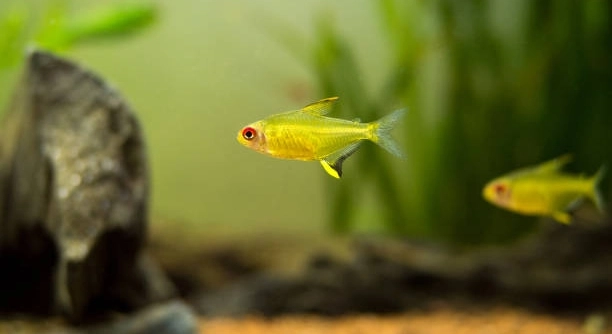
Have you ever noticed your lemon tetras swimming in tight groups or acting restless in their tank? Many aquarium owners face challenges when managing the number of fish, and overcrowding can affect their behavior and health.
Lemon tetras are considered overcrowded when the tank contains more fish than the recommended density, typically one inch of fish per gallon. Overcrowding can cause stress, reduce water quality, and increase the risk of disease, negatively impacting their overall well-being.
Observing these early signs can help you create a safer, healthier environment for your tetras and maintain balance in your aquarium ecosystem.
Signs Your Lemon Tetras Are Overcrowded
When I first noticed my lemon tetras darting nervously around the tank, I realized something was off. Overcrowding often shows through changes in behavior. Fish may swim erratically, hide more than usual, or compete aggressively for food. Their coloration can also fade, signaling stress. Overcrowding reduces swimming space and oxygen levels, which affects their health. Another clear sign is excessive waste buildup, causing water quality to drop quickly. Plants may struggle to survive, and algae growth can increase. Overcrowded tanks make it harder for fish to establish territories or feel secure. Keeping the correct number of tetras is important for maintaining a balanced tank environment. Monitoring behavior and tank conditions regularly allows for timely adjustments. Even minor changes in swimming patterns or social interactions can indicate the tank is too crowded.
Behavioral changes and faded colors often indicate stress caused by overcrowding. Observing your tetras carefully is key to maintaining their health.
Regular water testing, partial water changes, and monitoring feeding habits help manage the effects of overcrowding. Adjusting the number of fish can prevent long-term stress and disease.
How to Prevent Overcrowding
Maintaining the correct fish-to-water ratio is essential. One inch of fish per gallon is a practical guideline for lemon tetras.
Planning your tank setup carefully ensures enough space for growth and activity. Overcrowding can be prevented by monitoring tank population before adding new fish. Choosing the right size tank helps accommodate a healthy number of tetras and reduces stress. Plants and decorations should provide hiding spots without limiting swimming space. Regular observation of behavior and water quality helps catch early overcrowding signs. Feeding practices should match the number of fish to avoid excess waste. Overcrowding can be costly if it leads to illness or loss of fish, so proactive management is crucial. Rotating decorations and cleaning the tank consistently supports a healthy environment. When adding fish, gradual introduction helps reduce competition and stress. Keeping a proper balance ensures lemon tetras thrive in a comfortable, safe tank. Proper spacing and attention to detail can make a noticeable difference in fish behavior and longevity.
Monitoring Tank Conditions
Keeping a close eye on water quality is essential. High ammonia or nitrite levels often indicate overcrowding. Temperature and pH should remain stable to avoid stressing lemon tetras.
Regular water testing and partial water changes can prevent harmful buildup. Overcrowded tanks produce more waste, which can quickly disrupt the nitrogen cycle. Using a reliable filter and cleaning it regularly supports oxygen levels. Observing fish behavior alongside water parameters gives a complete picture of tank health. Adjusting feeding amounts is also important, as excess food worsens water quality. Even small changes in swimming patterns or hiding habits may signal that the tank is too crowded.
Adding or removing decorations can affect swimming space. Plants help improve water quality, but too many may restrict movement. Spacing out hiding spots allows tetras to establish territories. Regular observation ensures the tank remains balanced, giving lemon tetras a healthy, stress-free environment where they can thrive and display natural behaviors.
Adjusting Fish Population
Removing or redistributing fish can relieve overcrowding. Introducing new tanks for excess tetras maintains their health and reduces stress.
Gradual adjustments in population prevent sudden behavioral shifts. Moving a few fish at a time helps maintain social stability. Overcrowding can lead to aggression and competition for food, so balancing numbers is essential. Planning ahead ensures that tanks do not exceed recommended capacity. Keeping records of tank population helps track growth and prevent future issues. Even small changes in numbers can have a large effect on water quality and oxygen levels. Adequate spacing allows tetras to swim freely, interact naturally, and reduce stress-related illnesses.
Providing a mix of open swimming space and hiding spots ensures lemon tetras feel secure. Regular monitoring of behavior and water parameters lets you fine-tune population adjustments. Consistent care reduces risks of disease outbreaks. Proper distribution also improves feeding efficiency, as fish have room to access food without excessive competition. Adjusting population thoughtfully ensures a balanced, healthy tank environment that supports long-term well-being for all lemon tetras.
Feeding Adjustments
Overcrowding increases competition for food. Providing smaller, more frequent meals ensures all lemon tetras get enough nutrition without overloading the tank with waste.
Using a feeding schedule helps control food amounts. Overfeeding can worsen water quality and stress the fish, so precise portions are important.
Observing Behavior Changes
Lemon tetras may show aggression, constant hiding, or erratic swimming when stressed by overcrowding. Tracking these behaviors helps identify issues early and allows timely intervention to improve tank conditions.
Tank Maintenance
Frequent partial water changes keep water parameters stable. Cleaning the substrate and filter prevents buildup of waste, reducing stress and supporting a healthy environment for lemon tetras.
Planning for Growth
Consider future tank population before adding new fish. Anticipating growth helps maintain adequate space, preventing overcrowding as your lemon tetras mature and the community expands.
FAQ
How many lemon tetras should be kept in a tank?
A general guideline is one inch of fish per gallon of water. For lemon tetras, this usually means around six to eight fish in a 20-gallon tank. Keeping the proper number ensures they have enough swimming space, reduces stress, and maintains good water quality. Overcrowding can lead to aggressive behavior and health problems.
What are the signs my tank is overcrowded?
Common indicators include fish swimming erratically, hiding excessively, or showing faded colors. Excessive waste buildup and frequent algae growth are also signs. Water parameters may fluctuate more quickly, and tetras may compete aggressively for food. Observing changes in behavior alongside water testing provides a clearer picture.
Can overcrowding affect fish health?
Yes, overcrowding can lead to stress, weakened immune systems, and increased susceptibility to disease. Poor water quality from waste buildup can also harm gill function and make fish more prone to infections. Maintaining proper population density helps prevent these issues and supports overall well-being.
How often should I test the water in a crowded tank?
Testing should be done at least once a week. In a tank with higher fish density, more frequent checks help detect spikes in ammonia, nitrites, or nitrates early. Early detection allows for timely interventions such as partial water changes or filter cleaning.
Is it necessary to remove fish if the tank is overcrowded?
Yes, sometimes redistributing or relocating fish is necessary to reduce stress and maintain water quality. Moving a few fish at a time helps preserve social balance. Providing another tank or giving them to a responsible aquarist ensures the tetras have enough space to thrive.
Can decorations and plants affect overcrowding?
Yes, too many decorations or densely planted areas can restrict swimming space. Plants can help improve water quality, but overcrowding the tank with decorations reduces open space. Proper arrangement allows tetras to establish territories while maintaining enough room for free movement.
How does feeding change in an overcrowded tank?
Feeding smaller portions more frequently prevents competition and minimizes excess waste. Overfeeding worsens water quality and increases stress among fish. Measuring food amounts carefully and spreading it across the tank ensures all tetras get enough nutrition.
Can overcrowding cause long-term behavior changes?
Yes, prolonged overcrowding can lead to chronic stress, aggression, and disrupted social behavior. Fish may become withdrawn or overly competitive. Addressing overcrowding early prevents lasting effects and helps lemon tetras maintain normal swimming patterns, coloration, and social interactions.
What is the role of filtration in preventing overcrowding problems?
A strong, well-maintained filter helps remove waste and maintain oxygen levels. Overcrowded tanks produce more waste, making effective filtration critical. Regular filter cleaning and monitoring flow rates ensure the tank environment remains safe and supportive for all fish.
How do I plan for future tank growth?
Consider adult size and breeding potential when adding new fish. Avoid exceeding recommended density as tetras mature. Planning ahead ensures proper swimming space, reduces stress, and maintains water quality, allowing lemon tetras to thrive long-term.
Final Thoughts
Managing the number of lemon tetras in a tank is one of the most important steps to ensure their health and well-being. Overcrowding can create stress, increase the risk of disease, and reduce water quality, all of which impact the behavior and lifespan of your fish. Observing your tetras closely and understanding their needs helps prevent these problems. Signs like hiding, erratic swimming, and faded colors are not just random behaviors—they often indicate that the tank is too crowded or the environment is not properly balanced. Paying attention to these cues allows you to make timely adjustments, whether that means reducing the number of fish, rearranging decorations, or improving filtration. Proper planning and monitoring are much easier than trying to fix a severely overcrowded tank later, which can be stressful for both the fish and the owner.
Regular maintenance plays a key role in preventing overcrowding issues. Water testing, partial water changes, and filter cleaning keep the environment stable and safe. Overcrowded tanks produce more waste, which can quickly lead to high ammonia or nitrite levels if not addressed. Feeding also needs to be adjusted based on the number of fish. Providing smaller, more frequent meals ensures all tetras receive adequate nutrition without worsening water conditions. Tank setup should also consider space for swimming and hiding, as lemon tetras need both to feel secure. Even minor changes in water parameters or behavior can signal the need for adjustments, so consistent observation is crucial. By creating a stable, well-monitored environment, your tetras can thrive and display natural behaviors without stress.
Planning ahead for the future of your tank helps maintain a healthy population of lemon tetras. Adding too many fish at once or failing to anticipate growth can lead to overcrowding quickly. When introducing new fish, gradual adjustments help maintain social stability. Decorations and plants should support natural behaviors without limiting space. If the tank ever becomes too crowded, redistributing or moving some fish to another tank can relieve stress and prevent long-term health problems. Ultimately, keeping a balanced tank is about observing your fish, maintaining water quality, and adjusting population when necessary. Consistent care and attention create an environment where lemon tetras can swim freely, interact naturally, and remain healthy over time, making the tank enjoyable to watch and easier to maintain.

Hello,
If you enjoy the content that we create, please consider saying a "Thank You!" by leaving a tip.
Every little bit helps us continue crafting quality advice that supports the health, happiness, and well-being of pets around the world, for pets of all shapes, sizes, and species.
We really appreciate the kindness and support that you show us!