
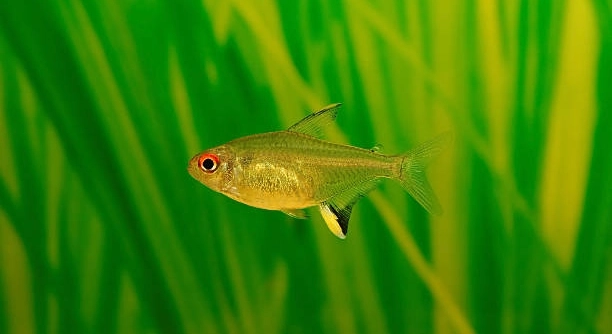
Lemon tetras are small, bright fish that bring life to any aquarium. Watching them swim gracefully can be relaxing, but subtle changes in their movement may indicate something is wrong with their health.
Unusual swimming patterns, lethargy, erratic darting, and imbalance are common warning signs in lemon tetras. Observing these behaviors carefully helps detect illness early, ensuring timely intervention and promoting the long-term well-being of these delicate freshwater fish.
Recognizing these warning signs early can make a significant difference in maintaining a healthy and vibrant aquarium environment for your lemon tetras.
Erratic Swimming Patterns
When a lemon tetra begins swimming in a jerky or erratic manner, it can signal a serious health issue. This behavior often appears as sudden bursts of speed, spinning, or crashing into tank decorations. Sometimes the fish may dart unpredictably across the tank, stop abruptly, or struggle to maintain a straight path. Changes in swimming patterns are usually linked to stress, poor water quality, or internal disease. Observing these movements closely can help determine if intervention is necessary. Stress factors may include aggressive tank mates, sudden changes in temperature, or inconsistent feeding routines. Water contamination from ammonia, nitrite, or nitrate spikes can also impact their nervous system, leading to unusual motion. Internal parasites and bacterial infections are other frequent causes, disrupting normal behavior. Addressing the tank conditions and providing appropriate treatment can prevent further deterioration. Keeping a log of their swimming patterns can help identify early signs of illness and improve their overall care.
Erratic swimming is often an early warning that something is affecting your lemon tetra’s health, whether environmental stress or disease is present.
Paying attention to movement changes ensures that corrective measures can be applied before serious complications arise. Monitoring their behavior daily is essential.
Lethargy and Reduced Activity
Lemon tetras that spend extended periods at the bottom of the tank or hide excessively may be experiencing lethargy. This is a sign that something in their environment or body is causing fatigue or discomfort. Reduced activity often appears gradually, making it easy to overlook. A lethargic fish may show little interest in food, swim slowly, or avoid interacting with tank mates. Temperature fluctuations, poor water quality, and overcrowding are common contributors. Infections, nutritional deficiencies, or stress can also reduce energy levels. Regular observation and maintenance of tank conditions are essential. Adjusting water parameters, ensuring proper feeding, and isolating sick fish when necessary can restore vitality. Lethargy is not a problem to ignore, as it often precedes more severe health issues.
Lethargy may appear minor, but addressing it early prevents worsening illness and helps maintain a balanced, healthy aquarium.
Consistent observation is key when managing lethargy in lemon tetras. Gradual changes in behavior provide important clues about their health. Addressing water quality, tank temperature, and diet are essential first steps. Providing a calm environment with fewer disturbances reduces stress and encourages activity. Nutritional support, such as high-quality flakes or live foods, boosts energy levels and overall vitality. In cases of infection, early treatment with appropriate medications improves recovery chances. Separating affected fish can prevent disease from spreading to healthy tank mates. Lethargy is often a signal to reassess tank conditions and care routines. By identifying the underlying causes and implementing corrective measures, owners can restore the tetra’s natural behavior and maintain a lively, thriving aquarium environment.
Swimming at the Surface
Lemon tetras staying near the water surface often indicate low oxygen levels or poor water quality. Constant surface swimming can also signal stress, gill problems, or an internal infection. Regular monitoring of water parameters is essential to prevent serious health issues.
Surface swimming is usually caused by insufficient oxygen in the water. High temperatures, overstocking, or poor filtration can reduce oxygen levels, forcing fish to seek the top where air is more accessible. Observing the frequency and duration of surface swimming helps determine if environmental adjustments are needed. Testing for ammonia, nitrite, and nitrate levels ensures water safety. Maintaining proper aeration with air stones or gentle water flow can improve oxygenation, helping tetras regain normal swimming habits. Early intervention prevents stress-related illnesses and promotes a healthier aquarium environment.
Consistent water maintenance is vital when surface swimming is observed. Adjusting filtration, aeration, and tank population often resolves this issue. Monitoring behavior daily allows quick action before serious problems develop.
Erratic Darting
Erratic darting appears as quick, sudden movements around the tank and can indicate stress or disease. It disrupts normal swimming patterns and may harm the fish if it collides with objects.
This behavior is commonly caused by poor water conditions, sudden temperature changes, or aggression from other fish. Internal parasites or bacterial infections can also trigger rapid, uncontrolled movements. Observing when and how often darting occurs helps identify its root cause. Providing a stable, clean environment and separating aggressive tank mates can reduce stress. Ensuring consistent feeding routines and high-quality nutrition supports overall health and minimizes abnormal behaviors.
Erratic darting can lead to injuries, fin damage, and increased vulnerability to illness. Adjusting the tank environment, monitoring water quality, and isolating affected fish are critical steps. Regular maintenance, proper filtration, and keeping tank temperature stable improve comfort and reduce sudden stress triggers. Maintaining a peaceful tank community and avoiding overcrowding prevents repetitive darting episodes. Quick detection and intervention preserve the fish’s health, helping lemon tetras maintain steady, controlled swimming patterns and overall well-being.
Loss of Balance
Lemon tetras losing balance often float sideways or tilt while swimming. This can indicate swim bladder issues, infections, or sudden changes in water quality. Immediate observation is important to prevent worsening conditions.
Maintaining stable water temperature and quality helps reduce balance problems. Feeding smaller, frequent meals can prevent digestive issues that affect the swim bladder.
Clamped Fins
Clamped fins occur when a lemon tetra keeps its fins close to the body instead of spreading them naturally. This behavior often signals stress, poor water conditions, or disease. Monitoring water parameters and tank environment is essential to correct the underlying cause.
Rapid Gill Movement
Rapid gill movement indicates that a lemon tetra is struggling to breathe. This is often caused by low oxygen levels, high ammonia, or gill infections. Adjusting aeration, checking filtration, and monitoring water chemistry can help restore normal breathing.
FAQ
Why is my lemon tetra swimming erratically?
Erratic swimming is usually caused by stress, poor water quality, or internal health problems. Temperature fluctuations, high ammonia or nitrite levels, and aggressive tank mates can trigger sudden, uncontrolled movements. Internal parasites and bacterial infections may also cause erratic swimming. Observing when and how often the behavior occurs helps determine the cause. Regular water testing, maintaining stable temperatures, and keeping a calm environment can reduce stress. If illness is suspected, isolating the affected fish and providing appropriate treatment improves recovery chances.
What does it mean when my lemon tetra stays at the surface?
Surface swimming often signals low oxygen levels or poor water quality. High temperatures, overcrowding, or inadequate filtration can reduce dissolved oxygen, forcing fish to stay near the top. Checking water parameters and adding aeration, such as air stones or gentle water flow, helps restore normal swimming. It may also indicate gill infections, so careful observation is necessary. Adjusting tank maintenance routines, performing partial water changes, and reducing stressors often solve this issue.
Why are my lemon tetras lethargic?
Lethargy in lemon tetras may indicate illness, stress, or environmental problems. Poor water quality, sudden temperature changes, or overcrowding can reduce activity. Nutritional deficiencies or infections can also lower energy levels. Feeding high-quality foods and ensuring a stable, clean environment encourages normal activity. Observing their behavior daily allows early detection of illness. Providing hiding spots and reducing disturbances in the tank supports recovery. In more serious cases, isolating affected fish and treating for infection is necessary.
What causes clamped fins in lemon tetras?
Clamped fins occur when fish keep their fins tight against their body, often due to stress, disease, or poor water conditions. High ammonia, nitrite spikes, and sudden changes in water temperature can trigger this behavior. Infections from bacteria or parasites are also common causes. Correcting water parameters, maintaining proper filtration, and isolating sick fish are essential steps. Feeding a nutritious diet and reducing tank stress helps the fish recover. Early detection prevents further health complications and ensures the fins return to their natural spread.
Why is my lemon tetra breathing rapidly?
Rapid gill movement is usually a sign that a fish is struggling to breathe. Low oxygen levels, poor water quality, or gill infections can cause this behavior. Ensuring proper aeration, checking filtration, and monitoring water chemistry is critical. Sudden temperature changes can also stress fish and increase gill movement. Observing the fish closely helps identify whether the problem is environmental or health-related. Providing a calm, stable tank environment and addressing water quality issues can restore normal breathing and reduce stress.
Can diet affect my lemon tetra’s movement?
Yes, diet directly impacts energy and behavior. Poor nutrition or overfeeding can lead to lethargy, swim bladder issues, and abnormal swimming. Feeding a balanced diet of high-quality flakes, frozen, or live foods supports healthy movement. Avoid overfeeding, as leftover food can degrade water quality, further stressing fish. Observing how fish respond after feeding can indicate whether dietary adjustments are necessary to maintain proper swimming behavior.
How do I prevent movement problems in lemon tetras?
Maintaining stable water conditions, regular testing, and proper filtration prevents most movement issues. Avoid overcrowding and aggressive tank mates to reduce stress. Feed a nutritious, consistent diet and maintain stable temperatures. Quarantining new fish helps prevent introducing diseases. Regular observation allows early detection of abnormal behaviors, improving the chances of timely intervention. By addressing environmental and dietary factors, lemon tetras are more likely to exhibit natural, healthy movement patterns in the aquarium.
When should I seek professional help?
Seek professional help if abnormal swimming persists despite proper care. Symptoms like erratic darting, persistent lethargy, rapid gill movement, or clamped fins may indicate infections or serious internal issues. A vet or experienced aquarist can provide accurate diagnosis and treatment. Early intervention prevents complications and helps maintain a healthy tank environment for all fish.
Lemon tetras are small, delicate fish that rely heavily on a stable and healthy environment to thrive. Their movement patterns are often the first signs of underlying health or environmental issues. Paying attention to how they swim, how active they are, and where they spend their time in the tank can reveal a lot about their well-being. Abnormal behaviors like erratic swimming, staying at the surface, or clamped fins usually indicate stress, water quality problems, or illness. These subtle changes can be easy to miss if you are not observing your fish regularly. Daily or frequent monitoring of their behavior, combined with consistent tank maintenance, can help prevent minor issues from developing into serious health problems. By understanding what normal movement looks like for lemon tetras, you can quickly identify when something is off and take the necessary steps to correct it.
Water quality is one of the most important factors affecting the health and movement of lemon tetras. Parameters like temperature, pH, ammonia, nitrite, and nitrate levels need to remain stable and within safe ranges. Fluctuations or poor water conditions can stress the fish and cause abnormal behaviors. Proper filtration, regular water changes, and careful monitoring are essential for keeping the tank environment consistent. Overcrowding or introducing aggressive tank mates can also affect movement and cause stress. In addition to water quality, nutrition plays a critical role. Feeding a balanced diet with high-quality flakes, frozen foods, or live foods ensures the fish have the energy to swim properly and stay active. Overfeeding or providing low-quality food can contribute to digestive problems, swim bladder issues, and lethargy. By maintaining both a healthy tank and a proper diet, lemon tetras are more likely to exhibit normal, lively swimming behavior.
Recognizing warning signs in movement early allows for timely action, which can prevent further complications and help maintain the overall health of your fish. Some behaviors may be minor and easily corrected with environmental adjustments, while others might require more serious intervention, including isolation or medication. Observing patterns, keeping a record of behavior changes, and acting quickly when something seems wrong ensures the fish recover faster and reduces the risk of spreading illness to other tank mates. Consistency in care, attention to water quality, and proper nutrition create a safer, more comfortable environment for lemon tetras to thrive. By focusing on these factors, you can enjoy the natural beauty and activity of your fish while ensuring their long-term health and happiness. Monitoring and understanding their movement is not only a practical part of care but also a way to develop a closer connection with the fish and the tank environment.

Hello,
If you enjoy the content that we create, please consider saying a "Thank You!" by leaving a tip.
Every little bit helps us continue crafting quality advice that supports the health, happiness, and well-being of pets around the world, for pets of all shapes, sizes, and species.
We really appreciate the kindness and support that you show us!