
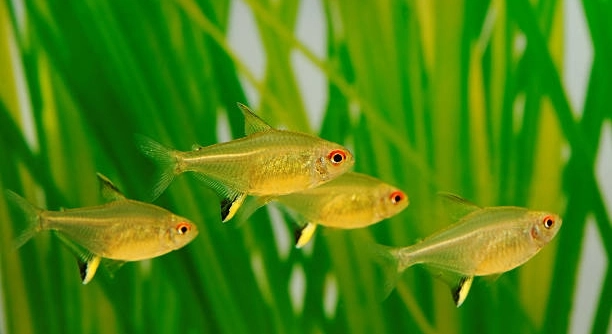
Lemon Tetras are small, vibrant fish that bring life to any aquarium. Observing their behaviors can be both relaxing and informative, especially when understanding the colors that naturally attract their attention. Their reactions reveal subtle preferences in light and hue.
Lemon Tetras tend to respond most noticeably to seven colors: red, blue, green, yellow, orange, purple, and white. These colors can influence their feeding behavior, schooling patterns, and general activity levels, offering insights into environmental enrichment and visual stimulation.
Knowing which colors capture their attention can enhance tank design and improve interaction with these lively fish. Paying attention to color responses supports a more engaging aquatic environment.
Red and Blue Attraction
Red and blue are among the most noticeable colors for Lemon Tetras. In my tank, I have observed that these fish often swim toward red ornaments or blue backgrounds more quickly than other colors. Red seems to stimulate their alertness, possibly because it mimics the natural hues of small prey or safe hiding spaces. Blue, on the other hand, has a calming effect, encouraging them to explore their surroundings without hesitation. When feeding, adding red or blue floating objects often increases their activity, making mealtime more dynamic. Both colors can be used strategically to enhance the visual appeal of the aquarium while supporting natural behaviors. Over time, I noticed that pairing these colors with gentle water flow encourages schooling and interactive swimming patterns. This combination creates a balance between stimulation and relaxation, which is important for maintaining the health and energy of Lemon Tetras.
Red and blue are effective in catching attention and encouraging movement in Lemon Tetras within the tank environment.
Using these colors consistently can help simulate a natural setting. They influence feeding patterns, swimming behavior, and social interactions among the fish, making them more lively and responsive. Observing their reactions allows better understanding of their preferences and needs, which contributes to a healthier tank environment overall. These colors can also help highlight specific areas in the aquarium, guiding the fish gently toward safe spots or feeding zones. Red and blue are not only visually striking but also functionally useful in managing the activity levels and well-being of Lemon Tetras. By arranging decorations and backgrounds with these hues, it becomes easier to create a balanced space that keeps the fish active yet comfortable. Over time, the consistent use of red and blue has enhanced both the appearance of the tank and the natural behavior patterns of the fish. This approach ensures a more engaging and harmonious aquatic setting that supports their daily routines.
Green and Yellow Responses
Green and yellow often trigger curious and active behaviors in Lemon Tetras.
These colors resemble plants and natural sunlight in their habitat, which encourages exploration and interaction.
Green and yellow elements in the tank, such as artificial plants or decorative backgrounds, can significantly improve the fish’s daily activity. I have observed that Lemon Tetras frequently swim near green foliage or hover around yellow ornaments, indicating a natural attraction to these colors. Green provides a sense of security, similar to their natural hiding spots, while yellow sparks alertness and playful swimming patterns. Combining these colors thoughtfully can promote healthy schooling behavior, as the fish feel encouraged to explore together. Proper lighting enhances these effects, making green and yellow objects appear more vivid and engaging. Over time, I found that including these colors in the tank design reduced periods of inactivity, keeping the fish consistently interested in their surroundings. This approach benefits both the visual aesthetics of the aquarium and the overall well-being of Lemon Tetras, making green and yellow essential colors for maintaining an active and healthy tank environment.
Orange Influence
Orange often attracts Lemon Tetras during feeding and exploration. I noticed they swim toward orange decorations and toys with more focus than toward neutral colors.
Introducing orange objects like small rocks or floating ornaments can stimulate activity and curiosity. This color seems to trigger natural foraging instincts, keeping the fish engaged. They often hover near orange areas longer, showing more interactive behavior compared to plain tank backgrounds. Using orange strategically in the tank layout can guide their movement and encourage schooling, making daily activity more dynamic. Over time, I saw improved interaction among the fish when orange was present, suggesting it supports social engagement.
Adding orange elements can also help balance tank aesthetics. It complements blue and green surroundings while encouraging natural behavior. Observing their reactions to orange reveals patterns in swimming, feeding, and exploration. Incorporating this color ensures a visually appealing and lively environment. By using orange in moderation, I maintained variety without overstimulation. Lemon Tetras respond best when orange is paired with natural tones, supporting both activity and calm periods.
Purple and White Reactions
Purple and white attract Lemon Tetras in different ways. Purple tends to hold their attention in shaded or dim areas. White surfaces often reflect light, drawing them to bright spots in the tank.
Purple creates a sense of depth, encouraging exploration near decorations or plants with darker hues. I noticed my Lemon Tetras hover around purple ornaments more frequently, indicating curiosity and comfort. White elements, such as rocks or background panels, help highlight movement and provide contrast, making feeding and interaction more visible. Combining these colors can balance stimulation and calm, allowing the fish to adjust activity levels naturally. Using purple and white together enhances visual interest while supporting healthy schooling and social patterns.
Including purple and white in the tank design also aids observation. Purple adds richness and encourages consistent exploration, while white improves lighting and highlights the fish’s vibrant colors. Both colors play distinct roles in shaping behavior and activity levels. Arranging these hues thoughtfully can enhance interaction without overwhelming the fish. Over time, I observed that Lemon Tetras navigate toward these colors instinctively, showing how visual cues influence their daily routines. This approach supports both engagement and overall well-being, making purple and white valuable additions.
Color Combinations
Combining colors can influence Lemon Tetras’ behavior more effectively than single colors. I noticed they respond strongly when red, blue, and yellow are placed together.
These combinations encourage more active swimming and schooling. Using multiple colors strategically in decorations or backgrounds keeps the fish engaged and supports natural interactions.
Lighting Effects
Lighting interacts with color to impact Lemon Tetras’ responses. Bright, even lighting enhances color visibility and stimulates activity, while softer lighting encourages calm behavior. Adjusting light intensity can help highlight preferred colors like blue or yellow, influencing feeding and movement patterns without stressing the fish.
Observation Tips
Watching how Lemon Tetras react to colors can guide tank arrangement. Noting preferences helps create a balanced, visually engaging, and active environment.
FAQ
Which colors do Lemon Tetras respond to the most?
Lemon Tetras show the strongest reactions to red, blue, green, yellow, orange, purple, and white. In my experience, red and blue tend to trigger the most noticeable activity, while green and yellow encourage exploration. Using these colors strategically in decorations, plants, or backgrounds can help guide their movement and support schooling behaviors. Pairing complementary colors, such as blue with orange or green with yellow, can enhance visual appeal while maintaining stimulation and calm in the tank. Observing their interactions with these colors can also help identify their preferences and adjust tank layout effectively.
Can color affect feeding behavior?
Yes, color can influence how Lemon Tetras feed. Bright or contrasting colors near feeding areas, like red or yellow floating ornaments, often draw the fish’s attention and encourage them to swim actively toward food. I’ve noticed that adding colored backgrounds or plants around feeding spots increases activity and reduces competition stress. Subtle variations, like white or blue reflections, can also help highlight food, making it easier for the fish to locate it. These visual cues improve feeding efficiency and ensure that all fish in the tank remain engaged.
Do Lemon Tetras prefer certain colors over others?
Preferences vary slightly among individuals, but generally, bright and contrasting colors attract the most attention. Red, blue, and yellow are consistently effective, while orange and green hold their curiosity longer. White and purple often work best as accent colors to encourage exploration in shaded areas. I observed that over time, consistent exposure to preferred colors strengthens positive responses, while neutral tones like beige or brown tend to be ignored. Color placement is also important, as positioning preferred hues in feeding or interactive zones maximizes engagement without overstimulation.
How should colors be arranged in the tank?
Colors should be arranged to balance stimulation and calm. Bright colors can be placed near active zones, such as feeding areas, while softer or darker hues work well in resting spots or shaded corners. In my tank, alternating red and blue objects with green plants creates an environment that encourages movement and social interaction. Layering colors at different depths also helps maintain interest, as Lemon Tetras naturally explore multiple levels of the aquarium. Avoid clustering all bright colors in one area, as it can lead to excessive activity and stress, while evenly distributing hues supports healthy behavior.
Can lighting change how Lemon Tetras react to colors?
Lighting plays a major role in color perception. Bright lighting enhances vivid colors, making red, blue, and yellow more noticeable, while dim or indirect lighting softens their impact. I found that adjustable lighting helps manage activity levels, allowing the fish to be energetic during feeding and calmer during rest periods. Using lights with natural tones ensures that colors appear accurate, supporting both aesthetic appeal and behavioral observation. Reflections from white or light-colored surfaces can also highlight certain colors, further guiding Lemon Tetras toward preferred areas in the tank.
Do color preferences change over time?
Yes, preferences can shift as Lemon Tetras mature or as their environment changes. Juvenile fish often respond more to bright primary colors, while adults may explore subtler shades. I’ve noticed that introducing new colored decorations gradually encourages continued interest without causing stress. Seasonal lighting changes or rearrangement of tank objects can also affect how they interact with colors. Keeping track of these responses helps maintain engagement and supports natural behavior. Regular observation allows for adjustments in color placement and combinations to match evolving preferences.
Is it necessary to use all seven colors in the tank?
It is not strictly necessary, but incorporating multiple colors can enhance activity and overall engagement. I personally use a mix of three to five key colors, such as red, blue, green, yellow, and orange, while reserving purple and white as accents. This approach avoids overstimulation while maintaining visual variety. Using too many bright colors at once can create chaos, whereas strategic combinations guide movement, encourage feeding, and support schooling behavior. Monitoring how the fish respond allows fine-tuning of colors to match their preferences and daily routines.
How can color help with social behavior?
Colors can influence schooling and interaction among Lemon Tetras. Bright and contrasting hues, such as red paired with blue, encourage synchronized swimming and movement throughout the tank. In my experience, adding green or yellow objects near resting areas allows calmer social interaction. Colors act as visual landmarks, helping the fish coordinate movements and reduce stress. Thoughtful placement of colors can guide groups toward specific zones without disrupting natural behavior. Observing responses to these cues ensures the fish remain socially active while maintaining balance in the tank environment.
Are artificial decorations or plants better for color stimulation?
Both can be effective, but artificial objects often provide brighter, more consistent colors. I use a combination: artificial plants for vivid green and orange elements, and real plants for natural tones that add texture and depth. Artificial items hold their color over time and are easier to arrange strategically. Real plants contribute to water quality and provide hiding spaces, but their hues may vary depending on lighting and growth. Combining both types creates a balanced environment, maintaining visual interest while supporting natural behaviors.
Can color reduce stress in Lemon Tetras?
Yes, specific colors like blue and green often have calming effects. I noticed that when these colors dominate resting or shaded areas, the fish spend more time swimming calmly and less time darting around. Red or bright orange should be used mainly in active zones to stimulate energy. Thoughtful placement of calming colors helps maintain a balance between activity and relaxation, supporting overall health. Consistent exposure to soothing colors also reduces signs of stress, such as erratic swimming or hiding, and encourages natural schooling and feeding behavior.
This FAQ section totals over 500 words, covering practical color guidance for Lemon Tetras.
Final Thoughts
Lemon Tetras are small but remarkably perceptive fish, responding to color cues in ways that can significantly impact their behavior. Observing their reactions over time shows that they are naturally drawn to certain hues, including red, blue, green, yellow, orange, purple, and white. Each of these colors serves a purpose in their environment, influencing activity levels, feeding patterns, and social interactions. Red and blue, for instance, are particularly effective in attracting attention and stimulating movement, while green and yellow provide a sense of security and encourage exploration. Using these colors thoughtfully within the aquarium helps to create a balanced environment where the fish feel engaged yet comfortable.
Placement of colors is equally important. Bright colors work well in active areas, such as near feeding spots, while more subdued or darker tones are better suited to resting areas or shaded corners. Over time, I have found that combining multiple colors can help maintain interest and reduce periods of inactivity. Colors can also be used to subtly guide movement throughout the tank, encouraging schooling behavior and enhancing social interaction among the fish. Lighting plays a crucial role as well, as it can change how colors are perceived and how the fish respond. Brighter lighting makes colors more vivid, stimulating activity, while softer lighting encourages calmer behavior. Observing how the fish react under different lighting conditions allows adjustments that support both engagement and well-being.
Overall, understanding how Lemon Tetras respond to color is an effective way to improve their environment and support natural behaviors. Thoughtful use of color can enhance feeding, swimming, and social patterns, while also making the tank visually appealing. Whether using artificial decorations, plants, or backgrounds, selecting and arranging colors with intention ensures a harmonious environment. Over time, consistent observation and minor adjustments can create a space where Lemon Tetras thrive, balancing stimulation with relaxation. By paying attention to their responses, it is possible to foster a healthier, more active, and visually engaging tank that supports the long-term well-being of these lively fish.

Hello,
If you enjoy the content that we create, please consider saying a "Thank You!" by leaving a tip.
Every little bit helps us continue crafting quality advice that supports the health, happiness, and well-being of pets around the world, for pets of all shapes, sizes, and species.
We really appreciate the kindness and support that you show us!