Do Black Molly Prefer Top or Bottom Levels?
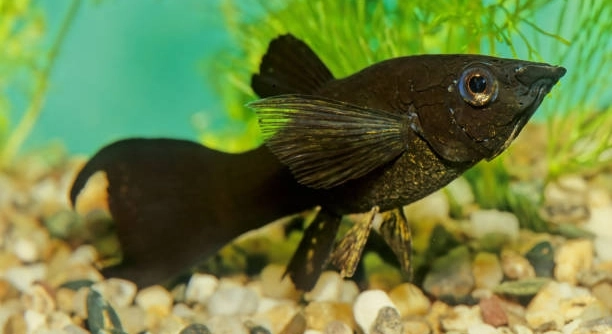
Do you enjoy keeping freshwater aquariums and find yourself observing the daily habits of your fish? Black Mollies are lively and captivating, often revealing behaviors that can help you better care for their environment. Their movement and placement in the tank offer subtle insights into their preferences. Black Mollies typically prefer the middle to top … Read more
What Filter Works Best for Black Molly?

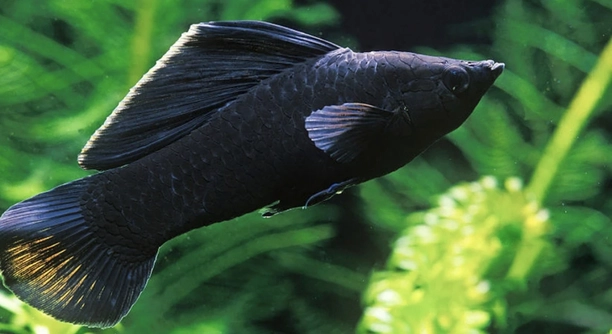
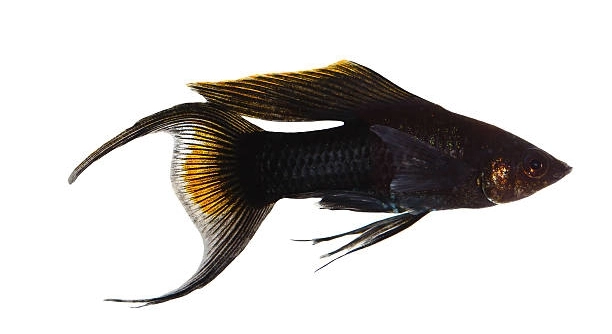
Black Mollies are small, lively fish that bring life to any freshwater tank. They are relatively easy to care for, but maintaining clean water is crucial for their health and overall well-being. The best filter for Black Mollies is a gentle, efficient filter that provides both mechanical and biological filtration. Sponge filters, hang-on-back filters, and … Read more

Why Is My Black Molly Gasping After Eating?

Is your black molly gasping after meals and leaving you worried about its health? Observing your fish closely can help you notice early signs of stress or discomfort. Understanding its behavior is important for proper care. The most common reasons a black molly gasps after eating include overfeeding, poor water quality, or digestive issues. Ensuring … Read more

7 Signs Your Black Molly Has Parasites

Do you enjoy keeping black mollies in your aquarium but sometimes notice unusual behavior or appearance? These small, elegant fish can show subtle signs when their health is affected, especially by parasites in the tank. Black mollies can harbor parasites that affect their health and behavior. Common indicators include changes in appetite, erratic swimming, visible … Read more

7 Indicators Your Black Molly Are Outgrowing Their Space

Are your black molly fish swimming in circles more than usual or showing signs of stress in their tank? Observing their behavior closely can reveal when their environment no longer meets their growing needs. Black mollies require sufficient space to maintain health, growth, and social stability. When overcrowded, they exhibit stunted growth, increased aggression, and … Read more

7 Things That Influence Black Molly Mood

Are your Black Mollies acting differently than usual, sometimes hiding or swimming restlessly around the tank? Many owners notice subtle changes in their fish’s behavior and wonder what factors might be affecting their mood. Several environmental and biological factors influence the mood of Black Mollies. Water temperature, pH levels, tank size, social interactions, diet, lighting, … Read more

7 Things That Lead to Black Molly Injury

Do you enjoy keeping black mollies in your tank but sometimes notice small injuries on their fins or bodies? These injuries can be troubling for any fish owner and may affect the health of your aquatic pets. Black molly injuries are commonly caused by overcrowding, aggressive tank mates, poor water quality, sharp or rough decorations, … Read more

7 Reasons Black Molly Fish Flash Against Objects

Have you ever noticed your black molly fish suddenly flashing against the sides of the tank or other objects? This behavior can be surprising for many aquarium owners and may leave you wondering what is causing it in your aquarium. Black molly fish flash against objects primarily due to irritation or stress. Factors such as … Read more

Can Black Molly Show Personality Differences?

Black mollies are small, peaceful fish often found in home aquariums. Their dark, shiny appearance makes them popular among hobbyists, and many enjoy observing their swimming patterns and interactions in a shared tank environment. Black mollies can exhibit personality differences, with some showing more curiosity, boldness, or social interaction than others. These behavioral variations can … Read more

What It Means When Fry Refuse to Explore

Many aquarists notice that young fish sometimes stay close to their hiding spots instead of exploring the tank. This behavior can feel worrying, especially when you want your fry to grow confident and active in their environment. When fry refuse to explore, it is often a response to stress, environmental changes, or inadequate tank conditions. … Read more