
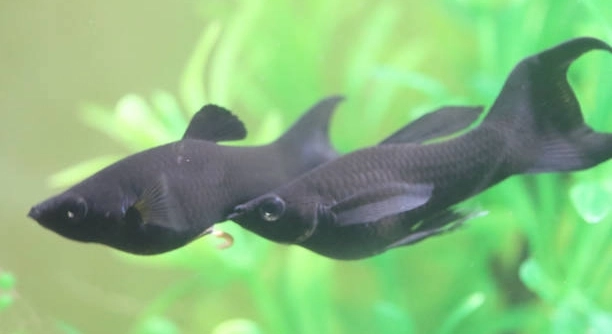
Are your Black Mollies acting differently than usual, sometimes hiding or swimming restlessly around the tank? Many owners notice subtle changes in their fish’s behavior and wonder what factors might be affecting their mood.
Several environmental and biological factors influence the mood of Black Mollies. Water temperature, pH levels, tank size, social interactions, diet, lighting, and overall health all contribute significantly to their behavior, activity level, and stress response within the aquarium.
Understanding these influences will help you create a calmer and healthier environment for your Black Mollies, ensuring they remain active, social, and vibrant in your tank.
Water Temperature
Black Mollies are very sensitive to water temperature. If the water is too cold or too warm, they may become sluggish or stressed. Ideal temperatures range between 75 and 82°F. Consistent temperature helps maintain their metabolism and keeps them active. Sudden changes can make them hide or stop eating. Tank heaters and thermometers are useful tools to ensure the water stays within this range. Regular monitoring of temperature, especially during seasonal changes, prevents mood swings and health issues. Mollies thrive in stable conditions. Temperature also affects their immune system. Fish that experience frequent fluctuations are more prone to disease. Observing their swimming patterns can indicate if the temperature is right. If they gather near the surface or bottom constantly, adjustments may be needed. Keeping water warm but not overheated provides a comfortable environment that supports normal behavior, feeding, and social interactions.
Temperature stability is key for keeping Black Mollies calm, active, and healthy in their aquarium environment.
Maintaining the right water temperature allows Black Mollies to stay energetic and display normal behavior. A tank heater ensures warmth is constant, and checking with a thermometer prevents stress. Stability affects eating habits, social interactions, and overall mood, making it an essential part of their care.
Tank Size
A proper tank size is essential for Black Mollies to feel secure. Crowded tanks increase stress and aggression, affecting their mood. Each molly needs enough swimming space and hiding spots to explore comfortably. A minimum of 20 gallons is recommended for a small group, with additional space for each extra fish. Decorations and plants help reduce tension by offering shelter and dividing the tank into smaller areas. Open areas allow swimming while hiding spots provide refuge during conflicts. Overstocked tanks lead to water quality issues, which also impact mood. Black Mollies thrive when they have room to swim, interact, and establish territories. Observing their behavior, like chasing or hiding, can indicate if the tank size is sufficient. A balanced environment with space and structure promotes calm, social, and natural behavior, reducing stress and aggression. Proper tank size is critical for overall well-being.
A spacious tank reduces stress and aggression among Black Mollies, ensuring smoother interactions and happier fish.
Providing a large, well-structured tank allows Black Mollies to swim freely, hide when needed, and establish social hierarchies without constant conflict. Adequate space minimizes tension, supports physical activity, and encourages healthy interactions, creating a stable environment that improves mood and reduces stress-related behavior.
Water Quality
Poor water quality quickly affects Black Mollies’ mood. High ammonia, nitrite, or nitrate levels stress them, causing lethargy, hiding, or aggression. Regular water testing and changes keep the environment safe. Clean water supports normal behavior and overall health, keeping your fish active and social.
Frequent partial water changes are essential to maintain healthy conditions. Black Mollies are sensitive to toxins and chemical imbalances, which can cause mood swings and illness. Using a reliable test kit to monitor ammonia, nitrite, and nitrate ensures the tank stays within safe limits. Filtration systems help remove debris and maintain clarity, preventing stress. Avoid overfeeding, as leftover food decomposes and worsens water quality. By combining regular cleaning, testing, and filtration, you create a stable and comfortable environment. Healthy water encourages normal swimming patterns, proper feeding, and social interaction among your fish.
Water quality also impacts long-term health and lifespan. Consistent maintenance minimizes stress, disease risk, and abnormal behaviors. Proper filtration and monitoring make a noticeable difference in your Black Mollies’ energy and mood.
Diet and Nutrition
A balanced diet directly influences Black Mollies’ mood. Poor nutrition can make them lethargic or irritable. High-quality flake food, supplemented with live or frozen foods, supports energy and activity. Variety ensures essential vitamins and minerals, maintaining their health and natural behavior.
Overfeeding or underfeeding can cause mood changes. Black Mollies may hide, act aggressively, or lose appetite if their dietary needs aren’t met. Feeding small portions twice daily prevents bloating and keeps water cleaner. Including vegetables like blanched spinach or zucchini adds fiber, supporting digestion. Proteins from brine shrimp or daphnia enhance vitality and promote bright coloration. Rotating food types prevents deficiencies and boredom. A proper diet also strengthens their immune system, reducing stress and susceptibility to disease, which in turn stabilizes their mood over time.
Consistent, nutrient-rich feeding routines lead to calmer, more active Black Mollies. Balanced nutrition ensures energy, proper growth, and stable behavior, keeping them happy in their tank environment.
Lighting Conditions
Proper lighting affects Black Mollies’ mood and activity. Too bright or too dim light can stress them, causing hiding or erratic swimming. A consistent day-night cycle helps regulate behavior and supports natural rhythms.
Providing 8 to 12 hours of light daily keeps them comfortable. Timers are useful for maintaining consistency and reducing sudden changes that could disturb their routine.
Social Interaction
Black Mollies are social fish that thrive in groups. Lack of companions can make them shy, while overcrowding may increase aggression. A balanced number of tank mates encourages natural behavior and reduces stress, keeping them active and content.
Health and Illness
Illness significantly affects Black Mollies’ mood. Symptoms like clamped fins, lethargy, or loss of appetite indicate stress or disease. Early detection and treatment prevent prolonged discomfort and improve overall well-being.
Tank Decorations
Plants, rocks, and hiding spots provide security for Black Mollies. A well-decorated tank reduces stress, encourages exploration, and allows natural behavior, improving mood.
FAQ
How do I know if my Black Molly is stressed?
Stress in Black Mollies shows through changes in behavior. They may hide constantly, swim erratically, or lose appetite. Color fading, clamped fins, and reduced activity are also signs. Observing them daily helps identify subtle changes early, allowing you to adjust water conditions, tank mates, or feeding habits promptly.
Can water changes improve my Black Molly’s mood?
Yes, regular water changes are crucial. Removing excess waste and maintaining stable water parameters reduces stress. Changing about 20–25% of the water weekly keeps ammonia, nitrite, and nitrate levels safe. This stability encourages normal swimming, social interaction, and feeding, which all support a positive mood.
What temperature is best for Black Mollies?
Black Mollies prefer water between 75 and 82°F. Temperatures outside this range can cause lethargy or agitation. Using a reliable heater and thermometer ensures consistency. Avoid sudden fluctuations, as these can stress the fish and lead to illness, affecting mood and activity levels.
How important is tank size for their behavior?
Tank size is very important. Crowded tanks lead to stress, aggression, and hiding. A minimum of 20 gallons is recommended for a small group, with additional space for extra fish. Proper spacing allows natural swimming patterns, social interactions, and reduced competition, keeping your Black Mollies calm and active.
Does diet really affect mood?
Yes, nutrition impacts behavior and energy. A balanced diet of high-quality flake food, live or frozen foods, and occasional vegetables ensures they get all necessary vitamins and minerals. Overfeeding or feeding low-quality food can cause lethargy or irritability. Rotating food types keeps them healthy and stimulated.
What role does social interaction play?
Black Mollies are social fish that enjoy company. Keeping them alone can make them shy or inactive, while overcrowding can increase aggression. Maintaining an appropriate group size and compatible tank mates promotes natural behavior, reduces stress, and improves overall mood and activity.
How do I know if lighting is affecting them?
Improper lighting can stress Black Mollies. Too bright light may make them hide, while too dim light can reduce activity. A consistent day-night cycle of 8–12 hours, ideally with a timer, supports natural rhythms and keeps them calm, active, and engaged.
Can decorations help reduce stress?
Yes, decorations provide hiding spots and visual barriers. Plants, rocks, and caves give security, allowing Black Mollies to retreat if threatened. A well-structured tank encourages exploration and natural behavior, reducing stress and promoting a happier, more confident mood.
How do I tell if my Black Molly is sick?
Illness affects mood and activity. Watch for clamped fins, lethargy, loss of appetite, or unusual swimming. Early detection and prompt treatment prevent prolonged stress and discomfort. Keeping water clean and providing proper nutrition reduces the risk of disease.
Are there signs of long-term stress to watch for?
Long-term stress may show as constant hiding, dull coloration, poor growth, or repeated aggression. Chronic stress weakens immunity and affects mood permanently. Monitoring behavior, maintaining water quality, proper feeding, and adequate space prevents prolonged issues and supports their well-being.
How often should I test the water?
Regular testing is essential. Weekly checks for ammonia, nitrite, nitrate, and pH levels help maintain a safe environment. Monitoring ensures water remains stable, reduces stress, and keeps your Black Mollies active and healthy.
Can changes in tank mates influence mood?
Yes, introducing new fish or aggressive tank mates can cause stress. Observe interactions carefully. Ensure compatible species, provide hiding spots, and maintain enough space to minimize conflicts and protect the mood and health of Black Mollies.
What is the best feeding schedule?
Feeding small portions twice daily works best. This prevents overeating, keeps water cleaner, and maintains consistent energy levels. Including variety like vegetables, flakes, and protein-rich foods ensures nutritional balance, supporting a stable mood and natural activity.
Do seasonal changes affect behavior?
Seasonal temperature and lighting changes can influence mood. Consistent tank conditions, proper heating, and lighting adjustments prevent stress caused by fluctuations. Stability ensures Black Mollies remain active, social, and healthy throughout the year.
How can I encourage shy Black Mollies to explore?
Provide hiding spots initially, then gradually remove barriers. Consistent feeding and a calm environment help them gain confidence. Avoid sudden disturbances and maintain proper water parameters to encourage natural exploration and social interaction.
What common mistakes affect their mood?
Common mistakes include overfeeding, overcrowding, poor water quality, inconsistent temperature, and lack of hiding spots. Addressing these issues promptly stabilizes mood, reduces stress, and supports healthy activity, feeding, and social behavior.
Can illness affect social behavior?
Yes, sick Black Mollies may isolate themselves or become aggressive. Proper care, including clean water, balanced diet, and early treatment, prevents disease-related stress and supports normal social interactions.
Are Black Mollies sensitive to sudden changes?
Yes, sudden changes in temperature, water chemistry, or tank layout can stress them. Gradual adjustments and monitoring ensure stability, preventing mood swings and promoting calm, natural behavior.
How does pH influence mood?
Black Mollies prefer slightly alkaline water, around 7.5–8. Proper pH stability supports health, reduces stress, and prevents lethargy or irritability. Sudden pH shifts can negatively impact behavior, so regular testing and gradual adjustments are necessary.
Is it normal for them to hide often?
Frequent hiding can indicate stress, illness, or unsuitable tank conditions. Ensure water quality, proper tank size, compatible companions, and secure hiding spots. Observing their behavior and addressing underlying causes keeps Black Mollies confident, active, and less anxious.
How can I improve tank comfort?
Provide stable water, proper temperature, hiding spots, adequate space, balanced diet, and consistent lighting. These factors create a comfortable, low-stress environment, allowing Black Mollies to exhibit normal behavior and maintain a positive mood.
Can overstocking affect behavior?
Yes, overstocked tanks increase stress, aggression, and disease risk. Maintain appropriate numbers based on tank size, provide hiding spots, and monitor interactions. Adequate space and balanced population keep Black Mollies calmer, healthier, and more active.
How important is consistency in care?
Consistency in feeding, water changes, temperature, and lighting is essential. Black Mollies respond positively to stable conditions. Irregular routines can cause stress, lethargy, or erratic behavior, while steady care promotes well-being, natural behavior, and a balanced mood.
Do Black Mollies need companions?
Yes, they are social fish. Keeping them in small groups reduces stress, encourages activity, and supports natural behavior. However, overcrowding should be avoided to prevent aggression and maintain a harmonious tank environment.
What are early warning signs of stress?
Early signs include hiding, erratic swimming, loss of appetite, or color fading. Observing these behaviors promptly allows adjustments to water, diet, or tank conditions to reduce stress and support positive mood.
How can I maintain long-term happiness for my Black Mollies?
Maintain clean, stable water, provide balanced nutrition, proper temperature, adequate space, hiding spots, and consistent lighting. Social interaction and compatible tank mates support natural behavior. Regular observation and prompt response to stress or illness ensure long-term well-being and a positive mood.
Black Mollies are sensitive fish whose mood is influenced by many factors. Water temperature, water quality, tank size, lighting, diet, social interaction, and tank decorations all play a significant role in how they behave each day. Paying attention to these elements helps ensure your Black Mollies are active, social, and healthy. Maintaining stable water conditions with the right temperature and pH levels is one of the simplest ways to reduce stress. Regular water testing, proper filtration, and partial water changes help remove toxins and maintain a comfortable environment. A consistent day-night cycle and controlled lighting also support their natural rhythms and activity patterns.
Diet and nutrition are just as important for Black Mollies’ mood. Feeding a variety of high-quality flake foods, live or frozen foods, and occasional vegetables ensures they receive essential nutrients. Overfeeding or underfeeding can cause stress, lethargy, or irritability, while a balanced feeding schedule encourages consistent energy and natural behavior. Social interaction also contributes to their well-being. Black Mollies are social fish that thrive in small groups, but overcrowding can lead to aggression and tension. Providing adequate space, hiding spots, and compatible companions allows them to explore, swim freely, and establish social hierarchies comfortably. Tank decorations like plants, rocks, and caves offer security and reduce stress, encouraging confidence and exploration.
Observing Black Mollies regularly is key to understanding their mood and addressing issues early. Changes in behavior, appetite, or coloration can indicate stress, poor water conditions, illness, or social problems. Taking steps to correct these factors, whether through adjusting temperature, water quality, tank size, or diet, helps maintain a positive environment. With proper care, consistent routines, and attention to their needs, Black Mollies remain active, calm, and healthy. Supporting their well-being through simple, consistent measures ensures they thrive in the tank, displaying natural behaviors and maintaining a positive mood over time.

Hello,
If you enjoy the content that we create, please consider saying a "Thank You!" by leaving a tip.
Every little bit helps us continue crafting quality advice that supports the health, happiness, and well-being of pets around the world, for pets of all shapes, sizes, and species.
We really appreciate the kindness and support that you show us!