
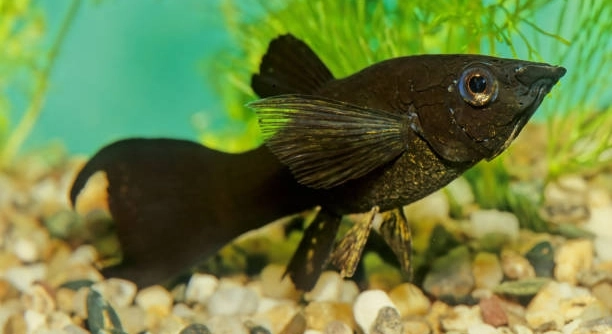
Black Mollies are small, lively fish that bring life to any freshwater tank. They are relatively easy to care for, but maintaining clean water is crucial for their health and overall well-being.
The best filter for Black Mollies is a gentle, efficient filter that provides both mechanical and biological filtration. Sponge filters, hang-on-back filters, and canister filters work well, ensuring clean water while avoiding strong currents that stress the fish.
Choosing the right filtration system will help your Black Mollies thrive and maintain a stable, healthy environment in your aquarium.
Choosing the Right Filter Type
When selecting a filter for Black Mollies, it is important to focus on both efficiency and gentle water flow. Sponge filters are ideal for small to medium tanks because they provide excellent biological filtration without creating strong currents that can stress the fish. Hang-on-back filters are another good option, offering mechanical and chemical filtration while maintaining water clarity. Canister filters work well in larger tanks, efficiently cleaning water while keeping the environment stable. Black Mollies prefer calm areas, so avoid filters that create strong turbulence. Regular maintenance, such as rinsing filter media in tank water, ensures the filter continues to function properly. Proper filtration not only keeps the water clean but also reduces the risk of diseases caused by poor water quality. Choosing a filter that balances strength and gentleness creates a healthy, comfortable habitat for these active fish.
Sponge filters are often preferred for small Black Molly tanks because they provide gentle filtration without stressing the fish.
Filters should be checked regularly, and cleaning schedules maintained to ensure long-term water quality and fish health. Adjusting the flow and using a variety of filtration types can help create a stable, thriving environment for Black Mollies, reducing stress and promoting consistent growth.
Maintaining Filter Performance
Regular maintenance is key to keeping a filter effective. Cleaning or replacing filter media prevents clogs and maintains proper water flow. Inspecting the filter intake and output ensures nothing is blocked or damaged.
A poorly maintained filter can reduce water quality and impact fish health.
Black Mollies are sensitive to changes in their environment, so maintaining consistent filtration is important. Over time, filters accumulate debris, uneaten food, and fish waste, which can reduce their efficiency. Rinsing sponge or mechanical media in tank water, rather than tap water, preserves beneficial bacteria that help break down toxins. Chemical media like activated carbon should be replaced according to manufacturer instructions. Observing the tank regularly allows early detection of issues such as decreased flow or unusual water color. Ensuring the filter runs continuously and performs properly supports oxygenation and reduces harmful ammonia or nitrate buildup. By keeping the filter in good condition, the tank environment remains stable, healthy, and comfortable, giving Black Mollies a safe space to swim, eat, and grow without unnecessary stress or illness.
Filter Placement Tips
Placing a filter in the right spot improves water circulation and prevents dead zones. Position the filter near an area with moderate swimming activity to keep the water clean and oxygenated.
Filters should not be too close to decorations or plants, as this can block flow and reduce efficiency. For sponge filters, placing them in a corner helps maintain gentle currents while still cleaning effectively. Hang-on-back filters work best near the back of the tank, allowing water to circulate across the entire tank length. Canister filters can be hidden under the tank but should have output adjusted to avoid strong currents that stress Black Mollies. Proper placement ensures even filtration, reduces maintenance needs, and keeps water quality stable. This attention to positioning helps Black Mollies feel secure and swim naturally without struggling against overly strong flows.
Adjusting filter flow or output can improve circulation and provide a healthier environment for all tank inhabitants.
Maintaining even flow throughout the tank prevents debris from accumulating in corners, which can reduce water quality. Strategically placing the filter allows waste to be drawn efficiently, keeping the tank clean longer and reducing ammonia or nitrate spikes. Proper placement also ensures oxygenation reaches all areas, supporting healthy gill function and activity levels. With careful positioning, the filter works with the tank layout, plants, and decorations, creating a comfortable space that mimics natural habitats.
Signs Your Filter Needs Attention
Changes in water clarity or unusual smells often indicate filter issues. Check the media and flow immediately when these signs appear.
If the water appears cloudy or has a foul odor, it may mean the filter is clogged, worn out, or not running efficiently. Debris buildup in sponge or mechanical media reduces water flow, while chemical media may become saturated and stop removing toxins. Black Mollies are sensitive to poor water conditions, so even minor filtration issues can stress them. Regular inspections and maintenance prevent sudden water quality problems, helping fish remain healthy and active.
Ignoring small problems can lead to bigger issues, including unhealthy water and stressed fish. Consistent care of the filter ensures longevity and keeps the aquarium balanced. Checking hoses, impellers, and media prevents surprises and maintains smooth operation. Clean and replace media as needed, rinse sponges in tank water, and monitor water parameters regularly. A well-maintained filter works efficiently, providing consistent oxygenation, reducing harmful compounds, and supporting the natural behavior and growth of Black Mollies. Proper attention to the system allows for a stable environment, keeping the tank safe and enjoyable.
Cleaning Your Filter
Rinsing filter media in tank water removes debris without killing beneficial bacteria. Avoid using tap water, which can harm the bacteria needed for biological filtration.
Replacing chemical media like activated carbon should follow the manufacturer’s schedule. Over-replacement can reduce efficiency, while under-replacement can let toxins build up.
Flow Rate Considerations
Black Mollies prefer gentle water movement. Adjust the filter output so currents are mild, allowing fish to swim comfortably without struggling. A strong flow can stress them and affect feeding habits.
Combining Filtration Types
Using a sponge filter with a hang-on-back filter provides both mechanical and biological filtration. This combination keeps water clean and stable while ensuring enough oxygen reaches all areas of the tank.
Monitoring Water Quality
Regularly testing water parameters ensures the filter maintains a safe environment. Ammonia, nitrite, and nitrate levels should stay within safe limits for Black Mollies.
FAQ
What type of filter is best for a small Black Molly tank?
For small tanks, sponge filters are the most suitable. They provide gentle water flow and effective biological filtration, which keeps the tank clean without stressing the fish. Hang-on-back filters can also work, but the flow should be adjusted to avoid strong currents that make Black Mollies struggle.
How often should I clean the filter?
Cleaning frequency depends on tank size and bioload. For sponge filters, rinsing every two to three weeks in tank water is usually enough. Hang-on-back or canister filters may need media replacement or rinsing monthly. Never use tap water on sponge media, as it can kill beneficial bacteria.
Can I use multiple filters in the same tank?
Yes, combining filters can be very effective. A sponge filter paired with a hang-on-back or canister filter provides both biological and mechanical filtration. This helps maintain water clarity and oxygenation. It’s important to ensure the flow is not too strong, especially for Black Mollies who prefer gentle currents.
How do I know if my filter is not working properly?
Signs include cloudy water, unusual odors, or slow water flow. You may also notice fish stress or lethargy. Check the filter intake for clogs, inspect the media for buildup, and make sure the impeller is spinning correctly. Regular observation prevents minor issues from becoming major problems.
Can a filter affect my Black Mollies’ health?
Yes, poor filtration can quickly impact health. Without proper cleaning and oxygenation, toxins like ammonia and nitrites build up, which can stress fish, weaken immune systems, and make them prone to disease. Maintaining a well-functioning filter ensures stable water parameters and healthy, active fish.
Should I adjust the filter flow for Black Mollies?
Absolutely. Black Mollies prefer calm water with gentle currents. Strong flow can cause stress, reduce appetite, and make swimming difficult. Most filters allow adjusting the output or adding flow deflectors. Observing the fish and adjusting flow as needed ensures they remain comfortable and active.
Is chemical filtration necessary for Black Mollies?
Chemical filtration, such as activated carbon, is helpful but not always essential. It removes impurities and odors but should complement, not replace, mechanical and biological filtration. Replace chemical media according to the manufacturer’s instructions to maintain water quality without disrupting beneficial bacteria.
Can I use a filter without performing water changes?
No, filters help maintain water quality but do not replace regular water changes. Even with a high-quality filter, waste accumulates, and water parameters can shift. Performing partial water changes keeps ammonia, nitrites, and nitrates at safe levels while supporting long-term fish health.
How do I maintain beneficial bacteria in my filter?
Rinse filter media in tank water during cleaning to preserve the bacteria. Avoid using tap water or harsh chemicals. Biological filtration relies on these bacteria to break down harmful substances, so careful handling ensures a healthy tank environment for Black Mollies.
Can filters be noisy in a Black Molly tank?
Some filters, especially hang-on-back and canister types, can create noise or vibration. Ensuring the filter is installed correctly, cleaning impellers, and checking tubing connections can reduce noise. Quiet operation helps reduce stress for Black Mollies and keeps the tank environment calm.
How do I choose between sponge, hang-on-back, and canister filters?
Sponge filters are best for small tanks and gentle currents. Hang-on-back filters offer additional mechanical and chemical filtration for medium tanks. Canister filters are suitable for larger tanks, providing high-capacity filtration. Choose based on tank size, number of fish, and desired maintenance routine.
Are there filters that are unsafe for Black Mollies?
Filters with very strong currents or those lacking proper intake protection can be harmful. Small fish may get trapped or exhausted by strong water flow. Always select filters with adjustable flow or protective intake guards to ensure the safety and comfort of your Black Mollies.
How do I know when to replace a filter?
Replace filters when the media is worn out, the unit is malfunctioning, or it no longer maintains proper water flow. Even well-maintained filters have a lifespan, and replacing them when needed ensures consistent water quality and a healthy environment for Black Mollies.
Can I use a filter in a planted Black Molly tank?
Yes, but ensure the flow does not uproot plants or disturb delicate foliage. Sponge filters are excellent for planted tanks due to gentle flow, while hang-on-back filters may need flow adjustment. Proper filter placement helps maintain both plant health and water quality.
Does filter size matter for Black Mollies?
Yes, filter size should match tank volume. A filter rated for slightly more than your tank’s capacity provides efficient cleaning without excessive flow. Oversized filters may create strong currents, while undersized filters may fail to maintain water quality. Correct sizing ensures balanced filtration and a stable habitat.
How do I prevent filter clogging?
Regular maintenance, proper feeding, and monitoring debris buildup help prevent clogs. Rinse mechanical media and sponge filters in tank water, remove trapped waste, and avoid overfeeding. Keeping the filter clean ensures smooth water flow and consistent water quality for Black Mollies.
Can filters remove all toxins in the tank?
Filters reduce harmful substances like ammonia, nitrites, and nitrates, but they cannot remove everything. Regular water changes, proper feeding, and good tank hygiene are essential. Filters support a healthy environment but must be part of a complete care routine to protect Black Mollies.
Is it okay to turn off the filter at night?
It’s generally best to keep the filter running 24/7. Continuous filtration maintains oxygen levels, prevents waste buildup, and supports the beneficial bacteria in the tank. Turning it off overnight may cause temporary drops in water quality and stress your Black Mollies.
What is the easiest filter to maintain for Black Mollies?
Sponge filters are the easiest to maintain. They require minimal cleaning, have no complex parts, and are gentle on small fish. Hang-on-back and canister filters offer more capacity but need more frequent inspection and media replacement. Sponge filters provide simplicity and effectiveness for smaller setups.
How do I balance filtration and current for Black Mollies?
Choose a filter with adjustable flow and position it carefully. Deflectors, corners, or placement behind decorations can reduce strong currents. Monitor fish behavior and adjust until Black Mollies swim comfortably without struggling. Proper balance ensures clean water and a stress-free environment.
Can a filter alone keep the tank safe for Black Mollies?
No, while filters are essential, they are not sufficient by themselves. Regular water changes, tank cleaning, and monitoring water parameters are necessary. Filters support water quality but must be combined with good maintenance habits to keep Black Mollies healthy and active.
How long should a filter last in a Black Molly tank?
With proper care, sponge filters can last many years, while hang-on-back and canister filters may last 3–5 years or longer. Lifespan depends on usage, maintenance, and water conditions. Regular inspection and cleaning extend filter life and maintain consistent performance.
Is it safe to use a filter with baby Black Mollies?
Yes, but ensure the intake is protected or covered. Baby Black Mollies can be sucked into strong intakes. Sponge filters are ideal because they provide gentle flow and protection while still offering effective filtration for a nursery tank.
How do I prevent filter smells?
Regular cleaning of media and removing trapped debris prevents foul odors. Replacing chemical media as needed and ensuring proper flow keeps the water fresh. Consistent maintenance avoids buildup that can cause smells and keeps Black Mollies’ environment healthy.
Can filters help with algae control?
Filters indirectly help by removing debris and maintaining water quality, which can reduce excess nutrients that fuel algae growth. They do not eliminate algae completely, so combining filtration with light management and regular cleaning is the best approach for controlling algae.
Are quiet filters better for Black Mollies?
Yes, quieter filters reduce stress for the fish. Sponge filters are generally silent, while hang-on-back or canister filters may produce noise if impellers are dirty or misaligned. Smooth operation supports a calm, healthy tank environment and natural fish behavior.
What should I do if my filter breaks unexpectedly?
Replace or repair it immediately to prevent water quality issues. In the meantime, a temporary sponge filter or frequent partial water changes can maintain conditions. Quick action prevents stress and keeps Black Mollies safe while resolving the filter problem.
Can a filter improve oxygen levels in the tank?
Yes, filters enhance oxygenation by circulating water and increasing surface agitation. This supports gill function and keeps fish active. Proper flow ensures oxygen reaches all areas of the tank, benefiting Black Mollies and helping maintain a healthy, stable environment.
How important is filter placement in a planted tank?
Filter placement is very important. Place the filter where it doesn’t disturb plants or create strong currents. Corner placement for sponge filters or back-of-tank positioning for hang-on-back filters ensures gentle water flow while maintaining effective filtration. This balance supports both plant and fish health.
Can over-filtering be a problem?
Yes, excessive flow or too large a filter can stress Black Mollies, making swimming difficult and affecting feeding. Use a filter appropriate for tank size and adjust output if needed. Gentle, consistent filtration is more effective than aggressive over-filtering for these fish.
Is it necessary to aerate the tank if I have a good filter?
Not always. Many filters provide sufficient water movement for oxygenation. Additional aeration can be helpful in heavily stocked tanks or very warm water. Observing fish behavior is key—if they gather at the surface, extra oxygen may be needed.
How do I know if the filter is compatible with my tank size?
Check the manufacturer’s recommended tank volume. A filter rated for slightly more than your tank capacity provides effective cleaning without creating strong currents. Correct sizing ensures proper filtration, oxygenation, and a comfortable environment for Black Mollies.
Are battery-operated or small internal filters effective for Black Mollies?
They can work for very small tanks or temporary setups. Battery-operated filters are limited in flow and capacity, while internal filters may not provide enough biological filtration for larger tanks. Sponge filters remain a reliable choice for consistent, gentle filtration.
Can filters remove fish medication from the tank?
Some chemical media, like activated carbon, can absorb medication. It’s often recommended to remove or bypass chemical media when treating fish to ensure proper dosage. Mechanical and biological filtration can remain in use without interfering with treatment.
How do I reduce filter maintenance for busy schedules?
Choose a sponge filter or a high-capacity hang-on-back filter. Rinse media in tank water rather than replacing too often, and monitor water parameters to prevent problems. Efficient setup and careful feeding reduce debris and make maintenance less frequent, keeping Black Mollies’ tank healthy.
Can I leave the filter running during power outages?
No, filters require electricity. During outages, water circulation stops, which can impact oxygen levels and waste breakdown. Aeration using battery-operated air pumps or moving water manually can help until power returns, protecting Black Mollies from stress and poor water quality.
Does filter type affect feeding behavior?
Yes, strong currents from aggressive filters can make Black Mollies struggle to eat or chase food. Gentle filtration ensures fish can feed naturally and remain healthy. Observing fish behavior helps determine if flow adjustments are necessary to support feeding.
How do I avoid disturbing beneficial bacteria when cleaning a filter?
Rinse media in tank water instead of tap water. Avoid harsh scrubbing or chemicals. This preserves the bacteria essential for breaking down ammonia and nitrites, ensuring the biological filtration remains effective and the tank stays safe for Black Mollies.
Can filters help prevent fish diseases?
Filters maintain water quality, which reduces stress and lowers the risk of disease. While they do not directly prevent infection, keeping ammonia and nitrite levels low creates a healthier environment where Black Mollies’ immune systems can function effectively.
Are filters necessary for every Black Molly tank?
Yes, even small tanks benefit from filtration. It helps remove waste, oxygenate water, and support beneficial bacteria. Without a filter, maintaining stable water parameters becomes much harder, increasing the risk of stress and illness for Black Mollies.
What is the best way to combine filtration and plants in a Black Molly tank?
Use a gentle filter like a sponge or adjust hang-on-back output. Place it so water circulates without uprooting plants. This balance keeps water clean while preserving plant health and providing calm swimming areas for the fish.
How can I tell if my filter flow is too strong?
Fish struggling to swim, hiding constantly, or food being blown around are signs of strong flow. Adjusting the output or redirecting the flow with decorations can reduce stress and create a comfortable environment for Black Mollies.
Can filters handle overfeeding issues?
Filters help remove uneaten food, but overfeeding can still harm water quality. Remove leftover food manually, and maintain proper feeding routines. Balanced feeding combined with filtration keeps water parameters stable and reduces the risk of harmful ammonia spikes.
How do I choose a filter for a Black Molly tank with other species?
Consider the needs of all fish. Gentle flow benefits Black Mollies, but some species may prefer stronger currents. Adjustable filters or multiple filtration types can accommodate mixed-species tanks, ensuring water quality and comfort for all inhabitants.
Are DIY filters effective for Black Mollies?
DIY filters can work but may lack consistent flow, proper media, or safety features. Sponge filters or commercial hang-on-back filters provide reliable, tested performance, making them safer and more efficient for maintaining healthy water conditions.
How do I prevent my filter from creating dead spots?
Position the filter to ensure even circulation. Corners, decorations, and plant placement can block water movement. Adjusting the output or adding a secondary filter helps maintain consistent flow, preventing debris buildup and supporting a clean, healthy tank.
Can filter media be reused?
Mechanical and sponge media can be rinsed and reused. Chemical media like activated carbon usually needs replacement. Biological media should be preserved to maintain beneficial bacteria, ensuring the filter continues to support a stable, healthy environment for Black Mollies.
Is it safe to use a filter with a very small tank?
Yes, but choose a gentle option like a sponge filter. Strong filters can overwhelm small volumes of water, creating stress. Properly sized and adjusted filters provide effective cleaning while keeping Black Mollies comfortable.
Do filters remove all waste from the tank?
No, filters help manage waste but cannot remove everything. Uneaten food and fish excrement may accumulate. Regular water changes, careful feeding, and cleaning complement filtration to maintain safe water conditions.
How important is filter consistency for Black Mollies?
Very important. Inconsistent filtration can cause spikes in ammonia or nitrites, stressing fish and increasing disease risk. Keeping a reliable, running filter ensures stable water parameters and supports overall health and activity levels.
Can filters help with breeding Black Mollies?
Yes, clean, oxygenated water promotes healthier fish and increases breeding success. Sponge filters are ideal in breeding tanks because they provide gentle flow and protect fry from being sucked into the intake.
Should I adjust the filter if adding more fish?
Yes, additional fish increase waste, requiring stronger or more efficient filtration. Adjust output or consider adding another filter to maintain water quality and prevent stress for Black Mollies.
Do filters need breaks for maintenance?
No, filters should run continuously. Brief interruptions are fine during cleaning, but prolonged downtime can reduce water quality. Quick cleaning and proper handling ensure uninterrupted filtration and a healthy tank.
Can filters remove colorants or medications from water?
Some chemical media like activated carbon can remove colorants or medications. Remove chemical media when treating fish to ensure proper treatment, while mechanical and biological filtration continues to maintain water quality.
Are aquarium filters energy efficient?
Many modern filters use minimal energy. Sponge filters, in particular, are very low-power. Hang-on-back and canister filters vary by model. Choosing an energy-efficient filter reduces electricity use while maintaining healthy conditions for Black Mollies.
How do I handle a filter leak?
Turn off the filter immediately, inspect connections, and check seals or hoses. Repair or replace damaged parts. Temporary water changes may help maintain quality until the filter is fixed, keeping Black Mollies safe.
Can filters reduce algae growth?
Filters indirectly reduce algae by removing waste and excess nutrients that fuel growth. They do not eliminate algae entirely, so manual cleaning and light management remain necessary for control.
Is filter maintenance different in saltwater compared to freshwater?
Yes, saltwater tanks often require more frequent inspection and maintenance due to higher waste accumulation and salt buildup. Sponge and hang-on-back filters remain useful, but care routines may be adjusted to account for different water chemistry and sensitivity of fish.
Do filters affect water temperature?
Filters do not significantly change temperature. Heaters or ambient room conditions control temperature. Proper filter placement ensures water circulates evenly, preventing hot or cold spots and maintaining stable conditions for Black Mollies.
How do I choose a filter for a community tank?
Consider flow, tank size, and fish species. Adjustable filters or a combination of sponge and hang-on-back filters provide suitable flow and effective cleaning for different fish, including gentle Black Mollies.
Can filters fail without showing obvious signs?
Yes, a slow reduction in flow or minor clog may not be immediately noticeable but can still impact water quality. Regular inspection ensures consistent performance and prevents subtle problems from harming fish.
Are automatic cleaning filters safe for Black Mollies?
They can be safe if flow is gentle and intake is protected. Some automated systems may create strong currents or disturb substrate, so monitor fish behavior and adjust settings as needed.
How do I prevent filter overflow?
Ensure proper water level, clean media regularly, and check hoses or connections. Overflow can cause water loss and stress fish. Correct installation and maintenance prevent spills and maintain safe conditions.
Can filters improve tank oxygenation during hot weather?
Yes, filters increase surface agitation, which improves oxygen exchange. During hot weather, water holds less oxygen, so circulation helps maintain safe levels for Black Mollies and other tank inhabitants.
Is it necessary to turn off filters during feeding?
No, filters can remain on. They help remove uneaten food and maintain water quality. Adjusting flow near feeding areas may prevent food from being blown away but is not essential for tank health.
Can filters remove toxins from tap water?
Filters with activated carbon can reduce chlorine and some heavy metals. Pre-treating tap water with a water conditioner is still recommended to ensure safe conditions for Black Mollies.
How do I balance filtration with low-maintenance tanks?
Choose efficient filters like sponge or high-capacity hang-on-back. Perform minimal but regular cleaning, monitor water parameters, and feed carefully. Proper filter choice reduces workload while maintaining healthy water and fish.
Do filters affect water hardness or pH?
Filters primarily remove debris and support biological processes; they do not directly alter hardness or pH. Water chemistry is maintained through substrate, decorations, and additives rather than filtration alone.
**How do I choose filter media for Black
Maintaining a healthy tank for Black Mollies requires careful attention to filtration. A good filter is essential for keeping the water clean, removing debris, and supporting beneficial bacteria that break down harmful substances. Without proper filtration, waste accumulates quickly, leading to toxic conditions that stress the fish and can even cause illness. Choosing the right type of filter, whether it is a sponge filter for small tanks, a hang-on-back filter for medium tanks, or a canister filter for larger setups, ensures that water quality remains stable. Filters with adjustable flow are especially helpful because Black Mollies prefer gentle currents. By considering tank size, fish population, and the desired flow rate, you can provide a safe and comfortable environment that allows these fish to thrive and swim naturally.
Proper maintenance of the filter is just as important as choosing the right type. Regular rinsing of sponge or mechanical media in tank water helps preserve beneficial bacteria, while chemical media should be replaced according to manufacturer instructions. Observing the filter for signs of reduced flow, unusual noises, or buildup of debris ensures that it continues to function efficiently. Even a small issue, like a clogged intake or worn media, can affect water quality and put your fish at risk. Keeping a consistent cleaning and maintenance schedule, combined with regular water testing, helps prevent sudden spikes in ammonia, nitrites, or nitrates. A well-maintained filter supports oxygenation and keeps the water clear, which reduces stress and promotes overall health for Black Mollies.
Finally, it is important to remember that filtration works best when combined with other care practices. Regular water changes, careful feeding, and monitoring water parameters all complement the filter and contribute to a balanced environment. Placing the filter in the right position, away from strong currents but ensuring even circulation, allows for maximum efficiency and comfort for the fish. Gentle, consistent water movement encourages natural swimming behavior and keeps all areas of the tank clean. By paying attention to both the type of filter and how it is maintained, you create a stable and healthy habitat that supports growth, activity, and long-term well-being for Black Mollies. Consistent care, proper equipment, and observation ensure that your tank remains a safe and thriving home for these lively fish.

Hello,
If you enjoy the content that we create, please consider saying a "Thank You!" by leaving a tip.
Every little bit helps us continue crafting quality advice that supports the health, happiness, and well-being of pets around the world, for pets of all shapes, sizes, and species.
We really appreciate the kindness and support that you show us!