
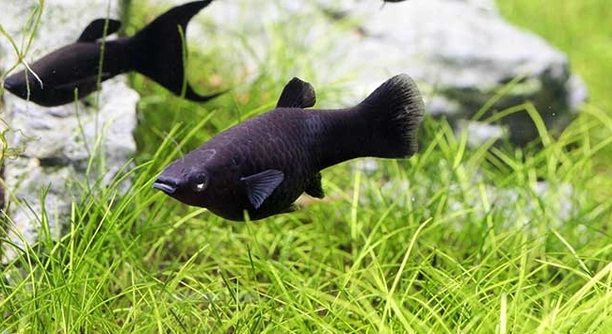
Many aquarists notice that young fish sometimes stay close to their hiding spots instead of exploring the tank. This behavior can feel worrying, especially when you want your fry to grow confident and active in their environment.
When fry refuse to explore, it is often a response to stress, environmental changes, or inadequate tank conditions. Limited movement may indicate that the fry feel unsafe, are experiencing poor water quality, or are not yet fully developed to venture freely.
Observing these behaviors closely can help you make small adjustments that improve comfort, health, and growth, ensuring your fry become more active over time.
Common Reasons Fry Stay Hidden
Young fish often remain near plants or decorations because they feel vulnerable. Sudden changes in water temperature, pH, or light can make them hesitant to leave their hiding spots. In many cases, fry are simply learning to navigate the tank, and their instincts push them toward safety. Overcrowding or aggressive tankmates can also make fry nervous, limiting their movement. Observing their behavior over time is key, as some fry will gradually become more confident once they recognize the environment as safe. Providing gentle water flow, stable lighting, and secure areas to hide can reduce stress. It is also helpful to ensure they have access to adequate food without competition, so they do not feel threatened when exploring. Patience and careful monitoring of water conditions can support their natural development and help them grow into active, healthy fish that freely explore their habitat without fear.
Hiding is often a response to environmental stress or perceived threats. Fry need a safe, stable tank to feel comfortable.
Monitoring water quality, controlling tank conditions, and arranging safe spaces can gradually encourage exploration. Slowly introducing changes helps fry adjust without fear.
How Tank Setup Affects Exploration
The design of the tank can significantly influence fry activity. Dense decorations or lack of open swimming space can make fry reluctant to leave hiding spots. Fry are sensitive to sudden changes in light and water movement, so a carefully balanced setup helps them feel secure. Using plants, rocks, and soft substrate provides both cover and pathways for gradual exploration. The temperature and pH should remain consistent, as fluctuations can create stress that keeps fry stationary. Even subtle noises or vibrations near the tank may make them cautious. Offering small, frequent feedings near open areas encourages movement while reducing competition. Over time, as fry learn the tank layout and associate it with safety and food availability, they become more willing to explore freely. A stable environment combined with thoughtful placement of hiding spots and open zones promotes natural behavior and supports healthy growth in the early stages of development.
Tank layout directly impacts fry behavior and confidence, shaping how they explore or hide in their environment.
Feeding and Fry Activity
Fry often stay hidden when they feel unsafe during feeding. Small, frequent meals near open areas can encourage them to explore while reducing stress and competition.
Providing appropriately sized food is crucial. Overfeeding or using large particles can leave fry unable to eat comfortably, increasing hesitation. Observing how they respond to food helps determine the best approach. Offering live or finely crushed foods encourages natural hunting instincts and movement. Keeping feeding consistent and gentle prevents sudden disturbances that might scare fry back into hiding. Fry gradually associate the area with food and safety, which boosts confidence to swim in open spaces. Adjusting feeding times and amounts based on fry behavior supports both health and activity.
Fry may also respond to the placement of food. Dropping food in open areas can slowly teach them to venture out from hiding, reinforcing exploration habits while meeting nutritional needs effectively.
Recognizing Stress Signals
Fry showing rapid gill movement, clamped fins, or staying in corners indicate stress. Maintaining stable conditions is key to reducing these signs.
Stress can result from water quality issues, aggressive tankmates, or frequent disturbances near the tank. Monitoring temperature, pH, and ammonia levels daily helps prevent harmful conditions. Providing secure hiding spots while gradually encouraging open swimming reduces anxiety. Sudden changes in lighting or tank cleaning schedules can cause visible stress behaviors. Observing fry regularly allows early intervention, preventing long-term health problems. A calm environment and minimal handling support natural development. Stress management promotes consistent growth, active behavior, and stronger immune systems, allowing fry to explore their habitat confidently over time.
Even small adjustments, like gentle water flow or rearranging decorations for safer pathways, can significantly reduce stress and encourage fry to move more freely.
Water Quality and Fry Behavior
Fry are highly sensitive to water conditions. Poor water quality can make them stay hidden, refusing to explore. Maintaining proper filtration, temperature, and pH stability is essential for encouraging activity.
Regular water testing and partial water changes help prevent stress. Even small imbalances can make fry hesitant to swim freely.
Tank Mates and Their Influence
The presence of larger or aggressive fish can limit fry movement. Fry instinctively avoid potential threats, preferring corners or dense plants. Keeping fry in a separate, peaceful section reduces fear and allows them to explore at their own pace. Introducing compatible tank mates gradually ensures fry feel secure.
Light and Environmental Comfort
Harsh or sudden lighting can make fry anxious. Soft, consistent light encourages natural activity without triggering hiding instincts.
Encouraging Gradual Exploration
Placing food near open areas and minimizing disturbances helps fry gain confidence. Gradual exposure to the tank environment promotes healthy growth and active behavior.
FAQ
Why do my fry hide most of the time?
Fry instinctively hide to feel safe. New environments, aggressive tankmates, or sudden changes in light and water can trigger this behavior. Providing plenty of plants, gentle water flow, and stable conditions helps them gradually become more confident. Over time, they will start exploring when they feel secure.
How can I encourage my fry to explore more?
Small, frequent feedings placed in open areas are effective. Keeping water stable and providing soft lighting also helps. Gradually rearranging hiding spots to create open pathways gives fry a sense of safety while promoting natural movement around the tank.
Can water quality affect fry exploration?
Absolutely. Fry are highly sensitive to ammonia, nitrite, pH swings, and temperature changes. Poor water quality causes stress, leading to hiding and minimal movement. Regular testing, proper filtration, and partial water changes are essential to maintain safe, comfortable conditions that encourage activity.
Do tankmates influence fry behavior?
Yes. Larger or aggressive fish make fry fearful, keeping them in corners or dense plants. Using a separate section for fry or choosing peaceful, compatible tankmates allows them to explore safely. Fry gradually gain confidence once they feel they are not threatened.
What types of food encourage fry to move?
Live foods or finely crushed flakes stimulate natural hunting instincts and encourage swimming. Dropping food near open areas helps fry associate exploration with safety and nourishment. Avoid overfeeding, as leftover food can deteriorate water quality and increase stress.
How does lighting impact fry activity?
Harsh or sudden lighting can make fry anxious, causing them to hide. Soft, consistent lighting creates a calm environment that encourages natural swimming and exploration without startling them. Adjusting lighting gradually helps fry adapt without stress.
How long will it take for fry to start exploring freely?
Timing varies depending on species, tank conditions, and individual temperament. Some fry may explore within days, while others take weeks. Consistent water quality, proper feeding, and a safe environment accelerate confidence and activity levels.
Are there signs my fry are too stressed?
Yes. Rapid gill movement, clamped fins, or constant hiding indicate stress. Stress can lead to slower growth and weakened immunity. Observing behavior and making gradual improvements to the environment ensures fry remain healthy and active.
Should I handle fry to encourage exploration?
Handling fry is generally harmful. It increases stress and can damage their delicate bodies. Instead, focus on improving tank conditions, providing secure hiding spots, and encouraging exploration through food placement and environmental adjustments.
Can overcrowding affect fry activity?
Overcrowding creates competition for food and increases stress, causing fry to hide more. Ensuring appropriate tank size and stocking density allows fry to explore without constant threats, leading to healthier, more active development.
How important is temperature consistency for fry behavior?
Extremely important. Sudden temperature changes can stress fry, causing hiding and limited activity. Maintaining stable, species-appropriate temperatures promotes confidence, growth, and overall health, allowing fry to explore naturally.
Can rearranging tank decorations help fry explore?
Yes. Gradually rearranging plants and hiding spots creates open pathways, encouraging movement while maintaining a sense of safety. Fry adapt to the new layout over time, building confidence in open areas and improving overall activity levels.
What should I do if fry never explore?
Review water quality, tank layout, lighting, feeding, and tankmate compatibility. Sometimes species-specific behavior may naturally include cautiousness. Making small, consistent adjustments while monitoring stress signals helps create conditions that encourage gradual exploration.
Final Thoughts
Observing fry that refuse to explore can be concerning, but it is often a normal part of their early development. Fry are naturally cautious, and hiding helps them feel safe while they adapt to a new environment. Instincts play a large role in their behavior, and even small stressors such as sudden movements, changes in water conditions, or the presence of other fish can keep them in hiding. Maintaining stable tank conditions, including temperature, pH, and ammonia levels, is essential for helping fry feel secure. Simple actions like providing plants or soft substrate for hiding, arranging open swimming areas, and keeping lighting gentle allow fry to gradually gain confidence. Over time, as fry learn the tank is safe and food is reliably available, they begin exploring more actively. It is important to remember that progress can be slow and varies among species and individual fry, so patience is key.
Feeding routines also have a significant impact on fry activity. Offering small, frequent meals encourages movement and helps fry associate open areas with safety and nourishment. Live foods or finely crushed flakes can stimulate natural hunting behavior, which not only improves activity but also supports healthy growth and development. Avoid overfeeding, as leftover food can affect water quality, creating stress that drives fry back into hiding. Placement of food near open areas is a simple yet effective way to encourage fry to leave their shelters without feeling threatened. Over time, fry that initially appear timid can develop more confidence in swimming freely. Creating a balance between providing hiding spots and open areas ensures fry feel safe while learning to explore, giving them the best opportunity to grow into healthy, active fish.
Environmental management and stress reduction are equally important. Tankmates, water flow, and tank layout influence fry behavior. Aggressive or larger fish can intimidate fry, while overcrowding limits movement and increases stress. Gradually introducing compatible tankmates and carefully arranging decorations can make a significant difference. Soft, consistent lighting reduces anxiety and promotes natural activity, while gentle water movement prevents fry from being startled. Regular monitoring of fry behavior and water quality allows for early detection of stress, helping prevent long-term issues. By understanding the factors that influence fry behavior and making deliberate adjustments, caretakers can create a secure, comfortable environment that encourages exploration and healthy development. Even small improvements in tank management can lead to noticeable changes in fry confidence and activity, making it easier to support their growth into strong, active fish.

Hello,
If you enjoy the content that we create, please consider saying a "Thank You!" by leaving a tip.
Every little bit helps us continue crafting quality advice that supports the health, happiness, and well-being of pets around the world, for pets of all shapes, sizes, and species.
We really appreciate the kindness and support that you show us!