
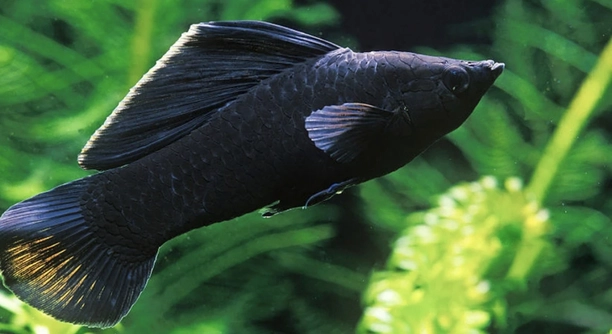
Is your black molly gasping after meals and leaving you worried about its health? Observing your fish closely can help you notice early signs of stress or discomfort. Understanding its behavior is important for proper care.
The most common reasons a black molly gasps after eating include overfeeding, poor water quality, or digestive issues. Ensuring balanced feeding, regular water changes, and monitoring tank conditions can prevent respiratory distress and promote overall fish health.
Paying attention to feeding habits and tank maintenance can help your molly thrive. Proper care ensures a healthier, more active fish in your aquarium.
Common Causes of Gasping in Black Mollies
Black mollies may gasp after eating for several reasons, often related to diet or tank conditions. Overfeeding is a frequent cause, as too much food can lead to bloating or digestive discomfort. Uneaten food can also decay, affecting water quality and oxygen levels. Low oxygen in the water makes it hard for your molly to breathe, which can result in gasping. Poor water conditions, including high ammonia or nitrite levels, place stress on the fish and can impact its gills. Additionally, sudden temperature changes or improper pH levels may irritate your molly’s respiratory system. Digestive issues, such as constipation from a diet lacking fiber, may create temporary distress after meals. Observing feeding behavior and monitoring water parameters can help identify the problem early. Consistent care reduces stress and ensures your molly remains healthy.
Addressing these factors promptly prevents gasping episodes and supports overall fish well-being.
Some gasping may also stem from sudden environmental changes. Regular water testing and careful feeding are essential for prevention.
Feeding Habits and Tank Maintenance
Overfeeding black mollies can easily lead to gasping. Small, measured portions prevent bloating and maintain proper digestion. Removing leftover food reduces waste and maintains cleaner water, improving oxygen levels. Maintaining water temperature and pH within the recommended range keeps your molly comfortable.
Proper feeding practices, combined with consistent tank maintenance, are crucial for healthy fish. Monitoring water quality, changing water regularly, and providing a balanced diet will minimize stress and prevent respiratory issues. Avoid sudden changes in temperature or introducing new fish too quickly, as these can affect water chemistry and disturb your molly. Using a water testing kit helps detect ammonia, nitrite, and nitrate levels, ensuring your tank environment remains safe. Observing your molly’s eating patterns allows you to adjust feeding and prevent digestive problems. A well-maintained aquarium, coupled with careful feeding, creates a stable environment where your molly can thrive without gasping or showing signs of distress.
Signs of Digestive Issues
Digestive problems in black mollies often show as bloating, slow swimming, or gasping after eating. Constipation is common when diet lacks fiber or includes too much dry food. Observing your molly after meals can reveal these issues quickly.
Providing a diet rich in vegetables, like blanched spinach or zucchini, helps prevent constipation and improves digestion. Overfeeding can worsen digestive issues, so feeding small portions two to three times a day is ideal. Avoid high-fat or low-quality flakes that expand in the stomach. If your molly shows persistent gasping, gently fast it for a day or two and monitor water quality.
Maintaining a balanced diet is critical. Including occasional live or frozen foods, such as brine shrimp or daphnia, can aid digestion and provide enrichment. Observing feeding behavior ensures that digestive issues do not escalate into more serious health problems.
Impact of Water Quality
Poor water quality stresses mollies and can lead to gasping, lethargy, or fin clamping. Regular water testing prevents harmful chemical buildup and maintains a safe environment for your fish.
Keeping ammonia, nitrite, and nitrate levels low is essential. Frequent partial water changes, ideally 25% weekly, help stabilize water parameters. Using a reliable filtration system removes debris and promotes oxygenation. Temperature should remain consistent, generally between 75-82°F, and pH should stay near neutral. Sudden changes in these factors cause stress and respiratory difficulty. Monitoring these conditions ensures your molly can feed and swim without strain.
Oxygenation is particularly important. Air stones or gentle water movement improve oxygen levels, reducing gasping after meals. Observing your fish during feeding and rest periods helps detect early signs of stress. Consistent maintenance routines make a noticeable difference in your molly’s overall health, preventing both digestive and respiratory issues.
Overfeeding Risks
Overfeeding black mollies can quickly cause bloating and gasping. Small, controlled portions help prevent digestive stress and maintain water quality.
Excess food that sinks and decomposes reduces oxygen in the tank. Feeding only what your molly can finish within a few minutes protects both its health and the aquarium environment.
Oxygen Levels
Low oxygen levels in the tank force mollies to gasp at the surface. Proper aeration and circulation ensure they breathe comfortably. Regular water changes and the use of air stones maintain consistent oxygenation, reducing stress and supporting healthy feeding behavior.
Temperature Fluctuations
Sudden changes in water temperature can shock black mollies. Keeping a stable temperature prevents gasping and ensures normal metabolic function. Using a reliable heater or thermometer helps maintain the appropriate range, keeping your fish comfortable and active.
Stress Factors
Stress from overcrowding, aggressive tankmates, or excessive handling can trigger gasping. Minimizing disturbances and providing hiding spots helps your molly remain calm and healthy.
Why is my black molly gasping after eating?
Gasping after eating is often linked to overfeeding, digestive issues, or low oxygen levels. Overfeeding can cause bloating, making it hard for the fish to swim and breathe properly. Digestive problems, like constipation from a low-fiber diet, can also create discomfort. Poor water quality, with high ammonia or low oxygen, may force your molly to surface for air.
How can I prevent overfeeding?
Feed your molly small portions that it can finish in two to three minutes. Two or three feedings per day are usually enough. Avoid leaving uneaten food in the tank, as it decomposes and affects water quality, stressing your fish. Rotating diet items, such as vegetables, flakes, and occasional live foods, helps maintain proper digestion.
What foods help with digestion?
Blanched vegetables like zucchini, spinach, or peas can prevent constipation and improve digestion. Occasional live or frozen foods, such as daphnia or brine shrimp, provide fiber and enrichment. Avoid low-quality, high-fat flakes that expand in the stomach. Adjust feeding based on how your molly responds after meals.
How important is water quality?
Water quality is critical. Ammonia, nitrite, and nitrate levels must be monitored regularly. Partial water changes of 20–25% weekly help maintain safe conditions. Proper filtration removes debris and supports oxygenation. Stable temperature and pH prevent stress. A healthy environment allows your molly to feed comfortably without gasping.
Can low oxygen cause gasping?
Yes, low oxygen is a common cause of surface gasping. Proper aeration through air stones or gentle water circulation increases oxygen levels. Monitoring oxygen and maintaining clean water reduces respiratory stress. Gas exchange at the water surface should not be constant if conditions are optimal.
Does tank size matter?
Smaller tanks with limited water volume are more prone to oxygen fluctuations and waste buildup. Providing adequate space and avoiding overcrowding ensures your molly can swim freely and breathe without difficulty. Overcrowding also increases stress, making gasping more frequent.
How does temperature affect my molly?
Temperature fluctuations stress fish and can trigger gasping. Black mollies thrive between 75–82°F. A reliable heater and thermometer help maintain consistent conditions. Sudden drops or spikes can affect metabolism, digestion, and oxygen uptake, increasing the likelihood of respiratory distress.
What role does stress play?
Stress from aggressive tankmates, overcrowding, or frequent handling can lead to gasping. Providing hiding spots, calm surroundings, and predictable routines reduces stress. Stress weakens the immune system, making mollies more susceptible to digestive and respiratory problems.
When should I consult a veterinarian?
If gasping continues despite proper feeding, water maintenance, and stable conditions, a veterinarian specializing in fish can help. Persistent bloating, lethargy, or abnormal swimming may indicate underlying illness, parasites, or infections that require professional care.
Can fasting help my molly?
Short fasting periods of one to two days can relieve minor digestive issues. Avoid prolonged fasting, as mollies need regular nutrition. Use fasting to monitor improvement and ensure that gasping decreases before resuming normal feeding.
How often should I clean the tank?
Regular cleaning prevents waste buildup, ammonia spikes, and oxygen depletion. Partial water changes of 20–25% weekly are ideal. Vacuuming the substrate and maintaining filtration supports a stable environment, reducing the risk of gasping after meals.
Are live plants beneficial?
Live plants improve oxygenation and provide hiding spots, which reduce stress. Plants absorb excess nutrients, helping maintain water quality. This natural support helps mollies breathe comfortably and stay healthy in the long term.
What should I do if gasping occurs suddenly?
Check water parameters immediately. Ensure oxygen levels are adequate and temperature is stable. Remove uneaten food and observe the fish for signs of digestive issues or injury. Quick action often prevents more serious complications and keeps your molly healthy.
How can I adjust feeding routines?
Feed smaller portions more frequently instead of one large meal. Rotate diet types to include fiber-rich vegetables and occasional protein sources. Monitor your molly’s behavior after eating to identify the right amount and type of food for its needs.
Can parasites cause gasping?
Internal parasites may affect digestion, leading to bloating and gasping. External parasites can irritate gills, reducing oxygen intake. Observing for unusual swimming, visible spots, or scratching against objects helps identify infestations early. Professional treatment is recommended when parasites are suspected.
Is tank maintenance different for multiple mollies?
Yes, more fish produce more waste and consume oxygen faster. Increase filtration, maintain larger water volumes, and perform more frequent water changes to prevent gasping due to poor conditions. Monitoring each fish’s behavior helps catch early issues.
How do I recognize improvement?
A healthy molly swims actively, eats normally, and does not gasp at the surface. Reduced bloating and normal breathing indicate successful intervention. Keeping consistent routines for feeding and maintenance ensures ongoing health.
Can aquarium additives help?
Some water conditioners improve oxygenation, detoxify ammonia, and support gill health. Use additives as directed and only when necessary. Overuse can harm fish or disrupt natural tank balance. They are a supplement, not a replacement for proper maintenance.
How long does recovery take?
Recovery depends on the cause. Minor digestive issues may improve in a day or two with fasting and proper feeding. Oxygen or water quality problems show results within hours after correction. Persistent illness may require professional treatment and several days to weeks of care.
What monitoring routine is best?
Check water parameters at least weekly, observe fish behavior daily, and adjust feeding accordingly. Track tank temperature, pH, and oxygen levels. Consistent monitoring allows early detection of problems and prevents gasping episodes from becoming serious health issues.
How do I prevent future episodes?
Balanced diet, controlled feeding, stable water conditions, proper aeration, and stress reduction are key. Regular observation ensures your molly remains comfortable and healthy. Preventative care is more effective than treatment after gasping occurs.
Black mollies are sensitive fish, and gasping after eating is a sign that something in their environment or diet may need attention. Many cases are related to overfeeding, which can cause bloating and digestive discomfort. Even small amounts of uneaten food can quickly affect water quality, reducing oxygen levels and creating stress. Observing your molly during and after feeding is an important habit, as it allows you to notice early signs of digestive or respiratory issues. A balanced diet, including fiber-rich vegetables and occasional live or frozen foods, supports proper digestion and reduces the likelihood of gasping. Feeding smaller portions at regular intervals instead of one large meal also helps prevent bloating and maintains a healthier tank environment.
Water quality plays a crucial role in a molly’s well-being. High ammonia, nitrite, or nitrate levels, low oxygen, or sudden temperature changes can all lead to respiratory stress. Regular partial water changes, proper filtration, and monitoring temperature and pH help maintain a stable environment. Adequate aeration through air stones or gentle water movement ensures that oxygen levels remain sufficient, which prevents your molly from struggling to breathe. Clean tanks and well-maintained conditions also reduce the risk of stress caused by overcrowding or aggressive tankmates. Stress, whether from poor water quality or environmental disturbances, weakens a molly’s immune system, making it more susceptible to digestive issues and other health problems. Consistent maintenance and attention to water parameters are essential for preventing gasping and promoting overall health.
Digestive health, water quality, and stress management all work together to keep black mollies comfortable and active. Fasting for a day or two can relieve minor digestive problems, and monitoring feeding habits helps prevent recurring issues. Observing your fish regularly for bloating, unusual swimming, or surface gasping allows you to act quickly before problems escalate. In some cases, persistent gasping may indicate parasites or other health concerns that require professional care. Providing hiding spots, maintaining proper water conditions, and offering a balanced diet create a supportive environment where your molly can thrive. Paying attention to these factors ensures your black molly remains healthy, active, and free from distress after eating, making your aquarium a stable and enjoyable space for your fish.

Hello,
If you enjoy the content that we create, please consider saying a "Thank You!" by leaving a tip.
Every little bit helps us continue crafting quality advice that supports the health, happiness, and well-being of pets around the world, for pets of all shapes, sizes, and species.
We really appreciate the kindness and support that you show us!