
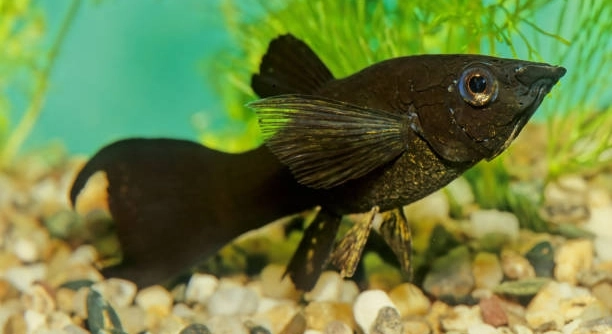
Do you enjoy keeping freshwater aquariums and find yourself observing the daily habits of your fish? Black Mollies are lively and captivating, often revealing behaviors that can help you better care for their environment. Their movement and placement in the tank offer subtle insights into their preferences.
Black Mollies typically prefer the middle to top levels of the aquarium. They are surface-oriented fish, actively swimming near the upper areas where oxygen levels are higher, and they often feed at the water’s surface, reflecting natural behavioral tendencies.
Observing these preferences will help you set up a tank that supports their natural swimming and feeding habits for a healthier, happier fish.
Understanding Black Molly Tank Preferences
Black Mollies naturally spend most of their time in the upper half of the tank. They are surface-oriented fish, often swimming near the top where oxygen levels are higher and light is more prominent. In a well-maintained aquarium, you may notice them exploring plants, decorations, and open spaces near the surface. While they can occasionally be found near the middle or lower levels, this usually happens during feeding or when hiding from sudden disturbances. Observing your Mollies over time will help you understand how they interact with their environment, including areas they frequent for resting, playing, or socializing with other tank mates. Tank setup, water quality, and the presence of hiding spots also influence where Mollies prefer to spend their time. A stable, clean tank encourages natural behaviors, ensuring the fish remain active and healthy while giving you the opportunity to enjoy their dynamic movement patterns throughout the aquarium.
Providing open areas near the top encourages natural swimming patterns and allows them to thrive comfortably.
Mollies are surface feeders, so floating foods attract them easily. Incorporating live or dried foods at the upper levels can keep them active and engaged. Plants and gentle currents support exploration and provide natural resting spots. Avoid overcrowding to reduce stress, and maintain consistent water conditions. Observing their preferences over several weeks helps you adjust tank arrangements to suit their habits. Social dynamics also play a role, as Mollies feel more confident when in small groups. Ensuring adequate space at top levels while balancing hiding areas throughout the tank helps them establish routines. Filtration and aeration should support surface activity, as Mollies tend to stay near oxygen-rich water. Careful placement of decorations can prevent competition and reduce territorial disputes. Over time, recognizing patterns in swimming, feeding, and resting will allow you to optimize the tank for their well-being and enhance your enjoyment of their playful, lively behavior.
Adjusting Tank Setup for Comfort
Observation is key to creating a comfortable environment for Black Mollies.
Adjustments should focus on maintaining water quality, oxygen levels, and accessible feeding areas. Mollies thrive in aquariums with mid to top-level space for swimming and surface feeding. Adding floating plants and decorations creates natural resting points and encourages exploration. Avoid cluttered lower areas that may limit movement. Regular cleaning and water testing ensure a healthy environment. Adequate filtration and gentle currents keep the water well-oxygenated, supporting surface activity. Temperature stability is crucial, as sudden changes can alter swimming behavior. Lighting should mimic natural daylight patterns to promote activity during the day while providing shaded areas for rest. By observing the fish’s movement and adjusting tank elements accordingly, you can create a habitat that satisfies their natural tendencies. Gradually, Mollies will establish comfortable routines and interact confidently within their environment, making tank management simpler. A thoughtfully arranged aquarium not only supports their health but enhances the visual appeal and enjoyment of watching their dynamic behavior daily.
Feeding Habits of Black Mollies
Black Mollies often feed at the top of the tank. They are attracted to floating foods, flakes, and small pellets. Surface feeding keeps them active and ensures they receive adequate nutrition while maintaining their natural behavior patterns.
Offering a mix of flake foods and occasional live or frozen options helps maintain a balanced diet. Mollies prefer smaller portions spread throughout the day rather than one large feeding. Observing how quickly they consume the food at the surface can help prevent overfeeding, which may lead to water quality issues. By adjusting feeding frequency and portion size, you can encourage healthy growth, reduce stress, and maintain a clean tank environment for all inhabitants.
It’s important to monitor how different foods affect their swimming and activity levels. Mollies respond well to a varied diet, including plant-based options. Including vegetables like blanched spinach or zucchini supports digestion and overall health. Feeding at consistent times each day encourages routine and helps them feel secure in their environment. Over time, you will notice which foods they prefer and how they interact during feeding, allowing you to optimize their nutrition while keeping them engaged and active in the upper levels of the tank.
Social Behavior and Tank Mates
Black Mollies are social fish that thrive in groups of at least three to five. Their activity and comfort increase when they have companions to swim with and interact with.
Choosing compatible tank mates is important to maintain harmony. Mollies do well with other peaceful species that occupy similar water conditions. Avoid aggressive or overly territorial fish that may stress them. When introducing new fish, monitor interactions closely to ensure they are accepted without conflict. A well-planned community setup allows Mollies to display natural behaviors like schooling, exploring, and surface feeding. Proper space, hiding spots, and minimal competition for food reduce stress and encourage confident, lively activity in the tank.
Water Conditions for Black Mollies
Black Mollies prefer slightly alkaline water with stable pH levels. Temperature should remain between 75°F and 82°F to support active swimming and overall health. Proper water hardness is also important for their well-being.
Regular water changes help maintain cleanliness and prevent harmful buildup. Filtration should provide gentle circulation without creating strong currents that stress the fish.
Tank Size Considerations
A minimum of 20 gallons is recommended for a small group of Black Mollies. Larger tanks provide more swimming space and reduce stress. Adequate surface area supports their top-level activity and encourages natural behavior. Decorations and plants should leave open swimming areas while offering resting spots.
Observing Behavior Patterns
Mollies often swim in groups near the top but explore other levels occasionally. Watching their daily patterns helps you adjust tank setup for comfort.
Common Stress Factors
Overcrowding, sudden temperature changes, and aggressive tank mates can stress Mollies. Identifying and reducing these factors keeps them active and healthy.
FAQ
Do Black Mollies only stay at the top of the tank?
No, Black Mollies are primarily surface swimmers, but they do explore middle and occasionally lower levels. They move around depending on feeding, hiding, or exploring their environment. Observing them over time helps understand individual patterns and preferred areas.
What type of food do Black Mollies prefer?
They favor floating flakes, pellets, and occasional live or frozen foods. Plant-based options like blanched spinach or zucchini support digestion. Feeding smaller portions multiple times a day helps maintain water quality and encourages natural surface feeding behavior.
How many Black Mollies should be kept together?
Mollies are social fish and thrive in groups of three to five or more. Small groups reduce stress, encourage natural schooling behavior, and make them more active and confident. Large tanks are better for bigger groups to prevent overcrowding.
Can Black Mollies live with other fish?
Yes, they do well with peaceful species that share similar water conditions. Avoid aggressive or territorial fish that may stress them. Proper planning of tank mates ensures harmony and allows Mollies to display natural behavior confidently.
What is the ideal tank size for Black Mollies?
A minimum of 20 gallons is recommended for a small group. Larger tanks provide more swimming space, reduce stress, and support top-level activity. Open swimming areas, combined with decorations or plants, create a balanced environment for exploration and resting.
How important is water quality for Mollies?
Water quality is crucial. Mollies thrive in slightly alkaline water with stable pH, moderate hardness, and temperatures between 75°F and 82°F. Regular water changes and gentle filtration maintain oxygen-rich conditions and a clean environment. Poor water quality can lead to stress and illness.
Do Mollies need hiding spots?
Yes, they benefit from hiding areas, such as plants or decorations. Hiding spots provide security during sudden disturbances, reduce stress, and allow natural resting behavior while keeping swimming areas open for active movement.
What signs indicate stress in Black Mollies?
Stress can show through sluggish swimming, hiding constantly, loss of appetite, or clamped fins. Overcrowding, poor water quality, sudden temperature changes, and aggressive tank mates are common causes. Adjusting the tank setup and maintaining stable conditions help reduce stress.
How often should Black Mollies be fed?
Feeding small portions two to three times daily is ideal. Consistent feeding routines support growth, maintain water quality, and prevent competition. Offering a variety of foods encourages balanced nutrition and keeps them active, particularly near the surface.
Do Mollies require special care during breeding?
Mollies are livebearers and can breed in a community tank if conditions are favorable. Providing dense plants or breeding traps protects fry from being eaten. Proper nutrition, stable water conditions, and adequate space encourage healthy reproduction.
Can Mollies adapt to different water conditions?
They are somewhat adaptable but prefer stable, slightly alkaline water with moderate hardness. Sudden changes in temperature, pH, or salinity can stress them. Gradual adjustments and monitoring ensure safe adaptation and long-term health.
How do I encourage natural swimming behavior?
Provide open areas at the top of the tank, floating plants, and gentle water flow. Avoid overcrowding and aggressive tank mates. Observing daily activity helps identify adjustments needed to support natural exploration and surface swimming.
Are Black Mollies active during the day or night?
They are primarily diurnal, meaning they are most active during daylight hours. Consistent lighting that mimics natural day and night cycles encourages regular activity, feeding, and interaction with tank mates while providing rest periods.
What maintenance helps keep Black Mollies healthy?
Regular water changes, temperature monitoring, and cleaning prevent harmful buildup. Adequate filtration, oxygenation, and observation of behavior patterns help maintain a healthy environment. Addressing stress factors quickly ensures longevity and active behavior.
Do Black Mollies interact with humans?
While they do not form bonds like mammals, they recognize feeding routines and may swim toward the surface during feeding. They display curiosity and can become lively and responsive to consistent interaction without being dependent.
Is tank decoration important for Mollies?
Yes, decorations and plants create hiding spots, resting areas, and open swimming space. Proper arrangement encourages natural behaviors, reduces stress, and enhances tank aesthetics while allowing the fish to establish territories without conflict.
How do I prevent overfeeding in Mollies?
Offer small portions that can be consumed in a few minutes. Observe feeding behavior and adjust quantities. Overfeeding leads to poor water quality, excess waste, and potential health issues, so moderation is key.
Can Mollies live in a community tank with shrimp or snails?
Yes, peaceful invertebrates like shrimp and snails usually coexist well with Mollies. Ensure ample space and hiding areas for both species. Mollies may investigate but generally do not harm non-aggressive tank mates.
How long do Black Mollies typically live?
With proper care, Black Mollies can live 3 to 5 years. Stable water conditions, a balanced diet, social groups, and minimal stress contribute to their longevity and active behavior in the tank.
What temperature fluctuations are safe for Black Mollies?
Small gradual changes of 1–2°F are generally tolerated. Sudden or extreme shifts can cause stress or illness. Maintaining a stable range between 75°F and 82°F supports activity, feeding, and overall health.
How do I identify a healthy Black Molly?
Healthy Mollies are active, swim confidently near the surface, show bright coloration, and display clear eyes and fins. Loss of appetite, dull colors, or lethargy indicates potential health issues that need attention.
Can Mollies adjust to different tank sizes over time?
They adapt slowly, but more space always benefits activity and social behavior. Crowded conditions increase stress, reduce swimming freedom, and can lead to health problems, so gradual upgrades are preferable.
What role do plants play in a Molly tank?
Plants provide shelter, resting areas, and surface coverage. Floating plants support surface swimming, reduce stress, and allow natural exploration. Dense plants protect fry and create a balanced, visually appealing environment while promoting active behavior.
How often should I test water parameters?
Regular testing, ideally weekly, ensures pH, hardness, and temperature remain stable. Consistent monitoring prevents stress, disease, and behavioral changes, allowing timely adjustments to maintain a healthy habitat for Mollies.
Can Black Mollies live in brackish water?
Yes, they tolerate slightly brackish conditions, but any salinity changes should be gradual. Avoid sudden shifts, and maintain proper levels for long-term health and active swimming behavior.
How can I tell if my Mollies are comfortable in the tank?
Active swimming near the top, regular feeding, social interaction, and bright coloration indicate comfort. Observing routines and minimizing stress factors ensures they remain confident and healthy in their environment.
What are common mistakes with Black Molly care?
Overcrowding, poor water quality, aggressive tank mates, inconsistent feeding, and sudden environmental changes are common issues. Addressing these factors supports their activity, health, and natural behaviors throughout the tank.
How do I introduce new Mollies to an existing tank?
Quarantine new fish first, then slowly acclimate them to the existing water conditions. Monitor interactions to prevent aggression, ensure adequate space, and provide hiding spots for smooth integration.
Are Mollies prone to specific diseases?
They can develop fin rot, ich, or internal infections if stressed or kept in poor water conditions. Maintaining stable parameters, proper nutrition, and clean tanks reduces the risk and supports recovery if illness occurs.
Do Mollies prefer certain lighting conditions?
Moderate lighting that mimics daylight encourages normal activity and feeding patterns. Avoid intense light that may stress them or harsh darkness that reduces exploration. A consistent day-night cycle supports their health and behavior.
How important is aeration for Mollies?
Aeration supports oxygen-rich water near the surface, which is crucial since Mollies spend most time at the top. Gentle water flow and proper oxygenation encourage active swimming and healthy behavior.
What is the best way to introduce live foods?
Offer small amounts at the surface and observe feeding. Live foods encourage natural hunting behavior, provide nutrition, and increase activity, especially near top levels.
Do Mollies need a varied diet?
Yes, combining flakes, pellets, live, and plant-based foods ensures balanced nutrition. Variety supports digestion, growth, and overall health, keeping them active and vibrant in the tank.
How can I tell if Mollies are stressed by tank mates?
Signs include hiding, chasing, or loss of appetite. Adjusting tank composition, providing hiding spaces, or separating aggressive fish reduces stress and promotes normal behavior.
Can Mollies tolerate colder water?
Temperatures below 70°F can slow activity and reduce feeding. They thrive best between 75°F and 82°F. Gradual changes outside this range may cause stress or illness.
Are Black Mollies good for beginners?
Yes, with proper tank setup, stable water conditions, and basic care knowledge, they are hardy and adaptable, making them suitable for first-time fishkeepers. Consistent observation ensures their comfort and health.
Do Mollies interact with other Black Mollies?
They are social and often swim together in small groups. Schooling reduces stress, encourages natural behavior, and increases surface activity while creating dynamic movement patterns in the tank.
How often should I clean the tank?
Partial water changes weekly and removal of debris from the substrate maintain cleanliness. Over-cleaning can disturb beneficial bacteria, so balance is key for health and comfort.
Do Mollies need supplemental vitamins or minerals?
A balanced diet usually provides sufficient nutrients. Occasional supplements can support growth or breeding but are generally unnecessary if proper feeding routines are maintained.
How do I prevent aggression in a Molly tank?
Maintain proper group sizes, avoid overcrowding, choose compatible tank mates, and provide hiding spots. Stress reduction ensures peaceful social behavior and active surface swimming.
What is the best substrate for Black Mollies?
Fine gravel or sand works well, supporting plants and natural movement. Avoid sharp substrates that may damage fins or reduce comfortable swimming areas near the surface.
Can Mollies tolerate tap water?
Yes, if treated to remove chlorine or chloramine. Testing pH, hardness, and temperature ensures safe conditions and promotes healthy, active behavior throughout the tank.
Do Mollies prefer planted or bare tanks?
Planted tanks offer shelter, resting areas, and exploration opportunities. Open swimming areas are also important, so a balanced mix of plants and space supports natural behavior.
How can I encourage breeding behavior?
Provide stable water conditions, a balanced diet, and hiding areas for fry. Healthy, comfortable fish are more likely to breed and display natural behaviors in the upper levels of the tank.
Can Mollies live in small tanks temporarily?
Short-term survival is possible, but limited space increases stress, reduces activity, and may impact health. Gradual upgrading to larger tanks is recommended for long-term well-being.
Are Black Mollies sensitive to noise or vibration?
Yes, sudden loud noises or vibrations can startle them and cause stress. Placing the tank in a stable, quiet area supports confidence and regular swimming patterns.
Do Mollies need a night-time cover?
Dim lighting or shaded areas at night allow resting behavior. Consistent day-night cycles prevent stress and support overall health.
How do I identify aggressive behavior?
Chasing, nipping fins, or territorial displays indicate aggression. Separating aggressive individuals or adjusting tank composition helps maintain peace and normal activity for the group.
Can Mollies adapt to slightly different pH levels?
Gradual adjustments within their preferred slightly alkaline range are tolerated. Sudden shifts can stress them and reduce feeding, activity, and natural behavior patterns.
Do Mollies require any special equipment?
Standard aquarium essentials like a filter, heater, thermometer, and proper lighting are sufficient. Additional aeration or floating plants improves comfort but is not strictly required.
How long do Black Mollies take to acclimate to a new tank?
They typically adjust within a few days to a week, depending on water stability and tank conditions. Observing behavior ensures they are settling comfortably.
What is the best way to monitor health?
Regular observation of swimming patterns, feeding, coloration, and interactions with tank mates provides early indicators of stress or illness. Prompt action supports long-term health and activity.
Can Mollies tolerate low oxygen levels?
No, they prefer oxygen-rich water near the surface. Proper aeration and water circulation are necessary to maintain active swimming and overall well-being.
Do Mollies benefit from tank mates of the same size?
Yes, similar-sized fish reduce competition and stress. Smaller or much larger tank mates may cause conflict or limit access to preferred swimming and feeding areas.
How often should I trim plants in a Molly tank?
Regular trimming prevents overcrowding, maintains open swimming space, and provides balanced shelter. Proper maintenance supports surface activity and natural exploration.
Can Mollies live with bettas?
Caution is needed. Betta aggression may stress Mollies, especially in confined spaces. Observation and tank setup adjustments are essential if housed together.
Are Mollies sensitive to water chemicals?
Yes, chlorine, chloramine, and heavy metals can harm them. Using treated water and testing parameters ensures safe, stable conditions for healthy behavior.
Do Mollies need a varied environment?
Yes, a mix of open areas, plants, and decorations encourages natural swimming, surface feeding, and exploration while reducing stress and boredom.
How can I improve surface swimming space?
Keep the top layer clear of clutter, avoid dense floating plants covering the entire surface, and provide gentle water flow to maintain oxygen levels for active behavior.
Do Mollies interact with other species during feeding?
Yes, they often compete politely for surface food but generally do not harass non-aggressive species. Feeding routine and space allocation reduce conflict.
How important is lighting for color display?
Moderate lighting enhances coloration and encourages surface activity. Proper intensity without stress promotes natural behavior and visual vibrancy.
Can Mollies survive in unheated tanks?
They tolerate slightly cooler water but remain less active. Maintaining a heater within their preferred temperature range supports consistent swimming, feeding, and social behavior.
Do Mollies prefer calm or slightly flowing water?
Gentle currents are beneficial, simulating natural habitats. Strong flows can cause stress, while calm water without oxygenation may reduce activity near the surface.
How do I know when a Molly is sick?
Signs include lethargy, loss of appetite, color fading, or abnormal swimming. Early detection and water adjustments improve recovery chances.
Are Mollies sensitive to sudden light changes?
Yes, abrupt light shifts can startle them. Gradual changes and consistent day-night cycles maintain comfort and regular behavior.
How can I safely introduce new plants?
Rinse thoroughly and quarantine if needed to avoid pests or chemicals. Introduce gradually to maintain stable water conditions and prevent stress.
Do Mollies require specific water hardness?
Moderate hardness supports health and natural behavior. Extreme softness or hardness can stress them, so maintaining balanced levels is important.
How often should I observe behavior?
Daily observation helps detect stress, illness, or environmental issues early. Noticing patterns allows adjustments to maintain activity and comfort.
Can Mollies tolerate slightly salty water?
Yes, small amounts of salt are tolerated, especially in brackish conditions. Gradual adjustments are crucial to avoid stress or health issues.
Do Mollies need supplemental calcium?
Not typically, as a varied diet and proper water hardness supply sufficient minerals. Supplements are usually unnecessary unless breeding or deficiencies are observed.
How do I prevent fin damage?
Avoid sharp decorations and aggressive tank mates. Providing smooth surfaces and adequate swimming space preserves fin health while supporting normal behavior.
Can Mollies live in outdoor ponds?
In temperate climates, they can survive with stable water conditions and protection from predators. Monitoring temperature, oxygen, and shelter is essential for safety and activity.
Do Mollies need specific lighting schedules?
Yes, consistent day-night cycles encourage normal feeding, resting, and swimming patterns. Mimicking natural light promotes comfort and health.
How do I reduce aggression during feeding?
Spread food across the surface, provide multiple feeding points, and maintain group harmony. Avoid overcrowding to minimize stress and ensure everyone eats comfortably.
Are Black Mollies hardy fish?
Yes, with stable conditions, proper diet, and social groups, they are resilient, active, and display natural behaviors consistently in the tank.
How do I monitor water parameters effectively?
Use test kits weekly for pH, hardness, and temperature. Regular checks prevent stress, illness, and behavioral changes, ensuring a healthy, active environment for Mollies.
Can Mollies tolerate temporary neglect?
Short absences are manageable if the tank is stable, but prolonged neglect impacts water quality, feeding, and social behavior. Regular care is essential.
Do Mollies benefit from hiding areas even with a calm tank?
Yes, shelters reduce stress during disturbances, allow resting, and encourage natural behavior while maintaining open swimming space for activity.
How can I make feeding more engaging?
Offer a variety of foods at different spots near the surface. Live or floating foods encourage natural hunting and surface activity, keeping Mollies lively and healthy.
What common mistakes affect Molly behavior?
Overcrowding, poor water quality, aggressive mates, inconsistent feeding, and sudden environmental changes reduce activity, stress fish, and impact overall health. Observing patterns allows preventive adjustments.
How do I recognize a healthy social dynamic?
Active swimming, minimal chasing, synchronized feeding, and confident surface presence indicate harmonious social behavior and comfort within the group.
Can Mollies adapt to partial shade or dim tanks?
Yes, moderate shade is fine, but very low light can reduce activity and color vibrancy. Balanced lighting supports surface swimming and exploration.
Are Mollies compatible with goldfish?
Not ideal; differing temperature and water requirements can cause stress. They may survive temporarily but long-term coexistence is not recommended.
Do Mollies need routine water treatments?
Only as needed for chlorine, chloramine, or occasional disease prevention. Maintaining stable, clean water is more important than frequent chemical adjustments.
How important is tank lid coverage?
A lid prevents jumping and maintains stable environmental conditions, reducing stress and supporting confident swimming near the surface.
Do Mollies show personality differences?
Yes, individuals vary in activity, curiosity, and interaction. Observing patterns helps cater to specific preferences and ensure comfort for all fish in the tank.
Can Mollies live in low-light aquariums?
They tolerate low light but remain more active and show better coloration with moderate lighting. Proper balance is key for natural behavior and health.
How do I manage water temperature fluctuations?
Gradual adjustments using a reliable heater and thermometer help maintain stable conditions. Sudden shifts can stress Mollies
Black Mollies are lively and engaging fish that bring energy to any aquarium. Understanding their natural tendencies, such as preferring the middle to top levels of the tank, helps provide a comfortable and healthy environment. Observing their daily behavior can reveal subtle preferences for swimming, resting, and feeding areas, allowing you to adjust the tank layout accordingly. A well-planned aquarium with open spaces near the surface, gentle water flow, and stable water conditions supports their natural habits and encourages active swimming. When Mollies feel secure and well cared for, they are more likely to display confident and playful behaviors that enhance the overall aquarium experience.
Providing the right diet is equally important for maintaining their health and activity. Black Mollies are surface feeders, and offering floating flakes, pellets, and occasional live or frozen foods ensures balanced nutrition. Including plant-based options, like blanched vegetables, can support digestion and overall well-being. Feeding small portions multiple times a day helps prevent overfeeding and keeps the water clean. Observing how they respond to different foods can guide adjustments to portion sizes and feeding routines, making it easier to maintain a balanced diet while encouraging natural surface activity. Social interaction also plays a significant role in their comfort and behavior. Small groups reduce stress and allow Mollies to display natural schooling behaviors, while compatible tank mates ensure harmony and prevent aggression.
Maintaining stable water parameters, proper tank size, and clean conditions is essential for long-term health. Temperature, pH, and water hardness should be monitored regularly to prevent stress or illness, while regular water changes and adequate filtration maintain a safe and comfortable environment. Decorations, plants, and hiding spots create shelter and resting areas without limiting open swimming space, supporting natural movement and reducing stress. Paying attention to subtle behavioral signs, such as feeding patterns, swimming activity, and social interactions, helps identify any potential problems early. By carefully observing and adjusting the tank environment to meet the needs of Black Mollies, you create a balanced, dynamic, and engaging aquarium that promotes their well-being and allows them to thrive naturally.

Hello,
If you enjoy the content that we create, please consider saying a "Thank You!" by leaving a tip.
Every little bit helps us continue crafting quality advice that supports the health, happiness, and well-being of pets around the world, for pets of all shapes, sizes, and species.
We really appreciate the kindness and support that you show us!