
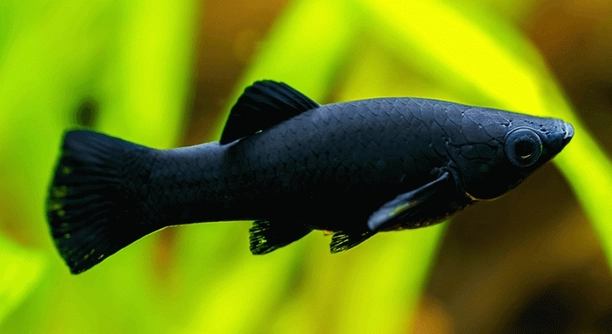
Are your black molly fish swimming in circles more than usual or showing signs of stress in their tank? Observing their behavior closely can reveal when their environment no longer meets their growing needs.
Black mollies require sufficient space to maintain health, growth, and social stability. When overcrowded, they exhibit stunted growth, increased aggression, and irregular swimming patterns, indicating that their current aquarium is no longer adequate for their biological and behavioral requirements.
Recognizing these early signs helps ensure your fish thrive in a healthy, comfortable environment without risking long-term health issues.
Increased Aggression and Territorial Behavior
When black mollies start showing aggression, it often signals that their space is becoming limited. They may chase or nip at other fish more frequently than usual, sometimes even targeting slower or smaller tank mates. Territorial disputes increase because each fish needs its own area to feel secure. Overcrowding can cause stress, which affects both physical health and behavior. Stress can weaken their immune system, making them more prone to illness. You may also notice fish hiding constantly or refusing to eat when competition becomes intense. Observing these behaviors early is important to prevent serious injuries or fatalities. Adjusting the tank size or rearranging decorations to create visual boundaries can help temporarily, but ultimately a larger aquarium is the most reliable solution. Ensuring enough swimming space promotes harmony and reduces stress, allowing black mollies to grow and thrive properly without unnecessary conflict.
Aggressive behavior in black mollies is a strong indicator that their tank may be too small, signaling the need for a larger environment.
Making adjustments to accommodate their growth not only improves behavior but also supports their overall health. By increasing the space, you create a more balanced social structure, reduce stress, and allow each fish to establish a territory without constant confrontation. A larger tank provides areas for swimming, resting, and hiding, which are essential for their comfort and well-being. Neglecting to address aggression can lead to long-term issues, including stunted growth and weakened immunity. Providing proper space encourages natural behaviors like schooling and foraging while minimizing stress-related illnesses. By monitoring interactions closely and responding promptly, you ensure your black mollies maintain a healthy, peaceful environment where they can flourish, making the aquarium more enjoyable for both the fish and their caretaker.
Stunted Growth
When black mollies do not have enough space, their growth can slow down or stop entirely. Limited swimming room restricts exercise, affecting muscle development and overall size. Nutrient absorption may also be compromised when competition for food increases.
Stunted growth is a visible sign that your fish are outgrowing their current tank.
Providing an adequately sized tank allows black mollies to reach their full potential. Space impacts not only physical growth but also mental stimulation. Fish in cramped conditions often become lethargic or develop unusual swimming patterns. Overcrowding can disrupt feeding habits, leading to uneven nutrition among tank mates. A larger aquarium encourages more natural behaviors, reduces stress, and ensures that each fish can access food fairly. Tank size should be increased proportionally as the number of fish grows to maintain optimal conditions. Regular monitoring of growth rates and behavior helps identify when it is time for a larger environment, supporting healthier, more active, and longer-living black mollies.
Frequent Hiding Spots
Black mollies may spend more time hiding when their tank feels too crowded. They seek cover behind plants, decorations, or corners, avoiding other fish and reducing stress from constant interactions.
Frequent hiding is a behavioral response to limited space and competition. Overcrowded conditions force fish to find secluded areas, which can interfere with feeding and social interaction. Hiding too often may also signal stress or fear, which can weaken their immune system. When fish cannot swim freely, they experience both physical and mental strain. Ensuring enough open water and hiding spaces in a larger tank helps mollies feel secure while maintaining natural behaviors. Observing patterns of hiding can indicate whether their current environment meets their needs or if expansion is necessary.
Providing a balance of open swimming areas and protective cover encourages healthy exploration and reduces stress. As black mollies gain confidence, they engage more in normal activities, like schooling and feeding, which supports growth and vitality. Regularly rearranging decorations can create temporary boundaries, but sufficient overall space is essential to prevent persistent hiding and associated health problems.
Irregular Swimming Patterns
Black mollies may swim erratically or in unusual patterns when their tank is too small. They often dart quickly, circle repeatedly, or linger at the surface, indicating discomfort or stress.
Irregular swimming patterns occur when fish compete for space or feel confined. Limited room can cause collisions and disrupt natural movement, leading to exhaustion or injuries. Stress from overcrowding affects their metabolism, reducing appetite and impairing growth. Providing a larger tank allows mollies to swim comfortably, follow natural routes, and maintain proper health. Observing swimming behavior over time is critical to identify space-related stress before it leads to long-term problems.
Encouraging smooth, consistent swimming requires both adequate tank size and environmental enrichment. Open areas combined with strategically placed plants or décor offer visual boundaries without restricting movement. Adequate space promotes social balance, allowing black mollies to establish territory while remaining active and alert. Monitoring changes in swimming patterns provides valuable insight into their well-being and helps determine when it is time to expand their habitat. Proper swimming opportunities improve muscle development, reduce stress, and contribute to overall longevity.
Loss of Appetite
Black mollies may eat less when their tank becomes too crowded. Constant stress from limited space can reduce their interest in food, affecting growth and overall health.
A declining appetite is a warning sign that your fish are uncomfortable. Limited swimming room and competition for food can lead to malnutrition.
Rapid Fin Damage
Crowded tanks increase the likelihood of fins being torn or nipped. Continuous contact with other fish or sharp decorations causes visible damage and slows healing. Proper space is crucial to prevent ongoing fin deterioration and maintain the overall health of black mollies.
Constant Surface Breathing
Black mollies may spend more time at the water surface gasping for air when the tank is overcrowded. This behavior indicates low oxygen levels and insufficient swimming space. Observing surface breathing can signal the need to increase water volume or improve tank conditions to support their health.
How do I know if my black mollies need a bigger tank?
You can identify the need for a larger tank by observing behavior and growth. Signs include constant hiding, aggressive chasing, stunted growth, irregular swimming, or frequent surface breathing. If multiple indicators appear, it is likely time to upgrade their environment to support their health and reduce stress.
What tank size is suitable for black mollies?
A single black molly requires at least 10 gallons, with an additional 2–3 gallons per extra fish. Overcrowding can cause stress, disease, and behavioral problems. A larger tank allows free swimming, social interaction, and proper oxygenation, creating a stable, healthy environment for mollies to thrive.
Can I temporarily fix overcrowding without buying a new tank?
Temporary fixes include rearranging decorations to create visual boundaries and adding floating plants or hiding spots. While this may reduce stress, it cannot replace sufficient space. Long-term health and growth still require a properly sized tank to prevent persistent stress and associated problems.
Why are my black mollies chasing each other more than usual?
Increased aggression often stems from limited space. Crowding forces fish into constant contact, triggering territorial behavior and dominance struggles. Providing more room or adding visual breaks reduces stress and allows fish to establish personal territories, improving social harmony and decreasing injuries.
How does stunted growth relate to tank size?
When black mollies are confined, swimming limitations and increased stress can slow metabolism, impair muscle development, and limit nutrient absorption. Even with proper feeding, overcrowding restricts their ability to grow naturally. Expanding the tank ensures adequate space for movement and proper physiological development.
Is constant surface breathing a serious concern?
Yes, frequent surface breathing may indicate low oxygen or poor water circulation. Crowded tanks reduce water quality and limit oxygen distribution. Enhancing aeration or upgrading to a larger tank improves oxygen availability, reducing stress and promoting normal respiration. Monitoring this behavior is essential for long-term health.
Can fin damage heal on its own in a crowded tank?
Minor fin damage can repair naturally if stress and water conditions are managed. In overcrowded conditions, fins are likely to sustain repeated injury, slowing healing. A larger tank with adequate space and gentle water flow is necessary for fins to fully recover and prevent infection.
How often should I check for these signs?
Daily observation is recommended. Even small changes in behavior, feeding, or swimming patterns can indicate stress from inadequate space. Keeping notes of growth and interactions helps track progress and allows timely interventions before problems escalate.
Are decorations helpful for managing space issues?
Decorations provide temporary visual boundaries and hiding spots, which can reduce minor stress. However, they do not solve overcrowding or limited swimming room. Decorations should supplement, not replace, proper tank sizing to ensure mollies have adequate space for healthy growth and behavior.
What is the most effective solution for overcrowded black mollies?
The most effective solution is moving them to a larger tank. Adequate space supports proper swimming, reduces aggression, ensures fair feeding, and allows fish to develop normally. While temporary fixes help, only a properly sized tank can sustain long-term health and well-being for black mollies.
How do I transition black mollies to a bigger tank safely?
Introduce fish gradually, matching water temperature, pH, and hardness to prevent shock. Acclimate them slowly by floating the bag or using drip methods. Ensure the new tank has hiding spots and open swimming areas. Monitoring their behavior closely during the first days ensures a smooth adjustment.
Can overcrowding affect reproduction?
Yes, stress from limited space can disrupt breeding behavior, reduce fertility, and increase aggression toward fry. Providing ample space, calm water conditions, and proper nutrition encourages successful reproduction and increases fry survival rates in black mollies.
How do I prevent overcrowding in the future?
Plan tank size according to the number of fish and growth expectations. Regularly monitor growth rates and behaviors. Avoid impulsive additions and consider species compatibility. Proper planning ensures a stable, healthy environment and prevents long-term stress and behavioral issues.
Is water quality affected by overcrowding?
Overcrowding strains filtration, leading to higher ammonia, nitrite, and nitrate levels. Poor water quality increases stress, disease risk, and can hinder growth. Maintaining a larger tank with adequate filtration and regular water changes helps preserve optimal conditions and fish health.
What is the relationship between swimming space and stress?
Limited swimming space forces black mollies into constant contact, increasing stress and aggression. Sufficient open areas allow natural movement, reduce conflict, and support mental and physical health. Stress-free environments encourage feeding, growth, and social stability, which are vital for long-term well-being.
How quickly do black mollies show signs of overcrowding?
Signs can appear within days to weeks, depending on tank size, fish number, and environmental conditions. Some behaviors, like hiding or aggression, appear first, while growth or fin issues develop more slowly. Early detection and intervention prevent long-term health problems and support normal development.
Does temperature or filtration influence overcrowding effects?
Yes, higher temperatures increase metabolism and oxygen demand, exacerbating overcrowding stress. Inadequate filtration leads to poor water quality, compounding stress and illness risk. Proper temperature management and efficient filtration mitigate some effects but cannot replace adequate swimming space.
How important is monitoring behavior compared to water parameters?
Behavioral observation often provides the first signs of overcrowding before water parameters reach critical levels. Watching feeding habits, swimming patterns, aggression, and hiding gives a practical assessment of space adequacy. Combined with water testing, it ensures a balanced, healthy environment for black mollies.
Can smaller tanks ever work for adult black mollies?
Smaller tanks may temporarily house juveniles, but adult black mollies require larger space for proper swimming, growth, and social interaction. Long-term confinement in small tanks leads to stress, disease, and reduced lifespan. Planning for adult size ensures lasting health and reduces management challenges.
What signs indicate that mollies have adjusted to a new, larger tank?
They swim freely with smooth patterns, feed eagerly, interact socially without constant aggression, and use hiding spots appropriately. Growth resumes normally, and surface breathing decreases. Observing these positive changes confirms that the new tank meets their physical and behavioral needs, ensuring ongoing health and comfort.
Black mollies are active and social fish that need enough space to swim, grow, and interact safely. When their tank becomes too small, it affects more than just their behavior. Crowding increases stress, which can lead to health issues such as stunted growth, fin damage, and weakened immunity. Observing how your mollies behave daily helps you notice early signs of overcrowding, such as hiding, aggressive chasing, irregular swimming, and surface breathing. By paying attention to these signals, you can take steps to improve their environment before stress or illness becomes a serious problem. Ensuring your fish have room to move freely is essential for maintaining both their physical and mental health, making them more active, vibrant, and healthy over time.
Providing an appropriately sized tank is one of the most effective ways to support black mollies. A larger aquarium not only reduces stress but also encourages natural behaviors like schooling, exploring, and interacting peacefully. Adequate space allows each fish to establish its own territory, which minimizes conflict and prevents injuries caused by constant contact with tank mates. It also improves water circulation and oxygen distribution, which are vital for overall health. Even with decorations and plants, a cramped tank cannot fully replace the benefits of sufficient swimming space. For long-term care, planning for the adult size of your fish is important because black mollies continue to grow and thrive better when they are not restricted by a small environment.
Taking care of black mollies involves more than feeding and cleaning the tank. It requires careful observation, understanding their behavior, and anticipating their needs. By recognizing the signs of overcrowding early and providing a spacious, well-maintained tank, you give them a healthier and more comfortable life. Proper tank size improves growth, reduces stress, and enhances social interactions, which supports both physical and mental well-being. Creating the right environment ensures that black mollies remain lively, active, and beautiful additions to your aquarium. Maintaining these standards makes it easier to prevent problems before they develop, giving your fish the best chance to thrive for many years.

Hello,
If you enjoy the content that we create, please consider saying a "Thank You!" by leaving a tip.
Every little bit helps us continue crafting quality advice that supports the health, happiness, and well-being of pets around the world, for pets of all shapes, sizes, and species.
We really appreciate the kindness and support that you show us!