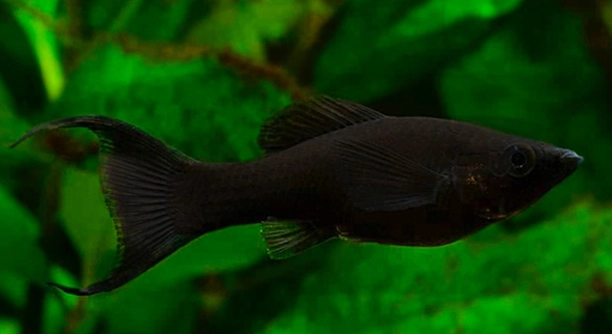
7 Reasons Black Molly Display Unusual Floating
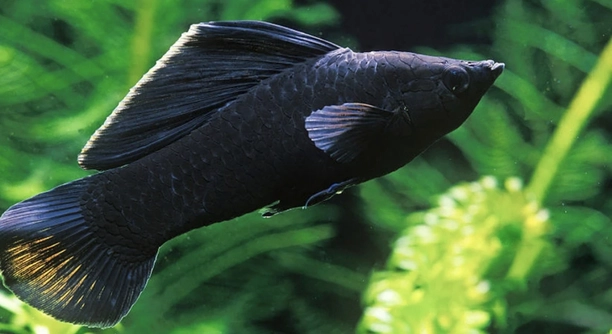
Have you ever noticed your black molly swimming oddly near the surface of the tank? Many owners spot this behavior and feel concerned about what it might mean for their fish’s health and comfort. Black mollies often float unusually due to swim bladder disorders, overfeeding, water quality issues, or infections. Changes in diet, temperature, or … Read more
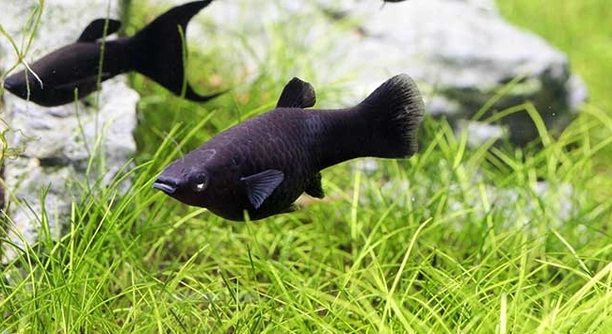
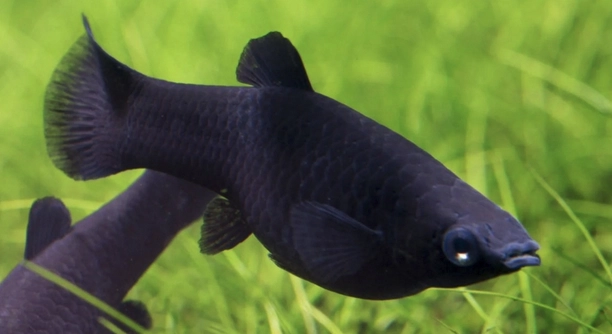
Why Is My Black Molly Scraping Against Decor?

Is your black molly constantly scraping against decorations in your aquarium? Observing this behavior can be concerning for many fish owners, as it may indicate underlying health or environmental issues affecting your pet’s comfort and wellbeing. Black mollies often scrape against decor due to irritation caused by parasites, poor water quality, or physical discomfort. This … Read more

7 Things That Slow Down Black Molly Growth

Do you ever notice your black molly swimming slowly or seeming smaller than expected? Many fish owners experience this and wonder why their molly’s growth isn’t keeping pace with others in the tank. Black molly growth can be slowed by several factors including inadequate diet, poor water quality, overcrowding, inconsistent temperature, lack of exercise, disease, … Read more

Can Black Molly Catch Illness from Other Species?

Have you ever cared for a black molly and wondered how interactions in a shared tank might influence its overall health, especially when surrounded by different species that each bring their own conditions and habits. Black mollies can contract illnesses from other species when pathogens circulate within a shared environment. Cross-species transmission occurs through contaminated … Read more

7 Observations That Show Black Molly Are Comfortable

Black mollies are gentle fish that often show their comfort in subtle ways. Observing their behavior in a calm tank can help you understand when they are at ease and feeling safe in their environment. Black molly comfort can be identified through their consistent swimming patterns, relaxed fins, and active interactions with other tank mates. … Read more

7 Reasons to Avoid Small Bowls for Black Molly

Are your Black Mollies confined to a small bowl that seems convenient but might not meet their needs? Many fish owners underestimate how much space these active creatures actually require to thrive. Keeping Black Mollies in small bowls can negatively impact their health and wellbeing. Limited space restricts swimming, reduces oxygen levels, and increases waste … Read more

7 Best Practices to Clean a Black Molly Tank

Caring for a black molly tank can seem simple at first, yet a clean environment supports healthier fish and a balanced aquatic space. A steady routine helps prevent stress and promotes growth in your tank. The best practices for cleaning a black molly tank involve consistent water changes, proper filtration maintenance, careful substrate vacuuming, and … Read more

How Often Should Black Molly Be Monitored?

Keeping Black Molly fish can be relaxing, but it takes some attention to keep them healthy and happy. Observing their behavior and environment regularly helps ensure they thrive in your aquarium. Small habits make a big difference. Black Molly fish should be monitored at least once daily to check water parameters, feeding behavior, and physical … Read more

Why Is My Black Molly Rubbing Its Body?

Is your black molly constantly rubbing its body against objects in the tank? This behavior can be surprising for many fish owners and may leave you wondering what it signals about your pet’s well-being. Observing these movements closely is important. Body rubbing in black mollies is often linked to irritation caused by parasites, poor water … Read more

Why Are My Black Molly Hovering Near Corners?

Black Mollies are popular freshwater fish, loved for their dark, shiny color and peaceful nature. Many owners notice them lingering near tank corners, which can seem unusual but is often linked to their environment and behavior patterns. Black Mollies often hover near corners due to stress, poor water quality, or lack of hiding spots. These … Read more