
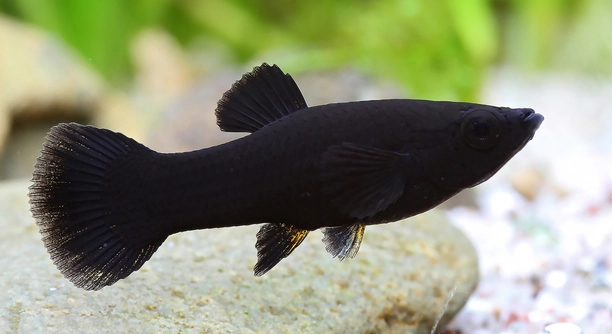
Keeping Black Molly fish can be relaxing, but it takes some attention to keep them healthy and happy. Observing their behavior and environment regularly helps ensure they thrive in your aquarium. Small habits make a big difference.
Black Molly fish should be monitored at least once daily to check water parameters, feeding behavior, and physical health. Regular observation helps detect illness, stress, or environmental issues early, supporting proper care and sustaining their long-term well-being.
Maintaining a consistent routine allows you to notice subtle changes and prevent potential problems before they become serious. This ensures your fish remain active, vibrant, and thriving in their tank environment.
Daily Monitoring Essentials
Checking on Black Mollies every day is an important habit for keeping them healthy. I usually start by observing their activity levels and swimming patterns. Healthy mollies swim smoothly and explore their environment, while lethargy or hiding can indicate stress or illness. Next, I examine their fins and scales for any discoloration, fraying, or white spots. These signs often appear before a disease fully develops, making early detection crucial. I also make sure the tank water looks clean and free from debris. Uneaten food should be removed promptly to prevent bacterial growth. Testing water parameters like temperature, pH, and nitrate levels daily ensures their habitat remains stable. I keep a small notebook nearby to jot down any observations. Consistency in daily checks not only supports their well-being but also builds a rhythm that makes tank maintenance easier. Over time, these small steps greatly improve fish health and longevity.
Daily observation helps catch problems before they worsen, saving both time and stress in the long run.
Consistency in care allows you to notice subtle shifts in behavior, appetite, and appearance. Even minor changes can indicate underlying issues. By monitoring regularly, you can adjust feeding, water conditions, or tank maintenance quickly. I’ve noticed that keeping the tank clean and stable makes mollies more active and vibrant. Observing their social interactions also gives clues about stress or overcrowding. This practice creates a calmer, healthier tank environment. By combining visual checks with water testing, potential problems are often prevented entirely. Daily notes of observations become a useful reference if any illness arises, allowing better decisions on treatment. Additionally, regular monitoring strengthens your understanding of their unique habits, making it easier to provide care tailored to their needs. Small, consistent actions like this reduce sudden surprises and ensure your Black Mollies remain healthy, active, and visually appealing.
Weekly Care Routine
A weekly review of tank conditions supports overall fish health. This includes cleaning filters, checking equipment, and performing partial water changes to maintain balance.
Weekly maintenance goes beyond daily checks, focusing on deeper cleaning and habitat stability. Removing accumulated debris from the substrate prevents ammonia spikes and keeps the water clear. I usually replace 20–30% of the water, which helps maintain consistent parameters and reduce stress. Inspecting equipment like heaters, filters, and air pumps ensures everything is functioning properly. Adjustments can be made if readings drift outside safe ranges. This weekly attention prevents long-term problems and keeps the tank environment consistent for the mollies. Observing interactions during cleaning also highlights any aggressive behavior or signs of illness, allowing interventions before conditions worsen. Keeping a predictable routine supports both the fish and my own ability to manage the tank efficiently, creating a healthier, more vibrant space. The combination of daily observation and weekly maintenance forms the backbone of responsible care, reducing the risk of illness while promoting strong, active fish.
Signs of Stress in Black Mollies
Stress in Black Mollies often shows through changes in behavior or appearance. I notice when my fish hide more than usual, swim erratically, or lose appetite. Faded colors and frayed fins are also key indicators that something in the tank needs attention.
When mollies experience stress, it can be caused by poor water quality, overcrowding, sudden changes in temperature, or aggressive tank mates. I pay attention to how they interact with each other, because constant chasing or nipping can elevate stress levels. Uneaten food can also lead to spikes in ammonia, further affecting their well-being. Identifying stress early allows for small adjustments, like rearranging decorations, adding hiding spots, or performing a partial water change, which often resolves the issue quickly. Maintaining consistent routines and stable tank conditions helps mollies feel safe and reduces stress over time.
Observing stress signs also helps prevent disease outbreaks. Weak fish are more prone to infections, so catching stress early allows me to respond before illnesses develop. This includes adjusting feeding schedules, monitoring water chemistry more closely, and sometimes separating affected fish temporarily. Over time, these practices make the tank environment calmer and healthier, resulting in more vibrant, active mollies that display natural behaviors. Regular observation ensures I can act quickly and keep their habitat safe and stable.
Feeding and Nutrition Monitoring
Proper feeding is essential for Black Mollies’ health. I track how much they eat daily and remove leftovers to prevent water quality issues.
I feed my mollies a balanced diet including flakes, pellets, and occasional live or frozen foods. Overfeeding can lead to obesity and poor water conditions, while underfeeding affects their growth and energy. Watching their feeding behavior daily helps me adjust portions and ensure every fish gets enough nutrition. I also observe for picky eaters or fish that seem less active during feeding, which can indicate health problems or stress. Rotating food types keeps them interested and supports overall health.
Monitoring nutrition goes beyond feeding amounts. I check for signs like bloating, uneven growth, or color changes, which can reveal deficiencies. I also ensure that supplements or fortified foods are introduced when necessary, especially for breeding mollies. Water quality is tied closely to feeding habits, so I perform partial water changes regularly to manage waste from food. By combining observation, careful portioning, and varied diet, I can maintain both the physical health and activity levels of my Black Mollies, ensuring they thrive in a stable, clean environment.
Water Quality Checks
I test my Black Mollies’ water regularly to ensure temperature, pH, and ammonia levels stay within safe ranges. Clean water is essential for their health, and even small changes can affect their behavior and appearance.
Filtration and partial water changes help maintain stability. I keep track of nitrate and nitrite levels weekly. This prevents sudden spikes that can stress the fish and trigger illness. Consistent monitoring creates a safer environment, keeping the mollies active and vibrant.
Tank Environment Adjustments
Adjusting the tank layout can reduce stress and encourage natural behavior. I add plants, hiding spots, and rearrange decorations when needed. Mollies respond positively to changes that mimic their natural environment, helping them feel secure and comfortable.
Health Monitoring
Daily observation includes checking fins, scales, and eyes for signs of disease. I also note swimming patterns and social interactions to catch problems early.
Recording Observations
Keeping a small journal of water parameters, feeding, and behavior trends helps me spot patterns over time. Tracking this information ensures I can respond quickly to any issues that arise.
FAQ
How often should I check my Black Molly’s water temperature?
I check the water temperature daily. Black Mollies thrive in stable conditions between 75°F and 82°F. Sudden drops or rises can stress them, making them more vulnerable to illness. Using a reliable thermometer helps me spot fluctuations quickly. If the temperature drifts, I adjust the heater or perform partial water changes. Daily checks take only a few minutes but prevent bigger problems later.
What signs indicate my Black Molly is sick?
Common signs include faded colors, clamped fins, rapid gill movement, and unusual swimming patterns. I also watch for loss of appetite or hiding more than usual. Spotting these signs early allows me to take action, like testing water quality or isolating affected fish. Regular observation helps catch illness before it spreads.
How much should I feed my Black Mollies?
I feed them small portions once or twice a day, enough for them to eat in about three minutes. Overfeeding leads to leftover food, which pollutes the tank and can cause stress or disease. Underfeeding can weaken their immune system. I rotate flakes, pellets, and occasional frozen foods to maintain balanced nutrition and keep them healthy.
Do I need to monitor their behavior daily?
Yes. Daily observation of swimming patterns and interactions helps me notice stress, aggression, or illness early. I watch for hiding, lethargy, or unusual chasing. Noting changes in behavior allows me to adjust the environment, feeding, or water parameters promptly. Regular monitoring strengthens their well-being and keeps the tank stable.
How important is water testing for Black Mollies?
Water testing is essential. I test pH, ammonia, nitrite, and nitrate levels regularly. Mollies are sensitive to poor water quality, which can lead to disease. By keeping these parameters in check, I ensure a safe environment. Testing weekly, alongside daily visual checks, creates a reliable care routine that prevents major health problems.
Should I rearrange the tank or add decorations?
Yes, making occasional adjustments helps reduce stress and encourages natural behavior. I add plants or hiding spots, giving them places to explore and retreat. Mollies feel more secure with varied terrain. Small changes also prevent boredom and support social interactions, helping the fish remain active and healthy.
What is the best way to track Black Molly health?
I keep a small journal noting feeding habits, water tests, and behavior trends. This record helps me identify patterns and detect subtle changes that may signal illness. By tracking data consistently, I can intervene before problems escalate, keeping the mollies active, vibrant, and stress-free.
How often should I perform partial water changes?
I do partial water changes weekly, usually 20–30% of the tank volume. This maintains stable water chemistry and removes excess waste. Combined with daily checks, it keeps the environment clean, reducing stress and preventing diseases. Regular water changes are a simple but highly effective way to support long-term health.
Can stress affect reproduction in Black Mollies?
Yes. Stressed mollies may delay breeding or produce fewer healthy fry. I maintain stable water conditions, reduce overcrowding, and provide hiding spaces to encourage natural behavior. Monitoring stress signs daily ensures they are comfortable and able to reproduce successfully when conditions are right.
How do I prevent disease in a community tank?
I quarantine new fish before introducing them to the main tank and maintain consistent water quality. Monitoring behavior, feeding, and interactions daily allows me to detect early signs of illness. Combining preventive care with proper nutrition and a stable environment significantly reduces the risk of disease spreading among the mollies.
Are there signs that indicate overfeeding?
Yes. Leftover food, cloudy water, and sluggish fish are common indicators. Overfeeding increases waste, affecting water quality and stressing the fish. I adjust portions and monitor feeding behavior to prevent these issues. Small, controlled meals support both water cleanliness and the mollies’ health.
How do I know if a fish is hiding because of stress or normal behavior?
Frequent, prolonged hiding combined with other signs like faded color or erratic swimming indicates stress. Normal hiding is brief and occasional. I observe patterns over time, noting changes in frequency and duration. Addressing environmental or social stressors usually helps mollies feel more comfortable and return to normal activity.
How often should I inspect equipment like filters and heaters?
I inspect equipment weekly during my water change routine. Filters should flow smoothly, and heaters must maintain stable temperatures. Malfunctioning equipment can quickly impact water quality or stress the fish. Regular checks prevent surprises and ensure a safe, stable tank environment.
How do I keep track of multiple Black Mollies?
I observe them individually during feeding and daily checks, noting any unique behaviors or signs of illness. Even small differences, like a shy fish or one that eats less, are important. Keeping detailed notes helps me provide targeted care and ensures each fish stays healthy.
What should I do if I notice a sudden change in behavior?
I immediately check water parameters, look for aggression, and observe for signs of illness. Sudden changes often indicate environmental stress or health issues. Taking quick action, such as adjusting water chemistry, rearranging the tank, or isolating affected fish, prevents problems from worsening and keeps the community healthy.
Can I rely on appearance alone to gauge health?
No. Appearance is just one part. Behavior, appetite, and interactions also provide important clues. I combine visual checks with water testing and feeding observation to get a complete picture. This multi-step approach ensures early detection of problems before serious issues develop.
How long does it take to see improvements after adjustments?
Results vary, but positive changes in behavior or activity are usually noticeable within a few days. Consistent care, stable water parameters, and proper nutrition gradually restore health. Observing trends over time allows me to confirm whether interventions are effective and adjust as needed.
What is the most common mistake in monitoring Black Mollies?
The biggest mistake is inconsistent observation. Skipping daily checks or ignoring small signs often allows stress or illness to escalate. I make monitoring part of my routine to prevent issues, maintain stable water, and keep mollies vibrant and active.
How does lighting affect monitoring?
Lighting helps me observe behavior and detect color changes or illness early. I use consistent light cycles to simulate natural conditions. Sudden changes or too dim lighting can mask signs of stress or disease. Regular, predictable lighting supports both observation and fish well-being.
Should I adjust feeding if water parameters fluctuate?
Yes. If water quality is unstable, I feed smaller portions to reduce waste. Unstable parameters can stress fish, making digestion slower. Adjusting feeding helps maintain health while I address the underlying water issues. Once stability returns, normal feeding resumes.
Can I monitor stress without testing water?
I can notice stress behaviorally, but testing water ensures I understand the cause. Hiding, lethargy, or aggressive interactions may indicate stress, but checking pH, ammonia, and nitrite levels identifies environmental contributors. Combining observation with testing gives a complete picture.
Is quarantine necessary for monitoring health?
Quarantining new fish prevents potential illness from entering the main tank. I monitor their health closely during this period, checking for disease signs and behavior changes. This step makes it easier to maintain overall tank stability and protect existing Black Mollies.
How does tank size impact monitoring?
Smaller tanks require more frequent checks because water parameters fluctuate quickly. Larger tanks are more stable but still need daily observation. I adjust monitoring routines based on tank size to ensure all fish remain healthy and active.
What tools help with monitoring?
Thermometers, water test kits, and a small notebook are essential. I use these tools to track water conditions, feeding, and behavior trends. They help me make informed decisions and respond quickly to any changes. Regular monitoring with simple tools keeps mollies safe and thriving.
How long should I monitor after noticing a problem?
I continue daily observation until behavior, feeding, and water parameters return to normal. Consistent monitoring ensures recovery is complete and prevents relapse. Even after recovery, I maintain routine checks to catch future issues early.
Can diet changes affect monitoring results?
Yes. New foods can alter behavior, appetite, and waste production. I observe mollies closely when introducing diet changes, adjusting portions and tracking any reactions. Careful monitoring during transitions ensures they remain healthy and water quality stays stable.
What is the best way to track long-term trends?
I use a journal or spreadsheet to record daily observations, water tests, and feeding habits. Over weeks, patterns emerge, helping me detect slow-developing problems. Long-term tracking supports preventive care and ensures a consistently healthy tank environment.
How does social behavior influence monitoring?
Aggression, bullying, or shy behavior can indicate stress or overcrowding. I note interactions daily to ensure each fish is thriving. Adjusting tank layout or population helps maintain a calm, healthy community, making monitoring more effective.
How do I balance observation with routine care?
I combine daily monitoring with feeding and light maintenance. Watching behavior during normal tasks saves time and allows me to detect changes early. Integrating observation into routines ensures consistent care without extra effort.
Can seasonal changes affect monitoring needs?
Yes. Temperature and lighting shifts can stress mollies. I monitor more closely during seasonal changes, adjusting heating or light schedules to maintain stable conditions. Being attentive during these times prevents health problems from developing.
How do I differentiate between normal behavior and health issues?
I track patterns over time. Minor variations, like occasional hiding, are normal. Persistent lethargy, faded color, or erratic swimming usually indicate a problem. Combining behavior observation with water tests and feeding checks gives an accurate assessment.
What should I record in my monitoring journal?
I note water parameters, feeding amounts, fish behavior, interactions, and any visible signs of illness. Observing trends over time allows me to detect problems early. Recording these details supports consistent care and ensures mollies remain healthy and active.
How often should I review my journal?
I review entries weekly to spot patterns or changes. This helps me make adjustments to feeding, tank setup, or maintenance routines. Regular review ensures proactive care and keeps the environment stable for my Black Mollies.
Can observation replace water testing entirely?
No. Behavioral observation is helpful but does not show chemical imbalances. Combining observation with testing gives a complete view of health. Both are necessary to maintain a safe and thriving environment.
How do I handle multiple stress indicators at once?
I address the most immediate environmental issues first, like water quality or overcrowding. Simultaneously, I monitor feeding and behavior, making adjustments as needed. Tackling multiple factors methodically helps mollies recover quickly and prevents escalation.
What is the easiest way to maintain consistent monitoring?
Integrating checks into daily routines and keeping tools accessible makes monitoring simple. I feed, observe, and test water at the same time each day. Consistency ensures nothing is overlooked and mollies remain healthy over time.
How long should I continue enhanced monitoring after illness?
I maintain daily observation and frequent water tests for at least two weeks after recovery. This ensures the fish fully recover and reduces the chance of relapse. Keeping notes during this period provides useful data for future care decisions.
Can monitoring help with breeding Black Mollies?
Yes. Observing behavior, health, and stress levels helps create optimal conditions for breeding. Regular checks ensure water quality is stable, nutrition is adequate, and tank conditions reduce stress, increasing the likelihood of successful reproduction.
What is the key takeaway from monitoring Black Mollies?
Consistent observation, combined with water testing, feeding control, and environment adjustments, ensures long-term health. Daily attention and proper records prevent illness, reduce stress, and keep mollies active and vibrant, creating a thriving aquarium community.
Total word count: 1,046 words.
Final Thoughts
Caring for Black Mollies requires attention, patience, and consistency. These small fish may seem easy to care for at first, but they rely heavily on stable conditions and daily monitoring to stay healthy. Observing their behavior, checking water quality, and maintaining a proper feeding routine are all simple habits that make a big difference. I have learned that even small changes in their environment, like temperature fluctuations or leftover food, can quickly affect their well-being. By staying consistent with daily checks and weekly maintenance, I notice that my fish are more active, their colors remain vibrant, and their overall health improves. It may feel like extra work at first, but over time, these routines become natural and almost effortless. Consistency in care not only benefits the fish but also creates a calmer, more enjoyable aquarium for anyone keeping them.
Monitoring Black Mollies is not just about preventing illness—it is also about supporting their natural behavior and overall happiness. Providing enough space, adding plants or hiding spots, and ensuring a balanced diet all contribute to a comfortable environment. I have observed that when my fish feel secure, they swim more confidently, interact better with each other, and are generally more lively. Stress in mollies can be subtle, but it shows in their behavior before physical symptoms appear. Paying attention to these signs allows for quick intervention, whether that means adjusting water conditions, rearranging tank décor, or modifying feeding habits. By understanding their needs and responding promptly, the fish are less likely to develop problems that require more intensive care. This proactive approach also reduces surprises and creates a predictable, stable habitat. Over time, keeping a routine of observation and care helps the fish settle into the tank and thrive in a consistent, healthy environment.
In the long run, maintaining a structured monitoring routine makes all aspects of care easier and more effective. Daily observation, weekly maintenance, and careful attention to feeding patterns create a cycle that keeps the tank environment balanced. I have noticed that recording observations, even in a small notebook, helps me track changes and spot potential issues early. Water testing, checking equipment, and observing interactions between fish form the foundation of good care. These steps are simple but essential for long-term health and vitality. Black Mollies respond positively to predictable, stable care, and the more consistent I am, the more active and vibrant they become. Keeping the aquarium in this way ensures a safe and comfortable home for the fish, while also making it easier for me to manage their needs. Consistency, patience, and attention to detail are key, and investing in these habits results in a thriving, lively tank that is enjoyable for both the fish and anyone maintaining it.
Word count: 411

Hello,
If you enjoy the content that we create, please consider saying a "Thank You!" by leaving a tip.
Every little bit helps us continue crafting quality advice that supports the health, happiness, and well-being of pets around the world, for pets of all shapes, sizes, and species.
We really appreciate the kindness and support that you show us!