
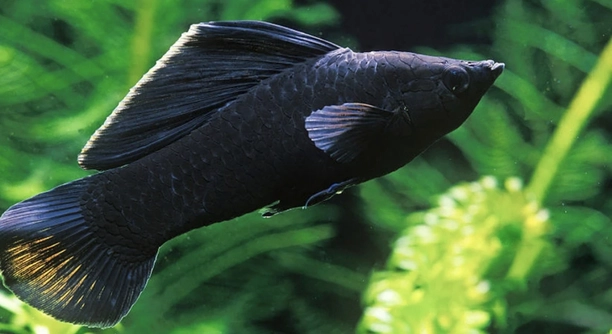
Have you ever noticed your black molly swimming oddly near the surface of the tank? Many owners spot this behavior and feel concerned about what it might mean for their fish’s health and comfort.
Black mollies often float unusually due to swim bladder disorders, overfeeding, water quality issues, or infections. Changes in diet, temperature, or tank conditions can also impact buoyancy, leading to floating near the surface or struggling to maintain balance.
Understanding these reasons will help you maintain a healthier environment for your fish. The following explanations cover the most common causes of this floating behavior.
Overfeeding
Overfeeding is one of the most common reasons black mollies float unusually. When fish are given too much food, their digestive system can become overwhelmed, leading to bloating. This bloating affects the swim bladder, a small organ that helps the fish maintain balance. Once the swim bladder is impacted, the fish may struggle to stay at the bottom or middle of the tank, instead hovering near the surface. Feeding too often or providing large portions can create this problem quickly. Even high-quality food can cause issues if the quantity is not controlled. Observing your fish during and after feeding helps spot early signs of bloating. It’s also helpful to vary their diet with vegetables or specialized pellets to avoid over-reliance on one type of food. Consistent feeding schedules, along with monitoring amounts, keep your black molly’s digestive system in check. This approach reduces stress on the fish and helps maintain normal buoyancy in the tank environment.
Keeping feeding portions small and regular prevents swim bladder issues and helps maintain balanced floating behavior.
Adjusting feeding habits is not just about quantity but timing as well. Overfeeding in the evening can cause your fish to carry extra weight overnight, affecting their ability to swim properly. Observing their behavior after each feeding allows you to notice changes in buoyancy early. Switching to smaller meals several times a day often works better than one large feeding. Introducing fiber-rich foods like blanched spinach or cucumber slices can help digestion. Additionally, removing uneaten food promptly keeps water clean and reduces stress on your mollies. With these small changes, your fish can regain proper balance and float naturally. Consistency in feeding and water care makes a noticeable difference in overall health, helping your black molly swim comfortably and enjoy a stable tank environment.
Water Quality Issues
Poor water quality often causes black mollies to float near the surface. Unbalanced pH, ammonia, or nitrite levels stress fish and impact buoyancy, making swimming difficult.
Maintaining clean water requires regular testing and partial water changes. High ammonia or nitrite can harm internal organs, including the swim bladder, causing irregular floating. Using a reliable water test kit helps track changes, while partial water changes reduce harmful compounds. Ensuring the tank is not overcrowded allows better filtration and circulation, keeping water oxygenated. Temperature fluctuations also affect water chemistry, so maintaining a stable range is important. Proper filtration, weekly water changes, and monitoring parameters create a healthy environment for your black molly. Clean, stable water supports digestion, reduces stress, and prevents infections, all of which influence normal swimming. By observing your fish closely and acting promptly when water issues arise, you can correct floating behavior and maintain a thriving tank ecosystem where your mollies can move naturally and stay healthy.
Swim Bladder Disorders
Swim bladder disorders directly affect how black mollies float. When this organ is damaged or inflamed, fish struggle to maintain proper buoyancy. They may rise to the surface or tilt unnaturally while swimming, showing signs of distress and imbalance.
Swim bladder issues can result from infections, physical injury, or genetic factors. Overfeeding and constipation also put pressure on the swim bladder, making it difficult for fish to control their position in the water. Observing slow or erratic swimming, or a fish floating upside down, often signals this problem. Treatment usually involves adjusting diet, improving water quality, and sometimes using medications specifically designed to reduce inflammation or infection. Timely action can prevent long-term damage and restore normal swimming patterns.
Maintaining proper feeding schedules and avoiding sudden changes in water conditions can minimize swim bladder problems. Small dietary adjustments, such as soaking dry food or offering fiber-rich vegetables, support digestion and reduce pressure on the swim bladder. Monitoring fish closely after feeding allows for quick intervention if signs of bloating or floating appear. With consistent care, black mollies can regain control over their buoyancy and swim naturally, reducing stress and improving overall health in the tank environment.
Temperature Fluctuations
Sudden changes in tank temperature can disturb black mollies’ balance. Fish may float near the surface when water becomes too warm or too cold, struggling to adjust. Maintaining a steady temperature is essential for normal buoyancy and overall health.
Temperature swings stress fish, affecting metabolism and organ function, including the swim bladder. Even a few degrees’ variation can make mollies lethargic or cause erratic swimming. Using a reliable heater or chiller ensures water remains consistent, while a thermometer helps track changes throughout the day. Gradual adjustments are safer than sudden shifts, reducing stress and allowing fish to acclimate. Proper tank placement, away from drafts or direct sunlight, further supports stable temperature. Consistent warmth helps digestion, energy levels, and buoyancy control, keeping black mollies healthy.
Stable temperature also supports immune function, making fish less prone to infections that could affect floating. Rapid heating or cooling can exacerbate existing health issues, slowing recovery from minor illnesses or swim bladder problems. Observing your fish for changes in swimming or appetite after adjusting water conditions helps ensure the tank environment remains suitable. Combining temperature control with regular water testing, proper feeding, and careful monitoring creates an optimal habitat for black mollies. This approach minimizes floating issues, supports natural behavior, and encourages a calm, healthy tank community.
Constipation
Constipation can make black mollies float near the surface. When their digestive system is blocked, it puts pressure on the swim bladder, causing irregular buoyancy and difficulty swimming normally.
Feeding a diet low in fiber or too much dry food often leads to constipation. Offering vegetables like blanched zucchini or peas can help regulate digestion and reduce floating issues.
Bacterial and Parasitic Infections
Bacterial or parasitic infections can affect internal organs, including the swim bladder, making black mollies float abnormally. Symptoms may include lethargy, loss of appetite, or unusual swimming patterns. Early detection and treatment with appropriate medications or salt baths can prevent serious complications. Maintaining clean water and avoiding overcrowding lowers infection risks and supports recovery, helping mollies regain normal buoyancy.
Tank Overcrowding
Overcrowded tanks increase stress and reduce oxygen levels, causing black mollies to float near the surface more often. Ensuring enough space and proper filtration helps maintain stable conditions for healthy swimming.
Why is my black molly floating at the surface all the time?
Your black molly may float at the surface due to swim bladder issues, overfeeding, or water quality problems. Swim bladder disorders make it hard for fish to control buoyancy. Overfeeding can cause bloating, putting pressure on the swim bladder. Poor water conditions, like high ammonia or nitrites, stress fish, affecting swimming behavior. Monitoring water parameters and adjusting feeding habits often helps correct this behavior. Providing small, fiber-rich meals and maintaining a stable environment can restore normal swimming patterns over time.
Can overfeeding really make my molly float?
Yes, overfeeding is a common reason for floating. When a fish eats too much, their digestive system becomes overloaded. The extra food causes bloating, which presses on the swim bladder. This makes it hard for the fish to swim at the bottom or middle of the tank. Reducing portion sizes and feeding small amounts several times a day prevents this issue. Vegetables like peas or zucchini can aid digestion and reduce the pressure on the swim bladder. Observing your fish after meals helps catch early signs of overfeeding.
How does water quality affect buoyancy?
Poor water quality stresses fish and can cause floating near the surface. High ammonia, nitrites, or incorrect pH levels impact internal organs, including the swim bladder. Oxygen depletion in overcrowded tanks can also make mollies swim near the top. Regular water testing and weekly partial water changes help maintain stable conditions. Using a good filter and avoiding overcrowding keeps the water clean and oxygenated. Maintaining stable temperature and water chemistry prevents stress, supports digestion, and ensures the swim bladder functions properly. Clean water keeps mollies healthy and floating normally.
Could temperature changes be the reason?
Temperature fluctuations affect fish metabolism and organ function. Sudden drops or spikes can disturb swimming and buoyancy, causing black mollies to float near the surface. A stable heater and thermometer ensure consistent water temperature. Avoid placing tanks in direct sunlight or near drafts. Gradual changes are safer than sudden adjustments. Proper temperature supports digestion, immune function, and overall comfort. Stable conditions reduce stress and help mollies swim naturally, preventing irregular floating behavior.
Can constipation cause floating?
Yes, constipation puts pressure on the swim bladder, making fish float at the surface. Feeding too much dry food or low-fiber diets is often the cause. Offering blanched vegetables like peas or zucchini improves digestion. Observing eating habits and adjusting the diet prevents bloating and helps fish maintain proper buoyancy. Proper feeding schedules and dietary variety reduce stress on the swim bladder.
What about infections affecting floating?
Bacterial and parasitic infections can impact internal organs, including the swim bladder, causing abnormal floating. Infected fish may show lethargy, loss of appetite, or erratic swimming. Early treatment with appropriate medications or salt baths can prevent serious complications. Maintaining clean water and avoiding overcrowding lowers the risk of infection. Prompt action ensures mollies regain normal swimming behavior and stay healthy.
Does tank overcrowding make a difference?
Yes, overcrowding increases stress and lowers oxygen levels, forcing fish to float near the surface. Proper tank size, good filtration, and fewer fish per gallon improve water quality and oxygen availability. This reduces stress and allows mollies to swim comfortably. Observing tank behavior and maintaining proper conditions supports normal buoyancy and overall health.
How can I prevent floating problems in the future?
Preventing floating issues requires a combination of proper feeding, clean water, stable temperature, and avoiding overcrowding. Regular monitoring of water parameters and careful observation of fish behavior allows early intervention. Balanced diets, fiber-rich foods, and consistent feeding schedules support digestion and reduce swim bladder stress. Keeping the tank clean and properly sized minimizes stress and infection risks. By taking these steps, black mollies are more likely to swim normally, stay healthy, and display natural buoyancy in a comfortable environment.
Black mollies floating unusually can be worrying, but understanding the main reasons behind this behavior makes it easier to manage. Many cases are linked to swim bladder issues, overfeeding, poor water quality, or sudden changes in temperature. These factors affect the fish’s buoyancy, making it hard for them to swim normally. Observing your fish closely and noticing small changes in behavior can help you catch problems early. By addressing these causes promptly, you can improve your molly’s comfort and overall health. Small adjustments, like changing feeding habits or maintaining clean water, often lead to noticeable improvements in floating patterns over time.
Proper tank maintenance plays a crucial role in preventing floating problems. Regular water testing, partial water changes, and monitoring temperature create a stable environment that supports healthy swimming. Overcrowding or inconsistent water conditions can add stress, making fish more likely to float near the surface or swim erratically. Maintaining a balanced diet also helps, especially when it includes fiber-rich vegetables to support digestion. Paying attention to tank setup, filtration, and oxygen levels ensures your black mollies have the space and conditions they need. A calm, stable tank reduces stress on the swim bladder, which is essential for natural buoyancy.
Addressing floating behavior requires patience and consistency. Immediate changes in diet, water, or temperature should be done gradually to prevent additional stress. Observing how your black molly responds over several days allows you to see if adjustments are working. If the problem persists, consulting a veterinarian or aquatic specialist can provide additional guidance. Keeping detailed notes about feeding, water parameters, and behavior can help you track improvements and identify patterns. With careful care and attention, most floating issues can be managed effectively, allowing your black mollies to swim comfortably, maintain proper balance, and thrive in a healthy tank environment.

Hello,
If you enjoy the content that we create, please consider saying a "Thank You!" by leaving a tip.
Every little bit helps us continue crafting quality advice that supports the health, happiness, and well-being of pets around the world, for pets of all shapes, sizes, and species.
We really appreciate the kindness and support that you show us!