
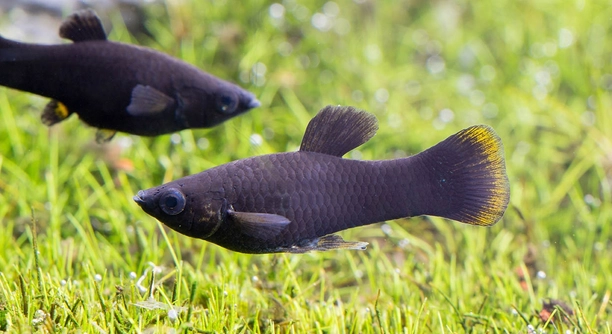
Black mollies are gentle fish that often show their comfort in subtle ways. Observing their behavior in a calm tank can help you understand when they are at ease and feeling safe in their environment.
Black molly comfort can be identified through their consistent swimming patterns, relaxed fins, and active interactions with other tank mates. These behaviors indicate a stable environment, proper water conditions, and minimal stress, reflecting their overall well-being.
Recognizing these signs early helps ensure your black mollies stay healthy, happy, and thrive in their home aquarium environment over time.
Swimming Calmly and Smoothly
When black mollies are comfortable, their swimming is calm and smooth. They glide through the water without sudden darting or erratic movements. You can often see them exploring the tank slowly, gently weaving through plants or hovering near decorations. Their fins remain relaxed and fully extended, showing no signs of stress or clamping. Smooth swimming also indicates that they feel safe with their surroundings and with the other fish in the tank. A relaxed molly will maintain a steady pace and rarely hide unless interacting with tank mates. Watching them during feeding times can be particularly telling, as a comfortable molly will swim up confidently without hesitation. Observing this behavior regularly can help you spot early signs of discomfort or illness. Changes in swimming patterns often reflect water quality issues, temperature fluctuations, or overcrowding, all of which should be addressed promptly to maintain a healthy environment.
Smooth swimming reflects a stable environment and a well-adjusted fish. It shows that your black mollies feel secure.
Paying attention to how black mollies move can reveal more than just comfort. Their behavior also indicates how the tank conditions support their overall health. Regular observation allows you to adjust feeding schedules, water quality, and tank layout to ensure ongoing comfort. When they swim freely without hiding, it confirms that temperature, pH, and tank mates are suitable. Even minor signs of hesitation or tight fin movements can signal the need for small changes. Over time, consistent swimming patterns create a predictable environment, helping mollies reduce stress and engage naturally. Noticing these details early can prevent illness and improve their lifespan. Black mollies that are comfortable are more likely to interact with each other, feed readily, and maintain vibrant coloration. Creating a space that encourages calm swimming ensures their well-being and allows you to enjoy their natural behavior every day.
Enjoying the Tank Environment
Comfortable black mollies often explore decorations and plants without hesitation. They interact with the space rather than hiding from it.
They are more likely to hover near interesting areas and investigate new additions. A lively, curious molly reflects good water conditions and a well-balanced diet.
When black mollies enjoy their tank, you can observe them investigating corners, plants, or ornaments. They may swim slowly through open areas or linger near floating plants, demonstrating trust in their environment. Comfortable mollies rarely cling to the surface or hide for long periods, showing they are not stressed. They will often respond to feeding time eagerly, approaching without fear, and will even playfully interact with other fish without aggression. Providing varied tank decorations, hiding spots, and gentle water flow encourages this exploratory behavior. Watching them explore regularly gives you a clear idea of how well the tank meets their needs. It also allows you to adjust tank layout for enrichment, ensuring they stay mentally stimulated. A molly that interacts confidently with its surroundings is more likely to thrive, grow, and display healthy coloration. Their behavior serves as a reliable indicator that the tank conditions are optimal and they are fully comfortable.
Eating Regularly
Black mollies that are comfortable eat consistently and show interest in their food. They swim up confidently during feeding times and rarely hesitate or hide. Healthy appetites reflect good water conditions, proper diet, and low stress in the tank environment.
Regular feeding behavior shows that black mollies feel secure. They will swim toward food without sudden movements or hesitation, demonstrating confidence in their surroundings. When mollies eat consistently, it also helps maintain their energy levels and supports steady growth. Watching how they approach food can reveal their comfort level with tank mates and environment. If mollies ignore food or dart nervously, it may indicate stress, water issues, or illness. Comfortable mollies will compete lightly for food without aggression and return to swimming calmly afterward. Consistent eating also helps maintain water quality, as uneaten food is minimal. Observing their feeding habits over days allows you to adjust diet, portion size, or tank layout to better meet their needs.
Comfortable black mollies often show interest in a variety of foods, including flakes, pellets, and occasional live or frozen treats. Their willingness to explore and nibble indicates a strong sense of security. This behavior reflects both physical health and environmental satisfaction. Fish that eat consistently are easier to care for, as their nutritional needs are being met, which in turn supports coloration, energy, and overall well-being. When they feed confidently, you can be sure that tank conditions, including temperature and pH, are suitable. Maintaining a balanced diet ensures their comfort continues, allowing them to interact naturally with tank mates and environment. Watching feeding patterns over time helps identify small changes in behavior, signaling early adjustments before problems arise. Comfortable mollies demonstrate a relaxed yet active approach to mealtime, giving insight into their overall happiness and health.
Interacting Calmly with Tank Mates
Comfortable black mollies swim alongside other fish without aggression or fear. They maintain personal space while moving naturally around the tank, showing ease in social interactions.
These mollies often engage in gentle chasing, parallel swimming, or hovering nearby without confrontation. Calm interaction reflects confidence in the environment and mutual trust with tank mates. Fish that are stressed may hide or act aggressively, but comfortable mollies maintain steady, peaceful behavior. Observing social patterns helps gauge compatibility and overall comfort.
When black mollies interact calmly, it indicates a balanced tank setup. They respect territory but still swim in groups, demonstrating social comfort. Their movements are predictable, without sudden darting or chasing that could cause stress. Calm mollies show interest in each other, following or mirroring movements without harm. This behavior also points to appropriate stocking levels, compatible species, and healthy water parameters. Regular observation allows you to notice changes in social behavior early, preventing potential conflicts. When mollies interact peacefully, it creates a stable environment, encouraging feeding, exploration, and swimming freely. Social calmness contributes directly to long-term health and happiness, making the tank more enjoyable to observe.
Hovering Near the Surface
Comfortable black mollies often hover near the water surface without showing signs of panic. They swim slowly and maintain a steady position, which indicates they feel safe and confident in the tank environment.
This behavior is common when oxygen levels are suitable and the water temperature is stable. Fish that hover calmly near the surface are typically healthy and stress-free.
Resting in Open Areas
Black mollies that are at ease may rest in open areas instead of hiding behind plants or decorations. They stay still for short periods while remaining alert to movement around them. Resting in visible spaces shows they trust the environment and feel unthreatened by other fish.
Bright and Healthy Appearance
Comfortable black mollies display consistent, vibrant coloration. Their fins are intact and spread naturally, without clamping or tears. Healthy skin and scales reflect proper nutrition, water quality, and minimal stress. Bright appearance is a reliable sign of overall well-being.
Exploring New Objects
Black mollies that feel secure will investigate new decorations or plants added to the tank. They approach calmly and often circle or inspect the object, showing curiosity without fear. This behavior highlights their adaptability and confidence in their environment.
FAQ
How can I tell if my black molly is happy?
A happy black molly will swim calmly, eat consistently, and interact peacefully with other fish. Their fins remain fully spread, and they explore the tank confidently. They hover near the surface occasionally and investigate decorations or plants. These behaviors reflect low stress and good tank conditions.
Why does my black molly hide so often?
Hiding frequently is usually a sign of discomfort or stress. It can be caused by poor water quality, sudden temperature changes, aggressive tank mates, or overcrowding. Healthy, comfortable mollies will only hide occasionally, usually to rest or feel secure temporarily, not as a constant habit.
Is it normal for black mollies to swim near the surface?
Yes, when the water is properly oxygenated and temperature is stable, comfortable mollies will hover near the surface calmly. This is natural and does not indicate stress unless accompanied by rapid gill movement, frantic swimming, or gasping.
Why does my black molly ignore food sometimes?
Occasional disinterest can happen if they are full, stressed, or adjusting to new tank conditions. Persistent refusal to eat may indicate water quality issues, illness, or improper diet. Observing their behavior during feeding times helps identify whether this is normal or requires action.
Can black mollies get stressed from tank changes?
Yes, sudden changes in water parameters, decorations, or tank mates can cause stress. Comfortable mollies prefer a stable environment. Gradual adjustments to temperature, pH, or layout help reduce stress and allow them to adapt without disrupting their behavior.
How important is tank decoration for comfort?
Decorations and plants provide hiding spots and stimulation. Comfortable mollies will explore and rest near these items without fear. Having a mix of open swimming areas and secure spots helps them feel safe while encouraging natural behaviors and curiosity.
What role does water quality play in their comfort?
Water quality is crucial. Parameters like temperature, pH, ammonia, nitrite, and nitrate levels directly affect mollies’ behavior. Comfortable mollies show steady swimming, bright coloration, and regular eating patterns. Poor water quality can cause clamped fins, erratic swimming, and frequent hiding. Regular testing and maintenance are key.
Do black mollies interact with other fish naturally?
Yes, comfortable mollies swim alongside tank mates without aggression or fear. They maintain space but may follow or mirror other fish’s movements. This calm interaction indicates social comfort, good tank conditions, and balanced stocking levels. Aggression or constant hiding suggests stress or incompatibility.
How often should I observe my mollies for comfort signs?
Daily observation is ideal. Watching their swimming, feeding, and social behavior helps detect stress or illness early. Noticing subtle changes in fin position, color, or interactions can guide adjustments to diet, water quality, or tank layout to maintain comfort.
Can comfortable black mollies live longer?
Yes, fish that experience low stress, proper diet, and clean water are healthier and more resilient. Regular observation and care ensure their physical well-being and emotional comfort, contributing to a longer, more active life in the aquarium environment.
What are the first signs my molly is uncomfortable?
Signs include clamped fins, darting or erratic swimming, frequent hiding, faded color, loss of appetite, and avoiding tank mates. Early recognition allows prompt correction of water parameters, diet, or environment before stress leads to illness.
How do I encourage my mollies to explore their tank?
Adding safe decorations, plants, and gentle water flow encourages exploration. Comfortable mollies approach new objects calmly and circle them without fear. A mix of open spaces and hiding spots ensures they feel secure while staying mentally stimulated.
Do black mollies need companionship to feel comfortable?
Yes, they are social fish. Keeping them in small groups allows natural interactions, like parallel swimming or gentle following. Solitary mollies may become timid or stressed, while those with companions display relaxed swimming and feeding behaviors, indicating comfort.
Can lighting affect their comfort?
Proper lighting supports natural behavior. Bright, consistent lighting encourages normal swimming and exploration. Sudden or harsh lighting can stress mollies, causing hiding or erratic movements. A balanced day-night cycle helps maintain calm and healthy activity.
How does diet impact comfort?
A varied, balanced diet supports energy, coloration, and activity. Comfortable mollies eat confidently, approach food readily, and show interest in new treats. Poor diet or overfeeding can lead to lethargy, stress, and health problems, affecting overall comfort in the tank.
Are black mollies more comfortable in certain tank sizes?
Yes, larger tanks provide space for swimming, hiding, and social interaction. Crowded conditions increase stress, aggression, and competition for food. Comfortable mollies need room to explore freely while maintaining personal space to feel secure.
How long does it take for black mollies to feel comfortable in a new tank?
It depends on water stability, tank mates, and environment. Usually, a few days to a couple of weeks are needed for adjustment. Comfortable mollies gradually explore, eat regularly, and interact with other fish as they settle in.
What should I do if I notice uncomfortable behavior?
Check water quality, temperature, diet, and tank setup first. Correcting issues promptly can reduce stress. Remove aggressive fish if necessary, provide hiding spots, and maintain a stable environment. Consistent observation ensures mollies return to relaxed, comfortable behavior quickly.
Can molly behavior indicate health problems?
Yes, changes in swimming, eating, or social interactions often signal illness. Comfortable mollies swim smoothly, eat consistently, and interact calmly. Any deviations, such as clamped fins, lethargy, or isolation, require immediate attention to water parameters, diet, or medical care.
How do I maintain comfort long-term?
Regular water testing, stable temperature, balanced diet, safe tank mates, and enrichment are essential. Observing daily behavior allows early detection of stress. Comfortable black mollies thrive in a consistent, well-maintained environment that supports natural behaviors, health, and longevity.
Black mollies are sensitive creatures, and their comfort shows in many small but important ways. Observing their behavior closely allows you to understand how secure they feel in their tank. When they swim smoothly, explore decorations, or interact calmly with tank mates, it reflects a stable and supportive environment. Maintaining consistent water quality, temperature, and feeding routines helps ensure they continue to feel safe. Even small details, like hovering near the surface or resting in open areas, provide insight into their overall well-being. Paying attention to these behaviors regularly can prevent potential problems before they become serious, keeping your fish healthy and happy for longer periods.
Creating a comfortable environment for black mollies involves balancing their physical and emotional needs. Proper tank size, a mix of open swimming space and hiding spots, and compatible tank mates all contribute to their sense of security. A varied and balanced diet supports their energy, coloration, and natural behavior. Decorations and plants provide enrichment, encouraging them to explore while offering safe spots to retreat when needed. Consistent observation of swimming patterns, feeding habits, and social interactions helps track their comfort levels. Over time, you can adjust tank conditions gradually to maintain a calm and stable environment that supports both their health and natural behaviors.
Comfortable black mollies not only thrive physically but also display behaviors that make them enjoyable to watch. Calm swimming, confident feeding, gentle social interactions, and exploration indicate that their environment meets their needs. By paying close attention to their subtle cues, you can identify issues early, whether related to water quality, diet, or social dynamics. Ensuring their comfort requires patience, observation, and small, consistent adjustments, but the results are worth it. Comfortable mollies tend to live longer, display vibrant colors, and interact naturally, creating a peaceful and balanced tank atmosphere. Regular care and attentiveness to their behavior will allow you to support their well-being, making them a rewarding addition to your aquarium.

Hello,
If you enjoy the content that we create, please consider saying a "Thank You!" by leaving a tip.
Every little bit helps us continue crafting quality advice that supports the health, happiness, and well-being of pets around the world, for pets of all shapes, sizes, and species.
We really appreciate the kindness and support that you show us!