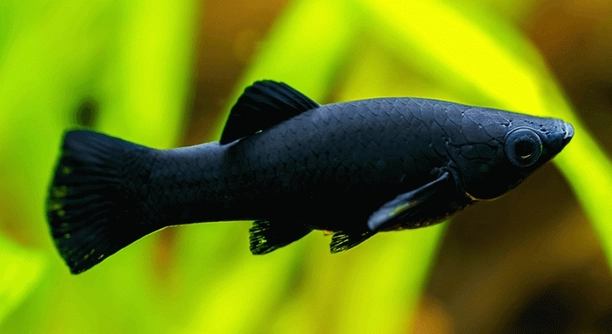
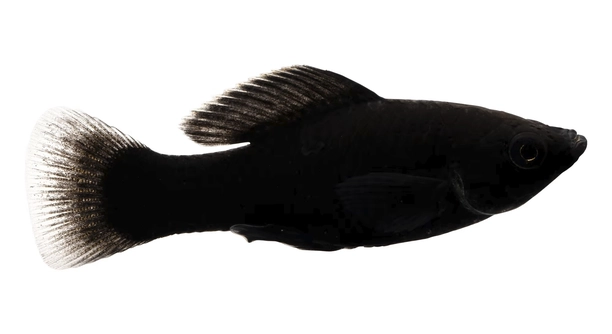
7 Early Signs of Disease in Black Molly
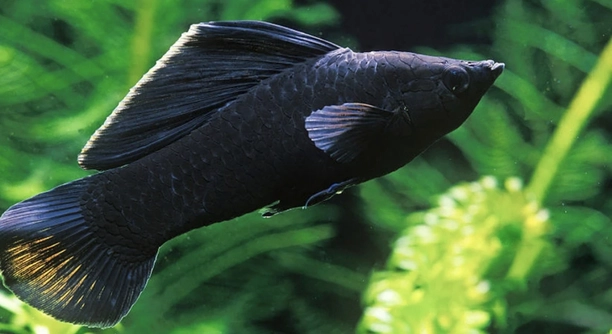
Keeping black mollies in a home aquarium can be a rewarding experience. They are lively, beautiful fish, but like any pet, they are prone to illness. Recognizing early signs of disease helps maintain their health and wellbeing. Black mollies often show early indicators of disease through changes in behavior, appearance, and appetite. Observing sluggish swimming, … Read more
Can Black Molly Share a Tank with Guppies?

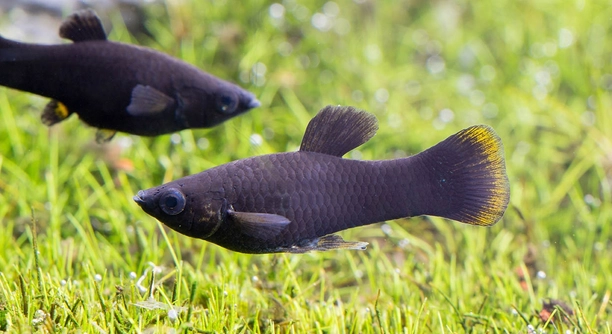
Do you ever enjoy keeping small, colorful fish but worry about which species can peacefully share the same tank? Black Mollies and Guppies are popular choices for home aquariums because of their vibrant colors and easy care. Black Mollies can generally share a tank with Guppies if the aquarium is spacious and properly maintained. Ensuring … Read more

7 Common Errors During Black Molly Tank Cycling

Have you ever started a new black molly tank and felt unsure if everything was going right? Setting up a healthy environment for these fish can be tricky, especially when beginning the cycling process in your aquarium. The most common errors during black molly tank cycling include overfeeding, inconsistent water testing, neglecting ammonia spikes, skipping … Read more

7 Water Parameters That Keep Black Molly Stable

Do you ever find yourself admiring your black molly but wondering why it sometimes looks stressed or unsettled in its tank? Keeping these fish healthy involves more than just feeding them regularly and changing water. Maintaining stable black molly health relies on controlling key water parameters. Temperature, pH, hardness, ammonia, nitrite, nitrate, and oxygen levels … Read more

7 Issues That Cause Black Molly Fin Clamping

Do you ever notice your black molly swimming with its fins tightly clamped against its body? This behavior can be unsettling for fish owners. Understanding the reasons behind fin clamping can help maintain a healthy and comfortable aquarium environment. Fin clamping in black mollies is typically caused by poor water conditions, stress, disease, or nutritional … Read more

Why Are My Black Molly Fry Always Below the Bubbler?

Do your black molly fry spend most of their time hovering near the bottom of the tank instead of swimming near the bubbler? Observing this behavior can be worrying, especially when you want them to thrive in their environment. Black molly fry tend to stay below the bubbler primarily due to water current sensitivity, oxygen … Read more

7 Things Black Molly Need for Long-Term Health

Black mollies are vibrant, active fish that can brighten any aquarium. Ensuring they thrive requires more than just a tank; their long-term health depends on proper care, nutrition, and environmental stability. Paying attention to their needs is essential. To maintain the long-term health of black mollies, it is crucial to provide a balanced diet, clean … Read more

Should Black Molly Be Kept in a Planted Tank?

Black Mollies are small, peaceful fish that bring life and movement to any aquarium. Their dark coloration adds contrast, and they enjoy exploring spaces filled with plants. Many aquarists appreciate their calm and social nature. Black Mollies can be successfully kept in a planted tank. They thrive in environments with live plants, which offer hiding … Read more

What Lighting Is Best for Black Molly?

Black Mollies are popular freshwater fish admired for their striking black coloration and peaceful temperament. Maintaining the right aquarium conditions is essential, and lighting plays a significant role in supporting their health and overall well-being. The best lighting for Black Mollies is moderate, full-spectrum light that mimics natural daylight. This encourages healthy plant growth, supports … Read more

Do Black Molly Recognize Tank Layouts?

Black Mollies are lively fish that bring energy to any tank. Many aquarists enjoy watching their behavior and how they interact with their environment. Observing them can reveal surprising levels of awareness and adaptation. Black Mollies can recognize and navigate different tank layouts. Their spatial awareness allows them to remember structures, hiding spots, and open … Read more