
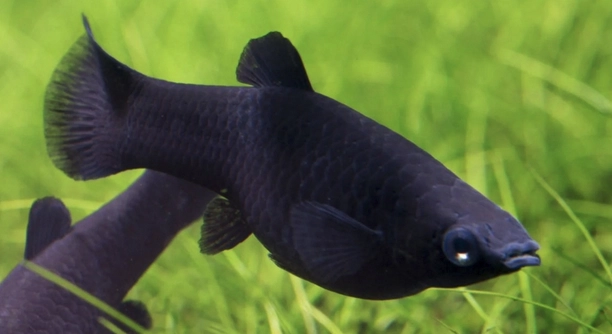
Do you ever notice your black molly swimming slowly or seeming smaller than expected? Many fish owners experience this and wonder why their molly’s growth isn’t keeping pace with others in the tank.
Black molly growth can be slowed by several factors including inadequate diet, poor water quality, overcrowding, inconsistent temperature, lack of exercise, disease, and insufficient lighting. Each of these elements directly impacts metabolic rate and overall development.
Learning about these growth obstacles can help you create a healthier environment for your black molly and encourage steady development over time.
Poor Diet
A poor diet is one of the main reasons black mollies fail to grow properly. Feeding only flakes or generic food can leave them lacking essential nutrients like protein, vitamins, and minerals. Protein is especially important for growth and development, while vitamins and minerals support immune function and overall health. Overfeeding can also be harmful, causing digestive problems and water quality issues. Rotating food types, including high-quality flakes, pellets, and occasional live or frozen foods, helps provide balanced nutrition. Vegetables like blanched spinach or zucchini can also contribute to their diet and prevent deficiencies. Consistent feeding schedules allow the fish to metabolize food efficiently, promoting better growth. Observing their behavior while eating helps ensure each fish is receiving enough nutrition without overcrowding or competition in the tank. Proper feeding routines directly impact size, coloration, and energy levels, ensuring black mollies develop at a steady and healthy rate.
Feeding a varied, nutrient-rich diet improves metabolism, supports immune health, and encourages consistent growth in black mollies over time.
Providing a combination of pellets, flakes, vegetables, and occasional live food ensures that black mollies receive complete nutrition. Rotating these food types and monitoring portions prevents overfeeding while keeping water quality stable. Consistent feeding schedules allow their bodies to process nutrients effectively, helping them grow to full size. High-protein foods like brine shrimp or daphnia support muscle development, while vegetables add essential vitamins. Observing which fish eat first can prevent weaker individuals from being underfed. Avoiding processed or low-quality foods ensures steady growth and reduces the risk of disease. Over time, a balanced diet results in healthier, more active mollies with vibrant coloration and stronger immune systems, creating a thriving tank environment.
Poor Water Quality
Poor water quality can significantly slow black molly growth. Dirty or unbalanced water stresses the fish, affecting metabolism and overall health. Maintaining proper pH, temperature, and ammonia levels is critical to their development.
Water that contains high levels of ammonia, nitrites, or nitrates can be toxic, leading to stunted growth or illness. Black mollies prefer slightly alkaline water with consistent temperatures around 75–82°F. Frequent water changes help remove waste and toxins, keeping the environment safe. Overcrowding increases waste accumulation and reduces oxygen levels, further impacting health. Using a reliable filter and testing water parameters regularly ensures conditions remain stable. Additionally, removing uneaten food prevents decay and bacterial growth. Stress from fluctuating water conditions can lower appetite and slow metabolism, directly influencing growth rates. By monitoring water quality carefully, mollies can grow efficiently, maintain proper coloration, and stay active. Tank maintenance is a continuous task, but attention to these details guarantees a healthier environment that supports their natural growth patterns.
Overcrowding
Overcrowding limits space for black mollies to swim and grow. Too many fish in a tank increases stress, reduces oxygen levels, and causes competition for food, all of which directly slow development.
When a tank is overcrowded, water quality deteriorates faster due to increased waste. This leads to higher ammonia and nitrate levels, which stress fish and impair metabolism. Black mollies need adequate space to swim freely, as exercise supports muscle development and overall growth. Overcrowding also increases aggression and competition, causing some fish to eat less. Separating mollies into appropriately sized tanks based on population helps ensure each fish receives sufficient nutrition, oxygen, and exercise. Tank decorations should be arranged to provide hiding spots but not restrict swimming. Proper stocking density is essential for growth, reducing stress and improving overall health and vitality.
Monitoring tank population and providing adequate space prevents stunted growth and ensures mollies develop normally. Adjusting stocking levels improves water quality, reduces competition, and encourages healthier, more active fish.
Inconsistent Temperature
Fluctuating water temperatures can slow black molly growth. Stable warmth is essential for digestion, immune function, and metabolic activity. Sudden changes stress the fish and impair their development.
Temperature swings impact appetite and nutrient absorption in black mollies. Cold water slows metabolism, reducing energy and growth, while high temperatures can increase stress and oxygen demand. Maintaining a consistent temperature between 75–82°F helps mollies digest food efficiently and remain active. Using a reliable heater and thermometer ensures stability, while gradual adjustments prevent shock. Seasonal changes or poorly insulated tanks can create fluctuations, so monitoring is essential. Consistent warmth also supports breeding and overall vitality, ensuring mollies reach full size without health setbacks or slowed growth.
Stable temperatures promote steady growth, enhance immune health, and reduce stress, allowing mollies to thrive. Consistent monitoring and careful adjustments prevent development issues caused by temperature swings.
Lack of Exercise
Limited swimming space or a crowded tank can reduce black molly activity. Less movement slows metabolism and muscle development, affecting overall growth.
Providing open areas in the tank encourages natural swimming behavior. Active fish process food more efficiently, leading to better growth and stronger health.
Disease
Illness can significantly hinder black molly growth. Parasites, bacterial infections, and fungal diseases stress the fish, reduce appetite, and impair nutrient absorption.
Regular observation helps detect early signs of disease, such as unusual swimming, discoloration, or clamped fins. Quarantining new fish before introducing them prevents the spread of infection. Maintaining clean water and a balanced diet supports immune function, making mollies less prone to illness. Prompt treatment with appropriate medications can restore health, reduce stress, and allow growth to continue. Preventative measures, including routine tank maintenance and monitoring, are essential for minimizing health risks that directly impact development.
Insufficient Lighting
Black mollies benefit from consistent lighting to support activity and natural behaviors. Poor lighting can reduce appetite and disrupt growth patterns.
How often should I feed my black mollies?
Feeding black mollies twice a day is usually sufficient. Each meal should be small enough that they finish eating within a few minutes. Overfeeding can pollute the tank and cause digestive problems, while underfeeding slows growth. A mix of high-quality flakes, pellets, and occasional live or frozen foods works best. Including some blanched vegetables like zucchini or spinach ensures they get vitamins and fiber. Observing your fish while they eat helps identify which individuals are not getting enough food. Maintaining a consistent feeding schedule supports metabolism, energy, and healthy growth.
Can poor water conditions stunt growth permanently?
Yes, consistently poor water conditions can have long-term effects on growth. High ammonia, nitrite, or nitrate levels stress black mollies, reduce appetite, and weaken immune systems. Even after improving water quality, previously stunted fish may take longer to catch up in size. Regular testing and partial water changes prevent toxin buildup. Using a reliable filter and maintaining stable temperature and pH levels reduces stress and supports development. Overcrowded tanks worsen the problem, so proper stocking is also important. Healthy water conditions allow mollies to metabolize food efficiently, grow at a steady rate, and maintain vibrant coloration.
What signs indicate my black molly is stressed?
Stress in black mollies often shows through clamped fins, sluggish swimming, loss of appetite, or hiding more than usual. Rapid gill movement or rubbing against surfaces can indicate irritation from poor water quality or parasites. Stress slows metabolism and suppresses growth. Regular observation is key to catching issues early. Maintaining clean water, balanced nutrition, consistent temperature, and enough swimming space reduces stress. Avoid sudden changes in tank conditions, decorations, or lighting, as these can trigger stress responses. Reducing stress ensures mollies remain active, eat well, and grow properly.
Is it necessary to quarantine new fish?
Quarantining new fish is highly recommended. Introducing untested fish directly into the main tank risks spreading diseases that can stunt growth or kill other mollies. A separate quarantine tank for two to four weeks allows observation and treatment if needed. During this period, feed a high-quality diet to support immune function. Quarantine also reduces stress for the new fish, allowing them to adapt before joining the main tank. Preventing disease in the main tank protects existing mollies and ensures consistent growth for all fish.
How much space do black mollies need?
Each black molly should have at least one gallon of water per inch of fish. Overcrowding increases waste, reduces oxygen levels, and limits swimming space, which slows growth. Proper tank size also allows for hiding spots and swimming areas, promoting exercise. Larger tanks with fewer fish per gallon reduce competition for food and minimize stress. Proper spacing supports immune health, metabolic function, and natural behaviors, ensuring black mollies develop at a healthy rate.
Does temperature affect growth rate?
Yes, temperature directly affects metabolism. Black mollies grow best in stable water between 75–82°F. Fluctuating temperatures slow digestion, reduce appetite, and stress the fish. Cold water lowers energy levels, while sudden increases can increase oxygen demand and stress. Using a reliable heater and thermometer ensures stable conditions. Gradual adjustments prevent shock, and consistent warmth supports healthy growth, activity, and immune function. Monitoring seasonal changes or poorly insulated tanks is important to maintain ideal conditions year-round.
Can diet alone fix slow growth?
A proper diet helps but cannot fully compensate for poor water quality, overcrowding, or disease. High-protein foods like brine shrimp, daphnia, or quality pellets support muscle development, while vegetables provide vitamins. Consistent feeding schedules improve metabolism, but all other environmental factors must also be addressed. Growth depends on the combination of nutrition, clean water, adequate space, temperature stability, and overall health. Monitoring fish behavior and adjusting diet as needed ensures that nutrition supports their growth alongside a well-maintained tank.
How do I prevent diseases that slow growth?
Preventing disease starts with clean water, balanced nutrition, and proper tank maintenance. Quarantining new fish reduces risk, while regular observation catches early signs of illness. Avoid overcrowding, provide adequate space, and maintain stable temperature and lighting. Using appropriate medications promptly when needed minimizes health setbacks. A healthy, stress-free environment strengthens immune systems, allowing black mollies to grow efficiently and maintain vibrant coloration.
What role does lighting play in growth?
Consistent lighting supports natural activity cycles, appetite, and metabolism. Insufficient or inconsistent light can reduce activity, limit feeding efficiency, and slow growth. A regular light schedule of 10–12 hours per day mimics natural conditions, encouraging normal behavior. Combining proper lighting with clean water, a balanced diet, and adequate space ensures optimal development.
How long does it take for black mollies to reach full size?
With ideal conditions, black mollies typically reach full size in 6–12 months. Growth rate depends on diet, water quality, temperature, and tank space. Stress, disease, or overcrowding can extend this period significantly. Maintaining consistent care ensures they develop steadily, remain active, and achieve healthy adult size within the expected timeframe.
Black mollies are beautiful and active fish that bring life to any freshwater tank, but their growth can be slower than expected if basic care needs are not met. Understanding the factors that influence growth is key to providing a healthy environment. Diet, water quality, tank size, temperature, disease prevention, exercise, and lighting all play a role in ensuring mollies develop properly. Ignoring any one of these elements can lead to stress, poor health, and stunted growth. By paying attention to these details, you can create a tank that supports the fish’s natural behaviors, encourages healthy development, and helps them reach their full potential. Growth is not just about size; it reflects the overall well-being and vitality of your mollies.
Providing a balanced diet is one of the simplest ways to improve growth. Black mollies require protein, vitamins, and minerals to support muscle development, coloration, and immune function. High-quality flakes or pellets should be supplemented with live or frozen foods, as well as occasional vegetables. Feeding small amounts consistently twice a day prevents overfeeding and water pollution, while ensuring each fish receives enough nutrition. Alongside proper diet, maintaining clean and stable water conditions is essential. Ammonia, nitrite, and nitrate levels should be monitored, and partial water changes performed regularly. Overcrowding should be avoided, and tanks should provide adequate swimming space. Proper water parameters, combined with balanced nutrition, allow black mollies to process food efficiently, remain active, and grow steadily over time.
Temperature, lighting, and exercise are often overlooked but equally important for black molly growth. Stable temperatures between 75–82°F support metabolism and digestion, while consistent lighting helps regulate activity and feeding behaviors. Tanks that allow fish to swim freely encourage exercise, which builds muscle and supports healthy development. Disease prevention is also critical, as parasites and infections can quickly stunt growth and compromise health. Quarantining new fish, observing existing fish for signs of illness, and treating problems promptly helps maintain a thriving tank environment. By combining proper nutrition, clean water, adequate space, stable temperature, consistent lighting, and preventative care, black mollies can grow at a healthy pace, remain vibrant, and live long, active lives. Attention to these details creates an environment where your fish not only survive but flourish.

Hello,
If you enjoy the content that we create, please consider saying a "Thank You!" by leaving a tip.
Every little bit helps us continue crafting quality advice that supports the health, happiness, and well-being of pets around the world, for pets of all shapes, sizes, and species.
We really appreciate the kindness and support that you show us!