
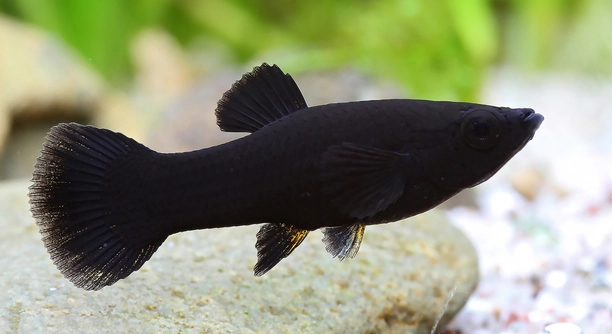
Have you ever cared for a black molly and wondered how interactions in a shared tank might influence its overall health, especially when surrounded by different species that each bring their own conditions and habits.
Black mollies can contract illnesses from other species when pathogens circulate within a shared environment. Cross-species transmission occurs through contaminated water, compromised immune responses, and poor hygiene, creating conditions that allow microorganisms to spread between fish with differing levels resistance.
This understanding helps reveal how a mixed aquarium shapes your black molly’s health and highlights interactions influencing its overall well-being.
Understanding How Illness Spreads Between Aquarium Species
Sharing a tank creates constant contact between fish, plants, and microorganisms, and this environment shapes how illnesses move from one species to another. When a black molly lives with fish that carry parasites or bacteria, it becomes exposed to conditions that may challenge its immune system. Contaminated surfaces, leftover food, and waste allow harmful organisms to thrive, especially when filtration is weak or maintenance is irregular. Stress also plays a role because changes in water quality or crowded spaces make fish more vulnerable. A black molly in a mixed tank needs steady care, clean water, and compatible tankmates to remain healthy. These simple habits reduce the presence of harmful organisms and give your fish a better chance to stay strong and active.
A mixed tank requires steady observations since each species may react differently to slight changes in water conditions or new additions.
Learning the early signs of illness helps you respond promptly and reduce risks for your black molly in a shared environment.
Recognizing Risks in Shared Aquariums
Mixed aquariums can expose black mollies to infections that spread quickly when new fish arrive or established fish begin showing signs of stress.
Maintaining a healthy community begins with careful introductions, consistent cleaning, and attention to how each species behaves. New fish should be quarantined before joining a shared tank, giving you time to notice signs of hidden issues. This step protects your black molly from microorganisms that move easily through shared water. Stable temperatures, strong filtration, and balanced feeding routines support better immunity for every species in the tank. You can also reduce risk by choosing species known for compatibility, since peaceful interactions limit stress and support steady health. When illness appears, fast isolation prevents it from spreading, keeping your black molly safer. Paying attention to these factors creates a calmer environment and strengthens your fish’s overall well-being.
Preventing Cross-Species Illness in Your Tank
Keeping the environment clean reduces many risks for your black molly since harmful organisms often grow in leftover waste or uneaten food. Consistent maintenance limits exposure and helps your fish stay comfortable in a shared aquarium with varying species.
A stable routine supports healthier interactions, especially when different species respond uniquely to stress. Regular water changes, gentle cleaning, and strong filtration control bacteria and parasites before they spread. Choosing calm tankmates prevents unnecessary tension, which weakens immune responses. Quarantining new arrivals offers extra protection, allowing time to observe their behavior and overall condition. These steps help you create a balanced setting that supports your black molly’s long-term health, even when sharing space with species that may carry unseen challenges.
Watching for subtle behavioral shifts helps you act quickly when something seems wrong. Reduced appetite, faded color, or sluggish swimming can signal early issues. Taking action at the first sign of change helps limit exposure and protects every fish in the tank.
How Water Conditions Influence Illness Spread
Water quality strongly affects how illnesses move through a shared aquarium because microorganisms grow faster in unstable conditions that stress fish and weaken their defenses. Balanced parameters reduce these issues and keep your black molly safer in a diverse community.
Maintaining steady levels for temperature, pH, and hardness reduces environmental stress that encourages pathogens to thrive. Overcrowding increases waste and lowers oxygen, allowing harmful organisms to multiply quickly, so spacing species comfortably helps prevent this. Testing the water regularly helps you stay aware of subtle shifts before they become serious. When parameters fall out of range, immediate adjustments stop issues from escalating. Good circulation and strong filtration support a healthier tank by limiting buildup and moving water evenly. These habits strengthen your black molly’s resilience, especially when sharing a space with other species that may carry different sensitivities.
Managing Stress-Related Vulnerabilities
Stress plays a large role in how illnesses spread, especially when fish compete for space or experience sudden changes in their environment. Reducing noise, keeping lighting steady, and preventing overcrowding create calmer conditions that help your black molly stay stable when living alongside other species in the same shared tank.
Monitoring feeding routines helps reduce sickness because leftover food supports harmful organisms that spread quickly in shared tanks. Offering small portions, removing uneaten pieces, and keeping a steady schedule maintain cleaner conditions. These habits support your black molly’s health while lowering risks created by different species with varying needs today.
The Importance of Proper Quarantine
Introducing new fish requires careful attention because each addition may carry microorganisms that your black molly has not encountered before. Quarantining new arrivals limits exposure and gives you time to observe their behavior, feeding patterns, and overall condition. This process reduces stress during integration and prevents pathogens from spreading through shared water. A quiet space, stable parameters, and gentle handling help new fish adapt without introducing problems to the tank. Taking these steps gives your black molly a safer environment and supports healthier interactions between all species sharing the aquarium while keeping daily care simple and easy for you to manage.
Spotting Early Warning Signs
Regular observation helps you notice subtle changes before they affect the entire tank. Watching color, posture, and activity levels reveals early health concerns. Quick action keeps illnesses contained and protects your black molly from issues that may appear when multiple species share the same living space together in your aquarium.
FAQ
Can black mollies get sick from sharing a tank with other species?
Black mollies can get sick when they live with species that carry bacteria, parasites, or viruses. These organisms spread through shared water, surfaces, and waste. When conditions are unstable, pathogens multiply faster, increasing the chance that your black molly will become exposed to something it cannot resist as easily. Stress makes the situation worse because stressed fish have weaker immune responses. Mixing species is common, but it must be managed carefully. Clean water, calm tankmates, and steady parameters help reduce these risks. When the environment stays balanced, the chances of illness spreading decrease significantly.
How does stress increase illness risk for a black molly in a mixed tank?
Stress weakens your black molly’s immune system and makes it more vulnerable to infections that may already be present in the tank. Lighting changes, overcrowding, aggressive tankmates, and unstable water parameters all contribute to stress. When immunity drops, bacteria and parasites that normally would not cause problems can suddenly overwhelm the fish. Reducing stress through stable routines, gentle feeding, and consistent maintenance helps your black molly stay stronger. A calm environment supports better resistance, even when sharing space with species that experience stress differently.
Should new tankmates always be quarantined before joining a black molly’s tank?
Quarantine is one of the safest habits you can adopt. New fish often carry microorganisms that do not affect them immediately but may cause trouble once introduced to a community tank. Isolating new arrivals for a few weeks gives you time to observe their eating habits, behavior, and overall health. If signs of illness appear, treatment becomes easier and safer outside the main tank. Proper quarantine protects your black molly from sudden exposure to parasites or bacteria. This simple step creates a healthier environment for every species in your aquarium.
What are the most common illnesses black mollies catch from other fish?
Black mollies can be exposed to ich, fin rot, velvet, fungal infections, and internal parasites when living in mixed aquariums. These conditions spread through contaminated water or direct contact. Ich thrives in unstable temperatures. Fin rot appears when stress and poor water quality weaken immunity. Velvet spreads rapidly in tanks with low-quality water or weak filtration. Internal parasites enter through infected food or contact with other fish. Understanding these illnesses helps you respond quickly when symptoms arise. Early treatment prevents the spread from affecting multiple species.
How do water changes reduce the spread of illness?
Water changes remove waste, leftover food, and dissolved toxins that support harmful microorganisms. Clean water helps maintain stable parameters, which directly affects how pathogens grow. Fresh water also boosts oxygen levels, improving your black molly’s energy and resistance. When debris builds up, bacteria multiply faster and create an unhealthy environment for every species in the tank. Weekly changes help keep this under control. Even small adjustments can make a noticeable difference in overall health. A clean tank is one of the strongest defenses against illness.
Can aggressive tankmates cause a black molly to get sick?
Aggression causes stress, and stress opens the door to illness. When fish chase, nip, or intimidate your black molly, it becomes anxious and less capable of fighting off pathogens. Aggressive behavior also leads to physical injuries, which can become infected. Choosing peaceful companions reduces tension and keeps your black molly in better condition. If aggression appears, removing the problematic fish or rearranging the tank can help limit stress. A peaceful environment supports steady health and lowers the chance of sickness spreading between species.
What signs should I watch for if my black molly might be getting sick?
Subtle behavior changes are often the first warning. Loss of color, sluggish movement, clamped fins, reduced appetite, or hiding more than usual can all signal early illness. White spots, torn fins, and fuzzy patches indicate infections that require quick action. Watching your fish daily helps you spot these changes sooner. Early detection gives you more time to respond before the problem spreads to other species. Keeping a close eye on your black molly’s normal behavior helps you notice when something feels different.
Can poor filtration affect cross-species illness?
Weak filtration creates stagnant areas where waste and harmful organisms accumulate. This makes the tank more stressful and increases the chance of illness spreading. Strong filtration keeps water moving, removes debris, and promotes oxygen flow. When the system works properly, harmful microorganisms stay under control. A healthy tank needs good circulation so every species, including your black molly, stays safe. Regular filter maintenance ensures the system works as it should.
Is it possible to keep black mollies safe in a mixed tank?
Black mollies can stay healthy in a shared aquarium when proper care is consistent. Stable parameters, compatible species, clean water, strong filtration, and careful quarantining create a safer space. With these habits, your black molly can thrive alongside other fish while avoiding many common illnesses.
Final Thoughts
Caring for a black molly in a mixed aquarium asks for attention, patience, and steady routines that support the health of every species living together. When different fish share the same water, small issues can spread quickly, so understanding how illnesses move between species helps you protect your black molly from unnecessary risks. Clean water, stable parameters, and calm tankmates create conditions that support better immunity. The moments you spend observing your fish each day help you recognize early shifts in behavior, color, or appetite that may signal something is wrong. Taking action early keeps problems from growing and gives you more control over the environment your black molly depends on. Creating a stable space does not require complicated routines. Simple habits like consistent cleaning, gentle feeding, and careful introductions go a long way in maintaining balance. When these habits become part of your regular care, your black molly gains the support it needs to stay strong in a shared tank.
Keeping a mixed aquarium healthy is easier when you understand how stress, water quality, and species interactions influence each other. Stress weakens the immune system, making fish more vulnerable to bacteria and parasites that may already be present. This is why reducing tension in the tank matters as much as maintaining clean water. Quiet surroundings, peaceful tankmates, and predictable routines help your black molly feel safe, which leads to better resilience. Water quality plays a major part in preventing illness. Clear water is not only nicer to look at but also essential for controlling microorganisms that spread between species. Even slight changes in temperature, pH, or hardness can affect how pathogens grow, so keeping parameters steady provides stronger protection than many realize. When something does go wrong, quick isolation and treatment help stop the issue from affecting every species in the tank. These simple steps make your care more effective and reduce the chance of illness spreading through shared water.
Mixed aquariums can be rewarding settings when managed with steady attention, and your black molly can thrive as long as you protect it from the risks that come with community living. The key is consistency. Keeping filters clean, watching for small behavioral changes, and making sure the tank is not overcrowded create a foundation of stability. Quarantining new arrivals keeps hidden microorganisms from entering the main tank and limits surprises that could affect your black molly. Choosing compatible species reduces tension and creates calmer interactions that support long-term health. With thoughtful care, your aquarium becomes a stable environment where different species can coexist while your black molly receives the support it needs. This steady approach keeps the tank healthy and allows your black molly to remain active, comfortable, and resilient in the environment you worked to create.

Hello,
If you enjoy the content that we create, please consider saying a "Thank You!" by leaving a tip.
Every little bit helps us continue crafting quality advice that supports the health, happiness, and well-being of pets around the world, for pets of all shapes, sizes, and species.
We really appreciate the kindness and support that you show us!