
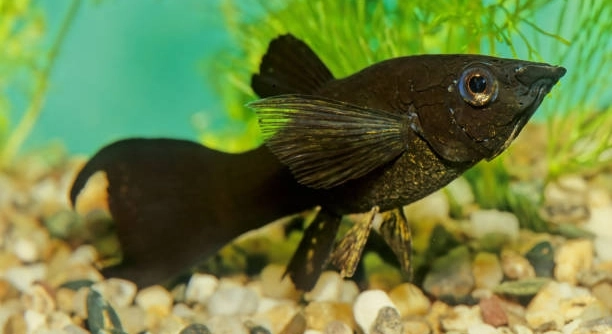
Black Mollies are lively fish that bring energy to any tank. Many aquarists enjoy watching their behavior and how they interact with their environment. Observing them can reveal surprising levels of awareness and adaptation.
Black Mollies can recognize and navigate different tank layouts. Their spatial awareness allows them to remember structures, hiding spots, and open swimming areas. This behavior supports their survival instincts and contributes to their overall comfort within the aquarium environment.
Understanding how tank layout affects their movement and behavior can improve care and tank design for healthier, more active Mollies.
How Black Mollies Explore Their Tanks
Black Mollies are naturally curious and tend to explore their surroundings constantly. They use visual cues to remember where plants, rocks, and decorations are placed. I’ve noticed that once they become familiar with a tank, they swim confidently from one corner to another, avoiding obstacles easily. Changes in layout can confuse them at first, but they usually adapt quickly. Hiding spots are particularly important for them, as these areas provide security and reduce stress. When you rearrange the tank, Mollies may hesitate or swim slower until they feel safe again. Observing their movement patterns can help you understand how they perceive their environment. Lighting and water clarity also affect their exploration. Clear water allows them to see farther, which can make them more comfortable moving around. Over time, they develop preferred routes and favorite spots, which is fascinating to watch. Consistent tank structure supports their natural behavior and helps maintain their well-being.
Their ability to map the tank visually shows strong spatial memory. Mollies adapt quickly to changes once they understand new layouts.
Recognizing tank features also affects social behavior. Mollies often claim specific areas, and their interactions with other fish can shift depending on available space. When hiding spots are limited, territorial disputes can increase. They learn to navigate around plants, rocks, and artificial structures efficiently, showing problem-solving skills. Observing their reactions when new items are added can indicate how well they understand the tank layout. Gradual changes tend to minimize stress, while sudden rearrangements can cause temporary confusion. Tank size plays a role in how freely they explore, with larger tanks offering more complex routes and opportunities for exercise. Additionally, the placement of food, filters, and decorations influences swimming patterns. Watching their routines provides insight into their memory, adaptability, and preference for certain areas. This information can guide adjustments to make the environment more comfortable and stimulating. Proper layout management ensures healthy activity levels and reduces anxiety among the fish.
Tips for Adjusting Tank Layouts
When changing the tank layout, start small and observe how Mollies respond. Slow adjustments help them adapt without stress.
Gradual changes are key to maintaining a stable environment for Black Mollies. Sudden rearrangements can trigger hiding or erratic swimming. Start by moving one decoration or plant at a time, allowing them to explore the new setup before making further changes. Pay attention to their preferred areas, and try to retain familiar landmarks. Keeping hiding spots and open swimming paths intact helps them feel secure. When adding new objects, place them near existing structures to create natural transition zones. Water flow and lighting should be consistent to prevent disorientation. Over time, they will learn the new layout and incorporate it into their swimming patterns. Watching their behavior provides feedback on how comfortable they are with changes. Thoughtful planning and gradual adjustments ensure the tank remains a safe, engaging space, supporting their health, activity, and social interactions.
Recognizing Obstacles and Hiding Spots
Black Mollies quickly notice objects in their tank and remember where safe hiding spots are. They tend to avoid sharp decorations or areas with strong currents, preferring familiar spaces that feel secure and easy to navigate.
Their ability to remember obstacles and hiding places shows a mix of curiosity and caution. I’ve seen my Mollies circle new plants slowly, checking for safety before swimming confidently around them. Rocks, caves, and dense plants become familiar landmarks that guide their movement. They also learn the paths between hiding spots and open areas, which reduces stress and helps them feel in control. Observing their reactions when something new is added can show how well they recognize and adjust to changes. This memory and awareness are important for their daily activity and social interactions with other fish.
Over time, Mollies establish personal routes within the tank, often revisiting the same hiding spots or resting areas. This routine helps them feel secure. They also observe other fish’s paths, sometimes following or avoiding them depending on comfort levels. I noticed that rearranging the tank can temporarily disrupt these patterns, but Mollies usually adapt within a few days. They rely on a combination of sight and memory to navigate efficiently, ensuring they can escape stressors or seek shelter when needed. Recognizing obstacles is part of their natural instincts and contributes to healthier, more confident behavior.
Adjusting to New Tank Layouts
When introducing new decorations, Mollies may explore cautiously, but they adjust faster if changes are gradual. Keeping familiar spots helps them adapt smoothly.
Gradual changes make a big difference in their comfort. If I move too many items at once, my Mollies hide more and swim less, which can indicate stress. I prefer adding one new plant or structure at a time, letting them explore and become familiar before changing anything else. Maintaining clear swimming paths and hiding spots is crucial. They observe new objects carefully, sometimes circling them multiple times before feeling safe. Water flow and lighting consistency also help them learn the new setup. By paying attention to their behavior during this adjustment period, I can gauge if the changes are manageable or need more time. Properly managed layout updates support natural behavior, reduce stress, and keep them active and healthy.
Favorite Swimming Routes
Black Mollies often pick specific paths they swim regularly. These routes usually connect hiding spots, feeding areas, and open spaces where they feel safe.
Routes can change slightly if decorations are moved, but they usually return to familiar paths. Consistency helps them feel secure and confident in their environment.
Interaction with Other Fish
Mollies adjust their swimming routes based on other fish in the tank. They avoid aggressive or territorial fish and stay near calmer companions. I’ve noticed that this behavior helps reduce stress and keeps social dynamics balanced, showing their awareness of both space and others’ presence in the tank.
Impact of Tank Size
Larger tanks allow more complex routes and exploration. Mollies use the extra space to exercise and interact freely with their surroundings, which contributes to their overall health and well-being.
Observing Comfort Levels
Watching how Mollies move and choose spots helps gauge their comfort. Hesitant or erratic swimming can indicate stress, while confident movement shows they are adjusting well to the tank setup.
FAQ
Do Black Mollies need a specific tank size to recognize layouts?
Black Mollies can recognize layouts in tanks of various sizes, but a minimum of 20 gallons is ideal for a small group. Larger tanks give them more space to explore and develop consistent routes, while smaller tanks may limit their natural behavior and make them more stressed. I’ve seen my Mollies quickly learn their routes even in modest tanks, but they are noticeably more active and confident when there’s space to swim freely. The extra room allows them to interact comfortably with other fish while remembering hiding spots and decorations.
How quickly do Mollies adapt to a new layout?
Adaptation speed varies, but most Mollies adjust within a few days to a week. I usually make changes gradually, moving one decoration or plant at a time. Immediate, large changes can cause temporary confusion and hiding behavior. Mollies observe new objects carefully, circling them and testing their safety before incorporating them into their routes. Once they feel secure, they resume normal swimming patterns. Gradual introductions help them remember new landmarks while maintaining their comfort levels. Consistent water conditions, lighting, and familiar hiding spots also support a faster adaptation process.
Can Black Mollies remember multiple hiding spots?
Yes, they often remember several hiding spots throughout the tank. Mollies rely on visual cues and memory to locate safe areas quickly. I’ve noticed they have favorite spots they return to repeatedly, especially when stressed or when other fish are too close. Rocks, caves, and plant clusters are commonly used areas. Some Mollies develop a routine, moving between hiding spots and open swimming areas in predictable patterns. This ability reduces anxiety and supports natural behavior, particularly in community tanks. Properly placed decorations make it easier for them to navigate while feeling secure.
Do Mollies change their behavior with other fish?
Black Mollies adjust their routes and hiding spots depending on tank mates. They avoid aggressive or territorial fish and often stay near calmer companions. In my tank, I noticed that introducing a new, assertive species temporarily altered their swimming patterns until they felt safe again. Mollies also observe other fish’s movement to avoid conflicts. In a peaceful community, they are more confident and active, freely exploring their routes. Their ability to adapt socially shows a strong awareness of both space and the presence of other fish, which is essential for maintaining balance and reducing stress.
Does tank decoration affect their activity levels?
Yes, decorations play a big role in how Mollies move and interact. Properly spaced plants, rocks, and caves create safe paths and allow for exercise. When I added new plants, my Mollies cautiously explored them at first but soon incorporated them into their usual routes. Decorations also influence hiding behavior, helping them feel secure. Too few objects can make the tank feel exposed, causing more cautious or hiding behavior, while overcrowding can disrupt swimming routes. Finding a balance allows them to remain active, confident, and comfortable in their environment.
Are Black Mollies able to recognize changes in water flow or lighting?
Mollies notice variations in water flow and lighting, which can influence where they swim and hide. In my tank, adjusting the filter slightly changed their preferred swimming paths, while brighter lighting encouraged movement in shaded areas. They are sensitive to these environmental cues and use them to navigate safely. Maintaining consistent conditions helps them learn and remember tank layouts more effectively. Sudden changes can disrupt routines, but gradual adjustments allow them to adapt without stress. Their spatial memory works together with sensory awareness to support comfort, activity, and social behavior.
Can I help Mollies remember new layouts faster?
Yes, gradual changes and maintaining familiar points help them learn new layouts quickly. I usually move one decoration at a time and keep hiding spots consistent. Observing their reactions and giving them stable water conditions helps reinforce memory. Positive reinforcement comes naturally; Mollies resume normal swimming and exploration once they feel secure. Patience and small adjustments reduce stress and help them recognize and navigate new structures efficiently.
Do Black Mollies show signs of stress when confused by a layout?
Yes, stress often appears as hiding, erratic swimming, or reduced movement. I noticed that when the tank is rearranged too quickly, Mollies may stay in one corner or cling to familiar hiding spots. Gradual changes, safe zones, and predictable routes minimize stress, allowing them to explore confidently while remembering the new layout. Observing these behaviors helps identify when adjustments are needed to support comfort and health.
How important is repetition for their memory?
Repetition reinforces memory and helps Mollies feel secure. Regularly seeing the same paths, hiding spots, and objects allows them to navigate confidently. I make sure that tank arrangements are mostly consistent, with occasional minor changes. This approach helps them remember new landmarks while maintaining comfort. Their memory improves over time, supporting healthier activity levels and social interactions.
Black Mollies are fascinating fish with surprising awareness of their surroundings. Their ability to recognize tank layouts comes from a mix of memory, observation, and natural instincts. Over time, they learn where hiding spots, decorations, and open swimming areas are located. I’ve noticed that once they are familiar with a tank, their movements become confident and purposeful. They often establish preferred routes, connecting safe spots to areas where they can explore freely. This shows that Mollies do more than just swim randomly—they pay attention to their environment and remember important landmarks. Watching them navigate a well-structured tank can be both calming and interesting, as you can see how they respond to changes and use their knowledge to move efficiently. Their awareness also supports their social behavior, helping them avoid conflict with other fish while finding areas that feel secure.
Adapting a tank to suit Black Mollies can significantly improve their quality of life. Gradual changes are the most effective way to help them recognize new layouts without stress. Moving decorations or adding new plants slowly allows them to explore and learn safely. They notice even small changes, but they are quick to adjust if the transition is careful. Maintaining familiar hiding spots and open swimming paths is crucial. Lighting and water clarity also play a role, as Mollies rely on sight to remember their surroundings. When these factors are consistent, they can build confidence and continue their usual routines, such as swimming their favorite routes and returning to preferred hiding spots. Over time, their adaptation becomes evident in their movement patterns, social interactions, and overall comfort in the tank.
Ultimately, understanding how Black Mollies perceive and navigate their environment can help you create a more comfortable and engaging aquarium. Providing clear paths, safe hiding areas, and stable conditions encourages natural behavior and reduces stress. Observing their responses to new decorations or changes in layout gives insight into their memory and spatial awareness. Mollies may show hesitation at first, but with patience, they adapt and integrate new features into their established routines. Supporting their ability to recognize tank layouts promotes healthier activity, happier interactions with other fish, and a more visually engaging aquarium. Paying attention to these details makes a noticeable difference in how confident and content Mollies become, highlighting the importance of thoughtful tank design and gradual changes.

Hello,
If you enjoy the content that we create, please consider saying a "Thank You!" by leaving a tip.
Every little bit helps us continue crafting quality advice that supports the health, happiness, and well-being of pets around the world, for pets of all shapes, sizes, and species.
We really appreciate the kindness and support that you show us!