
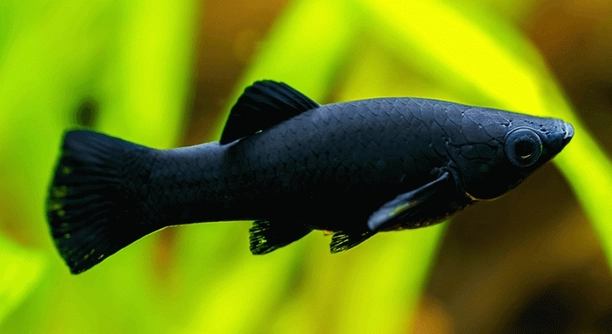
Do you ever find yourself admiring your black molly but wondering why it sometimes looks stressed or unsettled in its tank? Keeping these fish healthy involves more than just feeding them regularly and changing water.
Maintaining stable black molly health relies on controlling key water parameters. Temperature, pH, hardness, ammonia, nitrite, nitrate, and oxygen levels must remain within specific ranges. Properly monitoring these factors reduces stress, prevents disease, and ensures long-term stability in the aquarium.
Understanding these water conditions will help you create a consistent and safe environment. Each parameter plays a role in supporting the wellbeing of your black molly.
Temperature
Black mollies thrive in water temperatures between 24°C and 28°C. Keeping the water too cold can slow their metabolism, reduce activity, and make them more susceptible to disease. On the other hand, water that is too warm decreases oxygen levels and increases stress. Using a reliable heater and thermometer helps maintain a stable environment. Sudden temperature changes can shock the fish and may lead to serious health issues. Regular monitoring ensures the water stays within the safe range. Even small fluctuations, like a few degrees, can affect their behavior, feeding, and breeding patterns. Consistency is more important than exact precision, but stability is crucial for long-term health. For tanks with multiple species, aim for a temperature suitable for all inhabitants to prevent conflicts or stress. Heating systems with built-in thermostats reduce the risk of extreme swings. This creates a steady, comfortable environment where black mollies can swim, feed, and reproduce naturally, avoiding unnecessary stress.
Maintaining the right temperature keeps black mollies active and healthy. Sudden shifts can trigger illness or weaken their immune system.
A stable temperature also supports biological processes like digestion and reproduction. Black mollies are tropical fish, so they rely on warmth to regulate their energy levels. Sudden cooling can lead to sluggish swimming, loss of appetite, and lower resistance to infections. If the water gets too hot, oxygen decreases and the fish may become agitated or even suffer from organ damage. Using a heater with a thermostat is the easiest way to maintain steady temperatures, while avoiding direct sunlight or drafts prevents accidental fluctuations. Regularly checking the thermometer helps spot small changes before they become dangerous. Over time, consistent warmth encourages healthy growth and breeding, making the tank a safe and balanced environment. For tanks with multiple species, choosing a middle-range temperature that suits all fish helps everyone stay healthy. Temperature control is simple but essential for the overall wellbeing of black mollies.
pH Level
Black mollies prefer slightly alkaline water, ideally between 7.5 and 8.5.
Maintaining proper pH prevents stress and promotes proper metabolic function. Sudden pH swings can harm gill function and weaken immune responses.
Consistent pH levels encourage healthy feeding habits and natural behavior. Mollies in water that is too acidic may show signs of stress, including rapid gill movement, reduced activity, or skin discoloration. Test kits should be used regularly to track the pH and address changes quickly. Adjusting pH can be done with commercially available buffers, crushed coral, or baking soda, but changes should be gradual to avoid shocking the fish. Water additions must be considered carefully; tap water may alter pH depending on local mineral content. For breeding tanks, stable pH is even more critical, as eggs and fry are sensitive to acidic conditions. Over time, maintaining the right pH supports growth, prevents disease, and ensures that black mollies live longer, healthier lives. Consistency in pH is a simple but important step in creating a balanced aquarium environment.
Water Hardness
Black mollies prefer moderately hard water, ideally between 10 and 25 dGH. Hard water provides essential minerals like calcium and magnesium that support bone structure, scale development, and overall health. Maintaining consistent hardness prevents stress and promotes normal behavior in the aquarium.
Hardness influences how black mollies process nutrients and maintain proper osmoregulation. Soft water may lead to weak bones, poor scale formation, and increased susceptibility to disease. Testing water regularly helps ensure that mineral levels remain stable. Adding crushed coral, limestone, or commercial mineral supplements can gradually adjust hardness without shocking the fish. Rapid changes in water hardness can affect gill function, making fish more prone to infections and stress. Maintaining the right balance allows black mollies to thrive, feed actively, and reproduce naturally. Consistency is key, as sudden fluctuations can cause more harm than moderate, stable levels.
Stable water hardness also supports egg and fry development during breeding. Mollies are livebearers, and insufficient minerals may result in weaker fry or lower survival rates. Over time, maintaining proper hardness creates a healthier, more vibrant aquarium where black mollies can swim freely, interact naturally, and show bright coloration. Monitoring both GH and KH helps balance minerals and pH simultaneously. Simple adjustments, performed gradually, maintain a consistent environment that promotes long-term wellbeing. Proper hardness also supports beneficial bacteria growth in the tank, aiding in waste breakdown and overall water quality.
Ammonia Levels
Ammonia must always remain at 0 ppm in a black molly tank.
Even small traces can stress fish, damage gills, and lead to illness.
Ammonia is produced by fish waste, uneaten food, and decaying plants. High levels are toxic and can kill black mollies quickly. Regular water changes, proper filtration, and avoiding overfeeding are essential to control ammonia. Testing kits should be used frequently, especially in new tanks. Cycling the aquarium before adding mollies ensures bacteria establish to convert ammonia into less harmful compounds. Monitoring ammonia also prevents long-term water quality issues, keeping fish healthy and active. Sudden spikes can cause lethargy, loss of appetite, or unusual swimming patterns. Maintaining 0 ppm ensures a safe environment for black mollies and supports natural behavior, growth, and reproduction.
Nitrite Levels
Nitrite should always be kept at 0 ppm. Even low amounts can interfere with oxygen transport in black mollies, causing stress and potential illness.
Proper filtration and regular water changes prevent nitrite accumulation. Newly established tanks are most at risk, so testing frequently is crucial to ensure a safe environment.
Nitrate Levels
Nitrate should be kept below 40 ppm to prevent stress and long-term health problems. While less toxic than ammonia or nitrite, high nitrate levels can reduce immunity, cause sluggish behavior, and contribute to algae growth. Regular water changes and controlling feeding amounts help maintain safe nitrate concentrations. Monitoring levels ensures black mollies remain healthy and active.
Oxygen Levels
Adequate oxygenation is vital for black mollies. They rely on dissolved oxygen to breathe efficiently and remain active in the tank. Low oxygen levels can lead to rapid gill movement, lethargy, and increased susceptibility to disease. Aeration devices or proper water flow help maintain sufficient oxygen.
FAQ
What is the ideal temperature for black mollies?
The ideal temperature for black mollies is between 24°C and 28°C. Maintaining a steady temperature within this range supports metabolism, activity, and immune function. Sudden changes can stress the fish, reduce feeding, and make them more susceptible to disease. Using a reliable heater with a thermostat helps keep the water stable, while avoiding direct sunlight or cold drafts prevents accidental fluctuations. Checking the thermometer regularly ensures the water remains safe. Consistent warmth also promotes healthy growth and reproduction, helping the black mollies stay active and display natural behavior.
How often should I test the pH level?
Testing pH weekly is recommended, especially in new tanks or after adding water or decorations. Black mollies prefer a slightly alkaline pH of 7.5 to 8.5. Sudden changes in pH can stress the fish, damage gills, and interfere with nutrient absorption. Gradual adjustments using buffers or natural methods like crushed coral can correct pH without shocking the fish. Maintaining stable pH supports normal feeding, behavior, and overall health.
What water hardness is best for black mollies?
Moderately hard water, between 10 and 25 dGH, is ideal. Hard water provides calcium and magnesium, essential for bone strength, scale development, and overall wellbeing. Soft water may lead to weak bones, poor coloration, and higher disease risk. Gradual adjustments using mineral supplements or natural materials can stabilize hardness safely. Maintaining consistent hardness also helps regulate pH and supports beneficial bacteria growth, keeping the tank balanced.
Why is ammonia dangerous for black mollies?
Ammonia is highly toxic even at low levels. It irritates gills, stresses the fish, and can lead to illness or death. Fish waste, uneaten food, and decaying plants produce ammonia, so regular water changes and proper filtration are essential. New tanks are most vulnerable until beneficial bacteria establish. Keeping ammonia at 0 ppm ensures black mollies remain healthy, feed normally, and show active behavior.
How can I control nitrite levels?
Nitrite must remain at 0 ppm. It interferes with oxygen transport and stresses the fish. Proper cycling of the tank, regular water changes, and maintaining healthy bacterial colonies in the filter prevent nitrite accumulation. Monitoring nitrite levels frequently, especially in new tanks, is essential. Stable nitrite levels protect gill function and overall fish health.
What nitrate level is safe for black mollies?
Nitrate should stay below 40 ppm. While less toxic than ammonia or nitrite, high nitrate reduces immunity, slows growth, and encourages algae growth. Regular partial water changes and careful feeding help keep nitrate levels in check. Maintaining safe nitrate concentrations promotes long-term health, vibrant coloration, and active behavior in black mollies.
How do I ensure proper oxygen levels?
Adequate oxygen is crucial. Black mollies rely on dissolved oxygen for breathing and activity. Low oxygen causes rapid gill movement, lethargy, and vulnerability to disease. Adding an air pump, ensuring water circulation, or using live plants can maintain oxygen levels. Regular monitoring helps avoid stress and supports healthy tank conditions.
Can black mollies tolerate small fluctuations in water parameters?
Small, gradual changes are usually tolerated, but sudden shifts in temperature, pH, hardness, or chemical levels cause stress. Consistency is more important than exact precision. Keeping parameters stable allows black mollies to feed, swim, and reproduce naturally, reducing the risk of illness.
How often should water be changed?
Partial water changes of 20-30% weekly help maintain safe levels of ammonia, nitrite, nitrate, and other minerals. More frequent changes may be needed in heavily stocked or smaller tanks. Consistent maintenance supports healthy water chemistry and keeps black mollies active and vibrant.
Can I adjust multiple parameters at once?
Adjusting multiple parameters at once can shock fish. Gradual changes, one parameter at a time, are safer. Testing before and after adjustments ensures the water remains stable. Careful monitoring allows black mollies to adapt without stress or health issues.
Maintaining a healthy environment for black mollies depends on consistent care and attention to water parameters. Temperature, pH, hardness, ammonia, nitrite, nitrate, and oxygen levels all play a role in their overall wellbeing. Each factor affects behavior, metabolism, and immune function, so keeping them within the right range is essential. Sudden changes or neglecting any one of these elements can lead to stress, illness, or even death. Regular testing and observation help detect issues early, allowing adjustments before they become serious problems. While some fish can tolerate minor fluctuations, black mollies do best in stable, predictable conditions. This makes monitoring simple daily habits, like checking the thermometer, performing water changes, and observing fish behavior, very important. Even small steps can have a significant impact on their health, making the tank a safer and more comfortable home for them.
Providing a consistent and balanced environment also promotes natural behavior. Black mollies are active, social fish that respond well to stable conditions. They swim more freely, feed regularly, and display brighter colors when their tank supports them properly. Maintaining proper water hardness and pH ensures their metabolism and osmoregulation function efficiently, while controlling ammonia, nitrite, and nitrate prevents stress and disease. Oxygen levels affect energy and activity, and keeping them sufficient allows fish to thrive instead of struggling. When these parameters are balanced, black mollies also reproduce more successfully, producing healthy fry. Careful attention to water quality creates an environment where they can live longer and healthier lives. Over time, this stability reduces the likelihood of common problems like disease outbreaks, poor growth, or sudden death. A well-maintained tank is the foundation for happy, active, and visually vibrant black mollies.
Consistency in care and attention to detail is key for long-term success. Using proper equipment, such as heaters, filters, and aeration systems, simplifies maintaining stable conditions. Testing water regularly and making gradual adjustments helps prevent sudden changes that could harm the fish. Feeding habits also influence water quality, so avoiding overfeeding and removing uneaten food promptly supports a healthy balance. Observing fish behavior gives clues to potential problems, allowing quick action before issues escalate. Black mollies are resilient when given the right conditions, but they rely on their environment for survival and comfort. By focusing on the seven main water parameters and maintaining them carefully, you create a stable, safe, and supportive habitat. Over time, this attention not only ensures the health of black mollies but also enhances their natural beauty, energy, and behavior, making the aquarium a more enjoyable and rewarding space.

Hello,
If you enjoy the content that we create, please consider saying a "Thank You!" by leaving a tip.
Every little bit helps us continue crafting quality advice that supports the health, happiness, and well-being of pets around the world, for pets of all shapes, sizes, and species.
We really appreciate the kindness and support that you show us!