
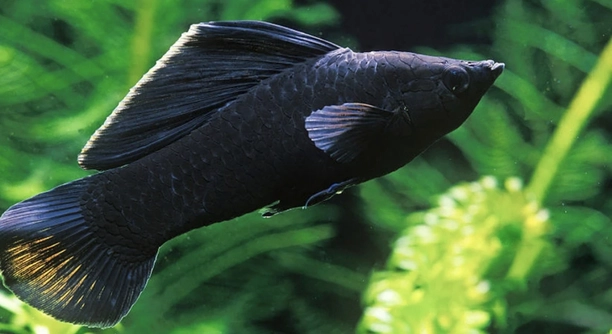
Keeping black mollies in a home aquarium can be a rewarding experience. They are lively, beautiful fish, but like any pet, they are prone to illness. Recognizing early signs of disease helps maintain their health and wellbeing.
Black mollies often show early indicators of disease through changes in behavior, appearance, and appetite. Observing sluggish swimming, faded colors, frayed fins, or unusual spots can signal infection, parasites, or poor water conditions, allowing prompt treatment to prevent worsening conditions.
Learning to spot these warning signs early ensures your black molly remains healthy and happy. Awareness of subtle changes can make a significant difference in preventing serious illness.
Lethargy and Unusual Swimming Patterns
Sometimes my black molly would just hang near the bottom of the tank, barely moving. Lethargy is one of the first signs that something is off. Healthy mollies are usually active, swimming in groups or exploring their surroundings. When a fish slows down noticeably, it could indicate stress, infection, or poor water quality. Other subtle changes include staying in one corner or floating unusually at the surface. This behavior might be accompanied by loss of appetite, which can worsen the condition if not addressed. Water parameters like temperature, pH, and ammonia levels directly affect activity. Monitoring these factors consistently helps prevent lethargy before it becomes serious. Observing your molly every day makes it easier to spot these early changes. Early action, such as partial water changes or adjusting diet, can restore energy levels quickly. Ignoring these signs often leads to secondary health issues or more aggressive infections.
Lethargy signals health stress and should prompt immediate attention to water quality and nutrition adjustments.
Sluggish movement or resting at the tank bottom for long periods is not normal. Catching this early improves recovery chances.
Faded Colors and Clamped Fins
Faded colors in black mollies can indicate illness or stress. Their natural dark, shiny appearance dulls when they are unwell. Clamped fins, where the fins stay close to the body instead of spreading out, often accompany color changes. Both signs can point to infections, parasites, or poor water conditions. Maintaining clean water and a balanced diet is essential. Sudden changes in lighting or overcrowding also affect color intensity. Noticing these subtle differences helps intervene before serious disease develops. Sometimes adding hiding spots or reducing stress factors can help mollies regain their natural vibrancy. Avoiding chemical treatments unless necessary prevents further stress. Regular observation and recording behavior make identifying these issues easier.
Faded colors and clamped fins often precede more serious health problems, so early recognition is vital.
Consistently monitoring your molly’s color and fin condition can prevent disease escalation. Adjusting tank temperature, improving diet, or isolating the affected fish supports faster recovery. Stress reduction and proper water maintenance are the most effective ways to restore color and fin health, ensuring your molly feels comfortable and safe. Overlooking these visual cues can lead to serious infections or permanent damage, so keeping a close eye on your fish is important. Some mollies may take time to show improvement, but patience and proper care usually restore their vibrant appearance. Observing other tank mates for similar signs can also prevent cross-infection, making your aquarium healthier overall. Small daily checks make a big difference in preventing long-term issues and keeping your black mollies thriving.
Loss of Appetite
A sudden loss of appetite is often an early warning that a black molly is unwell. If they stop eating or pick at food, it usually signals stress, illness, or poor water conditions. This should be addressed immediately to prevent further health decline.
Loss of appetite can result from infections, parasites, or sudden changes in the tank environment. I noticed my molly refusing food after a minor water imbalance, and it quickly worsened until I corrected the parameters. Providing fresh, high-quality food and checking water conditions are key steps. Isolation of the affected fish sometimes helps reduce competition and stress, encouraging them to eat again. Observing stool consistency and behavior alongside feeding can give clues about internal problems.
To help mollies recover their appetite, I often start with small portions of easy-to-digest foods like bloodworms or finely crushed flakes. Gradually returning to a regular diet helps their digestive system stabilize. Consistent tank maintenance and avoiding overcrowding improve their willingness to eat. Monitoring other tank mates for similar symptoms prevents wider issues. Sometimes minor environmental adjustments, like temperature or lighting, can restore normal feeding behavior.
Rapid Gill Movement
Rapid gill movement is a clear sign that a molly may be struggling with oxygen intake or gill infection. Observing this early helps prevent serious respiratory issues. Stress, high ammonia levels, or poor water circulation often trigger this condition.
I once saw my molly breathing heavily near the water surface. Testing the water revealed elevated nitrite levels. Immediate partial water changes and aeration restored normal gill function. Rapid gill movement can also indicate internal parasites or bacterial infections. Monitoring water quality regularly and providing proper filtration reduces these risks.
To manage this, I make sure aerators are working well, and I remove any decaying matter that might reduce oxygen. Adjusting temperature and checking pH can also relieve respiratory stress. Infections may require medication, but prevention through clean water and balanced conditions is best. Observing daily behavior, including gill rate and activity level, ensures timely intervention. Proper care and attentive monitoring make recovery faster and prevent long-term damage to delicate gill tissues.
White Spots on Body
White spots appearing on a black molly usually indicate a parasitic infection like ich. These spots are small but noticeable, often on the fins and body. Early detection allows for faster treatment and prevents spreading to other fish in the tank.
I noticed tiny white specks on my molly’s back and fins. The spots seemed to multiply quickly, and the fish scratched against decorations. Immediate treatment with a medicated bath and improving water quality stopped the infection from worsening. Quarantining affected fish also helped protect healthy tank mates.
Frayed or Torn Fins
Frayed or torn fins are a common sign of fin rot or injury. Poor water quality, aggression from other fish, or bacterial infection can cause fins to appear ragged. Prompt cleaning of the tank and proper treatment can prevent permanent damage.
Swollen Abdomen
A swollen abdomen in black mollies can indicate internal parasites, constipation, or organ problems. Observing the fish closely and adjusting diet or seeking treatment helps prevent further health issues.
Frequent Hiding
Frequent hiding is often a sign of stress or illness. Mollies usually explore the tank, so staying hidden for long periods signals something may be wrong.
What should I do if my black molly shows white spots?
White spots usually indicate ich or another parasitic infection. The first step is to isolate the affected fish to prevent spreading. Raising the water temperature slightly and using an over-the-counter ich treatment can help eliminate parasites. Frequent water changes and cleaning the tank decorations reduce lingering spores. Monitor the molly daily, and repeat treatment as directed until the spots disappear. Improving overall tank conditions helps the fish recover faster and prevents reinfection.
How can I tell if my molly is stressed?
Signs of stress include hiding more than usual, clamped fins, faded colors, and loss of appetite. Sudden changes in water temperature, overcrowding, or aggressive tank mates can trigger stress. I noticed my molly hiding constantly after adding new fish. Ensuring proper water conditions, providing hiding spots, and reducing aggressive tank behavior helps mollies feel secure. Gradually adjusting tank conditions instead of sudden changes is important. Stress weakens immunity, making the fish more susceptible to disease.
Why is my black molly lethargic?
Lethargy can result from poor water quality, infections, or internal parasites. My molly once stayed at the bottom for days, and water testing revealed high ammonia levels. Immediate partial water changes and improving filtration restored her energy. Monitoring swimming patterns and appetite can indicate underlying problems early. Maintaining a stable environment and consistent feeding schedule is key to preventing lethargy.
What causes fin rot and how can I treat it?
Fin rot usually occurs due to bacterial infections, poor water conditions, or injury. I noticed my molly’s fins fraying after overcrowding in the tank. Cleaning the tank, performing frequent water changes, and using antibacterial treatments helped the fins heal. Preventing injury from sharp decorations and ensuring a balanced diet can reduce the risk. Quarantining sick fish prevents spreading the infection to others.
How do I handle a molly with a swollen abdomen?
A swollen abdomen may indicate constipation, internal parasites, or organ problems. Feeding shelled peas or adjusting the diet often helps relieve constipation. If swelling persists, testing for parasites or consulting with an aquatic vet may be necessary. Maintaining a balanced diet and regular tank cleaning reduces recurrence. I noticed improvement after adding fiber-rich foods and observing the molly closely.
What should I do if my molly stops eating?
Loss of appetite is an early warning of illness. Isolate the fish if needed, offer high-quality food in small portions, and check water parameters. My molly stopped eating after a temperature drop, and partial water changes restored normal behavior. Stress reduction and proper nutrition often encourage feeding. Monitoring stool consistency and activity helps identify internal issues early.
Why does my molly breathe rapidly at the surface?
Rapid gill movement signals low oxygen or gill problems. Adding aeration, cleaning the tank, and checking water parameters usually helps. Infections may require medication, but prevention through clean water is better. I once corrected nitrite levels and saw normal gill function return within a day. Daily observation ensures early detection of respiratory stress.
How do I prevent diseases in black mollies?
Maintaining clean water, regular partial water changes, proper filtration, and a balanced diet are essential. Avoid overcrowding and stress from aggressive tank mates. Quarantining new fish before introducing them to the main tank helps prevent disease introduction. Consistent observation of behavior, color, and appetite allows early detection and treatment. Proper care creates a healthy, stress-free environment where mollies thrive and remain vibrant.
Keeping black mollies healthy takes attention and consistency, but it is very rewarding. These fish are naturally active, social, and visually striking, so noticing small changes in behavior or appearance can give early clues to potential health problems. Watching for signs such as lethargy, loss of appetite, clamped fins, or unusual spots helps prevent issues from becoming severe. Regular observation is important because black mollies are good at hiding minor symptoms until a problem worsens. Simple steps like checking water parameters, keeping the tank clean, and providing a balanced diet make a big difference in their overall well-being.
Water quality plays a major role in keeping mollies healthy. Maintaining stable temperature, pH, and ammonia levels prevents stress and disease. Frequent partial water changes remove waste buildup that can trigger fin rot, gill problems, or infections. Filtration systems and aerators ensure oxygen levels remain sufficient, which reduces respiratory issues. Avoiding overcrowding also minimizes stress and prevents aggressive interactions that can damage fins or scales. Observing your fish daily allows you to notice small changes in activity, color, or eating habits, which may indicate the need for corrective action before serious illness develops. Taking preventive measures is always easier and more effective than trying to treat advanced disease.
Diet and environment are equally important. Providing a varied and high-quality diet supports strong immunity and proper growth. Foods like flakes, pellets, and occasional live or frozen treats give necessary nutrients. Adding plants or decorations provides hiding spots and stimulation, reducing stress and encouraging natural behaviors. Quarantining new fish before adding them to the main tank helps prevent the introduction of disease. Patience and consistent care go a long way. With regular monitoring, attention to water quality, and proper feeding, black mollies can remain active, colorful, and healthy for many years.

Hello,
If you enjoy the content that we create, please consider saying a "Thank You!" by leaving a tip.
Every little bit helps us continue crafting quality advice that supports the health, happiness, and well-being of pets around the world, for pets of all shapes, sizes, and species.
We really appreciate the kindness and support that you show us!