
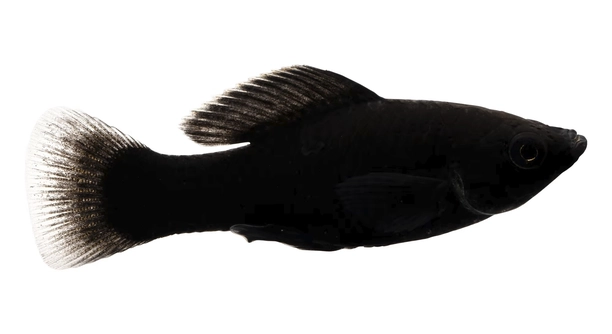
Black Mollies are popular freshwater fish admired for their striking black coloration and peaceful temperament. Maintaining the right aquarium conditions is essential, and lighting plays a significant role in supporting their health and overall well-being.
The best lighting for Black Mollies is moderate, full-spectrum light that mimics natural daylight. This encourages healthy plant growth, supports their circadian rhythms, and enhances their natural coloration without causing stress or algae overgrowth in the tank.
Proper lighting can make a noticeable difference in your Black Molly’s appearance and activity, ensuring they thrive in a vibrant and balanced environment.
Understanding Black Molly Lighting Needs
Black Mollies thrive in aquariums that provide consistent, natural-like lighting. Too little light can make them appear dull, reduce activity, and affect their appetite. On the other hand, excessively bright lighting can stress the fish, making them hide or become lethargic. Moderate, full-spectrum lighting closely mimics their natural habitat and supports both their health and coloration. Lighting also helps aquarium plants grow, which indirectly benefits the fish by improving water quality and providing hiding spots. For a tank of Black Mollies, aim for 8 to 10 hours of light daily, using a timer to maintain consistency. LED lights are a popular option because they provide the correct spectrum, are energy-efficient, and produce less heat, which helps maintain stable water temperatures. Positioning lights above the tank evenly ensures all areas are illuminated without creating overly bright or dark zones. Consistency in lighting helps the fish settle into a healthy routine.
Proper lighting enhances both the health and appearance of Black Mollies, making them more active and vibrant in the tank.
Maintaining consistent lighting not only improves the fish’s color but also regulates their behavior. Plants benefit as well, creating a balanced ecosystem. Observing how the fish respond over time will guide any adjustments needed to ensure their habitat remains comfortable and visually appealing.
Choosing the Right Type of Light
LED lights are the most efficient option for a Black Molly tank, offering control over intensity and spectrum.
LED and fluorescent lights both provide adequate illumination, but LEDs last longer, use less energy, and generate less heat. Full-spectrum LEDs replicate natural daylight, enhancing the fish’s coloration and supporting plant growth. Avoid using overly bright bulbs or lights that produce excessive heat, as they can cause stress. Using a timer ensures a consistent day-night cycle, which helps regulate feeding and activity patterns. Consider the tank size and depth when selecting the light, as larger or deeper tanks may require stronger or multiple light sources. Placement of the light should be even to avoid shadows or dark corners where algae could grow or fish may feel insecure. Routine monitoring and adjusting the duration or intensity of lighting can prevent stress and promote a balanced aquarium environment for Black Mollies.
Proper lighting selection ensures the Black Mollies remain healthy, colorful, and active, while supporting plant life and water quality. Consistency and care are key to maintaining a thriving tank.
Ideal Duration of Lighting
Black Mollies benefit from a consistent light schedule of 8 to 10 hours daily. Overexposure can stress them, while too little light can affect activity and plant growth. Using a timer helps maintain a steady routine, ensuring the tank environment remains balanced and comfortable.
Maintaining the correct lighting duration supports the natural behavior of Black Mollies. When lights are on for the right amount of time, the fish are more active, feed properly, and display better coloration. Plants in the tank also thrive, which improves water quality and provides hiding spots. Adjustments may be needed depending on tank size, plant density, or seasonal changes, but consistency is key. Sudden changes in light duration can cause stress, leading to health issues or decreased appetite. Observing how the fish respond daily will help determine the optimal timing for your specific setup, ensuring a stable environment.
A proper lighting schedule also helps prevent excessive algae growth in the tank. By keeping the light consistent, the fish remain healthier, plants grow steadily, and the tank environment is easier to manage and maintain. Careful monitoring allows small adjustments that create a stable habitat for both Black Mollies and aquatic plants.
Balancing Light with Tank Decor
Reflective surfaces and open spaces influence how lighting impacts Black Mollies. Shiny or light-colored decorations can amplify brightness, while dense plants create shaded areas. Proper placement ensures a balanced environment.
Balancing light with tank decor ensures Black Mollies feel secure while showing off their natural coloration. Open areas allow for swimming, while plants and hiding spots prevent stress and provide shelter. Overly reflective decorations or excessive glass surfaces can intensify light, causing discomfort. Strategically arranging plants and ornaments creates a mix of shaded and bright areas, giving the fish choice and reducing stress. This setup also helps distribute light evenly, supporting plant photosynthesis and controlling algae growth. Monitoring fish behavior will indicate if adjustments are needed to maintain an ideal balance between light and shelter.
Properly balanced lighting with thoughtful decoration placement enhances tank aesthetics and creates a comfortable environment for Black Mollies. Careful consideration of both light intensity and décor ensures fish remain active, healthy, and visually striking, while plants grow steadily and water quality stays optimal. This combination contributes to a stable, thriving aquarium ecosystem.
Light Intensity
Moderate light is ideal for Black Mollies. Too bright can stress them, while too dim reduces activity and dulls their color. Adjusting intensity gradually helps the fish acclimate and keeps the tank comfortable for both fish and plants.
Using dimmable LEDs or adjustable fixtures allows control over brightness. This ensures a healthy environment and reduces the risk of stress, while still supporting plant growth and vibrant coloration.
Effect on Fish Behavior
Proper lighting influences swimming patterns and activity levels in Black Mollies. When light is balanced, they explore the tank, interact more, and display natural behaviors. Stressful lighting can cause hiding or lethargy, so monitoring reactions is essential. Maintaining a steady light schedule helps establish routine and comfort.
Seasonal Adjustments
Natural seasonal changes may affect the light Black Mollies receive if the tank is near windows. Adjusting artificial light accordingly maintains consistency and prevents stress.
FAQ
What type of lighting is best for Black Mollies?
Moderate, full-spectrum lighting is ideal for Black Mollies. This type of light mimics natural daylight, enhances their coloration, and supports plant growth in the tank. LED lights are preferred because they are energy-efficient, long-lasting, and produce minimal heat, maintaining stable water temperatures for the fish.
How long should the lights stay on each day?
Black Mollies thrive with 8 to 10 hours of light daily. Using a timer helps maintain a consistent schedule, which supports their circadian rhythm, reduces stress, and encourages regular feeding and activity. Too much light can cause stress and algae growth, while too little reduces activity and dulls color.
Can too much light harm my Black Mollies?
Yes, excessive brightness can stress Black Mollies, causing them to hide or become lethargic. High-intensity lighting may also promote algae growth, which can affect water quality. Adjusting light intensity gradually and providing shaded areas through plants or decorations helps the fish feel secure.
Do Black Mollies need a day-night cycle?
Yes, a consistent day-night cycle is important. Black Mollies are accustomed to natural rhythms, and regular light and dark periods reduce stress. Using a timer ensures the lights turn on and off at the same time each day, helping fish maintain a healthy routine.
Will lighting affect plant growth in the tank?
Absolutely. Proper lighting supports photosynthesis, which is essential for healthy plant growth. Plants improve water quality and provide hiding spaces for Black Mollies. Full-spectrum light works best for both fish and plants, creating a balanced and thriving aquarium environment.
What is the best placement for aquarium lights?
Lights should be positioned evenly above the tank to avoid dark corners or overly bright spots. Reflective surfaces and tank decorations can affect brightness, so arranging plants and ornaments thoughtfully ensures a balanced environment with areas for swimming and shelter.
Are LED lights better than fluorescent lights?
LED lights are generally preferred because they last longer, use less energy, and produce less heat. Full-spectrum LEDs closely replicate natural daylight, enhancing the fish’s natural coloration and promoting plant growth. Fluorescent lights also work but may require more frequent replacement and can produce more heat.
Can lighting intensity be adjusted?
Yes, dimmable lights or adjustable fixtures allow control over brightness. Gradually increasing or decreasing intensity helps Black Mollies acclimate without stress. This flexibility also helps manage algae growth and ensures plants receive the right amount of light for photosynthesis.
Does the color of the light matter?
Full-spectrum light is best because it mimics natural daylight. It enhances the black coloration of Mollies, supports plant growth, and creates a visually pleasing tank environment. Avoid colored lights that are too intense, as they can stress the fish and disrupt natural behaviors.
How do I know if the lighting is right for my Black Mollies?
Observe the fish’s behavior and appearance. Healthy Mollies are active, display vibrant color, and interact naturally. If they hide frequently, become lethargic, or show dull coloration, the light may be too bright or too dim. Adjust intensity, duration, or placement to create a comfortable balance.
Should lighting be adjusted seasonally?
Yes, natural light near windows can change with the seasons. Adjust artificial lighting to maintain consistency and prevent stress. Using a timer ensures a steady schedule despite external changes, helping Black Mollies maintain normal activity patterns and overall health.
Can improper lighting affect fish health?
Yes, poor lighting can cause stress, reduce appetite, and affect behavior. Over time, this may weaken the immune system, making the fish more susceptible to disease. Balanced, consistent lighting supports both mental and physical health, enhancing longevity and quality of life in the tank.
How does lighting affect algae growth?
Excessive or poorly managed light encourages algae growth, which can compete with plants and degrade water quality. Maintaining proper light intensity and duration, along with regular tank maintenance, helps control algae while keeping both Black Mollies and plants healthy.
Is it necessary to change the light bulb regularly?
Yes, even LED or fluorescent bulbs lose intensity over time. Regular replacement ensures consistent brightness and spectrum, supporting fish health, plant growth, and the overall balance of the aquarium. Monitor the light’s performance and replace it when colors appear dull or output decreases.
Can tank size influence lighting needs?
Yes, larger or deeper tanks may require stronger or multiple light sources to ensure even coverage. Proper lighting distribution prevents dark corners and ensures plants and fish receive the benefits of consistent illumination. Monitoring fish behavior can help identify if adjustments are needed.
Do Black Mollies react differently to natural vs artificial light?
They respond best to a combination that mimics natural daylight. Artificial full-spectrum light provides consistency and stability, while natural light can supplement it if carefully controlled. Avoid direct sunlight, as it can overheat the tank and promote algae growth.
What adjustments should I make if my plants are not thriving?
Check light intensity, duration, and spectrum. Ensure full-spectrum lighting reaches all parts of the tank. Adding reflective surfaces or repositioning plants can improve light distribution. Healthy plant growth indirectly benefits Black Mollies by providing shelter and improving water quality.
How do decorations impact lighting effects?
Tank decorations and plants create shaded areas and influence how light spreads. Balanced placement prevents overly bright spots and gives Black Mollies areas to retreat. Strategic décor ensures light supports both fish and plant health while creating a comfortable, natural-feeling environment.
Can stress from improper lighting be reversed?
Yes, by adjusting intensity, duration, and placement, Black Mollies can recover. Providing shaded areas, consistent day-night cycles, and gradual changes helps the fish regain normal behavior and coloration, improving overall well-being in the tank.
What is the easiest way to maintain consistent lighting?
Using a timer is the simplest method. It ensures lights turn on and off at the same time each day, creating a stable routine that supports fish behavior, plant growth, and overall tank health. Consistency is key for a thriving aquarium.
How can I prevent lighting-related problems in the future?
Regularly monitor fish behavior, plant growth, and algae levels. Adjust light intensity, duration, and placement as needed. Replacing bulbs on schedule and using a timer maintains stability, preventing stress and ensuring a balanced, healthy environment for both Black Mollies and aquatic plants.
Can lighting improve the color of Black Mollies?
Yes, moderate, full-spectrum light enhances their natural black coloration. Proper lighting highlights scales, promotes healthy skin, and ensures they remain visually striking while also supporting overall health and activity.
Is it necessary to have multiple light sources?
In larger or heavily planted tanks, multiple lights ensure even coverage. This prevents dark areas and promotes consistent plant growth, while giving Black Mollies space to swim and retreat. Proper distribution improves the overall tank environment.
How do I monitor if lighting is effective?
Observe fish activity, behavior, and color. Active, vibrant Mollies and healthy plants indicate proper lighting. Algae growth should be controlled. If any signs of stress appear, adjust intensity, duration, or placement to restore balance in the tank.
What type of timer works best for aquarium lighting?
Digital timers are precise and easy to set. They allow consistent on/off cycles, gradual adjustments, and reliable control over lighting duration. This consistency reduces stress and helps maintain a healthy routine for both fish and plants.
How often should lighting schedules be reviewed?
Check schedules every few weeks or after seasonal changes. Observing fish and plant response ensures the lighting remains appropriate. Minor adjustments maintain stability, prevent stress, and support overall tank health for Black Mollies.
Can lighting influence breeding behavior?
Yes, consistent and appropriate lighting encourages natural behavior, including mating. Bright or inconsistent light may inhibit breeding, while a balanced day-night cycle and moderate intensity help create a comfortable environment conducive to reproduction.
Are there signs that indicate lighting changes are needed?
Lethargy, hiding, dull coloration, and excessive algae growth are key indicators. Observing these signs allows timely adjustments in intensity, duration, or placement to restore balance and improve fish and plant health.
How do I combine natural and artificial light safely?
Avoid direct sunlight, which can overheat the tank and encourage algae. Use artificial full-spectrum light for consistency and supplement carefully with indirect natural light. Gradual changes prevent stress, supporting fish behavior and plant growth.
Can lighting affect water temperature?
Yes, some lights, particularly incandescent or high-wattage bulbs, can increase water temperature. LEDs produce minimal heat, making them a safer choice. Monitoring temperature ensures it stays within the ideal range for Black Mollies.
Should I adjust lighting if adding new plants or decorations?
Yes, new additions may create shaded areas or reflect light differently. Adjust intensity or reposition lights to maintain even coverage, ensuring both plants and Black Mollies benefit from proper illumination.
What is the relationship between lighting and algae management?
Proper lighting reduces excess algae growth. Overly bright or prolonged light promotes algae, while balanced intensity and duration, combined with regular maintenance, prevent overgrowth and maintain water quality, keeping the tank healthy for fish and plants.
How do I gradually adjust lighting for Black Mollies?
Increase or decrease intensity in small increments over several days. This prevents sudden stress and allows the fish to acclimate. Monitor behavior to ensure adjustments are beneficial and maintain comfort in the tank.
Are there any lighting setups to avoid?
Avoid excessively bright, colored, or inconsistent lighting. Direct sunlight and high-intensity bulbs can cause stress, algae overgrowth, and temperature fluctuations. Focus on full-spectrum, moderate light with consistent timing for optimal results.
What are the long-term benefits of proper lighting?
Proper lighting ensures healthy, active Black Mollies, vibrant coloration, stable plant growth, controlled algae, and a balanced tank environment. Consistency reduces stress, supports natural behavior, and improves overall aquarium health and longevity.
How do I troubleshoot lighting issues?
Observe fish and plant responses, check light intensity and duration, and inspect placement. Adjust gradually, replace aging bulbs, and maintain a consistent schedule. Monitoring regularly prevents long-term problems and promotes a thriving environment.
Can improper lighting affect feeding behavior?
Yes, stressed or poorly lit fish may eat less or become lethargic. Proper lighting encourages activity and appetite, helping Black Mollies maintain health, color, and energy levels throughout the day.
Does lighting impact fish growth?
Indirectly, yes. Proper lighting supports plant growth, water quality, and overall fish health. Stress-free, active fish with balanced light conditions are more likely to grow normally and display vibrant coloration.
Is dimming better than turning lights off abruptly?
Gradual dimming helps Black Mollies adjust without stress. Sudden light changes can startle fish, disrupt behavior, and affect feeding. Dimmers or gradual timers create a smooth transition between day and night.
Can different tank zones have varied lighting?
Yes, creating brighter and shaded areas allows choice and comfort for Black Mollies. This prevents stress, supports plant growth, and mimics natural environments, providing areas for swimming, resting, and hiding.
How important is routine maintenance alongside lighting?
Regular cleaning, water changes, and monitoring algae are crucial. Proper lighting supports a healthy tank, but maintenance ensures fish and plants remain safe, comfortable, and vibrant, maintaining a balanced aquarium ecosystem.
Can lighting help prevent disease?
Indirectly, yes. Consistent lighting reduces stress, supports activity, and improves immune function. Healthy, unstressed fish are less susceptible to illness, while well-lit plants help maintain clean water, further protecting Black Mollies.
What should I consider before upgrading lights?
Check tank size, depth, plant density, and fish behavior. Choose full-spectrum, adjustable lights and ensure even coverage. Gradually transition to prevent stress and maintain a balanced environment.
How do I create a natural-looking light environment?
Use full-spectrum LEDs with moderate intensity, balance shaded and open areas with plants and decorations, and maintain consistent timing. Gradual changes and even distribution mimic natural conditions for Black Mollies.
Can I combine multiple light types safely?
Yes, as long as intensity, spectrum, and duration are balanced. Ensure full coverage, avoid overheating, and monitor fish and plant responses. Proper combination enhances coloration, plant growth, and overall tank balance.
Are timers really necessary?
Yes, timers provide consistency, prevent stress, and support routine behaviors. Manual lighting often leads to uneven schedules, which can disrupt activity, feeding, and plant growth, making timers an essential tool for a healthy aquarium.
How often should I inspect my lighting setup?
Check weekly for intensity, bulb condition, and placement. Regular inspection ensures consistent lighting, prevents issues with algae, plant growth, and fish behavior, and allows timely adjustments for optimal tank health.
What adjustments help when adding more Black Mollies?
Increasing fish density may require slightly stronger lighting or additional fixtures to maintain coverage. Monitor behavior and plant growth to ensure the tank remains balanced and all fish have adequate light and shelter.
Can lighting affect fish coloration permanently?
Improper or inconsistent lighting can dull coloration temporarily, but correcting light conditions generally restores vibrancy. Long-term stress or neglect may have more lasting effects, so maintaining proper lighting is essential for healthy, colorful Black Mollies.
Do I need to adjust lighting for breeding tanks?
Yes, consistent full-spectrum light with proper intensity encourages natural breeding behaviors. Avoid sudden changes and maintain shaded areas to provide comfort, enhancing reproductive success while keeping fish healthy.
Is there a difference between top and side lighting?
Top lighting is standard and distributes light evenly. Side lighting may create shadows or uneven coverage. For most Black Molly tanks, evenly placed overhead lighting with reflective surfaces is most effective for fish and plants alike.
How do I balance aesthetics with fish needs?
Choose lights that enhance the tank’s appearance without overstressing the fish. Full-spectrum LEDs, even coverage, and thoughtful placement of plants and decorations create a visually appealing yet safe environment.
Can lighting schedules be automated completely?
Yes, digital timers allow precise control, including gradual transitions and variable durations. Automation ensures consistency, reduces stress, and maintains a healthy environment for Black Mollies and plants.
What common mistakes should I avoid with lighting?
Avoid excessive brightness, inconsistent schedules, direct sunlight, and ignoring fish behavior. Improper placement, neglecting plant needs, or delaying bulb replacement can disrupt the tank environment, stressing Black Mollies and reducing their health and coloration.
How does lighting affect tank maintenance frequency?
Balanced lighting supports plant growth and limits algae, reducing cleaning needs. Poor lighting increases algae and plant decay, requiring more frequent water changes and maintenance to keep the tank healthy and stable.
Can lighting influence social behavior among Black Mollies?
Yes, well-lit, comfortable environments encourage normal schooling and interaction. Stressful lighting may cause hiding, aggression, or lethargy. Maintaining a balanced setup supports healthy social dynamics in the tank.
Are there signs of over-illumination I should watch for?
Signs include constant hiding, rapid breathing, faded coloration, and excessive algae growth. Reducing intensity, providing shaded areas, and adjusting duration helps restore comfort and balance.
How do I ensure plants and fish get equal benefit from lighting?
Balance light intensity, duration, and placement. Ensure shaded areas for fish and adequate light for plants. Observing both fish behavior and plant health indicates if adjustments are needed for harmony.
Can changing light color improve tank aesthetics without harming fish?
Subtle changes in white or warm tones can enhance visual appeal safely. Avoid strong colored lights that may stress Black Mollies or disrupt natural behavior and circadian rhythm.
How do I maintain lighting during power outages?
Battery backups or temporary LED solutions maintain light for short periods. Restoring the regular schedule quickly minimizes disruption to fish behavior and plant growth.
Can lighting affect fish stress levels long-term?
Yes, consistent, moderate light reduces stress, while fluctuating or harsh lighting increases it. Maintaining balance over time promotes health, activity, and normal behavior in Black Mollies.
Is there a difference between planted and unplanted tanks?
Planted tanks require full-spectrum light for photosynthesis, while unplanted tanks mainly need light for fish activity and appearance. Intensity and duration should still be consistent to prevent stress and algae growth.
What role does light play in a tank’s ecosystem?
Light supports plant growth, fish activity, and natural behavior patterns. Properly managed lighting helps maintain a balanced ecosystem, reduces algae, and ensures the tank remains visually appealing and healthy.
How do I safely upgrade lighting without stressing fish?
Gradually transition by increasing intensity over several days. Use familiar placement and maintain duration with timers. Observe fish for signs of stress and adjust accordingly to ensure comfort.
Can lighting impact water chemistry?
Indirectly, yes. Strong light encourages plant growth, which can affect oxygen and nutrient levels. Excessive algae from improper lighting can also impact water chemistry. Balanced lighting supports a stable, healthy tank environment.
How do I combine multiple fish species with lighting needs?
Consider the most sensitive species when setting intensity and duration. Create shaded areas and moderate lighting to accommodate all fish, ensuring comfort and reducing stress across species.
Can lighting help highlight tank features?
Yes, properly positioned lights enhance decorations, plants, and fish coloration. Full-spectrum lighting ensures features are visible without causing stress, providing both aesthetic appeal and a comfortable environment.
Are timers enough, or do I need manual checks?
Timers maintain consistency, but periodic manual observation ensures lights are functioning, bulbs are not dimming, and fish are responding well. This combination keeps the tank balanced and healthy.
How often should bulbs be cleaned?
Clean bulbs every few weeks to remove dust, algae, or mineral buildup. Clean bulbs maintain proper intensity and spectrum, ensuring consistent lighting for fish and plants.
Can lighting schedules be different for daytime and nighttime activities?
Yes, gradual dimming or moonlight settings can simulate natural conditions, allowing nocturnal behaviors while maintaining overall day-night balance. This promotes comfort and supports fish activity patterns.
How does light angle affect Black Mollies?
Direct, even overhead light ensures full coverage and reduces shadows. Angled or side lighting may create bright spots and dark zones, causing stress or uneven plant growth. Proper positioning supports fish comfort and tank balance.
Is there an ideal height for mounting lights?
Lights should be mounted high enough to distribute light evenly but close enough to provide sufficient intensity. Adjust based on tank depth, plant placement, and fish behavior for optimal results.
Can lighting help in spotting health issues early?
Yes, proper illumination reveals coloration, scale condition, and behavior changes. Healthy Mollies are vibrant and active, while dull colors or abnormal behavior can indicate health problems, allowing early intervention.
Should lighting be adjusted if the tank has heavy filtration?
No direct change is usually needed, but ensure filters do not block light and create shadows. Even light distribution supports fish activity and plant growth despite equipment placement.
What are signs of inadequate lighting for plants?
Slow growth, yellowing leaves, and algae overgrowth indicate insufficient light. Adjust intensity, duration,
Black Mollies are lively, beautiful fish that thrive when their environment is carefully managed, and lighting plays a key role in their overall health and appearance. Choosing the right type of light, maintaining a consistent schedule, and balancing intensity with tank decorations all contribute to creating a comfortable habitat. Moderate, full-spectrum lighting not only enhances the natural black coloration of these fish but also supports plant growth, which in turn improves water quality and provides shelter. LED lights are particularly effective because they are energy-efficient, long-lasting, and generate minimal heat, helping to maintain a stable environment without stressing the fish. A well-lit tank encourages activity, proper feeding habits, and natural behaviors, which makes observing Black Mollies more enjoyable and rewarding. Over time, consistent attention to lighting can lead to healthier, more vibrant fish and a visually appealing tank setup.
Maintaining a proper lighting schedule is as important as the type of light chosen. Black Mollies benefit from an 8 to 10-hour day-night cycle, and using a timer is a simple way to ensure consistency. Sudden changes in lighting or overexposure can cause stress, leading to hiding, lethargy, or reduced appetite. Conversely, inadequate lighting may cause dull coloration and decreased activity. The presence of plants further emphasizes the need for steady illumination, as healthy plant growth is closely linked to light quality and duration. Plants not only improve water quality but also provide hiding spaces and natural shading, which helps reduce stress for the fish. Observing the tank regularly allows small adjustments to be made to light intensity, duration, and placement, ensuring both fish and plants continue to thrive. Creating a balance between bright open areas and shaded zones helps Black Mollies feel secure while allowing them to display their natural behaviors and vibrant colors.
Proper lighting is also essential for long-term tank maintenance and ecosystem balance. Overly intense or inconsistent lighting can promote algae growth, which competes with plants for nutrients and creates additional cleaning work. Regularly monitoring lighting conditions, along with adjusting bulbs or repositioning fixtures, helps prevent these issues. Gradual changes in light intensity or placement are preferable to sudden adjustments, as they allow fish to acclimate without stress. Attention to seasonal changes and natural light exposure near windows can further improve stability in the tank. Ultimately, the goal is to create an environment where Black Mollies can live comfortably, exhibit natural behaviors, and maintain their vibrant coloration. Consistent lighting, combined with careful observation and small adjustments when necessary, ensures that the tank remains healthy, visually appealing, and balanced for both the fish and the plants that support them. A thoughtful approach to lighting will result in happier, more active Black Mollies and a thriving, low-stress aquarium.

Hello,
If you enjoy the content that we create, please consider saying a "Thank You!" by leaving a tip.
Every little bit helps us continue crafting quality advice that supports the health, happiness, and well-being of pets around the world, for pets of all shapes, sizes, and species.
We really appreciate the kindness and support that you show us!