
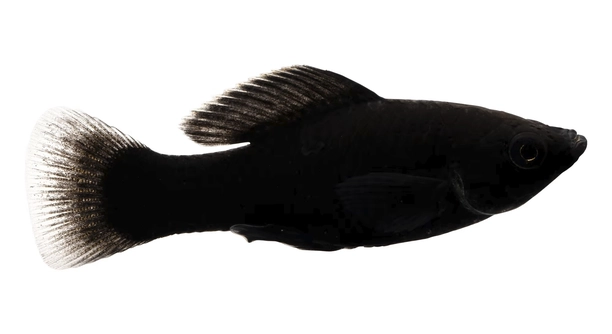
Black mollies are vibrant, active fish that can brighten any aquarium. Ensuring they thrive requires more than just a tank; their long-term health depends on proper care, nutrition, and environmental stability. Paying attention to their needs is essential.
To maintain the long-term health of black mollies, it is crucial to provide a balanced diet, clean and stable water conditions, adequate space, proper temperature, regular monitoring, and enrichment to support both physical and behavioral well-being.
Learning how to meet these essential needs will help your black mollies live healthier, longer lives and remain active and happy in their environment.
Balanced Diet
Feeding black mollies properly is key to keeping them healthy. They require a mix of high-quality flake food, live or frozen brine shrimp, and occasional vegetable matter like spinach or zucchini. A varied diet ensures they get essential nutrients, supporting strong immune systems and vibrant coloration. Overfeeding can lead to poor water quality and obesity, so it’s important to give them small portions two to three times daily. Observing how much they eat in a few minutes helps prevent excess food from decaying in the tank. Additionally, supplementing with occasional protein treats can encourage growth and maintain energy levels. Proper nutrition also helps mollies resist diseases and recover faster if they get sick. Regularly rotating their food sources keeps them interested in eating and reduces the risk of nutrient deficiencies. Young mollies benefit from slightly more protein to support development, while adults thrive on a balanced mix of protein and plant matter.
Variety and portion control are critical. Small, frequent feedings keep mollies healthy.
Including both plant and protein sources ensures black mollies grow properly, maintain bright colors, and stay energetic. Consistency in feeding supports long-term health and reduces stress from poor nutrition. Over time, these habits strengthen immunity, support reproduction, and create a stable routine that black mollies thrive under. Watching them eat and adjusting portions helps you maintain a cleaner tank and happier fish, making it easier to spot early signs of illness or nutrient deficiency.
Clean and Stable Water
Maintaining clean water is essential for black mollies’ survival. Regular partial water changes and monitoring water parameters keep them healthy.
Water quality directly affects mollies’ health. Black mollies prefer slightly alkaline water with stable temperatures. Using a reliable filtration system removes waste and toxins, preventing harmful ammonia and nitrite buildup. Checking pH, hardness, and temperature ensures the environment remains suitable. Sudden fluctuations can stress fish, weaken their immune system, and make them more prone to illness. It’s important to remove uneaten food and debris during water changes. A consistent cleaning schedule helps maintain a balanced ecosystem in the tank, promoting growth and reducing disease risk. Live plants also help absorb nitrates, contributing to water quality. Proper water management allows mollies to display natural behaviors, stay active, and thrive over time.
Regular testing and routine cleaning are necessary to prevent health problems and keep mollies energetic. A stable, clean tank fosters long-term wellness.
Adequate Tank Space
Black mollies need enough space to swim freely. Crowded tanks can cause stress, stunted growth, and aggression among fish. Providing a roomy environment supports their physical and mental well-being.
A tank that is at least 20 gallons is recommended for a small group of black mollies. They are active swimmers and enjoy moving through open areas as well as hiding spots provided by plants or decorations. Sufficient space reduces competition for food and limits territorial disputes. Keeping their environment spacious also makes it easier to maintain water quality since waste is less concentrated. Observing their behavior can help determine if the tank size is sufficient; stressed or lethargic mollies often indicate overcrowding.
Spacing also influences breeding behavior. Inadequate room can prevent proper mating and may increase aggression. With ample swimming area, black mollies are more likely to explore, interact, and thrive. Tank design should include both open zones and plant-covered areas, allowing natural movement patterns and reducing stress. This balance encourages a healthier and more active community of fish.
Stable Temperature and Environment
Black mollies thrive in consistent, warm water conditions. Sudden temperature changes can cause stress and illness, making stability essential for long-term health.
Maintaining water temperature between 75 and 82 degrees Fahrenheit ensures mollies remain active and healthy. Using a reliable heater and thermometer helps prevent fluctuations. Consistent lighting and environmental conditions mimic natural day-night cycles, reducing stress. Avoid placing tanks near windows, vents, or areas with drafts, as this can destabilize the water temperature. Stable water chemistry, including pH and hardness, also contributes to overall health. Stress from environmental changes can weaken their immune system, making them more susceptible to infections. Keeping a routine for feeding, cleaning, and monitoring helps maintain a consistent environment that supports growth, color retention, and activity levels.
Environmental stability supports long-term health by minimizing stress and promoting natural behavior. Black mollies respond positively to a predictable environment, which improves immune function, reproduction, and overall vitality. Properly balancing plants, decorations, and open swimming areas creates a comfortable habitat that meets their needs. Ensuring steady temperature, lighting, and water conditions reduces mortality and keeps the fish energetic. A well-maintained, stable tank allows black mollies to flourish, display natural behaviors, and interact harmoniously with tank mates, promoting a lively and healthy aquarium ecosystem.
Regular Monitoring
Keeping an eye on black mollies’ behavior and appearance helps catch health issues early. Regular observation ensures they remain active, eat well, and maintain vibrant colors.
Monitoring water parameters, tank mates, and overall activity levels prevents small problems from becoming serious. Noticing changes in behavior or appetite can indicate stress or disease, allowing for prompt action to protect long-term health.
Enrichment and Stimulation
Black mollies benefit from a dynamic environment that includes plants, hiding spots, and gentle currents. Enrichment encourages natural behaviors like exploring, foraging, and social interaction. It also reduces boredom, stress, and aggression. Providing different textures, floating plants, or slow-moving water currents helps keep their environment engaging and supports mental and physical well-being.
Disease Prevention
Preventing illness is easier than treating it. Maintaining clean water, stable conditions, and proper nutrition reduces the risk of common diseases in black mollies.
FAQ
How often should I feed my black mollies?
Black mollies should be fed small portions two to three times a day. Overfeeding can lead to poor water quality and obesity, so it’s important to observe how much they eat in a few minutes and adjust accordingly. Including a mix of flake food, live or frozen brine shrimp, and occasional vegetables ensures a balanced diet. Young mollies may need slightly more protein to support growth, while adults thrive on a mix of protein and plant matter. Rotating food types also keeps them interested and reduces nutrient deficiencies.
What size tank do black mollies need?
A tank of at least 20 gallons is recommended for a small group of black mollies. They are active swimmers, so providing ample open swimming space is important. Plants and decorations offer hiding spots, reducing stress and territorial disputes. More space also helps maintain water quality, as waste is less concentrated in larger volumes. Observing behavior is key—if fish appear lethargic or stressed, it may indicate overcrowding. Proper tank design balances open areas with plant coverage to allow natural movement while providing comfort and security.
What is the ideal water temperature for black mollies?
Black mollies thrive in water between 75 and 82 degrees Fahrenheit. Using a reliable heater and thermometer helps maintain stability. Sudden fluctuations can stress fish, weaken their immune system, and increase susceptibility to disease. A consistent temperature, along with stable pH and water hardness, creates an environment that supports growth, color retention, and activity levels. Avoid placing the tank near vents, windows, or drafts that can cause rapid changes. Keeping lighting consistent and maintaining a predictable routine for feeding and cleaning further supports their health and natural behaviors.
How can I prevent diseases in black mollies?
Maintaining clean water, stable conditions, and proper nutrition is the most effective way to prevent disease. Regular monitoring of behavior and appearance helps identify early signs of illness. Removing uneaten food, performing routine water changes, and testing water parameters prevent harmful ammonia or nitrite buildup. Isolating new or sick fish before introducing them to the main tank reduces the risk of spreading infections. Providing a varied diet supports their immune system, while enrichment and adequate space reduce stress, which is a major factor in disease susceptibility.
Can black mollies live with other fish?
Yes, black mollies are generally peaceful and can live with other community fish. Choosing tank mates with similar water requirements is important to avoid stress. Avoid aggressive species that may harass or outcompete mollies for food. Providing enough space, hiding spots, and plants ensures harmonious cohabitation. Monitoring interactions is essential, especially during feeding or breeding periods. Overcrowding or mismatched tank mates can cause stress, illness, or injury, so careful selection and observation are necessary to maintain a healthy, balanced aquarium.
How often should I change the water?
Partial water changes of about 20-30% every week help maintain clean, stable water conditions. Frequent monitoring of pH, hardness, and temperature ensures stability. Removing debris and uneaten food during water changes prevents waste accumulation. Routine maintenance keeps ammonia and nitrite levels low, promoting healthy growth and vibrant colors. Combining water changes with a good filtration system creates a consistent environment that reduces stress and lowers the risk of disease, ensuring long-term health for black mollies.
What plants and decorations are best for black mollies?
Live plants like java fern, hornwort, and anubias provide hiding spots, absorb nitrates, and support natural behaviors. Floating plants offer shade and reduce stress. Smooth decorations or rocks without sharp edges prevent injury. Creating a mix of open swimming areas and covered spaces helps mollies feel secure while encouraging exploration. Plants and decorations also enhance water quality and contribute to a stable ecosystem, supporting overall health and active behavior.
How do I know if my black molly is stressed?
Signs of stress include lethargy, loss of appetite, faded colors, clamped fins, or hiding excessively. Stress can result from poor water quality, overcrowding, aggressive tank mates, or sudden environmental changes. Observing behavior and checking water parameters regularly helps identify causes. Adjusting tank conditions, improving diet, or providing more space can reduce stress. Minimizing sudden changes in temperature, lighting, or water chemistry also helps black mollies feel secure and promotes long-term health.
Can black mollies breed in a home aquarium?
Yes, black mollies are livebearers and can reproduce in captivity. Providing proper nutrition, a spacious tank, and plants or breeding mops encourages breeding. Pregnant females benefit from hiding spots to reduce stress. Once fry are born, separating them from adults can prevent predation. Maintaining stable water conditions and regular feeding ensures both adults and fry remain healthy, supporting sustainable breeding in the home aquarium.
What common mistakes should I avoid with black mollies?
Overfeeding, overcrowding, sudden temperature changes, poor water quality, and aggressive tank mates are common issues. Skipping regular monitoring or water changes can quickly lead to stress and disease. Neglecting tank enrichment or proper nutrition reduces their activity and vibrancy. Avoiding these mistakes ensures black mollies remain healthy, active, and long-lived in your aquarium. Consistency, observation, and routine care are the keys to their well-being.
This FAQ covers the most common concerns and practical solutions, helping maintain healthy black mollies in any home aquarium. Observing, adjusting, and caring consistently ensures they thrive.
Black mollies are lively, beautiful fish that can bring life to any aquarium. Their long-term health depends on several key factors, including diet, water quality, tank space, and environmental stability. Feeding them a balanced diet that includes both plant and protein sources supports growth, coloration, and energy levels. Overfeeding should be avoided, as leftover food can pollute the water and cause health problems. Observing how much your mollies eat in a short period helps you maintain the right portions. Supplementing their diet occasionally with live or frozen foods can provide additional nutrients and encourage natural foraging behavior. A varied diet is not just beneficial for nutrition but also keeps them engaged and active, which is important for both physical and mental health.
Maintaining clean and stable water is equally essential. Regular water changes and monitoring of pH, temperature, and hardness ensure a consistent environment that reduces stress and prevents disease. Black mollies prefer slightly alkaline water with a stable temperature range, typically between 75 and 82 degrees Fahrenheit. Sudden fluctuations can weaken their immune systems, making them more susceptible to illness. Proper filtration, along with removal of uneaten food and debris, helps maintain water quality. Incorporating live plants can further improve water conditions and provide hiding spots, which mollies appreciate. Observing your fish regularly allows you to notice changes in behavior, appetite, or appearance, so potential problems can be addressed early. Consistency in water maintenance creates a stable environment where mollies can thrive, remain active, and display natural behaviors.
Providing adequate tank space, environmental enrichment, and compatible tank mates completes the picture for long-term health. Crowded tanks can lead to stress, aggression, and stunted growth, while sufficient swimming space allows natural movement and exploration. Decorations, plants, and gentle currents stimulate mental and physical activity, reducing boredom and stress. Choosing peaceful tank mates with similar water requirements prevents conflicts and promotes a harmonious aquarium. Regular monitoring for signs of stress or disease, along with proper feeding and maintenance routines, ensures your mollies remain healthy and vibrant. By focusing on these essential needs—balanced diet, clean water, ample space, stable environment, and enrichment—you create a supportive habitat where black mollies can live long, active, and healthy lives. Attention to these details not only keeps your fish well but also makes maintaining the tank easier and more rewarding.

Hello,
If you enjoy the content that we create, please consider saying a "Thank You!" by leaving a tip.
Every little bit helps us continue crafting quality advice that supports the health, happiness, and well-being of pets around the world, for pets of all shapes, sizes, and species.
We really appreciate the kindness and support that you show us!