7 Feeding Mistakes That Lead to Fin Nipping
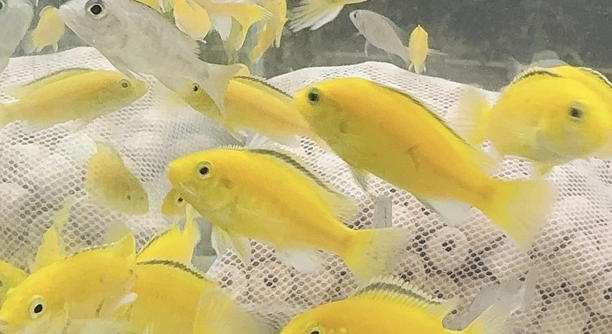
Feeding your fish seems simple, yet small mistakes can lead to unexpected problems. Fin nipping is a common behavior in community tanks, often caused by overlooked feeding habits and misunderstandings about proper nutrition and portioning. Many cases of fin nipping arise from inconsistent feeding schedules, overfeeding, or offering inappropriate foods. Ensuring a balanced diet, monitoring … Read more
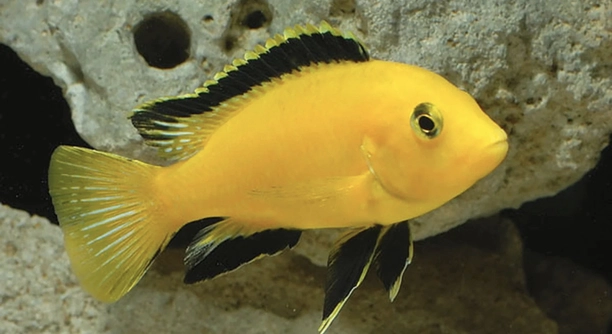
7 Tricks to Reduce Startle Responses

Many people experience sudden jolts or jumps in response to loud noises or unexpected movements. These startle responses can feel disruptive, affecting daily life, focus, and overall sense of calm, making simple tasks more stressful than necessary. Reducing startle responses involves consistent strategies to manage triggers and improve nervous system regulation. Techniques such as controlled … Read more

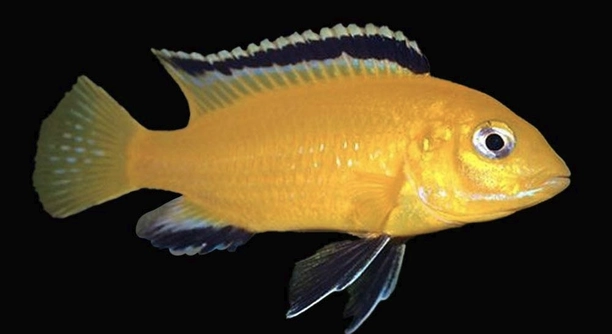
7 Minor Adjustments That Transform Cichlid Interaction

Are your cichlids acting more aggressive than usual or keeping to themselves in the tank? Many hobbyists face this challenge, noticing subtle shifts in behavior that can affect the harmony of their aquatic environment over time. Small changes in tank setup, feeding schedules, and environmental enrichment can significantly improve cichlid interactions. Adjusting territory boundaries, providing … Read more

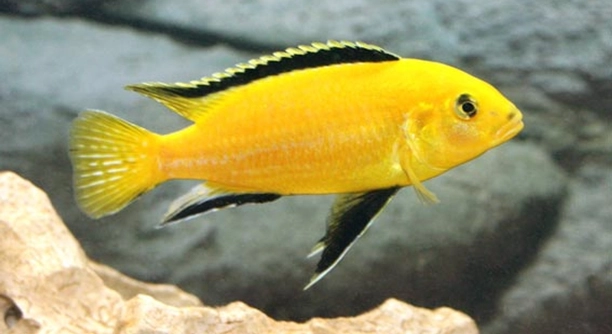
7 Ways to Calm a Stressed Electric Yellow Cichlid

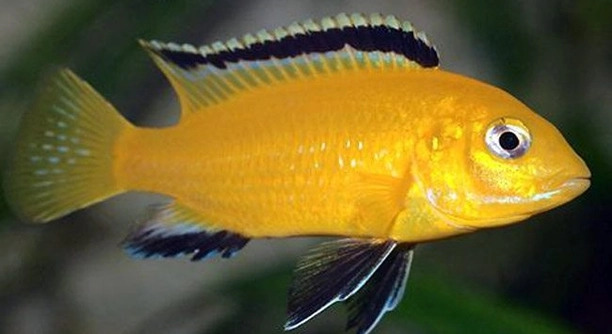
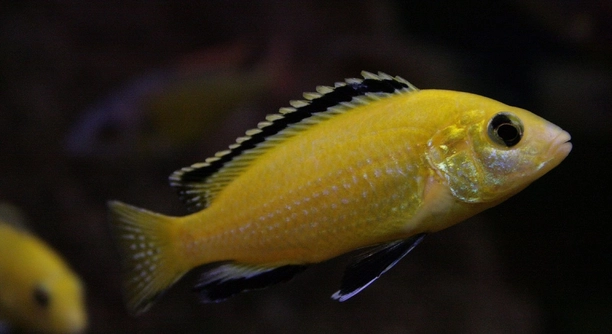
Do your electric yellow cichlid seem restless or skittish lately? Watching these vibrant fish struggle with stress can be worrying, especially when you want them to thrive in a calm, healthy aquarium environment. One effective way to calm a stressed electric yellow cichlid is by providing a stable and well-maintained environment. Consistent water temperature, regular … Read more

7 Reactions to Strong Current in Small Tanks

Strong currents in small tanks can be more than just a visual feature. They influence the movement of water, impact aquatic plants, and affect the behavior of fish. Many hobbyists overlook these subtle but important effects. Fish respond to strong currents in small tanks in various ways. Some may struggle to swim, while others find … Read more

7 Mistakes That Lead to Color Fading

Are your vibrant hair colors fading faster than expected despite careful maintenance? Many people invest time and money in coloring, yet the hues often lose their brilliance over weeks. Understanding the reasons behind this can help preserve your look. Color fading typically occurs due to common mistakes such as excessive heat styling, harsh washing routines, … Read more

7 Details That Help Cichlids Establish Territory Quickly

Cichlids are fascinating fish that often show strong territorial behavior. Watching them interact can be rewarding, but it also requires understanding how they claim and defend their space within the aquarium environment. Cichlids establish territory quickly by using visual markers, physical structures, and consistent behaviors. Key factors include hiding spots, clear boundaries, and proper tank … Read more

7 Causes of Electric Yellow Cichlid Loss of Appetite

Are your electric yellow cichlids avoiding their usual food and acting less eager during feeding time? This sudden shift can feel unsettling, especially when these colorful fish are typically lively eaters that brighten your aquarium. Loss of appetite in electric yellow cichlids often stems from stress, poor water quality, illness, territorial pressure, or environmental disruptions. … Read more

7 Changes to Make When Your Cichlids Stop Swimming

Are your cichlids slowing down in the water, leaving you unsure about what might be affecting their usual activity? This shift can feel concerning when you are trying to maintain a healthy environment for them. When cichlids stop swimming, the most common causes involve stress, poor water quality, illness, or unsuitable tank conditions. Identifying these … Read more