
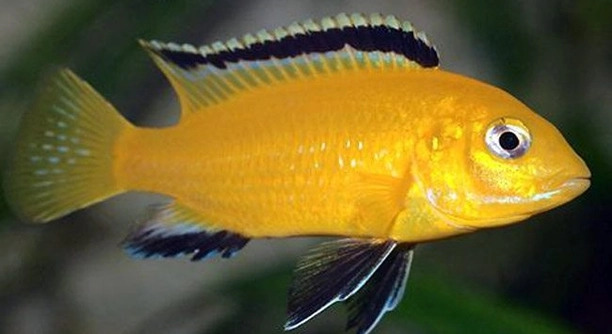
Do your electric yellow cichlid seem restless or skittish lately? Watching these vibrant fish struggle with stress can be worrying, especially when you want them to thrive in a calm, healthy aquarium environment.
One effective way to calm a stressed electric yellow cichlid is by providing a stable and well-maintained environment. Consistent water temperature, regular cleaning, proper pH, and adequate hiding spaces reduce stress and promote natural, healthy behaviors in the fish.
Knowing how to create a peaceful environment for your cichlid is key. Small adjustments can make a big difference in their daily comfort and overall well-being.
Create Hiding Spots and Decor
Electric yellow cichlids feel more secure when their tank has plenty of hiding spots. Rocks, caves, and plants help reduce stress by giving them areas to retreat when they feel threatened. Overcrowded tanks can make these fish anxious, so make sure each cichlid has enough personal space. Soft lighting and gentle water flow also create a more natural environment. Observing your fish choosing their favorite spots can show you what makes them comfortable. Avoid sharp decorations that could injure them, and ensure all rocks are stable to prevent accidents. Using sand or fine gravel as substrate is safer and mimics their natural habitat. Rearranging the tank too often can confuse them, so only make changes when necessary. Their color and behavior improve significantly when they feel secure. Proper shelter allows them to explore confidently and display normal behaviors, which helps in reducing aggression and stress.
Adding hiding spots improves their confidence and reduces erratic swimming. They will appear calmer and more settled in their environment.
Providing a variety of caves and plants gives electric yellow cichlids both privacy and mental stimulation. Simple changes like rearranging rocks or adding new decorations can keep them engaged and prevent boredom. Observing how they interact with their surroundings allows you to notice signs of stress early. A well-structured tank supports natural behaviors such as foraging and territorial displays without causing anxiety. Consistent maintenance of hiding spots, along with monitoring water quality, ensures a stable environment that promotes overall health. The combination of security, stimulation, and proper space encourages your fish to thrive and display their bright colors fully, making your aquarium a more peaceful and enjoyable habitat.
Maintain Proper Water Quality
Consistently clean water is essential for reducing stress in electric yellow cichlids. Poor water quality can lead to health issues and agitation, so regular monitoring is crucial.
Keeping the tank’s water clean involves regular testing and partial water changes. Use a reliable filter and avoid overfeeding to prevent waste buildup.
Water quality affects fish health more than many owners realize. Parameters such as temperature, pH, ammonia, nitrite, and nitrate levels must remain stable. Sudden changes can shock electric yellow cichlids, causing stress and even illness. Establishing a cleaning schedule that includes partial water changes each week, removing uneaten food, and vacuuming substrate helps maintain a healthy balance. Filters must be cleaned without disturbing beneficial bacteria, which are essential for breaking down toxins. Providing aeration supports oxygen levels, reducing lethargy and improving metabolism. Even slight fluctuations in water conditions can change their behavior, making them more aggressive or withdrawn. By prioritizing water quality and monitoring it closely, you create an environment where your cichlids can flourish, displaying their natural activity levels and vibrant coloration. Consistency is key to keeping them calm and healthy over time.
Control Tank Lighting
Too much light can stress electric yellow cichlids. Bright, constant lighting makes them skittish, so aim for a balanced day-night cycle with moderate intensity.
Adjusting lighting is simple but effective. Use a timer to create consistent periods of light and darkness. Avoid direct sunlight, which can overheat the tank and encourage algae growth. Dimmer lights or floating plants provide shaded areas where cichlids feel secure. Sudden changes in light can startle them, so always make adjustments gradually. Watching your fish during different lighting levels helps identify what makes them calm. Lighting affects their natural rhythms, activity levels, and feeding behavior, so maintaining a stable environment is essential. Proper light balance reduces stress and enhances their bright yellow color, making them more visually vibrant while promoting normal swimming and interaction patterns.
Even small changes in lighting can noticeably improve your cichlids’ mood and confidence.
Consistent and controlled lighting supports natural behaviors. Electric yellow cichlids respond positively to gentle transitions between day and night, avoiding sudden brightness or long periods of darkness. Using floating plants or shaded decorations allows them to retreat when needed, which helps reduce stress. Proper lighting enhances their overall health, encourages feeding, and prevents erratic swimming. Observing their reactions under different lighting conditions can guide adjustments. A stable light schedule combined with hiding spots and natural decor helps your fish feel more secure and comfortable, promoting calm and regular activity.
Monitor Tank Mates
Aggressive or incompatible fish increase stress in electric yellow cichlids. Avoid overcrowding and choose compatible species that share similar temperament and size.
Introducing tank mates requires careful observation. Watch interactions closely during the first few days to ensure there is no bullying or chasing. Fish with peaceful behavior or similar swimming levels tend to coexist better. Avoid fast-moving or highly aggressive species, as they can trigger constant stress. Adequate hiding spots and territory markers help reduce conflicts. Maintaining proper spacing prevents territorial disputes and supports natural social behavior, allowing your cichlids to thrive. Balanced groups decrease stress, support feeding habits, and maintain a peaceful environment.
Compatibility influences both health and mood. Even small disagreements between fish can lead to chronic stress. Maintaining stable group dynamics with compatible tank mates reduces aggression and prevents constant hiding or panic swimming. Proper introduction techniques, such as rearranging rocks or adding new decorations, help reduce territorial disputes. Ensuring each fish has its own space promotes calmer interactions and better overall behavior. Regular observation and adjustments as the group grows or changes prevent long-term stress and support a harmonious tank where electric yellow cichlids feel secure and confident.
Adjust Water Temperature
Electric yellow cichlids are sensitive to sudden changes in water temperature. Keeping the tank within a stable, comfortable range prevents stress and supports overall health.
Use a reliable heater and thermometer to maintain consistent temperatures. Fluctuations can make fish lethargic or aggressive, so gradual adjustments are safer.
Provide a Balanced Diet
Feeding high-quality, varied food ensures your cichlids get the nutrients they need. Overfeeding or low-quality food can cause stress and health problems. Include pellets, flakes, and occasional live or frozen treats to mimic a natural diet.
Limit Sudden Disturbances
Frequent tapping on the glass, loud noises, or sudden movement around the tank can frighten electric yellow cichlids. Keeping a calm environment minimizes stress and encourages natural behavior.
FAQ
How can I tell if my electric yellow cichlid is stressed?
Stressed cichlids often show changes in behavior and appearance. They may hide constantly, swim erratically, or lose color. Refusing food or displaying aggression toward tank mates are also signs. Monitoring their daily routines helps detect stress early.
What is the ideal water temperature for electric yellow cichlids?
The optimal range is 75–82°F (24–28°C). Consistent temperature within this range prevents stress and supports normal metabolism. Sudden changes, even a few degrees, can make them lethargic or more aggressive. Using a heater with a thermometer ensures stability.
How often should I change the water in their tank?
Partial water changes of 20–25% weekly maintain clean water and stable parameters. Frequent small changes are better than rare large changes. This routine reduces toxin buildup and supports healthy behavior, making your cichlids calmer.
Can tank size affect stress levels?
Yes, overcrowded tanks increase aggression and stress. A minimum of 55 gallons is recommended for a small group. Providing enough space for swimming, hiding, and territory reduces tension and helps cichlids thrive.
Do electric yellow cichlids need hiding spots?
Absolutely. Rocks, caves, and plants give them areas to retreat when feeling threatened. Hiding spots reduce anxiety, encourage natural behaviors, and make the tank feel safer. Avoid overcrowding or sharp decorations to prevent injuries.
What kind of diet helps reduce stress?
A balanced diet with high-quality pellets, flakes, and occasional live or frozen food supports health and reduces stress. Overfeeding can pollute water and cause aggression, while variety keeps them interested and encourages natural feeding behavior.
How important is tank mate selection?
Tank mates significantly influence stress levels. Peaceful or similarly sized species work best. Aggressive or overly active fish can trigger anxiety, chasing, or hiding. Observing interactions and providing enough space prevents conflict and promotes a harmonious tank.
Can lighting affect stress in electric yellow cichlids?
Yes, too much or constant bright light causes skittish behavior. A balanced day-night cycle with moderate intensity and shaded areas lets them feel secure. Timers and floating plants help maintain consistent lighting without sudden changes.
Does noise around the tank matter?
Loud sounds or frequent tapping on the glass can frighten cichlids. Keeping a calm, low-noise environment encourages normal behavior and reduces stress. Sudden disturbances can make them hide or swim erratically.
How do I introduce new decorations or changes?
Introduce new rocks, plants, or structures gradually. Sudden rearrangements can confuse or stress fish. Observe how they react and provide familiar hiding spots to help them adapt comfortably.
Are water parameters like pH important?
Stable pH, along with ammonia, nitrite, and nitrate levels, is essential. Sudden shifts or poor water quality stress cichlids and can lead to illness. Regular testing and careful adjustments maintain a safe environment.
Can stress affect coloration in electric yellow cichlids?
Yes, stressed cichlids often lose vibrancy. Bright yellow colors fade, and dullness may indicate anxiety or poor health. Reducing stress through proper care, diet, and environment helps restore their natural coloration.
How do I reduce aggression between cichlids?
Provide enough space, hiding spots, and monitor tank mates. Group sizes and territory markers help minimize conflicts. Avoid overcrowding and observe daily behavior to prevent chronic stress and ensure a peaceful environment.
Is it normal for cichlids to hide a lot?
Some hiding is natural, but constant hiding often signals stress. Check water quality, tank mates, and environment. Adjusting lighting, decorations, and diet can encourage more active, confident behavior.
How long does it take for a stressed cichlid to calm down?
With proper care, stress reduction may take days to weeks. Stable water, hiding spots, compatible tank mates, and balanced diet all contribute. Monitoring behavior helps track progress and ensure a healthier, calmer fish.
Can supplements help reduce stress?
Occasional vitamin-rich foods or specific additives can support health, but the primary focus should be on water quality, diet, and environment. Supplements alone won’t resolve stress if other conditions aren’t ideal.
How often should I observe my cichlids for stress signs?
Daily observation is best. Watching swimming patterns, feeding behavior, and interactions with tank mates allows early detection of stress and prevents long-term health issues.
Electric yellow cichlids are beautiful fish, but they can become stressed easily if their environment isn’t well cared for. Maintaining clean water, stable temperature, and proper pH is essential. Even small changes in water conditions can affect their behavior and health. Regular testing and careful adjustments help prevent stress before it becomes a serious problem. Using a reliable filter and performing weekly partial water changes keeps toxins low and oxygen levels high, which allows your cichlids to thrive. Proper water quality directly impacts their activity, appetite, and overall mood, making it the foundation of a calm aquarium.
Providing hiding spots and decorations is equally important. Cichlids feel safer when they have places to retreat, such as caves, plants, or rock formations. Hiding spots reduce anxiety and allow them to display natural behaviors without fear. Overcrowding or sudden changes in tank layout can create confusion and tension. It’s best to gradually introduce new decorations and observe how your fish react. Even lighting plays a role in their comfort. Moderate light with shaded areas helps them feel secure, while sudden bright light or constant illumination can increase nervous behavior. Simple adjustments like floating plants or dimmed lights make a noticeable difference in their calmness.
Diet and tank mates also influence stress levels. A balanced diet with high-quality pellets, flakes, and occasional live or frozen food supports health and keeps your fish interested in feeding. Overfeeding can cause water quality issues and aggression, so portion control matters. Tank mates should be chosen carefully to prevent bullying and territorial disputes. Peaceful species of similar size tend to coexist best, and having enough space for each fish helps maintain harmony. Observing behavior daily allows you to notice early signs of stress and make necessary changes. With consistent care, attention to environment, diet, and companions, electric yellow cichlids can remain healthy, active, and vibrant. A stable, thoughtful setup is the best way to ensure their long-term calm and well-being.

Hello,
If you enjoy the content that we create, please consider saying a "Thank You!" by leaving a tip.
Every little bit helps us continue crafting quality advice that supports the health, happiness, and well-being of pets around the world, for pets of all shapes, sizes, and species.
We really appreciate the kindness and support that you show us!