
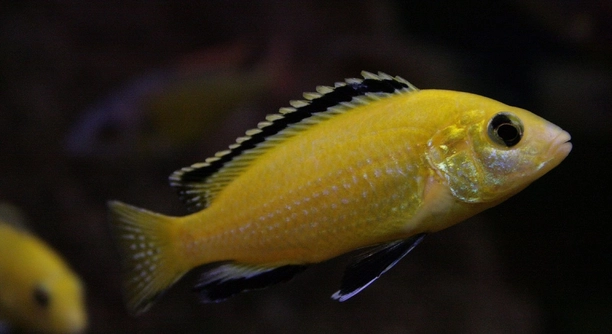
Do you ever find yourself arranging your aquarium and wondering how your fish are responding to the water movement? Electric yellow cichlids are popular, but knowing their preferences can make a big difference in their well-being.
Electric yellow cichlids thrive in tanks with low to moderate water flow. Excessive currents can stress them, disrupting natural behaviors such as feeding and territorial interactions, while gentle circulation supports oxygenation without causing undue stress or energy expenditure.
Learning the ideal flow for these vibrant fish improves both their comfort and the overall harmony of your tank environment. Proper setup ensures healthier and more active cichlids over time.
Understanding Water Flow Preferences
Electric yellow cichlids are native to Lake Malawi, where they experience gentle currents rather than strong, turbulent flows. In home aquariums, replicating this environment is essential to reduce stress and encourage natural behaviors. These fish are active swimmers, but they prefer areas where they can glide smoothly instead of constantly fighting strong currents. Low to moderate flow promotes better oxygen circulation while allowing cichlids to maintain energy for feeding and territorial displays. Tank decorations, such as rocks and plants, can help break up water movement, providing resting spots. Observing how your cichlids interact with different areas of the tank will indicate whether the flow is appropriate. Overly strong currents may cause hiding, decreased appetite, or erratic swimming, all signs that the flow is too high. Consistent, gentle water movement also helps maintain water quality by preventing stagnation without overwhelming the fish. By balancing circulation and calm zones, you can create a healthier and more comfortable habitat for electric yellow cichlids.
Moderate flow in the tank supports both their physical health and natural behaviors, reducing stress and helping them thrive.
Careful placement of filtration and decorations ensures water movement is evenly distributed, creating zones where cichlids can rest and swim freely. Observing their patterns helps fine-tune the flow. Low flow areas near rocks and plants provide safe spots, while slightly stronger currents near the filter maintain oxygenation. Adjusting pumps or using baffles can prevent turbulent water. A well-planned setup balances activity and relaxation zones, keeping your cichlids happy. Consistent observation allows you to notice changes in behavior that may indicate discomfort. Over time, maintaining optimal flow supports natural breeding behavior and reduces aggression caused by environmental stress. Proper water movement also prevents debris accumulation, keeping the tank cleaner. Achieving the right flow is not only about fish comfort but also overall tank stability. This balance ensures vibrant, healthy fish that display their colors and energy fully in a safe, well-structured habitat.
Signs of Flow Issues
If your electric yellow cichlids are constantly hiding, swimming erratically, or avoiding certain areas, the water flow may be too strong.
Stress from strong currents can reduce feeding and disrupt territorial behavior. Over time, fish may become weaker and more susceptible to illness.
Watching the fish closely is the best way to identify flow problems. Adjusting the flow gradually can help them adapt without causing sudden stress. Providing sheltered areas and gentle currents allows the fish to move comfortably, feeding and displaying natural behavior. Fine-tuning water movement can prevent aggression and health issues, supporting a stable and balanced tank environment for electric yellow cichlids.
Adjusting Tank Flow
Flow adjustments can be made by repositioning the filter or using flow baffles. Reducing pump speed or redirecting water can create calmer areas while maintaining oxygenation. Observing the fish’s behavior helps guide changes for their comfort and activity levels.
Making flow adjustments requires small, careful changes to avoid sudden stress. Start by lowering pump output slightly or adding obstacles like rocks to redirect current. Observe how cichlids respond over several hours or days. If fish start exploring previously avoided areas, the adjustment is effective. Too little flow may reduce oxygen levels, so balance is essential. Using multiple small adjustments instead of a single drastic change ensures the fish adapt gradually. Flow zones can be created by layering rocks or plants to break currents naturally. Monitoring behavior after each change helps maintain a stable and comfortable environment for electric yellow cichlids.
Tank flow also interacts with feeding and cleaning routines. Gentle currents prevent uneaten food from accumulating while still allowing cichlids to feed naturally. Proper flow distribution ensures all areas receive oxygenation, reducing dead spots. Watching how fish move during feeding can indicate whether currents are too strong in certain sections. Combining mechanical adjustments with natural barriers like rocks creates multiple flow zones. Regular observation and fine-tuning support both fish health and tank cleanliness. Adjustments should consider both energetic activity and resting zones to maintain a balanced environment. Consistent care helps electric yellow cichlids thrive long-term.
Equipment Considerations
Choosing the right equipment is key to managing tank flow effectively. Filters, pumps, and diffusers must be matched to tank size and fish needs.
High-capacity pumps can create strong currents that overwhelm electric yellow cichlids. Adjustable filters or variable-speed pumps offer control, allowing gentle water movement without compromising oxygenation. Diffusers and spray bars help spread flow evenly. Placement matters—positioning equipment near the tank surface or along walls can reduce direct force on fish. Regular maintenance ensures consistent performance and prevents blockages that change flow patterns. Using multiple smaller pumps rather than a single large one can provide more controlled and flexible water movement. Selecting equipment suited to the species and tank size ensures a stable environment, supporting the health and natural behavior of electric yellow cichlids.
Observing Fish Behavior
Electric yellow cichlids respond quickly to changes in water flow. Restless swimming, hiding, or staying at the bottom indicates currents may be too strong. Calm, exploratory behavior shows they are comfortable with the flow.
Pay attention to feeding patterns. If fish struggle to reach food or avoid certain areas, the current is likely too high. Adjusting flow gradually helps them adapt without stress. Observing their daily activity provides clear feedback on the tank’s environment and allows for targeted improvements.
Flow and Tank Layout
Rocks, plants, and decorations influence water movement. Strategically placing these items can break currents and create calm zones for resting and territorial areas. Proper layout ensures both movement and shelter coexist, supporting natural behaviors and reducing stress in electric yellow cichlids.
Seasonal Flow Changes
Temperature and seasonal water conditions can subtly affect flow. Warmer water may increase activity, requiring slight adjustments in circulation to maintain comfort and oxygen levels.
Monitoring Water Quality
Flow directly impacts water quality by preventing debris accumulation and improving oxygen distribution. Consistent observation and maintenance of both flow and water parameters ensure electric yellow cichlids remain healthy and active in their aquarium environment.
FAQ
Do electric yellow cichlids need high flow tanks?
Electric yellow cichlids do not require high flow tanks. They are used to gentle currents in their natural habitat, Lake Malawi. Excessive water movement can stress them, reducing feeding, increasing hiding behavior, and affecting overall health. Low to moderate flow allows them to swim naturally without wasting energy or becoming fatigued.
Can strong currents harm electric yellow cichlids?
Yes, strong currents can cause physical and behavioral stress. Fish may struggle to maintain position, leading to exhaustion or injury. Over time, stress weakens their immune system, making them more susceptible to disease. Strong currents can also disrupt territorial behavior, causing conflicts between individuals in the tank.
How can I create calm zones in my aquarium?
Calm zones can be created by strategically placing rocks, plants, or decorations to block or redirect water flow. Using flow baffles or adjusting pump output helps spread water movement evenly. These areas give electric yellow cichlids places to rest, feed, and establish territories without constant current stress.
How do I know if the flow is too strong?
Signs of strong flow include constant hiding, erratic swimming, or avoidance of certain areas. Fish may struggle to eat or hover near the filter. Observing daily behavior helps identify problem areas. Gradual adjustments to pump speed or placement of obstacles can bring the flow to a comfortable level.
Is low flow enough to maintain water quality?
Low to moderate flow is generally sufficient if the tank is properly filtered. Flow helps circulate oxygen and prevent debris buildup. Dead zones can be minimized by arranging decorations strategically and ensuring the filter’s output reaches all parts of the tank without creating excessive currents.
Should I adjust flow for breeding purposes?
Yes, gentle, consistent flow is important during breeding. Strong currents can disrupt spawning behavior and prevent fry from finding shelter. Calm zones encourage natural courtship and reduce stress. Slight adjustments in pump speed or position can create optimal conditions for breeding without compromising oxygenation.
Does tank size affect flow preferences?
Tank size matters. Larger tanks may require multiple points of water movement to ensure even circulation. Smaller tanks may need weaker pumps to avoid strong currents. Observing fish behavior in relation to tank layout allows for proper balance between activity and calm areas regardless of size.
How often should I check flow adjustments?
Flow should be monitored daily during initial adjustments. Once optimal conditions are found, weekly checks are sufficient. Observing swimming patterns, feeding behavior, and resting spots ensures the fish remain comfortable. Any sudden changes in behavior may indicate a need to reevaluate water movement.
Can decorations influence fish stress related to flow?
Yes, rocks, plants, and caves can reduce stress by providing sheltered areas where fish can rest. Proper placement breaks up strong currents and allows fish to move freely without constant resistance. Adjusting layout over time can improve comfort as fish grow and establish territories.
Are electric yellow cichlids compatible with other fish in low flow tanks?
Generally, they adapt well to low to moderate flow tanks with compatible species. Stress from strong currents can increase aggression, so maintaining gentle water movement helps all tank inhabitants coexist peacefully. Observation of interactions is necessary to prevent territorial disputes and maintain harmony in mixed tanks.
What equipment helps maintain proper flow?
Adjustable filters, variable-speed pumps, and diffusers are effective for controlling flow. Placement near the surface or along walls can reduce direct current on fish. Multiple smaller pumps often work better than a single large one, allowing more control over water movement and creating balanced zones throughout the tank.
Can water changes affect flow for electric yellow cichlids?
Yes, large water changes can temporarily increase turbulence. Performing changes gradually and using diffusers or directing water against tank walls helps maintain gentle currents. Observing fish behavior during and after water changes ensures they are not stressed by sudden shifts in flow.
Does plant density affect water movement?
Plants slow down water flow and create calmer zones. Dense planting offers resting areas and reduces stress, while still allowing moderate circulation for oxygenation. Choosing plant types that tolerate water movement and positioning them strategically enhances the balance between flow and calm spots.
How do I balance flow for feeding areas?
Ensure feeding areas are located in moderate or calm zones where fish can easily reach food. Avoid placing food directly in strong currents that may sweep it away. Adjusting pump direction or adding rocks near feeding spots helps fish access food without stress or excessive effort.
Is monitoring temperature related to flow important?
Yes, water temperature affects fish activity and how they interact with flow. Warmer water increases swimming activity, sometimes requiring slight adjustments to pump speed to maintain comfort. Cooler temperatures may reduce movement, making low to moderate flow more suitable for daily activity and energy conservation.
Can flow adjustments prevent aggression?
Proper flow management helps reduce territorial disputes. Strong currents can increase stress and provoke fighting. Creating calm zones and distributing water movement evenly allows electric yellow cichlids to establish territories naturally, reducing competition and promoting peaceful interactions.
Does flow impact long-term health?
Yes, maintaining low to moderate flow prevents chronic stress, supports proper feeding, and ensures efficient oxygen distribution. Fish in well-managed flow conditions are more active, display vibrant colors, and show better immune response, contributing to overall longevity and well-being.
Are there signs that flow changes are needed over time?
Changes in behavior, such as increased hiding, lethargy, or erratic swimming, indicate flow adjustments may be necessary. Growth of decorations, new plants, or filter modifications can alter currents. Regular observation and small adjustments ensure ongoing comfort and health for electric yellow cichlids.
How do I combine aesthetics with proper flow?
Position decorations to create natural flow patterns, balancing open swimming areas with calm zones. Use plants, rocks, and caves to guide currents while enhancing visual appeal. This approach maintains both the comfort of electric yellow cichlids and the overall design of the tank.
Can I use multiple pumps to control flow?
Yes, multiple small pumps allow precise control of currents in different areas. This prevents strong localized flow, distributes oxygen evenly, and creates multiple calm zones. Adjusting individual pumps helps accommodate fish behavior and provides flexibility as tank conditions change.
Is filter maintenance related to flow consistency?
Regular filter cleaning ensures steady water movement. Blockages or clogged media reduce output, causing uneven flow and oxygenation. Maintaining equipment on schedule helps keep currents predictable, reduces stress, and supports healthy living conditions for electric yellow cichlids.
How does substrate choice affect water movement?
Fine substrates may be stirred by strong currents, while larger gravel or rocks reduce turbulence near the bottom. Choosing the right substrate helps control flow, prevents stress, and maintains a stable environment. Substrate selection complements other flow management strategies for optimal tank balance.
Can aeration devices influence flow preference?
Air stones and diffusers increase circulation and oxygenation. Placement and output must be balanced to avoid creating strong localized currents. Properly managed, these devices enhance water movement without stressing electric yellow cichlids, supporting both health and comfort throughout the aquarium.
Does lighting affect fish behavior in relation to flow?
Bright lighting can encourage activity, which interacts with flow. Fish may swim more vigorously in illuminated areas, making moderate currents more noticeable. Combining lighting strategies with flow management ensures fish can rest, feed, and display natural behavior without undue stress.
How often should I reevaluate flow as fish grow?
Reevaluation is important during growth or when tank layout changes. Larger fish may need slightly stronger currents to maintain oxygenation in the tank, while smaller or younger cichlids prefer gentler flow. Observing adaptation ensures ongoing comfort and health as conditions evolve.
Can I use flow to encourage exercise?
Gentle currents can promote natural swimming activity and exercise without causing stress. Avoid creating constant strong flow, which leads to fatigue. Balanced currents encourage healthy movement and territorial behavior while maintaining energy levels.
Are electric yellow cichlids less stressed in certain flow patterns?
Yes, calm zones with moderate surrounding flow reduce stress. Fish can rest, feed, and explore without constant resistance. Observing behavior in different areas helps identify optimal patterns, supporting health, color vibrancy, and natural activity levels.
Do filter types matter for flow management?
Yes, canister filters, hang-on-back filters, and sponge filters each produce different flow patterns. Adjustable output and placement are key. Selecting the appropriate filter type and adjusting it to the tank size and layout ensures consistent, gentle circulation for electric yellow cichlids.
Can flow management reduce disease risk?
Proper flow prevents stagnant areas where waste accumulates, reducing harmful bacteria and algae growth. Consistent water movement supports oxygen levels and keeps the tank clean, lowering the likelihood of disease outbreaks. Healthy flow contributes to long-term fish wellness.
How do I combine flow management with water changes?
During water changes, redirect the flow to minimize turbulence. Gradual changes prevent sudden stress, and maintaining gentle currents ensures fish can adapt. Combining flow control with regular maintenance supports stability, oxygenation, and overall tank health.
Can I simulate natural currents for electric yellow cichlids?
Yes, positioning pumps and decorations can mimic gentle, uneven currents similar to Lake Malawi. This encourages natural swimming patterns and reduces stress. Observing the fish ensures that simulated currents remain comfortable while promoting activity and exploration.
Does tank shape affect flow distribution?
Long or tall tanks may require multiple points of flow to maintain even circulation. Square tanks may distribute water more evenly with fewer pumps. Adjusting equipment placement based on tank shape ensures optimal flow zones for electric yellow cichlids.
Are there long-term benefits to managing flow correctly?
Correct flow management enhances health, reduces stress, promotes natural behavior, and supports vibrant coloration. Fish thrive in stable, well-oxygenated conditions, making proper flow essential for maintaining both longevity and quality of life.
How do I fine-tune flow for mixed-species tanks?
Observe the behavior of all species. Adjust pumps and decorations to provide calm zones for weaker swimmers while maintaining adequate circulation for all fish. Gentle flow helps reduce stress and aggression, allowing multiple species to coexist comfortably.
Can subtle adjustments make a big difference?
Yes, small changes in pump speed or decoration placement can significantly improve fish comfort. Observing responses ensures adjustments meet the needs of electric yellow cichlids without creating turbulence or uneven oxygenation.
How important is observation in flow management?
Daily observation is critical. Behavior patterns, feeding, and resting locations indicate whether the flow is suitable. Continuous monitoring allows timely adjustments, ensuring fish remain healthy, active, and comfortable in their aquarium environment.
Do electric yellow cichlids prefer directional or uniform flow?
They prefer a mix. Calm zones with gentle directional flow in some areas mimic their natural habitat. Uniform, strong flow can be stressful. Balancing flow patterns allows natural swimming, resting, and feeding behavior.
Can flow adjustments improve breeding success?
Yes, calm zones encourage natural courtship and spawning. Strong currents can disrupt fry development. Properly managed flow supports both adult fish and offspring, increasing the likelihood of successful breeding and survival.
Are there risks to ignoring flow preferences?
Ignoring flow needs can cause chronic stress, reduced appetite, aggression, and weakened immunity. Over time, it may affect growth, coloration, and lifespan. Monitoring and adjusting flow is crucial for maintaining a healthy, stable environment for electric yellow cichlids.
How do I balance aesthetics and fish comfort in flow management?
Decorations should guide water movement while providing hiding and resting areas. Proper layout creates zones for activity and calm without compromising visual appeal. A thoughtful combination of rocks, plants, and equipment ensures both comfort and a visually pleasing tank.
Is there a recommended flow rate range for electric yellow cichlids?
Moderate, gentle flow is ideal. Exact rates vary by tank size and layout. Observation of fish behavior is more important than strict measurements. Ensuring low resistance, calm zones, and consistent oxygenation is the key to maintaining optimal conditions.
Can substrate type influence preferred flow areas?
Yes, fine sand may shift with strong currents, causing stress or covering hiding spots. Gravel or rocks reduce turbulence and help create stable resting areas, complementing flow adjustments and supporting natural behaviors.
Do I need to adjust flow when adding new fish?
Yes, new fish may be sensitive to current changes. Introducing gentle flow zones and observing interactions helps them acclimate. Gradual adjustments ensure comfort for both existing and new tank inhabitants.
How does tank depth affect flow preferences?
Deeper tanks may require stronger circulation at lower levels to maintain oxygenation. Gentle currents at mid and upper levels support swimming without exhausting fish. Balancing flow by depth ensures even conditions and comfort.
Are there visual cues for ideal flow zones?
Fish exploring, feeding comfortably, and resting without hiding indicate proper flow. Areas avoided or showing erratic swimming suggest adjustments are needed. Using these cues helps fine-tune flow effectively.
Can I use plants to guide flow without reducing oxygenation?
Yes, strategically placed plants slow water movement, creating calm areas while still allowing moderate circulation. Combining plant placement with adjustable pumps ensures adequate oxygenation and comfort throughout the tank.
Do electric yellow cichlids respond differently to vertical vs horizontal flow?
They tolerate gentle horizontal currents better, which mimic natural lake conditions. Vertical flow can be stressful if too strong. Balancing both directions creates a comfortable swimming environment while maintaining oxygen distribution.
How often should I update my flow strategy?
Flow strategy should be reassessed with changes in tank layout, population, or growth. Observing behavior and adjusting equipment gradually ensures ongoing comfort, health, and activity for electric yellow cichlids over time.
Does water hardness or chemistry affect flow preference?
Indirectly, yes. Fish under chemical stress may tolerate less current and prefer calmer areas. Maintaining proper water parameters alongside flow management ensures the best environment for activity, feeding, and health.
Can air-driven ornaments influence flow zones?
Yes, bubble wands or air pumps create localized currents. Placement matters—strong currents near resting or feeding zones should be avoided. Properly positioned, they improve oxygenation without causing stress.
Is flow management different for juvenile cichlids?
Juveniles prefer gentler currents and more sheltered areas. Gradually increasing flow as they grow helps build strength and encourages natural swimming behaviors. Observation ensures juveniles adapt without stress.
Can I use flow to manage territorial behavior?
Yes, gentle currents and calm zones allow cichlids to establish territories without constant interference. Proper flow reduces conflicts and supports natural hierarchy while maintaining comfort.
Are there long-term observations I should track for flow effectiveness?
Yes, monitor feeding efficiency, activity patterns, stress signs, and coloration. Regular observation over months ensures flow remains appropriate as fish grow and tank conditions evolve. Consistent monitoring allows timely adjustments for a stable, healthy environment.
Do electric yellow cichlids ever change flow preference with age?
Yes, younger fish may need gentler currents, while adults can tolerate moderate flow. Adjusting flow gradually with age ensures comfort, supports natural behavior, and promotes long-term health and activity.
How do I combine filter output and tank decorations for optimal flow?
Filters should provide even circulation, while decorations break strong currents. Positioning rocks, plants, and caves strategically creates zones of movement and calm, maintaining oxygenation and providing resting and feeding areas throughout the tank.
Can multiple small changes be better than one large adjustment?
Yes, small, gradual adjustments reduce stress and allow fish to adapt. Observing behavior after each change ensures optimal flow without shocking the fish or disrupting oxygen distribution. Gradual fine-tuning is more effective for long-term comfort.
Does water level influence flow patterns?
Higher water levels can increase current strength at the surface. Adjusting pump placement or flow direction ensures currents remain gentle throughout, providing consistent conditions for swimming, feeding, and resting.
Are there seasonal considerations for flow management?
Seasonal temperature changes affect activity levels. Warmer months may require slight increases in flow to maintain oxygenation, while cooler periods allow for calmer currents. Monitoring fish behavior ensures adjustments meet their comfort needs year-round.
Can flow impact color vibrancy in electric yellow cichlids?
Yes, chronic stress from strong currents can dull coloration. Proper flow management reduces stress, supports feeding efficiency, and allows fish to display vibrant colors, reflecting overall health and well-being.
Do electric yellow cichlids benefit from uneven flow patterns?
Yes, areas of gentle current and calm zones mimic their natural environment. Uneven flow encourages exploration, feeding, and territorial behavior while minimizing stress, creating a dynamic yet comfortable aquarium setting.
How can I balance flow for both active and less active fish?
Create zones with varied currents. Active fish enjoy moderate flow, while calmer areas provide resting spots. Observation and adjustable equipment allow tailored conditions to accommodate different energy levels within the same tank.
Does substrate depth affect flow comfort?
Deeper substrate can reduce turbulence at the bottom, creating safe resting areas. Shallow or uneven substrate may increase current exposure, so balancing depth and layout helps maintain optimal conditions for electric yellow cichlids.
Are there signs of over-oxygenation due to high flow?
Excessively strong currents may cause rapid surface movement and stress in fish. While oxygen levels may be high, discomfort from constant swimming can harm health. Proper balance avoids over-oxygenation stress.
Can flow influence social interactions?
Yes, strong currents can interfere with territorial and social behavior, increasing aggression. Gentle flow allows fish to interact naturally, establish hierarchies, and reduce conflict, supporting a stable community.
How do I incorporate filtration and aeration for balanced flow?
Filters and air devices should complement each other. Directing flow along tank walls, using diffusers, and positioning air stones strategically maintains gentle currents, adequate oxygenation, and calm zones without overwhelming fish.
Is low flow suitable for long-term health?
Yes, low to moderate flow, combined with proper filtration and oxygenation, supports long-term health. It reduces stress, promotes natural activity, and maintains stable water quality, contributing to longevity and overall well-being.
Do electric yellow cichlids tolerate sudden flow changes?
Sudden changes can cause stress and erratic behavior. Gradual adjustments allow adaptation without impacting feeding, territorial behavior, or health. Consistent monitoring ensures changes are safe and effective.
Can lighting direction affect perception of flow?
Bright or directional lighting can encourage movement toward certain areas. Adjusting flow in response to light patterns ensures fish can rest, feed, and explore without unnecessary stress or energy expenditure.
Are there behavioral cues that flow is ideal?
Fish swimming freely, feeding efficiently, and resting in calm zones indicate proper flow. Avoidance of areas, hiding, or erratic movement signals adjustments are needed to create a more suitable environment.
Can substrate type impact fry survival in relation to flow?
Yes, fine substrates can shift with strong currents, exposing or injuring fry. Stable substrates combined with gentle currents protect young fish and create safe zones for development.
Does plant placement influence feeding efficiency?
Plants in calm areas improve access to food, preventing it from being swept away
Final Thoughts
Electric yellow cichlids are vibrant and active fish that require careful consideration of their tank environment to thrive. Water flow is a key factor in their well-being, as it affects their behavior, feeding, and overall health. In the wild, these fish experience gentle currents rather than strong, turbulent water, and replicating this environment at home helps reduce stress and encourage natural behaviors. Maintaining low to moderate flow allows them to swim comfortably without expending unnecessary energy. Observing how your cichlids move around the tank and interact with their surroundings provides valuable insight into whether the flow is suitable. Hiding excessively, struggling to feed, or avoiding certain areas are clear signs that the water movement may need adjustment. By monitoring these behaviors and making gradual changes to pump output or decorations, you can create a more comfortable habitat that supports their daily routines and natural instincts.
Creating calm zones within the aquarium is essential for electric yellow cichlids. Rocks, plants, and other decorations serve a dual purpose by breaking up water currents and offering sheltered areas for resting or establishing territories. Flow should be balanced throughout the tank, with gentle movement in some sections to maintain oxygenation and more tranquil zones where fish can retreat. Proper layout and equipment placement are critical to achieving this balance. Adjustable filters, diffusers, and variable-speed pumps provide control over water movement, ensuring that currents remain gentle and evenly distributed. Observing how cichlids respond to these adjustments is important, as small changes can have a significant impact on their comfort and activity levels. Additionally, flow interacts with feeding and cleaning routines, so it is helpful to position feeding areas in calmer zones, allowing fish to access food without unnecessary effort. This approach supports both fish health and tank maintenance.
Flow management is not a one-time task but an ongoing part of caring for electric yellow cichlids. As fish grow, tank layouts change, or new species are introduced, water movement may need reevaluation. Seasonal changes in temperature or activity levels can also affect how fish respond to currents, requiring subtle adjustments to maintain comfort. Consistent observation is the best tool for ensuring proper conditions. By paying attention to swimming patterns, resting spots, and social interactions, you can fine-tune flow and provide a stable, stress-free environment. Over time, well-managed flow promotes natural behavior, vibrant coloration, and overall health, allowing your electric yellow cichlids to live a long, active, and balanced life. Prioritizing gentle and consistent water movement is a simple yet effective way to ensure their well-being and create a harmonious aquarium that supports both fish and their habitat.

Hello,
If you enjoy the content that we create, please consider saying a "Thank You!" by leaving a tip.
Every little bit helps us continue crafting quality advice that supports the health, happiness, and well-being of pets around the world, for pets of all shapes, sizes, and species.
We really appreciate the kindness and support that you show us!