
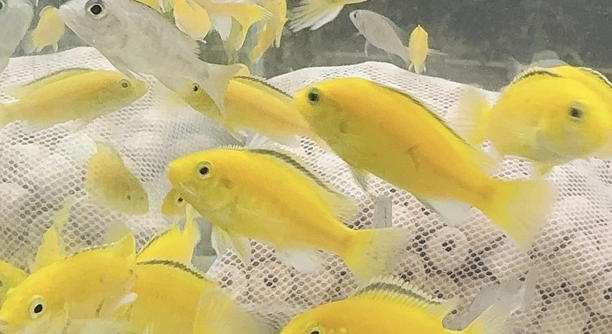
Strong currents in small tanks can be more than just a visual feature. They influence the movement of water, impact aquatic plants, and affect the behavior of fish. Many hobbyists overlook these subtle but important effects.
Fish respond to strong currents in small tanks in various ways. Some may struggle to swim, while others find hiding spots or cling to surfaces. Prolonged exposure can cause stress, reduced feeding, or even injuries, depending on species and tank layout.
Observing how your fish adapt will help you maintain a balanced, healthy aquarium environment. Small adjustments can greatly improve both comfort and overall well-being.
Struggling to Swim
Fish in small tanks with strong currents often show visible signs of struggle. They may constantly swim against the flow or get pushed into corners, which can exhaust them quickly. Some species with weaker fins or smaller bodies are more affected, while stronger swimmers may handle the flow better. Over time, repeated exposure can lead to stress, which weakens their immune system. Observing these behaviors early allows adjustments, like adding plants or decorations, to break up the current and give fish resting spots.
Providing hiding spaces or slower-flow zones can help fish cope with persistent currents, reducing stress and fatigue.
Introducing obstacles like rocks, driftwood, or artificial plants can break the current into smaller streams. These zones allow fish to rest and navigate more comfortably. Strong currents can also push uneaten food into corners, making feeding more challenging. By monitoring fish behavior daily and adjusting tank flow, you can prevent long-term harm while maintaining a dynamic, flowing environment that still supports their natural instincts and keeps them healthy.
Clinging to Surfaces
Some fish respond to strong currents by holding onto tank surfaces.
This behavior reduces energy expenditure and allows them to avoid being swept away.
Fish may use tank walls, decorations, or plant stems as anchors. Species like plecos, loaches, and some catfish naturally cling to surfaces even in calm water, but strong currents make this behavior more frequent. Clinging helps them maintain stability and avoid injury. It also provides a resting method, conserving energy for feeding or exploration. Over time, consistent surface clinging may indicate that the tank’s flow is too strong, signaling the need for adjustments.
Introducing slower-flow areas or vertical structures gives fish alternatives to clinging constantly. By observing where they prefer to hold on, you can strategically place obstacles to distribute the current evenly. This approach balances water movement with comfort, allowing fish to swim freely without fatigue. Creating multiple resting zones helps maintain natural behaviors and supports healthier activity levels, preventing stress-related issues while keeping the tank environment functional and visually appealing.
Hiding Behind Decorations
Fish often retreat behind decorations when currents are too strong.
Hiding reduces exposure to the fast-moving water, giving them a sense of security. Plants, rocks, and artificial caves provide immediate relief and resting spots. Fish use these areas to conserve energy, especially if the flow is continuous and exhausting.
Some species become more reclusive in strong currents, staying near decorations for extended periods. This behavior is not laziness but a survival strategy. By observing which spots they choose, you can adjust tank layouts to create calmer zones. Proper placement of obstacles can split the current into manageable streams, allowing fish to swim comfortably. Over time, strategic hiding spots help maintain natural behaviors, reduce stress, and prevent injuries caused by constant swimming against the flow. Hiding behavior also shows which areas of the tank need modification to ensure even water movement.
Strong currents can also affect feeding. Food may get swept away, and fish hiding behind decorations might miss meals. Ensuring that resting areas are near slower-flow zones helps maintain feeding efficiency. By balancing decorations and flow, fish can thrive without constant stress. Adjustments like redirecting the pump or adding more structures make a noticeable difference in their activity levels and overall health.
Reduced Feeding
Fish may eat less when currents are too strong.
Strong water flow pushes food around, making it difficult for fish to catch and consume it efficiently.
When fish struggle to reach food, their appetite may decrease, leading to slower growth or weight loss. Certain species are more sensitive to this, particularly smaller or weaker swimmers. Feeding in calmer areas or providing floating food that collects in low-flow zones helps ensure proper nutrition. Adjusting current strength or redirecting flow around feeding areas allows fish to access meals without excessive effort. Observing feeding behavior helps identify whether current adjustments are necessary, maintaining overall health.
Reduced feeding can also affect social behavior. Some fish become more territorial or defensive when food is scarce, especially in high-flow conditions. Ensuring that all areas of the tank are accessible for feeding can prevent competition and stress. By creating calmer feeding zones, fish regain energy and maintain natural growth rates. Monitoring intake and adjusting current as needed promotes a balanced environment, supporting both physical health and behavioral stability over time.
Increased Hiding
Fish will often hide more when currents are strong.
They seek calmer areas behind plants, rocks, or decorations. This helps them conserve energy and avoid the strain of fighting the flow.
Erratic Swimming
Strong currents can cause fish to swim erratically.
They may dart suddenly, change direction frequently, or bump into surfaces. This behavior is a response to the uneven or forceful water movement. Erratic swimming increases stress levels and can make fish more vulnerable to injuries. Adjusting tank flow or adding structures to break the current can reduce this behavior, helping fish swim more naturally. Maintaining calmer zones allows them to explore freely without constant resistance, improving overall activity and comfort in the tank.
Clamped Fins
Fish exposed to strong currents may clamp their fins.
This response minimizes resistance while swimming and protects delicate fins from damage.
FAQ
Why do fish struggle in small tanks with strong currents?
Fish struggle in small tanks with strong currents because they have limited space to swim freely. Strong water flow forces them to constantly adjust their position and fight against the current. Smaller or weaker species are especially affected, often becoming fatigued more quickly. Over time, constant exposure can lead to stress, reduced appetite, and weakened immunity. Providing slower-flow zones, plants, and hiding spots helps fish manage the current and conserve energy. Adjusting pump strength or redirecting flow around rest areas ensures fish can swim comfortably while maintaining a healthy environment.
How can I reduce stress for fish in a high-flow tank?
Stress can be reduced by creating areas where water flow is slower. Adding plants, rocks, driftwood, or other decorations helps break up the current, giving fish places to rest. Observing behavior is important; if fish cling to surfaces, hide excessively, or swim erratically, these are signs the flow is too strong. Feeding in calmer areas also helps reduce stress and ensures proper nutrition. Slowing down pumps or using baffles to redirect water can balance movement. A combination of slower zones and resting spots allows fish to swim naturally, improving health and activity levels over time.
Why do some fish cling to surfaces instead of swimming freely?
Clinging is a natural response to strong currents. Fish attach to tank walls, plants, or decorations to stabilize themselves and avoid being swept away. This behavior conserves energy and reduces fatigue. Species like plecos, loaches, and some catfish often cling even in calm water, but stronger currents increase this behavior. Providing alternative slower-flow areas allows fish to move without constant reliance on surfaces. Observing preferred clinging spots can help in rearranging decorations or redirecting water flow. Balanced current distribution ensures fish can swim comfortably and exhibit natural behaviors without overexertion.
Is reduced feeding normal in high-current tanks?
Yes, reduced feeding is common when currents are strong. Fast water movement can push food away or make it harder for fish to reach it. Fish may miss meals or eat less due to constant effort required to swim. Floating or sinking food placed in calmer areas improves feeding success. Adjusting the pump or adding obstacles to break the flow near feeding zones ensures all fish can access meals easily. Monitoring intake helps maintain health, prevent weight loss, and reduce stress, supporting growth and natural activity levels even in challenging tank conditions.
What are common signs that currents are too strong?
Signs include erratic swimming, clamped fins, excessive hiding, and clinging to surfaces. Fish may also show reduced appetite, fatigue, or minor injuries from collisions with tank decorations or walls. Monitoring daily behavior helps identify problem areas. Adjusting flow, adding plants, or rearranging obstacles can correct these issues. Calm zones and resting spots reduce stress and allow fish to swim naturally. Strong currents are not always visually obvious, so attention to subtle behavioral changes is crucial for maintaining a healthy aquarium environment.
Can decorations and plants help manage strong currents?
Yes, decorations and plants are effective tools for managing strong currents. They create barriers that split the water flow into gentler streams and provide hiding and resting spots. Driftwood, rocks, and dense plants help fish conserve energy and reduce stress. Arranging decorations strategically allows currents to remain active while still offering areas for calmer swimming. Observing where fish prefer to rest or hide informs placement choices. This approach balances movement and comfort, ensuring fish can exercise without being overexerted. Decorations also improve the visual appeal of the tank while enhancing natural behaviors.
Should I adjust pump settings for small tanks?
Adjusting pump settings is often necessary in small tanks with strong currents. High-flow pumps can overwhelm smaller aquariums, making it difficult for fish to swim comfortably. Reducing pump speed or redirecting flow with baffles ensures even water movement and calmer zones. Monitoring fish behavior after adjustments confirms effectiveness. Combining pump adjustments with strategic placement of plants and decorations creates a more balanced environment. Proper flow management supports feeding, reduces stress, and allows fish to swim naturally. Even minor changes in flow can significantly improve fish comfort and long-term health.
Can strong currents cause physical harm to fish?
Yes, strong currents can cause physical harm. Fish may scrape against decorations, collide with walls, or sustain fin damage. Constant fighting against the flow can lead to fatigue and weakened immune systems. Providing slower-flow zones and strategically placed obstacles minimizes these risks. Observing fish for torn fins, bruises, or unusual swimming patterns helps detect early signs of injury. Proper tank setup with controlled water movement protects fish while maintaining a dynamic environment that encourages natural activity without compromising health.
How do I know if my tank layout is effective?
An effective layout allows fish to navigate freely while offering slower areas for rest. Fish should swim comfortably, feed easily, and use hiding spots without showing signs of stress. Observation over time is key. Adjust decorations, plants, and pump direction to create balanced flow and resting areas. Fish behavior is the best indicator of tank effectiveness, showing whether modifications are needed to improve swimming conditions, feeding access, and overall comfort.
What types of fish handle strong currents best?
Stronger swimmers, like danios, barbs, and some cichlids, handle high currents better than weaker or smaller species. Bottom-dwellers like plecos, loaches, and catfish also manage currents by clinging to surfaces. However, all fish benefit from calmer zones and resting spots. Proper tank design and flow management support both strong and sensitive species, ensuring a healthy environment for all inhabitants.
Strong currents in small tanks can have a big impact on fish behavior and overall tank health. Even species that are naturally strong swimmers can experience stress when confined to limited space. Constantly fighting the flow tires them out and can lead to fatigue, reduced appetite, or even injuries. Observing how fish react to strong currents is important for maintaining a healthy aquarium. Signs like clinging to surfaces, hiding behind decorations, or swimming erratically indicate that adjustments may be needed. Small changes in tank setup can make a noticeable difference in their comfort and well-being.
Creating calmer areas within a tank does not mean reducing water movement entirely. Flow is important for oxygenation and for keeping water clean, but it needs to be balanced with resting zones. Adding plants, rocks, and other decorations can break the flow into smaller streams, giving fish spaces to rest. Hiding spots and slower-flow areas help fish conserve energy, feed more easily, and maintain natural behaviors. Proper placement of these structures can direct water movement while keeping the tank visually appealing. Even small adjustments, such as redirecting a pump or reducing its speed, allow fish to move more naturally and reduce stress over time.
Maintaining the right balance of current is a continuous process that benefits both fish and tank health. Regular observation of fish behavior is key to understanding how they cope with water movement. Adjustments to tank layout, decorations, and pump settings can improve comfort and reduce fatigue. Feeding routines may also need modification, placing food in calmer zones to ensure fish receive proper nutrition. By paying attention to these factors, small tanks with strong currents can become more manageable and enjoyable for the fish. Thoughtful setup and consistent monitoring help create an environment where fish can thrive, swim naturally, and maintain good health without unnecessary stress.

Hello,
If you enjoy the content that we create, please consider saying a "Thank You!" by leaving a tip.
Every little bit helps us continue crafting quality advice that supports the health, happiness, and well-being of pets around the world, for pets of all shapes, sizes, and species.
We really appreciate the kindness and support that you show us!