
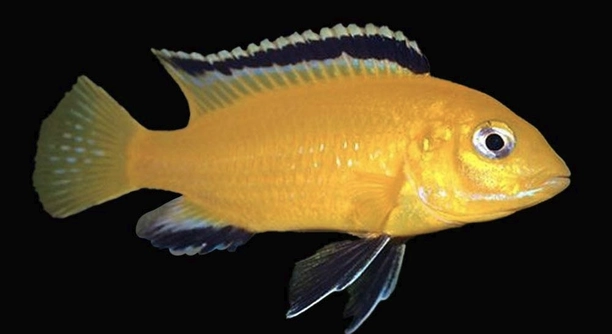
Are your electric yellow cichlids avoiding their usual food and acting less eager during feeding time? This sudden shift can feel unsettling, especially when these colorful fish are typically lively eaters that brighten your aquarium.
Loss of appetite in electric yellow cichlids often stems from stress, poor water quality, illness, territorial pressure, or environmental disruptions. Identifying these factors allows targeted adjustments that support healthier feeding patterns and restore the fish’s appetite within a stable habitat.
Understanding these causes gives you a clearer view of your cichlid’s needs and helps you support a healthier feeding routine.
Stress and Environmental Changes
Stress can affect electric yellow cichlids more than many people realize, and it often shows up as a loss of appetite. When their space feels disturbed, their feeding routine easily shifts, making them withdraw during mealtimes. Small changes in the tank can influence their sense of safety. Rearranged decorations, sudden noise, or even the presence of new fish can make them feel unsettled. I have seen how quickly they react to disruptions that seem minor to us. Giving them a stable environment helps them return to a normal feeding pattern. When the tank remains calm and predictable, they tend to settle and regain their interest in food. Paying attention to their behavior after any change is important. This small bit of patience often makes a noticeable difference, since these fish respond well to steady conditions that allow them to feel secure and confident in their surroundings each and every day.
Keeping stress low starts with maintaining familiar surroundings and giving your cichlids time to adjust after any change. Gentle handling of the tank, slow introductions of new fish, and steady lighting patterns help them stay comfortable and more open to regular feeding in their daily tank life as they settle.
These fish usually respond well once their surroundings return to a stable and predictable state. Giving them a peaceful space without sudden changes encourages a steadier appetite. I have noticed that even small improvements create a softer, calmer behavior that leads to better feeding. When noise stays low and tank mates behave respectfully, your cichlids feel safer and more willing to eat. Their comfort grows with each familiar routine, allowing them to rebuild trust in their environment. Supporting these conditions helps them recover their interest in food and maintain a healthier rhythm through consistent care and steady daily tank habits.
Water Quality Issues
Poor water quality is one of the fastest ways to reduce your cichlids appetite, since toxins build up quickly and create discomfort. When ammonia or nitrite rises, these fish react by pulling back from normal feeding. Clean, stable water keeps them comfortable and willing to eat in their daily routine.
Maintaining clean water is essential for electric yellow cichlids, since their health relies heavily on a balanced environment. When waste begins to collect, it affects their comfort and disrupts regular feeding patterns. These fish are sensitive to shifts in ammonia, nitrite, and nitrate, making steady filtration an important part of daily care. Frequent testing helps you track subtle changes before they influence appetite. I have found that small improvements in water clarity often lead to better behavior and a more confident feeding response. Partial water changes support a healthier tank by removing buildup that stresses the fish. Keeping the filter functioning well ensures that debris does not sit long enough to reduce oxygen levels. When water remains clear and stable, your cichlids feel more secure and regain their interest in food. Temperature stability also plays a role, since any fluctuation can make them hesitant to eat. Gentle cleaning, patient monitoring, and consistent upkeep create the type of habitat where your cichlids stay relaxed. With these conditions in place, they respond with a stronger appetite and a calmer presence around the tank, allowing them to maintain healthier feeding habits over time within a stable and comforting setting that supports their wellbeing.
Illness and Internal Problems
Illness often shows up through a sudden decline in appetite, and electric yellow cichlids tend to hide or move less when they feel unwell. I’ve seen how quickly their feeding behavior changes when something internal begins to affect their comfort or overall strength.
When these fish deal with infections, parasites, or digestive issues, their willingness to eat drops noticeably. Internal parasites can slow their energy, and bacterial conditions make them feel uncomfortable during normal feeding times. I always pay close attention to their appearance, since subtle signs like darker coloration or slight swelling often point to an underlying issue. Early treatment helps them regain stability, and they usually respond well when the problem is addressed quickly. Clean water, proper medication, and reduced stress can steadily bring back their appetite. These small steps create a calmer atmosphere that helps them recover and return to their regular feeding habits.
Sometimes the problem starts inside their digestive system, especially when they’ve consumed food that doesn’t suit them or when their diet lacks variety. I’ve noticed that offering balanced meals with high quality ingredients often improves their response to food. When they eat poorly matched pellets or flakes, discomfort follows. Paying attention to how they react after each meal gives clues about possible sensitivities. Supporting them with foods that match their needs helps their digestion run smoothly again. When their body feels better, they become more active and eager to feed, showing healthier behavior through steady eating patterns and improved movement around the tank.
Aggression and Territorial Tension
Aggression in the tank can make electric yellow cichlids so uneasy that they stop eating altogether. When dominant fish claim areas too forcefully, others pull away from feeding and hide more often, especially if the tank layout gives them few safe places to retreat.
I’ve seen how important it is to balance tank dynamics by arranging spaces that allow each fish to feel secure. When rocks and shelters are spread evenly, tension drops and weaker fish get better access to food. Adjusting group sizes also helps, since overcrowding intensifies territorial behavior. Watching how they interact during feeding gives a clear view of who feels pressured or left out. Separating overly aggressive fish can make a noticeable difference, and the remaining group usually settles quickly. Soft lighting, predictable feeding times, and calm surroundings also help reduce tension. These small adjustments create room for healthier behavior, giving every cichlid a chance to eat comfortably and regain consistent routines that support their wellbeing.
xxxxxxxxxxxxxxxxxxx
Poor nutrition can make electric yellow cichlids lose interest in food, especially when their meals lack balance. I’ve noticed that low quality ingredients reduce their energy and appetite. Offering consistent, nutrient rich options keeps them engaged and helps them respond more positively during feeding in their daily tank life routines.
Feeding the same food too often can also affect their appetite, since electric yellow cichlids benefit from variety. I’ve seen better behavior when meals rotate between pellets, flakes, and frozen items. This simple mix supports healthier digestion and encourages steady eating throughout their day in a consistent and calm manner.
xxxxxxxxxxxxxxxxxxx
Temperature fluctuations can influence how electric yellow cichlids respond to food, especially when the change happens quickly. I’ve watched them become hesitant when the water cools or warms without warning. Keeping the temperature stable helps them stay comfortable and more responsive during feeding. A reliable heater supports this balance by preventing sudden shifts that unsettle them. I always check the thermometer during routine care, since even small differences can affect their behavior. When the water stays within their preferred range, they move with more confidence, approach food willingly, and maintain steady habits that support healthier feeding patterns every day consistently.
xxxxxxxxxxxxxxxxxxx
Overfeeding can reduce appetite, since leftover food affects water quality and makes cichlids feel uncomfortable. I’ve found that smaller portions offered consistently keep them interested and prevent buildup. Watching how quickly they finish each meal helps create a feeding rhythm that supports healthier habits in every single tank day routine.
FAQ
Why is my electric yellow cichlid suddenly refusing food?
A sudden loss of appetite usually points to stress, poor water quality, illness, or tension in the tank. I’ve seen these fish react quickly when something disrupts their comfort. Even small changes can make them withdraw from feeding. Checking their environment, behavior, and recent changes helps you find the cause faster. When the issue is corrected, they usually return to normal eating habits with steady behavior.
How long can an electric yellow cichlid go without eating?
Most healthy adults can manage several days without food, though I try not to let it go that long. If they continue refusing meals for more than three days, something is likely bothering them. Younger fish have less reserve, so they need closer attention. Steady monitoring helps you decide whether it is temporary stress or a sign of something more serious. Supporting them with calm surroundings helps them regain their appetite sooner.
Can poor diet cause loss of appetite in electric yellow cichlids?
Yes, poor diet can definitely affect their eating habits. I’ve noticed that low quality foods or repetitive meals make them turn away from their usual feeding spots. These fish do better with a balanced mix of pellets, flakes, and occasional frozen options. When their diet feels more complete, they show better color, more movement, and a stronger feeding response. Variety keeps them engaged and improves their overall health at the same time.
Could internal parasites be making my cichlid stop eating?
Internal parasites can lead to appetite loss, especially when fish begin losing weight or acting sluggish. If you see long, stringy waste or a hollow appearance, parasites may be involved. I’ve had cases where fish improved quickly once treated with the correct medication. Addressing the issue early prevents further decline and helps them recover faster. Clean conditions also reduce the chance of reinfection over time.
How does aggression affect eating behavior?
Aggression creates tension that discourages weaker fish from approaching food. I’ve watched electric yellow cichlids hide during feeding when a dominant one guards the space. Creating more hiding spots, rearranging decorations, or adjusting the group can ease this problem. When the tank feels safer, they come forward more confidently and resume normal eating patterns. Small adjustments often soften the overall tank behavior.
Does water temperature influence appetite?
Temperature plays a big role in their eating behavior. Sudden changes make them uneasy and less willing to feed. Keeping the temperature stable keeps them relaxed and more responsive to food. I always rely on a dependable heater and check the thermometer often. Consistency helps them maintain stronger energy levels and healthier habits. When the water stays in the right range, their feeding rhythm improves noticeably.
Why does water quality affect their appetite so quickly?
Electric yellow cichlids are sensitive fish, so ammonia, nitrite, or nitrate buildup affects them fast. Poor water quality causes irritation that makes them pull back from food. I’ve learned that even slight imbalances can influence their behavior. Regular testing and small water changes help prevent these fluctuations. Cleaner water always leads to better feeding responses and a calmer tank atmosphere.
Is overfeeding really a problem?
Yes, overfeeding creates more trouble than most people expect. Extra food breaks down in the tank and harms water quality, which makes your fish feel uncomfortable. Offering smaller meals reduces this risk and keeps them eager to eat. I watch how quickly they finish each feeding to find the right portion. This simple habit keeps their appetite steady and supports healthier behavior every day.
Final Thoughts
Caring for electric yellow cichlids becomes easier when you understand how strongly their environment shapes their behavior, especially their appetite. I’ve learned that these fish communicate their needs through small changes in movement, color, and feeding patterns. When they turn away from food, it usually means something in their surroundings has shifted enough to make them feel uncertain or uncomfortable. By slowing down and watching their daily habits, you start to see patterns that help you recognize what they need to feel stable again. This kind of quiet observation builds a better connection with your fish, because you begin noticing details that might otherwise be overlooked. Their feeding routine is often the first sign that something needs attention, and being aware of those early signals helps prevent bigger problems later. It becomes easier to support them when you treat each change as useful information rather than something frustrating or confusing.
What helps most is remembering that these fish rely on you to maintain consistency. Even though they are hardy, they still respond strongly to sudden noise, quick temperature shifts, or new tank mates added without enough care. I’ve seen how small adjustments create significant improvements in their comfort, like spreading out hiding spots, keeping the water clean, or offering a wider range of food choices. Each step adds a little more stability to their daily life. When their surroundings feel predictable, they move more confidently and meet feeding times with better energy. This steady rhythm builds healthier habits that benefit them long term. It also gives you more chances to notice when something shifts or needs correction. Any loss of appetite usually becomes easier to trace once the rest of the environment stays calm and balanced. A routine built around gentle care and simple consistency often restores their appetite faster than anything else.
Supporting electric yellow cichlids is not complicated once you understand how their needs connect to their eating patterns. Clean water, stable temperature, balanced food, and peaceful tank interactions all work together to keep them comfortable. When these areas stay in good shape, feeding becomes a pleasant part of their day instead of a struggle. I’ve noticed that even nervous or timid fish begin to relax when their environment feels right. They show more color, explore more freely, and respond to food with renewed interest. Paying attention to these changes helps you create an environment where they feel safe and willing to engage. Over time, this leads to a healthier and more enjoyable tank for both you and your fish. Taking small, thoughtful steps ensures that their appetite remains strong and their behavior stays steady, giving them the kind of environment that allows them to thrive with confidence.

Hello,
If you enjoy the content that we create, please consider saying a "Thank You!" by leaving a tip.
Every little bit helps us continue crafting quality advice that supports the health, happiness, and well-being of pets around the world, for pets of all shapes, sizes, and species.
We really appreciate the kindness and support that you show us!