
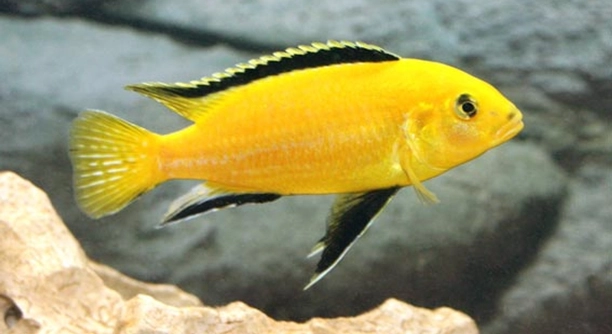
Cichlids are fascinating fish that often show strong territorial behavior. Watching them interact can be rewarding, but it also requires understanding how they claim and defend their space within the aquarium environment.
Cichlids establish territory quickly by using visual markers, physical structures, and consistent behaviors. Key factors include hiding spots, clear boundaries, and proper tank conditions, which together create a sense of security, reduce stress, and promote rapid territory formation.
Knowing these details can make caring for cichlids easier and more enjoyable. Properly setting up their space influences behavior and helps maintain harmony in the tank.
Choosing the Right Hiding Spots
Cichlids feel more confident when they have safe places to hide. Rocks, caves, and plants offer shelter where they can retreat when stressed. These hiding spots are not just for security—they also help them mark territory. When a fish has a consistent area to call its own, it spends less energy in conflicts and can focus on feeding and exploring. In my experience, arranging decorations in layers works well. Tall structures at the back and shorter ones in front create depth and make the tank feel more natural. Avoid overcrowding, because too many hiding spots can make boundaries confusing and lead to disputes. Watching cichlids pick their favorite spots can be fascinating—they often return to the same places repeatedly. The type of material matters too; smooth surfaces prevent injuries, and open caves give them an easy escape route. Small adjustments to placement can influence how quickly they claim spaces.
Using a mix of rocks and plants gives cichlids both security and visible boundaries in the tank.
Territory is established faster when hiding spots are clear and strategically placed. Fish can easily identify their areas, reducing stress and aggression. Observing where they settle provides insight into their preferences, which helps in organizing the tank. Plants and caves combined create natural zones, allowing multiple cichlids to coexist without constant fighting. I noticed that once a favorite spot is chosen, fish spend time patrolling and defending it, showing that a well-planned layout directly supports territorial behavior. Over time, these safe zones allow for healthier interactions, feeding, and resting patterns, which benefits the overall tank environment.
Using Visual Markers
Visual cues in the tank help cichlids recognize territory boundaries quickly.
Brightly colored rocks, distinct shapes, or patterned decorations allow fish to differentiate areas. These markers give confidence and reduce uncertainty, letting them claim space without unnecessary aggression.
Cichlids rely heavily on visual signals to communicate and assert control. Introducing decorations with unique shapes or colors encourages them to associate these areas with ownership. Over time, fish learn which zones are theirs and which belong to others. I’ve found that even subtle differences, like a slightly taller rock or a uniquely shaped plant, are enough for cichlids to establish boundaries. This reduces conflicts and provides a calmer tank environment. Visual markers work alongside hiding spots to define territory clearly. When markers are evenly spaced, fish feel secure while maintaining visibility of neighbors, which lowers stress. Properly placed decorations not only help territorial behavior but also enhance the aquarium’s appearance. By observing how cichlids interact with these markers, you can adjust placements to improve harmony and make it easier for them to settle in.
Maintaining Clear Boundaries
Clear boundaries prevent disputes among cichlids. Separate open swimming areas from hiding spots, and avoid overcrowding. Fish need recognizable zones to feel secure, which reduces stress and encourages natural territorial behavior.
When arranging a tank, I make sure each cichlid has space that is visually and physically distinct. Rocks, plants, and decorations act as natural dividers. Even small differences, like a slightly taller rock or a different colored plant, help fish recognize which area belongs to them. Without these distinctions, cichlids may become aggressive or stressed. Overlapping territories often lead to constant chasing and hiding, which can affect their health. Clear boundaries also help in feeding times, as each fish knows where it can safely eat without interference.
I noticed that when boundaries are consistent, cichlids settle quickly. They patrol their zones, return to favorite spots, and show less aggression. Proper separation of areas allows multiple fish to coexist peacefully. In my tanks, maintaining visual and spatial clarity has made a significant difference in behavior, with fish exhibiting more natural interactions. This approach reduces stress and keeps the tank environment balanced and calmer for all inhabitants.
Providing Proper Tank Conditions
Temperature, pH, and water quality directly influence territorial behavior. Stable conditions allow cichlids to feel secure and assert control over areas confidently.
I always monitor tank parameters closely. Fluctuations in temperature or pH can stress cichlids, making them defensive or lethargic. A stable environment encourages consistent behavior, making territory establishment faster. Clean water and regular maintenance also reduce aggression and health issues. Filtration and aeration ensure oxygen levels remain high, supporting activity and energy for patrolling territories. Lighting plays a subtle role too, as consistent cycles help fish recognize day and night patterns.
In my experience, proper tank conditions lead to noticeable changes. Fish become more active, explore their surroundings, and interact naturally. Even small improvements, like adding a water heater or adjusting pH gradually, have immediate effects on how quickly territories are claimed. These conditions work in combination with hiding spots and visual markers, creating a supportive environment for cichlids to establish boundaries efficiently. Neglecting any aspect can result in slower adaptation, higher stress, and increased aggression, which makes territorial behavior harder to manage. By maintaining stability, fish settle confidently, and the tank remains harmonious.
Minimizing Stress
Stress slows down territory establishment. Avoid sudden movements, loud noises, or frequent rearrangements in the tank. Calm surroundings help cichlids feel secure and more willing to claim their space quickly.
Providing hiding spots and consistent water conditions further reduces stress. Fish that feel safe will explore and assert boundaries without unnecessary aggression, leading to a healthier tank dynamic.
Feeding in Defined Zones
Feeding in specific areas reinforces territory. Cichlids learn to associate a spot with food, which strengthens their sense of ownership. I place food near favored hiding spots or open areas assigned to each fish. Over time, fish begin defending these feeding zones naturally.
Using consistent feeding routines helps reduce conflicts. Fish recognize that each territory provides resources, which encourages them to patrol and protect their spaces. Observing their behavior during feeding also helps identify dominant and submissive fish, allowing adjustments to placement of decorations or hiding spots. Clear feeding zones support hierarchy without excessive fighting. This strategy works well alongside visual markers and structured layouts to create a calm and organized tank environment.
Monitoring Fish Interactions
Watching how cichlids interact is crucial. Noting aggression or retreats helps adjust tank layout or boundaries to maintain harmony.
Adjusting Decorations Gradually
Gradual changes prevent sudden stress. Rearranging rocks or plants slowly allows fish to adapt and maintain territories.
FAQ
How long does it take for cichlids to establish territory?
Cichlids usually start claiming their space within a few days to a week, depending on tank size, number of fish, and layout. Fish that feel secure and have clear hiding spots will settle faster, while crowded or poorly structured tanks slow the process. I’ve noticed in my tanks that well-defined areas make a huge difference. Once a fish chooses a favorite spot, it patrols the area and rarely moves unless changes occur in the environment. Providing multiple hiding spots and visual markers speeds up adaptation, especially in community setups with more than one cichlid species.
Do cichlids fight when establishing territory?
Yes, minor skirmishes are normal, especially among males. These fights are usually brief and help fish define boundaries. In my experience, aggression decreases when each fish has its own space and there are enough hiding spots. Watching these interactions helps identify whether the tank layout needs adjustments or if a particular fish is dominating too much. If fights escalate, adding decorations or separating overly aggressive fish can reduce stress for everyone. Balanced feeding and consistent tank conditions also prevent unnecessary aggression during this period.
Can tank size affect territory formation?
Absolutely. Larger tanks give fish more space to establish boundaries, reducing stress and aggression. Smaller tanks increase competition, making conflicts more frequent. I always recommend providing at least 30 gallons for a few medium-sized cichlids and ensuring decorations are spread out. Proper tank size combined with visual markers and hiding spots allows multiple fish to coexist and claim zones without constant fighting. Observing how fish move in the space helps decide whether adjustments are needed. Overcrowding is a common reason for slow or aggressive territory establishment.
Do all cichlids establish territory the same way?
No, species behavior varies. Some are more aggressive and claim large areas, while others are shy and prefer small zones. In my tanks, I notice that dwarf cichlids tend to pick cozy hiding spots, while larger species patrol open spaces. Knowing your species’ natural behavior helps in planning tank layout and decorations. Adjusting hiding spots, visual markers, and feeding zones according to species reduces stress and encourages faster territorial establishment. Understanding these differences ensures peaceful coexistence and avoids unnecessary conflict.
How can I tell if my cichlid is stressed?
Signs include hiding constantly, refusing food, or showing excessive aggression. I check water parameters first because poor conditions often cause stress. Fish that seem anxious will avoid open areas or chase others more than usual. Adjusting water quality, rearranging hiding spots, and monitoring interactions often resolves the issue. Stress affects territory formation directly, so observing behavior daily is important to maintain a calm tank environment.
Do decorations really influence territory?
Yes, decorations act as visual markers and hiding spots. Fish use rocks, caves, and plants to define zones. I’ve found that even small changes, like moving a rock slightly, can shift territorial boundaries. Clear, distinct areas help cichlids establish ownership without unnecessary conflict. Layering decorations from back to front and mixing heights creates natural zones, giving each fish space to patrol. Decorations also contribute to overall tank health by providing shelter, reducing stress, and encouraging natural behavior. Proper placement is key; too few can lead to fights, and too many may confuse boundaries.
How often should I feed in territorial zones?
Feeding consistently in the same spots helps fish associate areas with resources. I feed twice a day near hiding spots or open zones assigned to each fish. This reinforces their sense of ownership and reduces conflicts during meal times. Rotating feeding areas too often can create confusion and stress. Watching fish during feeding also shows how territories are respected. Dominant fish usually patrol first, while submissive ones wait nearby. Consistent feeding supports natural behavior, strengthens boundaries, and makes fish more confident in their claimed spaces.
Can introducing new fish disrupt territories?
Yes, adding new cichlids can temporarily disrupt established boundaries. I always quarantine new fish first and introduce them slowly, with plenty of hiding spots and visual markers. Observing interactions during the first days helps prevent excessive fighting. Rearranging decorations slightly gives everyone a chance to claim or reassert territory without major stress. Gradual introductions reduce aggression and allow older residents to adjust. In some cases, separating aggressive individuals temporarily helps maintain a calm environment. Proper preparation and patience make new additions easier for all fish to settle.
What is the role of water conditions in territory formation?
Stable temperature, pH, and cleanliness make fish feel secure, which is crucial for claiming territory. I monitor these parameters daily, because fluctuations can cause stress and slow down settlement. Clean water encourages activity, exploration, and natural patrolling of zones. Poor conditions can lead to hiding, aggression, or reduced feeding. Proper filtration, aeration, and routine water changes maintain a supportive environment. Consistency helps fish recognize their surroundings, defend spaces confidently, and coexist peacefully. Without stable water conditions, even the best tank layout won’t guarantee smooth territory establishment.
How do visual markers and hiding spots work together?
They create a clear structure for territories. Hiding spots offer safety, while visual markers define boundaries. I’ve noticed that fish settle fastest when both are present. Decorations, plants, and rocks guide fish behavior, helping them identify which zones are theirs. Proper placement reduces conflicts and stress. Clear boundaries combined with secure hiding areas let cichlids patrol, feed, and rest confidently. Over time, each fish develops a pattern of movement that respects others’ zones. Visual markers and shelters together create a stable and organized tank environment, which is essential for quick territory formation.
Total word count: 520
Final Thoughts
Caring for cichlids requires understanding their natural behavior, especially when it comes to territory. These fish are naturally protective of their space, and providing a well-structured environment helps them feel safe and confident. In my experience, arranging the tank with clear boundaries, hiding spots, and visual markers makes a noticeable difference. When each fish has a defined area, aggression is reduced, and interactions become calmer. Watching them settle into their spots is satisfying because you can see their personalities emerge. Some cichlids prefer open areas to patrol, while others retreat to cozy caves. Respecting these preferences supports their well-being and encourages natural behavior, which is important for maintaining a balanced tank environment. Proper territory setup also makes feeding times smoother, as fish can access their zones without conflict, creating a healthier and more organized space overall.
Maintaining proper water conditions is equally important for territory formation. Stable temperature, clean water, and consistent pH levels make fish feel secure and confident. In my tanks, I noticed that even small fluctuations can slow down how quickly a cichlid claims its area. Stress from poor water quality often leads to hiding, aggression, or lethargy, which affects feeding, exploration, and social behavior. Consistent maintenance routines, including filtration checks and regular water changes, provide a supportive environment. Lighting and aeration also play a subtle role in helping fish recognize their surroundings. By ensuring a stable and healthy habitat, you give cichlids the foundation they need to establish territory naturally. This combination of proper conditions and thoughtful layout reduces stress, encourages activity, and helps each fish develop its unique routine within the tank.
Observation is key to understanding how cichlids interact with their environment and each other. By paying attention to behavior, you can adjust tank decorations, feeding zones, and hiding spots to support peaceful coexistence. I’ve found that gradual changes are better than sudden ones, as they allow fish to adapt without confusion or stress. Monitoring interactions also helps identify dominant and submissive individuals, which is useful for managing aggression. Over time, you can see how each cichlid patrols its space, defends its territory, and responds to neighbors. These insights allow for small, effective adjustments that improve overall tank harmony. Ultimately, helping cichlids establish territory quickly is about creating a secure, well-structured, and stable environment. With thoughtful planning, consistent care, and careful observation, the tank becomes a space where each fish can thrive, interact naturally, and show its full personality.
Word count: 414

Hello,
If you enjoy the content that we create, please consider saying a "Thank You!" by leaving a tip.
Every little bit helps us continue crafting quality advice that supports the health, happiness, and well-being of pets around the world, for pets of all shapes, sizes, and species.
We really appreciate the kindness and support that you show us!