
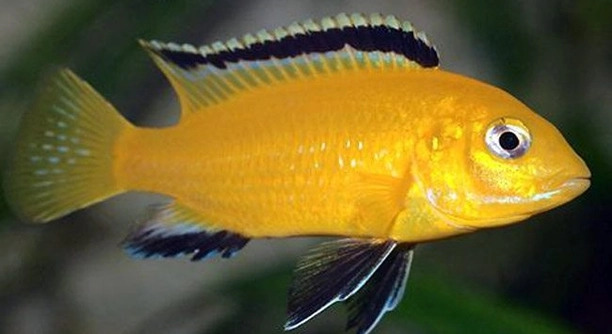
Are your cichlids acting more aggressive than usual or keeping to themselves in the tank? Many hobbyists face this challenge, noticing subtle shifts in behavior that can affect the harmony of their aquatic environment over time.
Small changes in tank setup, feeding schedules, and environmental enrichment can significantly improve cichlid interactions. Adjusting territory boundaries, providing hiding spots, regulating light cycles, and maintaining water quality helps reduce stress and encourages natural social behaviors among these fish.
Even minor tweaks can make a visible difference in how your cichlids behave and interact with one another within their aquatic home.
Adjust Tank Layout
The arrangement of rocks, plants, and decorations in your cichlid tank can heavily influence behavior. Cichlids are territorial by nature, and a lack of clearly defined spaces often leads to constant chasing and stress. Adding caves or dense plant areas creates safe zones, allowing fish to retreat when overwhelmed. Rocks placed strategically can serve as boundaries that reduce conflict. Overcrowding or leaving the tank too open encourages dominant fish to assert control, which can harm weaker fish. Even small changes, like moving a rock or adding a floating plant, can shift territorial patterns. I noticed that after rearranging a few key areas in my tank, the aggression between my cichlids dropped noticeably. They explored more freely and even shared feeding spots without constant skirmishes. Visual barriers and vertical spaces allow more natural swimming and hiding behaviors. This small adjustment creates a calmer and more predictable social environment, which supports both the physical and mental health of your fish.
Strategically placing hiding spots reduces tension and provides safer movement throughout the tank. Fish feel secure and less likely to fight.
Rearranging the tank layout also encourages natural exploration. Cichlids begin using vertical and horizontal spaces differently, making the environment feel larger. They interact less aggressively and more with peers, reducing stress-related illness. Each modification to layout can enhance overall harmony, and even minor adjustments may bring lasting benefits for your aquatic setup.
Adjust Feeding Schedule
Regular feeding routines play a big role in cichlid behavior. Fish respond to consistent timing, which reduces sudden aggression caused by hunger or competition. Feeding multiple times in smaller portions ensures all fish get adequate nutrition and prevents dominant individuals from monopolizing food. Uneaten food can harm water quality, so careful timing and amount control are essential. I found that splitting feedings into three short sessions improved both fish health and social dynamics. Fish were calmer, less aggressive, and more willing to explore the tank. Overfeeding in one session often led to chasing and tension, while consistent schedules made interactions smoother. Watching the fish adjust to a predictable routine highlights how sensitive they are to subtle environmental cues. This simple change in feeding can shift their focus from competition to exploration, making the tank a more balanced and enjoyable environment for all residents.
Consistent feeding reduces aggression and ensures even distribution of food among all cichlids.
Adjusting feeding schedules requires attention to fish habits and tank population. It may take a week or two for the changes to reflect fully, as cichlids adapt slowly to new routines. Begin by observing which fish eat first and how quickly food is consumed. Offering smaller portions at regular intervals encourages healthier eating and lowers conflict over meals. During this period, remove uneaten food promptly to prevent water quality issues that can lead to stress or illness. By spacing feedings evenly, fish learn to anticipate meals, reducing anxiety and aggressive bursts. Over time, calmer interactions and less chasing become the norm, improving the overall social environment. Feeding consistency also allows monitoring of individual fish health, as changes in appetite become easier to notice. This adjustment creates a more harmonious balance, helping cichlids thrive physically and socially while reducing conflicts that might otherwise escalate in a crowded tank.
Maintain Water Quality
Clean water directly impacts cichlid behavior. Poor water conditions cause stress, aggression, and illness. Regular partial water changes, testing for ammonia, nitrites, and nitrates, and proper filtration keep fish healthy and calm.
Consistent monitoring of water parameters is essential. I noticed that when ammonia levels rose slightly, my cichlids became restless and territorial. Maintaining stable pH, temperature, and hardness also reduces aggression and promotes natural behaviors. A routine schedule for cleaning filters and replacing a portion of the water makes the tank a safer, more predictable environment. Fish thrive when water is clean, and social interactions improve naturally. Even small fluctuations can trigger stress, so vigilance is key to preventing conflict.
Water changes alone aren’t enough; attention to filtration and substrate cleaning matters. Removing debris from gravel, vacuuming uneaten food, and ensuring proper flow patterns encourages fish to swim calmly. Healthy water reduces stress hormones, helping cichlids establish territories without constant fighting. Over time, a stable aquatic environment fosters more balanced social structures, making interactions smoother. It also reduces disease risks, which can cause additional tension in the tank. Small steps in maintenance can produce noticeable improvements in both behavior and overall tank health.
Introduce Visual Barriers
Visual barriers like rocks, plants, or decorations help cichlids reduce stress and territorial disputes. Hiding spots give timid fish refuge and prevent dominant fish from controlling the entire tank.
Barriers break up the line of sight, which lowers chasing and aggression. I found that adding tall plants in corners and mid-tank decorations stopped constant confrontations over central areas. Fish began exploring new spaces and interacting more naturally. Vertical and horizontal structures divide territories and encourage peaceful coexistence. They also provide enrichment, making the tank feel more dynamic. Adjusting positions of these barriers periodically can prevent dominance patterns from forming.
Introducing barriers also changes swimming patterns. Fish no longer compete for open spaces and feel secure in their sections. Dominant fish can patrol their territory without bullying others, while shy fish gain confidence to explore. I noticed increased feeding participation from previously timid fish after adding vertical plants and hiding caves. Barriers create micro-territories, giving each cichlid a sense of ownership, which reduces stress and promotes healthier social behavior. Over weeks, calmer interactions became evident, and the overall energy in the tank felt more balanced. The addition of visual barriers is a subtle but powerful tool to improve harmony.
Regulate Light Cycles
Consistent light cycles help cichlids maintain normal activity patterns. Sudden changes in lighting can trigger stress or aggression. A timer ensures predictable day and night periods, giving fish a natural rhythm that supports calmer interactions and overall well-being.
Gradually adjusting brightness and duration prevents sudden stress. I noticed that when lights were left on too long, chasing increased, while a steady schedule encouraged more relaxed swimming and social behavior.
Provide Adequate Space
Overcrowding leads to frequent fights and tension. Ensuring enough swimming room reduces stress and allows each cichlid to establish a personal territory without constant confrontation.
Monitor Fish Health
Illness affects behavior and can provoke aggression or withdrawal. Sick fish often become targets or act unpredictably, making it important to observe for early signs of disease and respond promptly.
Rotate Tank Decorations
Changing decorations occasionally keeps the environment stimulating. New structures prevent dominance patterns from forming, encourage exploration, and give timid fish chances to claim new territories without fear of aggression.
FAQ
How can I tell if my cichlids are stressed?
Stress in cichlids often shows through changes in behavior. Fish may hide more than usual, swim erratically, or engage in frequent chasing. Loss of appetite, faded colors, or rubbing against surfaces can also be indicators. In my tank, I noticed my fish became unusually aggressive after a minor water parameter shift. Paying attention to these subtle signs allows early intervention before stress leads to illness or long-term behavioral problems. Providing hiding spots and stable conditions can reduce tension and help fish regain normal behavior quickly.
Why do cichlids fight so much?
Fighting is often territorial. Cichlids naturally claim areas of the tank and assert dominance. Overcrowding, limited hiding spaces, or uneven distribution of food can worsen conflicts. I used to struggle with constant chasing in a small tank. Adding visual barriers and rearranging rocks created micro-territories, and the fighting decreased noticeably. Even minor environmental tweaks like plants or caves help break up line-of-sight and reduce stress-induced aggression. Understanding that fighting is instinctive helps in designing a tank layout that promotes peaceful coexistence.
What is the best way to feed multiple cichlids?
Feeding multiple cichlids requires careful portioning and timing. Small, frequent feedings prevent dominant fish from monopolizing food and reduce competition. I switched from one large feeding to three shorter sessions, and shy fish began eating confidently without being chased. Using floating and sinking foods also ensures all fish can access meals according to their natural feeding preferences. Monitoring leftover food and adjusting portions is important to maintain water quality. Feeding consistently at the same times each day also helps regulate behavior and reduces aggressive bursts caused by sudden hunger.
How often should I clean the tank?
Regular cleaning is crucial for health and behavior. Partial water changes of 20–25% weekly help maintain stable water parameters. I noticed aggression in my cichlids often coincided with slightly elevated nitrate levels. Cleaning substrate to remove debris, vacuuming uneaten food, and rinsing filters support stable conditions. Keeping water parameters consistent reduces stress and prevents outbreaks of disease, which can lead to sudden shifts in social interactions. Consistency in maintenance fosters a calmer tank environment and healthier fish.
Do decorations really impact interactions?
Yes, decorations play a significant role. Rocks, plants, and caves provide hiding spots, define territories, and reduce line-of-sight aggression. I observed that after adding mid-tank plants and small caves, dominant fish no longer chased others constantly. Visual barriers give timid fish confidence to explore and establish small territories. Rotating decorations occasionally prevents one fish from monopolizing the space and keeps interactions dynamic. Decorations are not just aesthetic—they are critical for regulating social behavior.
How important is water temperature and pH for behavior?
Stable temperature and pH are essential. Sudden changes can increase aggression and stress. I once experienced a slight temperature drop, and chasing behavior escalated immediately. Keeping water within species-specific ranges and using a reliable heater or thermometer prevents fluctuations. Regular testing ensures conditions remain stable, which directly affects cichlid mood, feeding patterns, and interactions. Consistency promotes calmer and more predictable behavior, reducing the likelihood of fights and improving overall tank harmony.
Can introducing new fish cause problems?
Yes, new fish can trigger aggression as established cichlids defend their territory. I introduced a new fish slowly using a divider first, which allowed gradual acclimation. Providing additional hiding spots and monitoring interactions closely prevents stress-related injuries. It’s essential to introduce fish with similar size and temperament to maintain balance. Proper introduction techniques help the group adjust with minimal conflict.
Is it necessary to rearrange the tank regularly?
Rearranging the tank occasionally is helpful. Changing the positions of rocks, plants, or caves prevents dominant fish from controlling the entire tank and gives shy fish new areas to explore. I rotated decorations every few weeks and noticed calmer social dynamics. These changes encourage natural behaviors and keep the environment stimulating. Regular, small adjustments support healthier, balanced interactions over time.
How do I encourage shy cichlids to interact?
Shy cichlids need safe spaces and gradual exposure to peers. Hiding spots and visual barriers allow them to observe without being chased. I added caves and tall plants, and over time, timid fish began swimming more freely. Maintaining stable water conditions and feeding consistently also builds confidence. Avoid sudden changes or introducing aggressive tankmates during this period. Patience and proper environmental support encourage shy fish to participate in normal social behaviors naturally.
Can diet influence behavior?
Yes, diet affects energy levels and aggression. A balanced diet with protein and plant matter helps regulate mood and reduces competition for food. I noticed aggressive behavior decreased when I switched to a mix of flakes, pellets, and occasional live food. Avoid overfeeding, as excess food can foul water, increasing stress and conflict. Feeding quality food in measured portions supports calm and healthy interactions among cichlids.
Final Thoughts
Caring for cichlids requires attention to both their physical and social environment. Their behavior is shaped by subtle factors like tank layout, water quality, and feeding routines. Even small changes can have a significant impact on how fish interact. In my experience, rearranging rocks and plants created areas where each fish could establish a personal space. This reduced chasing and aggression noticeably. Providing hiding spots and visual barriers allows timid fish to feel safe, which improves overall harmony in the tank. Over time, fish become more confident and balanced, creating a calmer and healthier environment for everyone. Simple, consistent adjustments in tank care can prevent problems before they escalate, making the aquarium a more enjoyable space to observe natural behaviors.
Water quality plays a central role in cichlid behavior and health. Regular partial water changes, proper filtration, and monitoring parameters like ammonia, nitrites, and pH levels keep fish healthy and reduce stress. When water conditions fluctuate, cichlids can become restless or overly aggressive, even if they seem fine at first. I learned that maintaining stable conditions helped my fish swim more calmly, eat reliably, and interact without constant conflict. Consistency in water maintenance creates a predictable environment that supports normal behaviors. Along with proper feeding schedules, this approach reduces the likelihood of stress-related illness and aggressive outbreaks. Observing fish in a clean, stable tank also allows me to notice small changes in behavior, helping identify potential issues early.
Behavior in cichlids is also influenced by diet, space, and social dynamics. Providing a balanced diet in measured portions ensures that no single fish dominates meals and that all fish have access to nutrition. Giving them enough swimming space and dividing the tank with visual barriers allows natural territories to form, reducing unnecessary confrontations. Rotating decorations and maintaining predictable light cycles further support social balance and exploration. In my tank, these combined efforts resulted in a noticeable improvement in interactions and overall calmness. Cichlids thrive when their environment is carefully managed, and small, thoughtful adjustments can make a meaningful difference. With patience, observation, and consistent care, it is possible to create a tank where fish interact naturally, remain healthy, and coexist peacefully, making the experience of keeping cichlids far more satisfying.

Hello,
If you enjoy the content that we create, please consider saying a "Thank You!" by leaving a tip.
Every little bit helps us continue crafting quality advice that supports the health, happiness, and well-being of pets around the world, for pets of all shapes, sizes, and species.
We really appreciate the kindness and support that you show us!