7 Tank Layout Mistakes Rasboras Hate

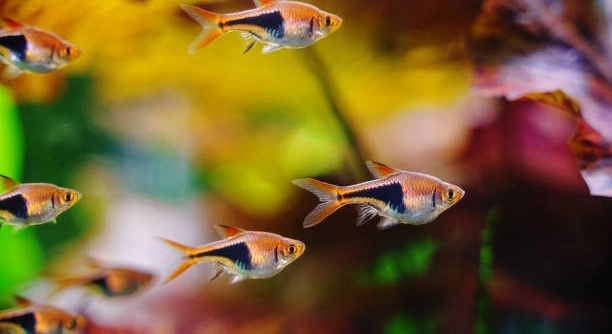
Setting up a tank for rasboras can be both exciting and challenging. Many aquarists overlook small details that can affect the health and happiness of these delicate fish. Proper tank layout is essential for their comfort and activity. Common mistakes in tank layout for rasboras include overcrowding, poor plant placement, insufficient hiding spaces, incorrect substrate … Read more
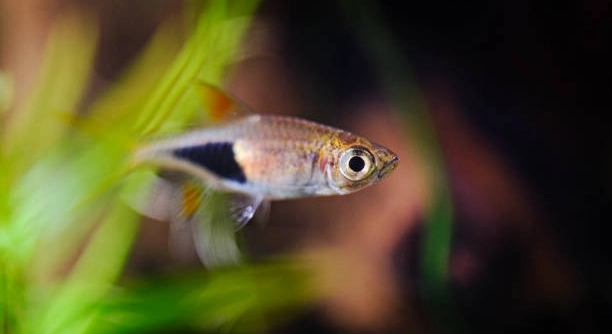
Why Is My Rasbora Flicking Its Fins?

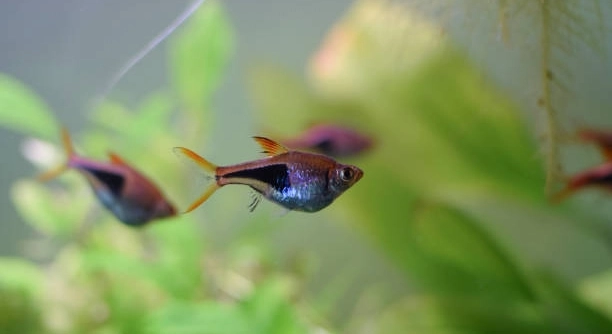
Rasboras are small, active fish that bring life to any freshwater aquarium. Watching them swim can be calming, yet certain behaviors like fin flicking may catch your attention and raise concern. Observing these patterns helps ensure their well-being. Fin flicking in rasboras is typically a response to irritation, stress, or environmental factors. It can result … Read more

7 Comfort Items to Add to Rasbora Habitats

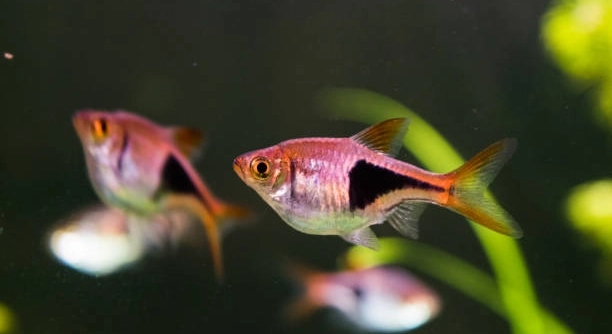
Keeping Rasboras happy in a tank goes beyond clean water and proper feeding. Their environment plays a big role in reducing stress and encouraging natural behavior. Small touches can make their habitat feel more like home. Adding comfort items to Rasbora habitats helps simulate natural environments, reduce stress, and promote healthy behavior. Items such as … Read more

What to Do If Rasboras Refuse to Swim

Rasboras are small, peaceful fish that usually swim in schools, adding movement and color to an aquarium. Sometimes, they may stop swimming or hide more than usual, which can worry their owners. Observing their behavior closely is important. When rasboras refuse to swim, the issue is often linked to water quality, temperature, or stress. Ensuring … Read more

7 Factors That Influence Rasbora Resting

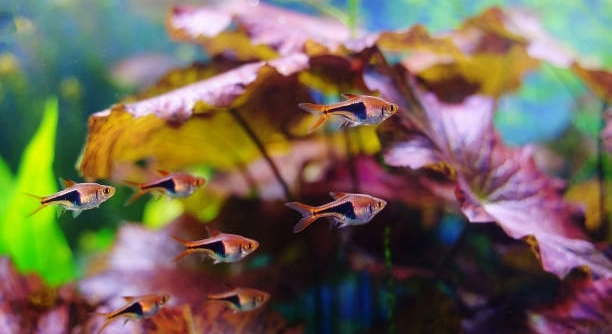
Rasboras are small, peaceful fish that enjoy calm environments and gentle care. Observing their resting habits can help aquarists maintain a healthy tank. Their behavior often reflects both their comfort and overall well-being in captivity. Several factors influence rasbora resting, including water temperature, lighting, tank size, plant cover, social grouping, diet, and stress levels. Each … Read more

7 Differences in Wild vs Captive Rasboras

Rasboras are small, colorful freshwater fish that bring life to both home aquariums and natural rivers. Observing them in the wild or in captivity reveals distinct behaviors, appearances, and environmental adaptations. Their differences are subtle yet important to note. Wild and captive rasboras differ in several key aspects, including size, coloration, behavior, diet, breeding patterns, … Read more

Why Is My Rasbora Hovering Under Plants?

Many aquarium owners enjoy watching their rasboras swim gracefully around the tank. Sometimes, these small fish spend more time hovering under plants than moving freely, which can catch an observer’s attention and raise concerns about their well-being. Rasboras often hover under plants due to stress, poor water quality, or the need for security. Dense plant … Read more

7 Tips to Transport Rasboras Safely

Transporting rasboras can be tricky, especially when you want them to arrive healthy and stress-free. These delicate fish require careful handling and the right conditions to ensure they survive the journey safely. Proper preparation is essential for success. The most effective way to transport rasboras safely involves controlling water quality, temperature, and oxygen levels. Using … Read more

Do Rasboras Stick to the Same Tank Zone?

Do your rasboras swim gracefully in their tank but sometimes seem to favor one corner over another? Observing their movements can be fascinating, especially when they stick close to certain areas, creating patterns in their environment. Rasboras often show preferences for specific zones in their tank due to factors like water flow, lighting, and hiding … Read more

Why Are My Rasboras Avoiding a Tank Area?

Are your rasboras spending more time in one corner of the tank while avoiding another area entirely? Observing their movement patterns can reveal important details about their comfort, environment, and overall well-being in the aquarium. Rasboras often avoid specific areas due to water quality issues, inappropriate lighting, strong currents, or lack of hiding spots. Environmental … Read more