
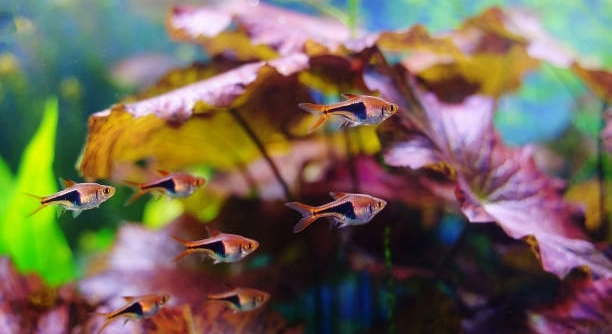
Do your rasboras swim gracefully in their tank but sometimes seem to favor one corner over another? Observing their movements can be fascinating, especially when they stick close to certain areas, creating patterns in their environment.
Rasboras often show preferences for specific zones in their tank due to factors like water flow, lighting, and hiding spots. These preferences help them feel secure, maintain social structure, and reduce stress within their aquatic environment.
Understanding these tendencies can improve tank setup and fish wellbeing, ensuring your rasboras are happy, healthy, and more active throughout their home.
Why Rasboras Stick to Certain Tank Zones
Rasboras often choose specific areas in the tank where they feel most comfortable. They prefer spots with gentle water flow, moderate lighting, and plenty of hiding places. Observing them, I noticed that some stayed near plants or decorations while others swam closer to the middle or surface. Their natural instincts make them seek areas that offer security, social interaction, and a clear view of potential threats. Temperature also plays a role; they tend to avoid zones that are too cold or too warm. In my tank, shaded corners with soft plants became their favorite resting spots. Over time, I realized that the way the tank is arranged directly influences where they spend most of their time. Creating varied zones gives them options and reduces stress. Recognizing these preferences helps maintain their health and encourages more natural, active behavior, making the aquarium more dynamic and interesting to observe.
Rasboras stick to zones that provide comfort, safety, and the right environmental conditions. Their choices reflect instinctual needs and stress reduction.
Knowing how these preferences form allows for better tank planning. Adjusting lighting, plant placement, and water flow can encourage them to explore more, improving both their wellbeing and tank activity levels.
Factors Influencing Zone Preference
Water temperature and flow significantly affect where rasboras swim.
Rasboras’ behavior is influenced by multiple factors including water quality, tank setup, and social dynamics. Clean, stable water keeps them active, while areas with stagnant flow may be avoided. Plants and decorations offer shelter and security, often determining preferred zones. Light intensity matters, as bright areas may be stressful and dim spots more calming. The size and number of fish also impact their movement; larger groups may encourage schooling behavior, which influences where they gather. Personal observation shows that they sometimes patrol edges and corners, yet return to favored zones when resting. Adjusting these factors thoughtfully can create a balanced environment where rasboras feel safe, active, and stress-free. Watching how they respond to changes offers insight into their preferences and helps maintain a healthy, engaging tank. Taking note of these patterns ensures a habitat that supports their natural instincts and overall wellbeing.
Common Tank Zones Rasboras Prefer
Rasboras often stay near plants or decorations. They enjoy areas with moderate lighting and gentle water flow. Open spaces are used mostly for swimming but not for resting.
In my experience, rasboras frequently hover around shaded corners where plants or rocks provide cover. These spots offer a sense of security and allow them to observe their surroundings without feeling exposed. They rarely linger near strong currents or bright areas, preferring zones that balance comfort and visibility. This behavior also supports their schooling instincts, as staying close together in a familiar zone reduces stress and encourages natural social interaction. Watching them settle into these areas highlights the importance of providing varied tank environments that meet their basic needs.
Sometimes they explore open water but quickly return to preferred zones. The balance of hiding places and swimming space is crucial. Providing both encourages natural behavior, keeps them active, and prevents stress. Observing which areas they favor can guide tank adjustments for optimal comfort.
Adjusting Tank Setup to Encourage Movement
Tank layout greatly impacts where rasboras spend their time. Plants, rocks, and lighting need careful placement.
Rearranging decorations or adding new plants can influence rasboras’ movement patterns. They respond to changes in water flow, temperature, and shade, so even small adjustments can encourage them to explore more of the tank. Providing vertical space with taller plants or floating elements allows them to swim at different levels. I noticed that when the tank included open areas with soft currents, rasboras ventured out more while still returning to their preferred resting zones. Balancing hiding spots and open swimming areas promotes natural behavior, reducing stress and supporting social interaction within the school. Monitoring their reactions over time ensures that the environment remains comfortable, stimulating, and safe.
Consistent water quality and lighting adjustments support healthy activity. Observing their reactions helps determine if further changes are needed. Small tweaks can make a big difference in encouraging exploration while maintaining comfort. Offering multiple zones allows rasboras to feel secure and active, improving their overall health and wellbeing in the tank.
Signs Your Rasboras Are Comfortable
Rasboras swim confidently around their chosen zones and interact with other fish. They show smooth, steady movements and rarely hide excessively.
They often rest in shaded corners or near plants without showing signs of stress. Comfortable fish will explore occasionally but return to familiar areas, indicating a secure environment.
Creating Balanced Zones
Providing a mix of open water and sheltered areas encourages natural behavior. Plants, rocks, and gentle currents create zones for resting, hiding, and swimming. Observing where rasboras spend most of their time helps in adjusting tank layout. I noticed that subtle changes, like moving a small plant or adding a floating leaf, prompted them to explore more freely. Multiple levels of lighting also influence movement, as they prefer dimmer spots for resting and brighter areas for swimming. Ensuring clean water and stable temperatures maintains their activity and health. Balancing these factors results in a harmonious environment where rasboras feel safe and stimulated.
Monitoring Changes
Pay attention to shifts in swimming patterns or preferred spots, as these indicate comfort or stress levels.
FAQ
Why do rasboras stick to one corner of the tank?
Rasboras tend to favor areas that feel safe and comfortable. Corners with plants, rocks, or decorations provide shelter and reduce stress. They also use these zones to rest while staying close to the school. Strong currents or bright lighting may drive them away from other parts of the tank. Observing their favorite spots can help you understand how they perceive their environment and make adjustments to improve comfort.
Do rasboras ever explore the whole tank?
Yes, they explore open spaces, especially when they feel secure. Rasboras are naturally curious and will swim through open areas to feed, interact with other fish, or investigate changes in their environment. Providing gentle currents, floating plants, and varying light levels encourages exploration. However, they often return to their preferred zones for resting and social interaction, balancing activity with safety.
Can tank setup influence their preferred zones?
Absolutely. Decorations, plant placement, water flow, and lighting all affect where rasboras feel comfortable. Adding new plants or rocks can create more hiding spots and encourage movement, while rearranging existing decorations can shift their favored zones. Proper water temperature and cleanliness also influence activity and comfort, so maintaining stable conditions is essential.
How does social behavior affect their swimming patterns?
Rasboras are schooling fish, so they often move as a group. Their preferred zones are influenced by the need to stay close to others for safety and social interaction. Larger schools may occupy more central areas, while smaller groups stick to edges or shaded corners. Watching how they interact can reveal comfort levels and highlight areas where adjustments might be needed.
Do lighting and water flow matter?
Yes, both are important. Bright light may make rasboras feel exposed, while dimmer or filtered light provides comfort. Gentle water flow is preferred, as strong currents can tire them or make certain areas less attractive. Observing how they respond to different lighting and flow conditions helps determine the ideal setup for their preferred zones.
Can changes in the tank make them move to new areas?
Minor changes, like adding plants or decorations, can encourage exploration. Moving existing items or introducing floating plants creates new zones for swimming or resting. Rasboras will often investigate but still maintain familiarity with their safe areas. Gradual adjustments are better than sudden changes to avoid stress.
How can I encourage them to use more of the tank?
Providing multiple zones with varying lighting, gentle currents, and hiding spots encourages exploration. Feeding in different areas also motivates movement. Observing their reactions helps identify preferred zones and guides where changes are most effective. Over time, they can become more active across the tank without compromising comfort.
Is it normal for some rasboras to prefer different zones than others?
Yes, individual preferences exist even within the same school. Some fish may favor shaded corners, others open water. Differences can depend on size, temperament, and comfort with other tankmates. Respecting these variations ensures all fish have access to safe, comfortable areas.
Do stress or illness affect their zone preference?
Definitely. Rasboras under stress or dealing with illness often hide more, stick to corners, or avoid open areas. Changes in behavior can signal health issues, water quality problems, or social stress. Monitoring their movement patterns regularly helps detect problems early and maintain a healthy tank environment.
How often should I observe their preferred zones?
Daily observation is helpful. Noticing where rasboras spend time, how they interact, and how they respond to environmental changes allows you to adjust the tank layout and care routines. Consistent monitoring ensures that their habitat meets their needs, promoting comfort, activity, and wellbeing throughout the tank.
Can temperature fluctuations change their favorite areas?
Yes, temperature impacts comfort and activity. Rasboras will avoid zones that are too warm or cold, often moving to areas with stable, preferred temperatures. Maintaining consistent heating and monitoring variations helps ensure they remain active and comfortable in their favorite zones.
Will they change zones as they grow?
Growth can influence space needs and social dynamics. As rasboras get larger or the school size changes, they may shift to new areas that offer better comfort, safety, or interaction opportunities. Adjusting decorations and creating more open swimming space can accommodate these changes, keeping the tank suitable throughout their development.
Final Thoughts
Rasboras are small, active fish that thrive in environments designed to meet their natural instincts and comfort needs. Observing their behavior in a tank often reveals patterns in how they use space, interact with other fish, and respond to different zones. Many rasboras develop preferences for specific areas, often choosing corners, shaded spots, or regions near plants and decorations. These preferences are influenced by several factors, including water flow, lighting, hiding places, and temperature. Providing a variety of zones in the tank allows them to balance exploration with safety, ensuring that they feel secure while remaining active. Over time, noticing where rasboras tend to spend the most time can help refine tank setup to better match their needs. Adjustments like moving plants, adding rocks, or creating gentle currents can encourage them to explore more areas without causing stress. Understanding these tendencies is key to creating a comfortable, stimulating environment for your fish.
Comfort and security are central to why rasboras stick to particular zones. Shaded corners or areas with plants offer them a safe place to rest while staying connected with the school. Open areas are typically used for swimming, feeding, or brief exploration, but they rarely replace the familiar zones where the fish feel most at ease. Lighting levels and water flow also play a significant role. Bright light or strong currents can make some areas less inviting, while dimmer spots and gentle currents are more attractive. Observing how the fish respond to these conditions provides insights into their preferences and allows for targeted improvements in tank setup. Providing multiple layers of security, from hiding spots to calm swimming areas, reduces stress and promotes healthier, more active behavior. Small adjustments can have a noticeable effect, encouraging the fish to explore while still respecting their comfort zones. These subtle changes can improve overall tank dynamics and help maintain a peaceful, balanced environment.
Regular observation and thoughtful adjustments are essential for maintaining a healthy tank where rasboras feel safe and stimulated. Their movement patterns and zone preferences offer valuable information about their wellbeing. Changes in behavior, such as spending more time hidden or avoiding open areas, can indicate stress, illness, or environmental issues that need attention. By paying attention to these cues, you can make informed decisions about water quality, tank layout, and group dynamics. A tank that supports both exploration and security allows rasboras to express natural behavior while maintaining comfort. Encouraging them to use different areas of the tank without disrupting their sense of safety promotes a balanced and active school. Overall, understanding the zones rasboras prefer and why they choose them helps create a thriving aquatic environment. Thoughtful placement of plants, decorations, and controlled lighting, combined with regular monitoring, ensures that the fish remain healthy, active, and comfortable in their home.

Hello,
If you enjoy the content that we create, please consider saying a "Thank You!" by leaving a tip.
Every little bit helps us continue crafting quality advice that supports the health, happiness, and well-being of pets around the world, for pets of all shapes, sizes, and species.
We really appreciate the kindness and support that you show us!