
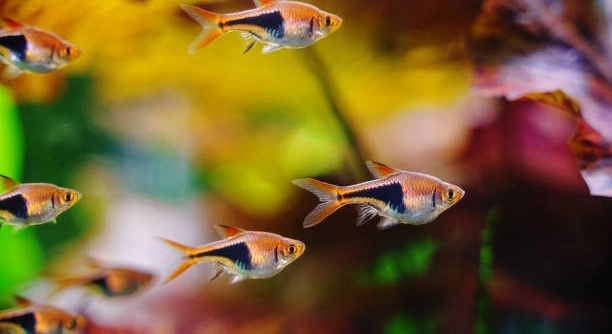
Rasboras are small, colorful freshwater fish that bring life to both home aquariums and natural rivers. Observing them in the wild or in captivity reveals distinct behaviors, appearances, and environmental adaptations. Their differences are subtle yet important to note.
Wild and captive rasboras differ in several key aspects, including size, coloration, behavior, diet, breeding patterns, stress response, and overall health. These differences arise from environmental conditions, human care practices, and natural ecological pressures that shape their development.
Understanding these distinctions can improve aquarium care and appreciation of wild populations. Proper knowledge ensures healthier fish and more vibrant aquatic communities.
Physical Appearance Differences
Wild rasboras often display more vivid colors and defined patterns compared to captive ones. Natural sunlight, diet, and water conditions enhance their coloration. Captive rasboras may appear paler due to artificial lighting, limited space, and standard aquarium food. Size also varies, as wild fish generally grow slightly larger. Their fins may be longer and more elegant in the wild, reflecting less frequent injury and more natural swimming conditions. Scale condition is another difference, with wild rasboras typically having smoother, shinier scales, while captive fish may show minor abrasions or irregularities from tank surfaces.
Color vibrancy and body condition are the most noticeable physical differences between wild and captive rasboras.
These distinctions are important for aquarium care and breeding practices. Captive fish may benefit from diet adjustments to boost color. Providing adequate swimming space and plants can help mimic natural conditions, improving fin development. Observing these physical traits allows aquarists to better understand the health and well-being of their fish, ensuring a thriving aquarium environment that supports natural behaviors and appearance. Proper care bridges the gap between wild vitality and captive maintenance.
Behavioral Differences
Wild rasboras are generally more active and cautious, constantly responding to environmental stimuli and predators. Captive rasboras show more predictable, less reactive behavior due to limited threats and consistent feeding schedules.
Behavioral traits are strongly shaped by environmental conditions and safety.
In natural habitats, rasboras form larger schools, responding to movement and water currents with synchronized swimming. They explore widely and exhibit alertness toward changes, which keeps them agile. Captive rasboras, while still social, often display repetitive swimming patterns and reduced exploration. Feeding behavior differs as well: wild rasboras search for live food, showing hunting instincts, while captive fish adjust to flakes, pellets, or frozen foods. Stress responses are also distinct; wild fish react quickly to potential threats, whereas captive fish may tolerate sudden disturbances but can develop stress from overcrowding or poor water conditions. Recognizing these behavioral differences is essential for maintaining mental and physical health in aquariums. Adjusting tank conditions and enrichment can help captive rasboras retain more natural behaviors.
Diet and Feeding Differences
Wild rasboras feed on a variety of live insects, larvae, and small crustaceans, giving them a high-protein, natural diet that supports vibrant colors and active behavior. Captive rasboras often rely on flakes, pellets, or frozen foods, which can be less varied and affect their natural feeding instincts.
Providing a balanced diet is crucial for captive rasboras. While flakes and pellets meet basic nutritional needs, supplementing with live or frozen foods like daphnia, brine shrimp, or mosquito larvae encourages natural hunting behaviors and enhances coloration. Wild rasboras consume small, moving prey, which promotes agility and keeps their digestive system active. In captivity, observing feeding habits can indicate health; sluggish eating may signal stress, illness, or dietary deficiencies. Proper feeding practices bridge the gap between natural and captive nutrition, ensuring overall health and vitality.
Overfeeding or underfeeding captive rasboras can lead to obesity or malnutrition, affecting lifespan and reproduction. Adjusting portion sizes and providing variety replicates natural conditions. Rotating protein sources maintains interest in food and prevents nutritional imbalance. Tank enrichment, such as hiding live food in plants, stimulates natural foraging, reducing boredom and promoting fitness. Monitoring fish during feeding helps ensure all individuals get adequate nutrition and supports healthier growth, stronger immunity, and more vibrant coloration.
Breeding and Reproduction
Wild rasboras breed in dense aquatic vegetation with stable water flow and seasonal triggers, producing eggs that develop naturally without human intervention. Captive breeding relies on controlled environments, specific water conditions, and timed feeding schedules to encourage spawning.
Captive breeding requires attention to water parameters and tank setup.
In captivity, temperature, pH, and water hardness must mimic natural conditions for successful spawning. Pairing compatible fish and providing fine-leaved plants or spawning mops encourages egg-laying and protects fry. Wild rasboras often lay fewer, more dispersed eggs, while captive conditions may concentrate egg-laying in smaller areas. Monitoring eggs for fungus and removing uneaten eggs helps increase survival rates. Breeding strategies also affect offspring size, color, and health. Understanding these differences allows aquarists to replicate natural behaviors and improve success in raising young fish. Proper management of breeding pairs ensures a sustainable and healthy captive population while preserving traits observed in wild populations.
Stress and Environmental Response
Wild rasboras are highly alert and quickly respond to changes in their surroundings, including predators and water conditions. Their natural habitat encourages constant awareness, which helps them survive and maintain physical fitness.
Captive rasboras experience less environmental stress but may show signs of anxiety from overcrowding, poor water quality, or sudden changes in lighting and temperature.
Lifespan Differences
Wild rasboras often live slightly shorter lives due to predation, seasonal changes, and natural challenges, whereas captive rasboras benefit from stable conditions, consistent food, and protection from predators, which can extend their lifespan significantly compared to their wild counterparts.
Health and Disease
Captive rasboras are more prone to common aquarium diseases such as ich, fin rot, and fungal infections due to confined spaces and water fluctuations. Proper water maintenance and observation are essential to prevent illness and support long-term health.
Overall Care Requirements
Wild rasboras thrive on natural ecosystems with flowing water, varied food, and plenty of cover. Captive care must mimic these conditions to maintain their physical and behavioral health, requiring attention to diet, tank environment, and social grouping.
FAQ
What is the main difference between wild and captive rasboras?
The main difference lies in their environment and lifestyle. Wild rasboras live in natural streams, rivers, or flooded forests with varied food, fluctuating water conditions, and natural predators. Captive rasboras exist in controlled aquariums with stable water, consistent feeding, and no threats, which affects their behavior, coloration, and growth.
Do wild rasboras have brighter colors than captive ones?
Yes, wild rasboras typically display more vivid coloration. Sunlight, diverse diets, and natural water conditions enhance their appearance. Captive fish may appear paler due to artificial lighting and limited dietary variety, though proper nutrition and tank care can improve color over time.
Are there differences in size between wild and captive rasboras?
Wild rasboras often grow slightly larger due to natural conditions, including more swimming space and varied food. Captive rasboras may remain smaller because of tank size, restricted movement, and standard feeding, though optimal care can help them reach near-natural sizes.
Do wild and captive rasboras behave differently?
Yes, wild rasboras are more active, alert, and cautious, responding constantly to predators and environmental changes. Captive rasboras tend to be calmer, follow routine swimming patterns, and are less reactive due to the absence of natural threats, though providing enrichment can stimulate more natural behaviors.
How do their diets differ?
Wild rasboras eat live insects, larvae, and small crustaceans, supporting natural hunting behavior and high-protein intake. Captive rasboras rely on flakes, pellets, and frozen foods. Supplementing with live or frozen foods in captivity can replicate wild feeding patterns and improve health and coloration.
Can captive rasboras breed easily?
Captive breeding requires careful attention to water conditions, temperature, pH, and tank setup. Wild rasboras breed naturally in dense vegetation with flowing water. In captivity, providing fine-leaved plants or spawning mops, paired with appropriate conditions, encourages successful egg-laying and fry survival.
Do wild and captive rasboras live the same amount of time?
Wild rasboras often have shorter lifespans due to predation, environmental changes, and natural stress. Captive rasboras benefit from protection, consistent food, and stable water, which generally extends their lifespan, though disease or poor care can reduce longevity.
Are captive rasboras more prone to disease?
Yes, confined conditions in aquariums increase the risk of diseases such as ich, fin rot, and fungal infections. Proper tank maintenance, regular water changes, and careful observation of behavior and physical signs help prevent illness and maintain health.
How important is water quality for captive rasboras?
Water quality is crucial. Wild rasboras are adapted to changing natural water conditions, but in captivity, poor water can cause stress, illness, and even death. Maintaining appropriate temperature, pH, hardness, and cleanliness ensures fish remain healthy and active.
Should captive tanks try to replicate wild conditions?
Yes, mimicking natural habitats improves fish health and behavior. Providing plants, hiding spots, water flow, and varied diets encourages natural swimming patterns, reduces stress, and supports coloration. Captive care that closely resembles wild conditions promotes longer, healthier lives for rasboras.
Do wild rasboras need more space than captive ones?
Wild rasboras swim across wide areas in rivers and streams. Captive tanks restrict movement, so providing enough space, open swimming areas, and plants helps maintain physical fitness and reduces stress caused by confinement.
Can captive rasboras adapt to artificial food?
Yes, they can adapt to flakes, pellets, and frozen foods, but supplementation with live or varied food improves nutrition, encourages natural hunting instincts, and enhances coloration and vitality. Gradual adaptation prevents stress and maintains proper growth.
Are there differences in stress response between wild and captive rasboras?
Wild rasboras react quickly to predators and environmental changes, remaining highly alert. Captive fish are less reactive to sudden disturbances but can experience stress from poor water quality, overcrowding, or abrupt environmental changes. Observing behavior helps manage and reduce stress.
How can I ensure my captive rasboras stay healthy?
Maintain clean water, stable temperature, proper pH, and appropriate diet. Provide plants, hiding spots, and enough swimming space. Monitor for disease and stress signs regularly. Supplementing with live or frozen foods encourages natural behavior, while careful tank management supports long-term health and vibrant appearance.
Is it possible for captive rasboras to look like wild ones?
With proper care, diet, and tank setup, captive rasboras can approach the vibrancy and health of wild fish. Full replication is difficult, but simulating natural conditions improves coloration, behavior, and overall well-being, making them more similar to their wild counterparts.
Can wild rasboras survive in captivity?
Wild rasboras can adapt to captivity if acclimated carefully, with appropriate water conditions, diet, and space. Stress from sudden environmental changes can affect survival, so gradual adaptation and proper tank management are essential for successful care.
Are there ethical concerns in keeping wild rasboras?
Yes, removing wild fish can impact natural populations and ecosystems. Captive-bred fish are generally recommended, as they reduce pressure on wild stocks while still providing the visual and behavioral qualities desired in aquariums.
Do captive rasboras need companions?
Yes, rasboras are schooling fish. Keeping them in groups promotes natural social behavior, reduces stress, and improves activity levels. Small groups can lead to aggression or loneliness, so maintaining proper school sizes is important for their well-being.
How can I tell if my rasboras are stressed?
Signs include clamped fins, faded colors, erratic swimming, hiding excessively, or refusing food. Monitoring these behaviors allows for timely adjustments in water quality, tank environment, or diet to reduce stress and prevent illness.
Can diet alone improve the health of captive rasboras?
Diet plays a major role, but it must be combined with clean water, proper tank conditions, and social interaction. A varied diet including live or frozen foods promotes natural behavior, coloration, and immunity, supporting overall health alongside environmental care.
What is the easiest way to reduce disease in captive tanks?
Regular water changes, proper filtration, avoiding overcrowding, and quarantine for new fish are key. Observing fish daily for early signs of illness and maintaining stable water parameters prevents stress and reduces susceptibility to common aquarium diseases.
Do wild rasboras need breeding triggers like captive ones?
No, wild rasboras respond naturally to seasonal changes, water flow, and vegetation availability. Captive breeding requires artificial triggers like water temperature adjustments, lighting changes, and controlled diet to mimic these conditions and encourage spawning.
Are all rasboras suitable for captivity?
Not all species adapt equally. Some require very specific water conditions or large spaces. Researching species requirements and selecting those known to thrive in aquariums ensures better survival, health, and overall enjoyment.
Can stress affect reproduction in captive rasboras?
Yes, stress from poor water quality, overcrowding, or inadequate diet can suppress spawning behavior and reduce egg viability. Maintaining optimal conditions and minimizing disturbances supports successful breeding and healthy offspring.
Is tank decoration important for captive rasboras?
Yes, plants, hiding spots, and open swimming areas replicate natural habitats. Proper decoration reduces stress, encourages natural behavior, and improves physical and mental well-being, contributing to healthier, more active, and vibrant fish.
Do wild rasboras interact differently than captive ones?
Wild rasboras exhibit more synchronized schooling, predator avoidance, and exploratory behavior. Captive fish are calmer and less reactive but still show social interactions, especially when kept in proper group sizes. Tank enrichment helps preserve natural social patterns.
Can captive care improve longevity?
Yes, stable water, consistent food, protection from predators, and disease management can extend lifespan beyond what wild conditions allow, making attentive aquarium care essential for long-term health.
How do I balance natural behavior with captivity?
Providing varied diet, adequate space, hiding spots, and live or frozen foods allows captive rasboras to maintain hunting instincts, active swimming, and social interactions, bridging the gap between natural behavior and tank life.
Are wild-caught rasboras harder to maintain?
Yes, they are often more sensitive to water changes, diet shifts, and tank stress. Captive-bred fish are generally more resilient and adapt better to aquarium conditions, reducing care challenges.
What is the best water temperature for captive rasboras?
Temperatures between 22–28°C (72–82°F) suit most species. Stability is more important than exact numbers. Sudden shifts can stress fish, affect appetite, and increase susceptibility to disease.
How important is tank size for schooling behavior?
Adequate tank size is crucial. Smaller tanks restrict movement and social interaction, increasing stress. Providing space for schooling helps maintain natural behavior, fitness, and mental well-being, especially in active rasbora species.
Can captive conditions impact coloration?
Yes, light, diet, and water quality directly affect color intensity. Mimicking natural conditions with proper lighting, varied nutrition, and healthy water parameters enhances vibrancy and overall appearance.
Do rasboras need specific pH levels?
Most rasboras prefer slightly acidic to neutral pH (6.0–7.5), reflecting natural waters. Maintaining stable pH reduces stress, supports digestion, and encourages healthy coloration and behavior.
Are there behavioral signs of illness?
Yes, lethargy, unusual swimming, loss of appetite, clamped fins, or discoloration indicate potential health issues. Early detection allows for timely intervention, preventing disease spread and promoting recovery.
Can enrichment improve captive rasbora health?
Yes, adding plants, hiding spots, live food, and varied swimming areas stimulates natural behavior, reduces stress, and promotes mental and physical health, making fish more active and resilient.
Is quarantine necessary for new rasboras?
Yes, isolating new arrivals for 2–3 weeks prevents disease introduction, allows monitoring for stress or illness, and ensures healthier integration into the main tank.
Do wild and captive rasboras differ in fin condition?
Wild rasboras generally have longer, undamaged fins due to fewer injuries. Captive fish may have minor fin wear from tank surfaces or interactions, which can improve with proper space, reduced stress, and careful tank management.
Can captive rasboras learn to forage naturally?
Yes, offering live or hidden foods encourages hunting behavior and physical activity. Simulating natural feeding improves agility, reduces boredom, and supports healthier digestion and behavior.
Are breeding pairs easier to manage in captivity?
Yes, controlled conditions allow pairing compatible fish, monitoring spawning, and protecting eggs and fry. Observing interactions ensures better survival rates and healthier offspring compared to uncontrolled wild breeding.
How often should water changes occur?
Regular water changes, typically 20–30% weekly, maintain cleanliness, stable parameters, and reduce stress. Proper filtration and monitoring complement water changes for optimal health.
Do wild rasboras require seasonal triggers for spawning?
Yes, natural triggers like rainfall, temperature shifts, and vegetation growth stimulate reproduction. Captive aquarists replicate these with water changes, temperature adjustments, and increased feeding to encourage spawning.
Can stress from transport affect rasboras?
Yes, transport causes temporary stress, impacting appetite, color, and immune function. Proper acclimation and minimizing handling help reduce long-term effects and ensure smooth adjustment to captivity.
Are captive conditions suitable for all rasbora species?
No, some species need very specific water, diet, or space. Researching species requirements and providing suitable tank conditions ensures survival, health, and natural behavior expression.
Does water hardness impact health?
Yes, many rasboras prefer soft to moderately hard water. Deviations can affect metabolism, stress levels, breeding success, and overall health. Maintaining appropriate hardness is essential for captive care.
Can captive care prevent common diseases?
Yes, proper water quality, diet, space, and quarantine practices significantly reduce the risk of disease, supporting longevity and well-being. Vigilance in observing behavior and maintaining tank conditions is key.
Do rasboras need supplemental lighting?
Yes, moderate lighting simulates natural conditions, enhances coloration, and supports plant growth. Avoid intense or constant light, which can stress fish and disrupt natural rhythms.
Are social hierarchies present in captivity?
Yes, schooling behavior and minor dominance displays occur. Providing adequate space and group sizes reduces aggression and stress, promoting healthier social interactions and natural behavior patterns.
How can I encourage natural swimming patterns?
Open swimming areas, plants, and tank flow encourage natural movement. Avoid overcrowding and provide vertical and horizontal space to replicate river-like conditions for active, healthy fish.
Can diet alone influence spawning success?
Diet is important, but water quality, tank setup, and stress levels also affect breeding. High-protein foods, live prey, and varied nutrition support fertility and egg health, complementing environmental conditions.
Is tank decoration necessary for health?
Yes, plants and hiding spots reduce stress, stimulate exploration, and provide protection for fry. Decoration mimics natural habitat, promoting physical and mental well-being.
How do I handle aggressive tankmates?
Choose peaceful species compatible with rasboras. Avoid overcrowding, provide hiding spots, and monitor behavior. Separation may be necessary to prevent injury and stress.
Do wild rasboras require specific diets for survival?
Yes, live insects and small prey provide essential nutrients, maintain hunting behavior, and support coloration and health. Captive diets should aim to replicate this variety.
Are captive rasboras affected by seasonal changes?
They are less influenced by seasons, but mimicking natural cues like water temperature and lighting can stimulate breeding and maintain activity levels.
Can I mix wild and captive rasboras?
Mixing is possible but requires careful quarantine and acclimation. Wild fish may be more sensitive, and disease risk is higher, so precautions are essential.
Does tank size affect coloration and health?
Yes, larger tanks reduce stress, allow natural swimming, and improve muscle tone. Adequate space supports overall health, behavior, and vibrant coloration.
Are captive-raised rasboras more adaptable?
Yes, they tolerate changes in diet, water, and environment better than wild-caught fish, making them easier to maintain and more resilient to stressors.
Can proper care make captive rasboras behave like wild ones?
Partially, through varied diet, adequate space, enrichment, and social grouping, captive fish can display more natural swimming patterns, hunting behavior, and social interactions. Full replication is limited but health and vitality improve significantly.
Do rasboras recognize each other in captivity?
Yes, schooling behavior and group cohesion indicate recognition. Maintaining stable groups supports social behavior, reduces stress, and encourages natural interaction patterns.
How do I know if my tank is too small?
Signs include limited movement, fin damage, aggression, or stress behaviors. Providing enough space for swimming and schooling prevents these issues and supports health and natural behavior.
Can captive care affect reproductive success?
Yes, stable water, proper diet, adequate space, and reduced stress improve egg viability, fry survival, and overall breeding success, reflecting conditions closer to their natural habitat.
Are wild rasboras easier to spot in the tank?
Yes, their brighter colors, alertness, and active schooling make them more noticeable than captive fish, though captive care can enhance appearance and visibility over time.
Does water flow matter in captivity?
Yes, mimicking natural currents promotes activity, strengthens muscles, and supports natural behaviors. Gentle flow is sufficient for most species and reduces stress.
Can captive rasboras recover from illness easily?
Recovery depends on early detection, water quality, diet, and stress management. Prompt treatment and supportive care improve outcomes and reduce long-term effects on health.
Do wild rasboras need social groups to survive?
Yes, schooling provides safety, hunting efficiency, and reduced stress. Group dynamics are essential for natural behavior and survival in the wild.
Can tank decorations impact breeding success?
Yes, plants and hiding areas offer safe spawning sites, increase egg survival, and reduce stress, supporting successful reproduction in captivity.
How often should I monitor water parameters?
Weekly monitoring of temperature, pH, hardness, ammonia, nitrite, and nitrate ensures stability, reduces stress, and prevents disease, maintaining optimal health for rasboras.
Do captive conditions affect fin growth?
Yes, restricted space or poor water quality can stunt fin development. Providing room to swim, plants, and low-stress conditions supports healthy fin growth.
Are wild rasboras more alert than captive ones?
Yes, constant exposure to predators and environmental changes keeps wild fish highly alert, while captive fish are calmer but still responsive to disturbances.
Can I simulate seasonal changes in captivity?
Yes, adjusting water temperature, lighting, and feeding frequency can mimic natural seasonal cues, encouraging spawning and maintaining activity levels similar to wild conditions.
Do wild rasboras require specific water hardness?
They adapt to natural ranges, often soft to moderately hard water. Captive conditions should replicate these levels to support health, behavior, and reproduction.
Are there differences in schooling behavior?
Yes, wild rasboras often form larger, tighter schools, reacting to threats and currents. Captive fish may school less densely but still benefit from group companionship.
Can diet improve fin coloration?
Yes, carotenoid-rich foods enhance red, orange, or yellow hues in fins. Supplementing flakes with live or frozen foods supports natural coloration.
Do captive rasboras need aeration?
Yes, gentle aeration ensures oxygenation, supports healthy metabolism, and mimics natural water movement, promoting active swimming and stress reduction.
Can stress reduce lifespan?
Yes, chronic stress from poor water, overcrowding, or sudden changes weakens immunity, reduces growth, and shortens lifespan. Proper care mitigates these risks.
Are wild-caught rasboras more sensitive to water changes?
Yes, they are less tolerant of sudden changes in pH, temperature, or hardness. Gradual acclimation and careful monitoring are essential for survival.
Do captive conditions affect activity levels?
Yes, limited space and uniform conditions can reduce activity. Adding plants, open areas, and enrichment encourages natural swimming and exploration.
Can captive rasboras maintain natural coloration long-term?
Yes, with proper diet, lighting, and water quality. While slightly less vivid than wild counterparts, careful management can sustain vibrant colors throughout life.
Is breeding easier with captive-raised rasboras?
Yes, they are more adaptable, resilient, and accustomed to tank conditions, increasing the likelihood of successful spawning compared to wild-caught fish.
Do wild rasboras need hiding spots?
Yes, vegetation and debris provide safety from predators and resting areas. In captivity, replicating this reduces stress and supports natural behavior.
**
Final Thoughts
Understanding the differences between wild and captive rasboras is essential for providing proper care and maintaining their health. Wild rasboras are shaped by natural conditions, including varied diets, flowing water, and the presence of predators, which influence their coloration, behavior, and overall fitness. Captive rasboras experience stable environments with consistent food, controlled water parameters, and protection from threats, which can lead to calmer behavior, slightly smaller size, and paler colors. Recognizing these differences allows aquarists to better replicate natural conditions in captivity, supporting fish health, promoting natural behaviors, and enhancing their appearance. Small adjustments, such as providing live or frozen foods, planting dense vegetation, and offering sufficient swimming space, help bridge the gap between wild and captive environments, making captive rasboras more active, vibrant, and resilient.
Behavior and social interaction also differ significantly between wild and captive rasboras. In the wild, they remain highly alert, swim in large schools, and respond quickly to environmental changes or predators. Captive rasboras, while still social, often display predictable swimming patterns and reduced responsiveness. Providing environmental enrichment, including hiding spots, varied water flow, and opportunities to forage, can encourage natural behaviors and reduce stress. Proper schooling is also essential, as rasboras are social fish that thrive in groups. Maintaining appropriate tank size, water conditions, and companions helps mimic natural social structures, improving mental and physical well-being. Observing these behaviors closely can reveal health issues, stress, or dietary deficiencies, allowing for timely intervention and care adjustments.
Finally, breeding, health, and longevity are closely tied to understanding and replicating natural conditions. Wild rasboras breed in specific habitats with seasonal triggers, while captive breeding requires controlled environments, proper diet, and suitable tank setup. Disease prevention is critical in captivity, where fish are more exposed to pathogens due to confined spaces. Regular water monitoring, clean tanks, and careful management of feeding and environmental conditions reduce stress and prevent illness. Captive care that balances natural behaviors, diet, and environmental enrichment ensures long-term health, active swimming, and vibrant coloration. By respecting these differences and meeting their specific needs, captive rasboras can thrive while reflecting many qualities seen in wild populations, creating a healthier and more engaging aquarium environment.

Hello,
If you enjoy the content that we create, please consider saying a "Thank You!" by leaving a tip.
Every little bit helps us continue crafting quality advice that supports the health, happiness, and well-being of pets around the world, for pets of all shapes, sizes, and species.
We really appreciate the kindness and support that you show us!