7 Lighting Mistakes to Avoid with Rasboras

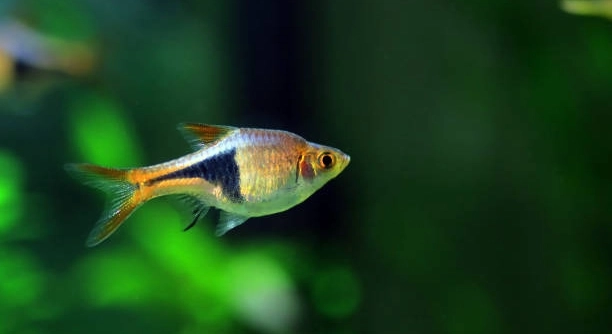
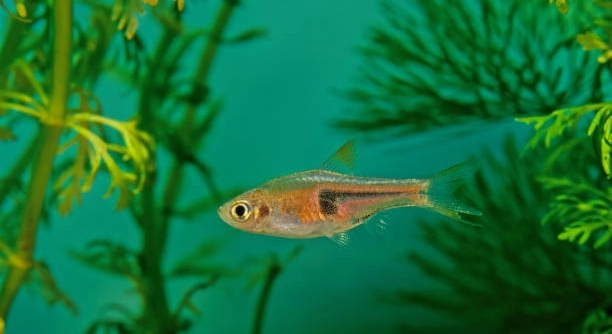
Are your rasboras’ colors fading, or do they seem less active than usual in the tank? Lighting plays a bigger role than many realize, influencing behavior, health, and the overall appearance of your aquarium environment. Incorrect lighting can stress rasboras, hinder their natural behavior, and impact plant growth within the tank. Ensuring proper intensity, duration, … Read more

Why Are Rasboras Suddenly Less Social?

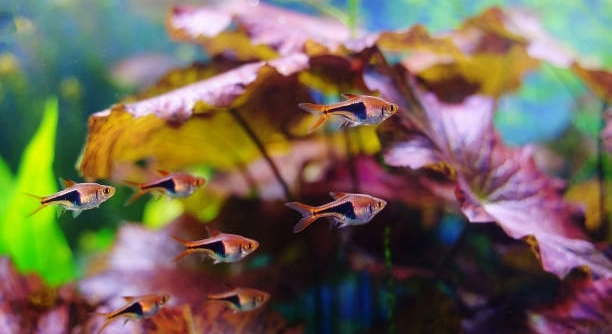
Rasboras are usually lively fish, swimming in groups and interacting with each other. Lately, some owners notice their fish moving less and keeping to themselves. Changes in behavior can be subtle but noticeable in the aquarium. The decline in social behavior among rasboras is often linked to water quality, changes in tank environment, and stress … Read more

Do Rasboras Have Favorite Tank Areas?

Have you ever noticed your rasboras spending time in certain spots, creating gentle patterns across the tank while others remain quiet, making aquariums feel alive and thoughtful during calm daily moments at home together softly. Rasboras exhibit consistent spatial preferences influenced by safety, lighting, water flow, and social structure. These fish commonly occupy midwater zones … Read more

How Often Should You Change Rasbora Water?

Keeping a Rasbora tank clean is essential for the health of these small, colorful fish. Regular maintenance ensures their environment stays safe, clear, and comfortable, helping them thrive and display their natural beauty in the aquarium. Rasbora water should typically be changed once every one to two weeks, depending on tank size, fish population, and … Read more

Can Rasboras Adjust to Constant Filter Flow?

Rasboras are small, peaceful fish that thrive in well-maintained aquariums. Their gentle nature and active swimming make them popular among hobbyists, but adapting to certain tank conditions, like constant filter flow, can affect their behavior and comfort. Rasboras can adjust to constant filter flow if it is moderate and consistent. They are adaptable species, but … Read more

How Do Rasboras Choose Their Swimming Spot?

Have you ever noticed your rasboras gliding gracefully through the tank, seemingly choosing their favorite spots? Their movement appears gentle, yet there is a method behind where they gather and swim within their environment. Rasboras select swimming locations based on water temperature, light levels, vegetation, and social dynamics. They prefer areas that balance safety, oxygen … Read more

7 Water Changes That Affect Rasbora Moods

Do you ever notice your rasboras acting calm one day and restless the next after maintenance routines, small water adjustments can quietly shape their comfort, behavior, and overall mood inside the aquarium over time daily. Rasbora mood changes are primarily influenced by alterations in water parameters such as temperature, pH, hardness, cleanliness, flow, oxygen levels, … Read more

7 Tank Toys That Stimulate Rasbora Behavior

Do your rasboras seem restless in their tank, swimming endlessly without much variation? Adding simple enrichment can make their environment more engaging and support natural behaviors, improving both their well-being and your enjoyment as an observer. Incorporating tank toys designed to stimulate rasbora behavior encourages natural schooling, foraging, and exploratory actions. Items such as floating … Read more

Are Rasboras Better in Small or Large Groups?

Are your rasboras swimming restlessly in the tank, leaving you unsure about how many companions they need? These small, colorful fish are popular for aquariums, but their social habits often confuse even experienced hobbyists. Rasboras thrive best in larger groups of six or more, as their schooling behavior provides security, reduces stress, and promotes natural … Read more

7 Clues Your Rasboras Are Bored

Rasboras are small, lively fish that brighten any aquarium. Watching them swim can be relaxing, but sometimes their energy changes. Subtle shifts in behavior may hint that they need more stimulation and interaction to stay happy. Rasboras often display boredom through reduced activity, repetitive swimming patterns, and decreased interest in their environment. Environmental enrichment, varied … Read more