
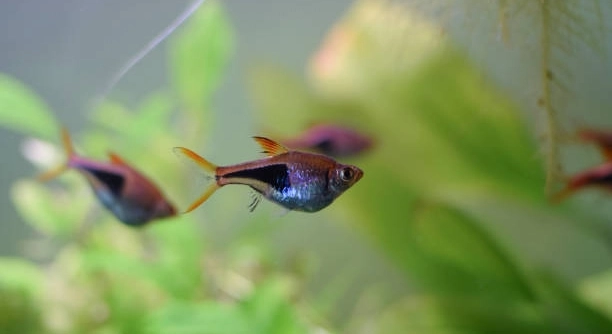
Rasboras are small, active fish that bring life to any freshwater aquarium. Watching them swim can be calming, yet certain behaviors like fin flicking may catch your attention and raise concern. Observing these patterns helps ensure their well-being.
Fin flicking in rasboras is typically a response to irritation, stress, or environmental factors. It can result from poor water quality, parasites, aggressive tank mates, or sudden changes in the aquarium. Addressing these causes can reduce or eliminate the behavior.
Understanding the reasons behind fin flicking allows you to create a healthier and more comfortable environment for your rasboras to thrive.
Common Causes of Fin Flicking
Rasboras flick their fins for several reasons, mostly linked to their environment or health. Poor water quality is one of the leading factors. High ammonia, nitrite, or nitrate levels can irritate their fins and skin, causing frequent flicking. Temperature fluctuations also affect their behavior. If the water is too warm or cold, rasboras may flick their fins in response to discomfort. Stress from overcrowding or aggressive tank mates is another significant factor. Even subtle signs of illness like parasites or fungal infections can trigger fin flicking. Observing your fish closely can help you identify patterns and potential triggers. Maintaining stable conditions and a clean tank usually reduces fin flicking significantly. Regular water testing, gentle handling, and ensuring enough hiding spaces provide your rasboras a sense of security, promoting calmer behavior. Paying attention to these details can make a noticeable difference in their daily activity.
Fin flicking can also signal that your rasbora needs more space or less competition.
Monitoring the tank carefully for signs of aggression or imbalance in numbers helps prevent stress-related fin flicking. Ensuring that all rasboras have room to swim freely and that the tank is not overcrowded minimizes conflicts. Adjusting feeding routines so no fish dominates the food supply can also help. Healthy plants and decorations provide safe areas for resting, reducing anxiety. If illness is suspected, isolating affected fish and consulting a veterinarian ensures proper care. Regular water changes and checking filtration systems improve overall water quality, reducing environmental stress. With consistent observation and minor adjustments, fin flicking can often be managed effectively, keeping your rasboras healthy and comfortable.
How to Reduce Fin Flicking
Keeping tank conditions stable is essential for calmer rasboras.
Providing clean water, consistent temperature, and adequate space can significantly decrease fin flicking.
Adjusting your maintenance routine is key to preventing ongoing stress. Regular water testing ensures ammonia, nitrite, and nitrate remain at safe levels, which prevents irritation. Temperature should be monitored closely, as rasboras are sensitive to sudden changes. Avoid overcrowding by keeping an appropriate number of fish relative to tank size. Ensuring peaceful tank mates reduces stress from aggression. Decorations and plants create hiding spaces, allowing fish to feel secure. Feeding small portions several times a day prevents competition over food. Observing your fish for early signs of disease and treating promptly prevents prolonged discomfort. Gradual changes in the environment, rather than sudden alterations, help rasboras adapt without stress. By focusing on these adjustments, fin flicking can often be minimized or eliminated, leading to a healthier and more peaceful aquarium environment where your rasboras thrive naturally.
Identifying Environmental Stressors
Water quality, temperature, and tank setup play major roles in fin flicking. Poor filtration, sudden temperature shifts, or lack of hiding spaces can all trigger this behavior. Observing the tank closely helps pinpoint the exact source of stress.
Regular water tests are essential to maintain a healthy aquarium. Ammonia and nitrite levels should always be at zero, and nitrate kept low. Temperature should remain stable within the ideal range for rasboras, avoiding sudden fluctuations. Decorations, plants, and hiding spots provide security, reducing stress and minimizing fin flicking. Overcrowding or incompatible tank mates can also cause stress, so maintaining balanced stocking levels is crucial for a peaceful environment.
Feeding routines impact behavior as well. Unequal access to food or overfeeding can create tension among fish. Offering small, consistent portions ensures everyone eats without competition. Observing how rasboras interact during feeding helps identify aggressive or stressed individuals. Adjustments to water conditions, tank setup, and feeding can reduce fin flicking, helping your fish remain calm and healthy in their home.
Signs of Illness
Fin flicking can indicate health problems beyond environmental stress. Parasites, fungal infections, and bacterial issues often manifest through repeated fin movement, discoloration, or clamped fins.
Early detection is key to preventing worsening conditions. Look for unusual spots, ragged fins, or sluggish swimming. Sick rasboras may isolate themselves or struggle to maintain balance. Quick identification allows for targeted treatment, preventing spread to other fish. Proper quarantine and treatment can restore health efficiently, minimizing long-term harm and reducing stress throughout the tank.
Treatments vary depending on the issue. Parasite infestations may require medicated baths or specific aquarium medications, while bacterial or fungal infections need tailored antibiotics or antifungal solutions. Isolating affected fish in a separate tank ensures proper dosing and reduces risk to others. Maintaining clean water, proper temperature, and balanced nutrition supports recovery and prevents recurrence. Monitoring behavior daily helps gauge treatment effectiveness. By responding promptly, you can stop fin flicking caused by illness and support overall fish well-being.
Adjusting Tank Conditions
Maintaining clean water is essential for reducing fin flicking. Regular water changes help remove toxins, keeping ammonia, nitrite, and nitrate at safe levels. Proper filtration supports stable conditions and prevents sudden changes that stress rasboras.
Temperature consistency is equally important. Sudden drops or rises can trigger fin flicking. Using a reliable heater and thermometer ensures the water remains stable. Adding plants and hiding spots gives rasboras security, which further reduces stress and unwanted fin movements.
Proper Feeding Practices
Unequal access to food or overfeeding can lead to stress and fin flicking. Feeding small portions multiple times a day prevents competition and ensures every rasbora gets enough nutrition. Observing feeding behavior helps identify aggressive or anxious fish, allowing adjustments to maintain balance and calm.
Monitoring Behavior
Daily observation is crucial. Watching how rasboras swim, interact, and flick fins helps detect early signs of stress or illness. Immediate attention to unusual behaviors prevents worsening problems.
Tankmate Selection
Aggressive or incompatible tank mates increase stress, causing repeated fin flicking. Choosing peaceful, compatible species reduces tension and supports a calmer environment for all fish.
FAQ
Why is my rasbora flicking its fins constantly?
Continuous fin flicking usually points to irritation, stress, or environmental issues. Poor water quality, rapid temperature changes, overcrowding, or aggressive tank mates can all trigger this behavior. Regular observation and maintaining stable, clean conditions often help reduce the flicking over time.
Can fin flicking be a sign of disease?
Yes, repeated or intense fin flicking may indicate illness. Parasites, fungal infections, or bacterial problems often manifest in this way. Look for additional signs such as discoloration, clamped fins, lethargy, or unusual swimming patterns. Prompt identification and treatment can prevent the condition from worsening.
How can I improve water quality for my rasboras?
Regular water changes are essential. Removing 20–30% of tank water weekly reduces ammonia, nitrite, and nitrate buildup. Ensure the filter is working properly and clean it as needed. Testing water parameters frequently helps detect issues early. Adding live plants can also assist in maintaining a balanced ecosystem.
What temperature should my rasbora tank be?
Rasboras thrive in stable water temperatures, usually between 72°F and 79°F (22°C–26°C). Sudden drops or spikes in temperature can stress them, leading to fin flicking or other behavioral changes. Using a reliable heater and thermometer helps maintain consistent conditions.
Do tank decorations affect fin flicking?
Yes. Sparse tanks or lack of hiding places can make rasboras feel exposed and stressed. Plants, rocks, and decorations provide shelter, reducing anxiety and minimizing unnecessary fin movements. Dense areas also allow shy or stressed fish to retreat when needed.
How can I prevent aggression from tank mates?
Choose peaceful species that match the rasboras’ temperament. Avoid aggressive or territorial fish that may chase or harass them. Ensure the tank is spacious enough to give all fish room to swim freely. Observing interactions regularly allows early intervention if aggression occurs.
Does diet affect fin flicking?
Unequal feeding or overfeeding can create competition, increasing stress. Offer small, consistent portions multiple times a day so every fish gets enough food. Observing feeding behavior helps identify dominant or anxious individuals, allowing you to adjust portions or feeding locations.
When should I quarantine a fish?
If a new or sick fish shows unusual behavior or symptoms such as fin flicking, isolation in a separate tank is recommended. Quarantine prevents the spread of parasites or infections, allowing for effective treatment without impacting the main tank’s population.
Can water changes alone stop fin flicking?
Water changes are critical but may not fully resolve fin flicking if other factors like tank mates or disease are involved. Combining clean water, proper temperature, balanced feeding, and a peaceful environment produces the best results. Observation and adjustment are key.
How long does it take for fin flicking to improve?
Improvement depends on the underlying cause. Environmental fixes like water quality adjustments or adding hiding spaces may show results in a few days. Illness treatment may take one to two weeks. Consistency and monitoring are essential for lasting improvement.
Are all rasboras prone to fin flicking?
Some individuals are naturally more sensitive than others. While most rasboras flick their fins occasionally, persistent flicking usually signals an external factor like stress, irritation, or illness. Recognizing patterns in behavior helps determine whether intervention is needed.
Can lighting affect fin flicking?
Excessive or inconsistent lighting can increase stress, causing fin flicking. Rasboras prefer moderate lighting with periods of dimming or shade. Providing plants or hiding spots helps diffuse light and reduces anxiety. Regular day-night cycles support natural behavior and calm activity.
Is it normal for fin flicking to occur at night?
Occasional night-time flicking may happen, but frequent movement during dark periods often indicates discomfort. Check water quality, temperature, and tank conditions. Ensuring a quiet, stable environment during night hours promotes rest and reduces unnecessary fin flicking.
How do I know if fin flicking is serious?
Persistent, intense, or worsening flicking accompanied by physical symptoms such as torn fins, lesions, or lethargy requires immediate attention. Identifying the cause early, whether environmental or health-related, is crucial to prevent long-term damage.
Final Thoughts
Observing your rasboras flick their fins can be concerning at first, but understanding the reasons behind this behavior helps create a healthier and calmer tank. Fin flicking is often a natural response to stress, irritation, or minor environmental changes. By paying close attention to water quality, temperature, and overall tank conditions, you can identify factors that trigger this behavior. Regular water testing and routine maintenance are essential for keeping ammonia, nitrite, and nitrate levels low. A stable environment reduces unnecessary stress, allowing your rasboras to swim comfortably without constant fin flicking. Decorations, plants, and hiding spots provide areas of security, making fish feel safe and minimizing anxiety. Proper tank setup and careful observation often solve fin flicking issues before they escalate into serious health problems.
Diet and feeding practices also play a key role in reducing fin flicking. Overfeeding or unequal access to food can create competition, which may increase stress and agitation among tank mates. Offering small portions several times a day ensures all fish receive adequate nutrition without creating tension. Watching your rasboras during feeding times helps identify dominant or anxious individuals. Adjusting feeding routines, as well as providing variety in diet, contributes to overall well-being. Along with a clean and stable environment, balanced nutrition supports healthy behavior and reduces stress-induced fin flicking. Consistency in care and observation is critical; small changes in water quality, temperature, or feeding habits can have a noticeable impact on your fish’s comfort and activity levels.
It is also important to recognize when fin flicking indicates a health concern rather than just environmental stress. Persistent or intense flicking, particularly when paired with clamped fins, discoloration, or lethargy, may signal parasites, fungal infections, or bacterial issues. Early detection and prompt treatment are essential for recovery and preventing spread to other fish. Isolating sick individuals, following appropriate treatment protocols, and monitoring their progress ensures the rest of the tank remains healthy. Even subtle behavioral changes should not be ignored, as rasboras are sensitive and respond quickly to discomfort. By combining careful observation, proper tank management, and attentive care, you can create a balanced environment where your rasboras thrive, minimizing fin flicking and supporting long-term health. Consistent care and attention help maintain a peaceful aquarium and allow your fish to display natural, calm behaviors.

Hello,
If you enjoy the content that we create, please consider saying a "Thank You!" by leaving a tip.
Every little bit helps us continue crafting quality advice that supports the health, happiness, and well-being of pets around the world, for pets of all shapes, sizes, and species.
We really appreciate the kindness and support that you show us!