
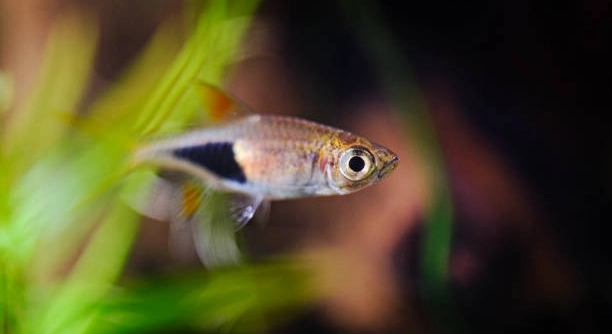
Rasboras are small, peaceful fish that usually swim in schools, adding movement and color to an aquarium. Sometimes, they may stop swimming or hide more than usual, which can worry their owners. Observing their behavior closely is important.
When rasboras refuse to swim, the issue is often linked to water quality, temperature, or stress. Ensuring stable tank conditions, proper diet, and minimal disturbances can help restore normal swimming patterns and maintain their overall health.
Recognizing the reasons behind their inactivity can improve your care routine and create a healthier environment for your rasboras to thrive.
Common Reasons Rasboras Stop Swimming
Rasboras can stop swimming for several reasons. Poor water quality is one of the main factors, including high ammonia, nitrite, or nitrate levels. Sudden changes in temperature or pH can stress them, making them hide or stay still. Overcrowding or aggressive tank mates may also cause anxiety, affecting their movement. Nutrition plays a role too; a diet lacking in variety or essential nutrients can weaken their energy levels. Even small changes in their environment, such as moving decorations or rearranging the tank, can trigger stress. Observing their behavior daily helps detect early signs of illness or discomfort. Infections, parasites, or fin rot may also make swimming difficult or painful. Providing hiding spaces like plants and smooth surfaces allows them to feel secure. Regular water tests and careful monitoring of tank conditions are key to keeping rasboras active and healthy. Prevention is easier than trying to fix prolonged inactivity.
Maintaining proper water conditions, balanced nutrition, and a calm environment often restores normal swimming behavior in rasboras.
Understanding these factors can help prevent recurring issues and ensure your rasboras feel comfortable and safe in their tank.
Steps to Encourage Swimming
Keeping rasboras active requires patience and consistency. Adjusting water temperature gradually, feeding high-quality food, and minimizing sudden changes can make a big difference.
Start by checking water parameters and performing partial water changes if needed. Introduce a varied diet with live or frozen food to boost energy. Arrange plants or decorations to create open swimming areas and hiding spots, allowing fish to explore safely. Reduce noise and vibrations near the tank to lower stress. Observe how they respond to changes, noting any improvements or continued inactivity. If illness is suspected, consult a veterinarian or aquarium specialist promptly. Regular maintenance, including cleaning the tank, monitoring water chemistry, and feeding appropriately, keeps rasboras healthy and encourages natural behavior. Over time, these steps help them regain confidence in swimming, reduce hiding, and improve overall vitality. With consistent care, rasboras can return to their lively, schooling habits, making the aquarium more enjoyable.
Adjusting Tank Conditions
Regularly checking water parameters is essential. Temperature, pH, and ammonia levels should be stable. Sudden changes can stress rasboras, making them inactive or hiding. Small, consistent adjustments are better than drastic changes to maintain their comfort.
Keeping water conditions steady supports healthy behavior. Partial water changes help reduce toxins like ammonia and nitrites. Using a reliable thermometer ensures temperature remains within the ideal range of 24–28°C (75–82°F). Adding live plants can help stabilize pH and provide natural hiding spots. Avoid overcrowding the tank, as this increases stress and can limit swimming space. A well-maintained filter keeps water clean and oxygenated. Monitoring changes daily helps detect problems early, preventing prolonged inactivity or illness.
Proper tank setup and consistent maintenance create a safe environment for rasboras. They will gradually regain activity when stress factors are reduced, showing more natural swimming and schooling behavior. Maintaining a calm, stable environment is key for their long-term health and energy levels.
Encouraging Natural Behavior
Providing hiding spaces reduces stress and encourages movement. Dense plants, smooth decorations, and open swimming areas allow rasboras to explore freely.
Introducing a variety of foods stimulates interest and promotes activity. Live or frozen options such as daphnia or brine shrimp provide nutrients and encourage hunting behavior. Arranging plants to create both shaded and open zones lets them feel secure while swimming. Minimize sudden movements or loud noises near the tank to reduce fear. Observing their response to these changes helps gauge their comfort. Over time, consistent care and a stimulating environment can restore normal swimming patterns and improve overall vitality.
Monitoring Health Signs
Watch for changes in color, fin condition, or appetite. Rasboras that refuse to swim may be showing early signs of illness or stress. Early detection is key to preventing serious health problems.
Behavioral changes like lethargy, clamped fins, or hiding for long periods often indicate stress or disease. Regular observation helps identify these signs quickly.
Feeding Adjustments
Feeding small amounts several times a day encourages activity and digestion. High-quality flakes, pellets, or occasional live foods provide essential nutrients. A varied diet supports energy levels and overall health. Avoid overfeeding, as uneaten food can harm water quality.
Reducing Stress
Minimize sudden tank changes and avoid aggressive tank mates. A calm, stable environment encourages rasboras to swim naturally and explore their surroundings.
FAQ
Why are my rasboras staying at the bottom of the tank?
Rasboras often stay at the bottom when they feel stressed or unwell. Poor water quality, sudden temperature changes, or aggressive tank mates can cause them to hide. Check ammonia, nitrite, and nitrate levels, and make sure the water temperature is stable. Providing plants or decorations for hiding spots can also help them feel safer.
Can water changes help inactive rasboras?
Yes, partial water changes improve water quality by removing harmful chemicals and toxins. Use a water conditioner to remove chlorine or chloramines. Gradually adjusting temperature during changes prevents additional stress. Consistent maintenance keeps their environment stable and encourages natural swimming behavior.
Do rasboras need a specific water temperature to swim properly?
Rasboras thrive in temperatures between 24–28°C (75–82°F). Water outside this range can cause lethargy or hiding. Using a heater or thermometer ensures a consistent temperature. Avoid sudden changes, as even small fluctuations can make them stop swimming.
How does tank size affect swimming behavior?
Overcrowded tanks limit movement and increase stress. Rasboras need space to school freely. A minimum of 10 gallons is recommended for a small group. Adequate swimming space and proper filtration promote active, healthy fish.
Can diet affect their activity?
Yes, a balanced diet with flakes, pellets, and occasional live or frozen foods supports energy and natural behavior. Overfeeding can harm water quality, while a lack of nutrients can reduce swimming. Feed small amounts multiple times a day for best results.
Are hiding spots necessary for rasboras?
Hiding spots reduce stress and encourage exploration. Plants, smooth decorations, and shaded areas allow them to feel secure. Too few hiding areas may cause prolonged hiding or inactivity. A mix of open swimming zones and shelter works best.
Could illness be causing inactivity?
Illness can make rasboras lethargic. Watch for clamped fins, faded color, or abnormal swimming. Parasites, fin rot, or bacterial infections can all affect movement. Early detection and treatment are crucial to prevent worsening conditions.
Do tank mates influence swimming behavior?
Yes, aggressive or larger tank mates can stress rasboras, causing them to hide. Keep them with peaceful species that do not compete for space or food. Observing interactions regularly helps identify any issues early.
How long does it take for rasboras to recover?
Recovery depends on the cause. Improving water quality, adjusting temperature, reducing stress, and feeding properly can show results in a few days to a week. Persistent inactivity may require veterinary advice.
Is lighting important for swimming activity?
Moderate lighting helps regulate their daily rhythm. Too bright or inconsistent lighting may cause stress. Mimicking natural day and night cycles encourages normal behavior. Combining lighting with hiding spots allows them to adjust comfortably.
Should I rearrange the tank to encourage swimming?
Small changes can help, like adding plants or moving decorations to create open swimming areas. Avoid sudden, frequent rearrangements as they can increase stress. Gradual improvements support exploration and natural schooling.
Can stress from handling affect swimming?
Yes, frequent or rough handling increases stress and reduces activity. Use nets carefully and limit disturbances during maintenance. Calm interactions help maintain healthy swimming patterns.
Are there any signs that indicate permanent health issues?
Persistent inactivity, loss of appetite, or unusual behavior may indicate serious illness. If rasboras do not improve after addressing water quality, diet, and stress, consult a veterinarian for proper diagnosis and treatment.
How can I prevent swimming problems in the future?
Maintaining clean, stable water, a balanced diet, calm tank conditions, and adequate space keeps rasboras active. Regular observation allows early detection of stress or illness, helping maintain a lively and healthy aquarium environment.
What is the best way to introduce new rasboras to a tank?
Acclimate them slowly to avoid shock. Float the bag in the tank to equalize temperature, then gradually mix tank water over 20–30 minutes. Avoid overcrowding and monitor behavior closely after introduction. Proper acclimation reduces stress and promotes natural swimming.
Do seasonal changes affect activity?
Yes, water temperature and light changes can influence behavior. Slight adjustments in heating and lighting help maintain consistent activity. Providing stable conditions during seasonal shifts prevents lethargy or hiding.
Can medications affect swimming?
Some medications may temporarily reduce activity. Follow dosage instructions carefully and monitor fish. After treatment, normal behavior usually resumes once water conditions stabilize. Combining medication with clean, stable water supports recovery.
How often should I check water parameters?
Weekly testing is recommended for ammonia, nitrite, nitrate, and pH. Frequent monitoring helps detect issues early, preventing stress-related inactivity. Daily observation of fish behavior complements water testing and ensures their health.
Are rasboras more active in groups?
Yes, they are schooling fish and feel safer in groups. Small groups of at least six promote natural swimming and reduce stress. Solitary fish may hide more and show less movement.
Can decorations or substrate affect swimming?
Yes, rough or sharp decorations can make them cautious. Smooth surfaces, gentle substrates, and open swimming areas encourage movement. Arranging the tank to balance hiding spaces and open zones supports active behavior.
What should I do if activity does not improve?
Review all care aspects: water quality, temperature, diet, tank mates, and stress levels. If inactivity persists, consult an aquarium specialist or veterinarian to rule out illness or chronic conditions. Early action prevents long-term problems and supports recovery.
Final Thoughts
Rasboras are delicate, peaceful fish that need stable conditions to thrive. Their behavior often reflects their environment, so noticing changes early is important. If they stop swimming or hide frequently, it usually signals that something in their tank or routine needs attention. Common factors include water quality, temperature, diet, and stress from tank mates or sudden changes. Maintaining a clean, stable tank and observing their behavior regularly can prevent many issues. Even small adjustments, like gradual temperature changes, regular water tests, or adding plants for hiding spaces, can make a big difference in their comfort and activity. Over time, consistent care helps them feel secure and encourages natural schooling behavior, which is important for their health.
Feeding plays a significant role in rasboras’ energy levels. A varied diet that includes high-quality flakes, pellets, and occasional live or frozen food provides essential nutrients. Overfeeding or underfeeding can both lead to problems, affecting their swimming and overall vitality. Offering small, frequent meals allows them to digest properly and stay active throughout the day. Alongside diet, the tank setup matters as well. Open swimming areas combined with hiding spots give them a sense of safety while encouraging exploration. Avoiding aggressive or overly active tank mates ensures that rasboras are not stressed or intimidated, which can otherwise lead to hiding or reduced movement. Consistency in these practices fosters an environment where they feel confident to swim and interact naturally.
Stress management is another key factor in keeping rasboras active. Sudden loud noises, frequent rearrangements, or rough handling can cause them to hide or remain inactive. Keeping interactions minimal and predictable helps them adjust to their surroundings. Regular observation is also valuable; noting changes in color, appetite, or swimming patterns allows early detection of potential problems. In some cases, inactivity may indicate illness, and quick intervention can prevent serious health issues. Overall, caring for rasboras is about balance and attention. Ensuring clean water, proper nutrition, a stable environment, and a calm atmosphere allows these fish to thrive. When these factors are consistently applied, rasboras regain confidence, swim naturally, and display the lively, schooling behavior that makes them so enjoyable to keep.

Hello,
If you enjoy the content that we create, please consider saying a "Thank You!" by leaving a tip.
Every little bit helps us continue crafting quality advice that supports the health, happiness, and well-being of pets around the world, for pets of all shapes, sizes, and species.
We really appreciate the kindness and support that you show us!