
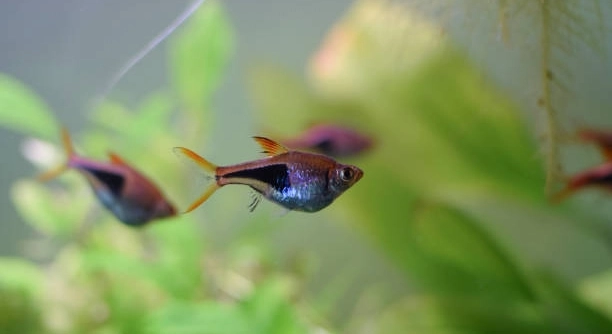
Keeping Rasboras happy in a tank goes beyond clean water and proper feeding. Their environment plays a big role in reducing stress and encouraging natural behavior. Small touches can make their habitat feel more like home.
Adding comfort items to Rasbora habitats helps simulate natural environments, reduce stress, and promote healthy behavior. Items such as plants, hiding spots, and gentle substrates create security and enrichment, improving overall well-being and encouraging natural swimming patterns.
These additions are simple but impactful, providing Rasboras with both safety and stimulation that enhances their daily life in the aquarium.
Live Plants
Live plants are an essential comfort item for Rasboras. They provide hiding spaces, reduce stress, and help maintain water quality by absorbing excess nutrients. Plants like Java Fern, Anubias, and Hornwort are low-maintenance and suitable for small tanks. Floating plants also offer shaded areas, which can make the fish feel more secure. When placed strategically, plants can create natural pathways and swimming zones, encouraging active behavior. Overcrowding with plants should be avoided, as it can limit swimming space. Trimming and cleaning plants regularly prevents decay and maintains a healthy environment. Pairing plants with soft substrate allows the fish to explore without risk of injury. For newly introduced Rasboras, plants can reduce acclimation stress by offering shelter. Lighting should be moderate to support plant growth while keeping the fish comfortable. Using live plants benefits both tank aesthetics and the overall health of Rasboras, creating a more balanced and engaging habitat for daily activity.
Live plants give Rasboras security and a more natural feel, reducing stress and encouraging healthier behavior in the tank.
Strategically placing a mix of tall and short plants allows Rasboras to swim freely while having hiding spots. Dense plant clusters can serve as resting areas, while open zones encourage schooling and interaction. Maintaining plant health is important; regular pruning and removing decayed leaves prevent water quality issues. Some plants provide surfaces for beneficial bacteria, which aid in nitrogen cycling. Choosing plants with varied textures can stimulate exploration and mimic natural environments. Live plants also help reduce nitrate buildup, contributing to overall water stability. Combining plants with rocks or driftwood enhances the habitat further, giving the fish visual barriers and safe zones. With careful planning, live plants become both functional and decorative, supporting the physical and psychological well-being of Rasboras, and creating a calm and enriched environment.
Hiding Spots
Hiding spots are crucial for Rasboras to feel secure in their aquarium.
Caves, ceramic ornaments, and driftwood provide shelter and reduce stress by offering private spaces away from bright lights or active tankmates.
Rasboras often explore in groups, and having multiple hiding spots prevents territorial disputes. Small caves or rock structures allow fish to retreat when they feel threatened or during molting periods. Driftwood with natural crevices mimics rivers and streams, giving fish areas to swim around and rest safely. Combining hiding spots with plants increases security and encourages natural behavior. Materials should be aquarium-safe and free from sharp edges to avoid injuries. Overcrowding the tank with hiding spots can restrict swimming areas, so balance is key. Rotating or rearranging these spots periodically can keep the habitat stimulating, preventing boredom. Hiding spots also provide a sense of control for the fish, making them more confident while exploring open areas. Well-placed shelters contribute to lower stress levels, improved feeding habits, and overall healthier Rasboras in a visually pleasing tank environment.
Soft Substrate
A soft substrate like sand or fine gravel is gentle on Rasboras’ delicate fins and bodies. It allows natural foraging behavior and reduces injury risk compared to sharp or rough surfaces. Proper substrate choice also supports plant growth and maintains a cleaner tank environment.
Soft substrates prevent abrasion and encourage fish to explore naturally. Rasboras often swim near the bottom, searching for leftover food. Coarse gravel can damage fins or scales during these activities. Sand or smooth gravel allows them to dig gently without stress. Additionally, substrates influence water chemistry; some types help buffer pH or provide minerals, benefiting both plants and fish. Cleaning is easier with a soft substrate because debris rests on the surface, making siphoning straightforward. Overall, a gentle substrate is a simple way to improve tank safety and comfort, supporting natural behavior while maintaining aesthetic appeal.
Using soft substrate promotes natural feeding, provides a safe environment, and reduces stress, allowing Rasboras to move freely and interact with their surroundings comfortably.
Gentle Water Flow
Rasboras prefer calm to moderate water flow to mimic natural habitats and reduce stress. Strong currents can exhaust them and prevent normal swimming patterns, making flow control essential.
Providing gentle water circulation supports oxygenation without overwhelming the fish. Powerheads or filters should have adjustable flow settings or diffusers to reduce current intensity. Placing plants and decorations strategically can further break up strong currents while maintaining movement in the water. A mild flow helps distribute heat and nutrients evenly, supporting plant growth and keeping water quality stable. Excessively turbulent water can damage fins, increase stress, and make feeding difficult, while a gentle flow encourages natural schooling behavior and smooth navigation. Monitoring flow and adjusting when necessary ensures the environment remains both safe and stimulating. Proper water movement balances oxygenation, filtration, and comfort, creating a healthier habitat that supports Rasboras’ active yet calm lifestyle.
Floating Plants
Floating plants create shaded areas, giving Rasboras a sense of security while reducing light intensity. They also provide surfaces for biofilm, which fish can nibble on, supporting natural foraging habits.
These plants help break up the tank visually, making it feel more natural. They reduce stress by offering cover, especially for shy or newly introduced fish.
Gentle Lighting
Using moderate, gentle lighting prevents stress and mimics natural daylight cycles. Bright, harsh lights can scare Rasboras, causing erratic swimming or hiding. Proper lighting also supports plant growth, balancing the ecosystem and maintaining a healthy tank environment.
Smooth Decorations
Smooth decorations, such as rounded rocks and driftwood, prevent injuries while providing visual interest and swimming pathways for Rasboras.
FAQ
What types of plants are best for Rasbora tanks?
Low-maintenance plants like Java Fern, Anubias, and Hornwort are ideal. They tolerate a wide range of water conditions and do not require strong lighting. Floating plants such as Duckweed or Water Lettuce can also provide shaded areas, helping Rasboras feel secure and reducing stress.
How many hiding spots should I provide?
Providing multiple hiding spots prevents territorial disputes and allows each fish to feel safe. A mix of caves, driftwood crevices, and dense plant clusters works well. Ensure that hiding spots do not overcrowd the tank, leaving enough open swimming space for active schooling behavior.
Why is soft substrate important for Rasboras?
Rasboras have delicate fins and bodies that can be injured by sharp or coarse substrates. Fine sand or smooth gravel allows them to forage naturally without risk of abrasions. Soft substrates also help plants establish roots and make tank maintenance easier by allowing debris to sit on top for easy cleaning.
How do I maintain gentle water flow?
Rasboras prefer calm to moderate currents. Use adjustable filters or diffusers to reduce strong flow. Placing plants and decorations strategically can break up currents further while maintaining adequate circulation. Gentle water movement ensures proper oxygenation and nutrient distribution without stressing the fish.
Can floating plants improve water quality?
Yes, floating plants absorb excess nutrients and reduce algae growth. They also provide surfaces for beneficial bacteria to colonize, supporting the nitrogen cycle. By shading the tank, they reduce light intensity, which decreases stress and encourages natural Rasbora behavior.
How should lighting be set up for Rasboras?
Moderate lighting is best to mimic natural daylight and avoid stress. Bright lights can cause hiding and erratic swimming, while too little light affects plant growth. Timers can help maintain a consistent day-night cycle, promoting healthier fish and balanced plant growth.
Are smooth decorations necessary?
Smooth decorations, such as rounded rocks and driftwood, reduce injury risk. Sharp or rough surfaces can tear fins or scales. Decorations also provide visual barriers and resting spots, encouraging natural exploration while making the tank more comfortable and stimulating for Rasboras.
Can I combine different comfort items in one tank?
Yes, combining live plants, hiding spots, smooth substrates, gentle water flow, and moderate lighting creates a balanced environment. Each item serves a unique purpose, from reducing stress to encouraging natural behaviors, ultimately supporting Rasbora health and well-being.
How often should I rearrange comfort items?
Occasional rearrangement can keep the habitat stimulating without causing excessive stress. Move plants or decorations gradually, maintaining familiar hiding spots. Frequent or sudden changes may confuse the fish, so small adjustments are preferable.
Do comfort items affect feeding behavior?
Comfort items can encourage natural foraging and schooling. Rasboras may explore around plants and hiding spots for leftover food, which promotes activity and mental stimulation. Adequate hiding spaces also reduce competition during feeding, supporting healthier eating habits and overall well-being.
How do I clean comfort items safely?
Rinse plants, substrates, and decorations with tank water during regular maintenance. Avoid harsh chemicals, as residues can harm Rasboras. Soft brushes can remove debris without damaging plant roots or ornament surfaces. Proper cleaning ensures a safe and hygienic environment while preserving the benefits of each comfort item.
Can Rasboras adapt to artificial comfort items?
Yes, artificial plants and decorations can provide similar benefits if made from safe materials. They offer hiding spots, shade, and stimulation, though live plants additionally support water quality. Mixing artificial and natural items can create variety while ensuring a low-maintenance tank setup.
How do comfort items reduce stress in Rasboras?
Shelter, shade, gentle water flow, and smooth surfaces allow fish to feel secure, minimizing panic or erratic swimming. A stable and enriched environment supports natural schooling, resting, and foraging behaviors, promoting overall health and reducing susceptibility to disease.
Are there items to avoid in Rasbora tanks?
Avoid sharp-edged decorations, rough gravel, or strong water currents. Toxic materials and overcrowded setups can also harm fish. Selecting safe, smooth, and well-spaced comfort items ensures Rasboras can swim, hide, and explore freely without injury or stress.
How do I balance aesthetics and comfort?
Prioritize Rasbora safety and natural behavior while choosing visually appealing plants, substrates, and decorations. Use a mix of textures, heights, and colors to create interest, while maintaining open swimming space. Balanced design keeps both the fish comfortable and the tank attractive.
What is the long-term benefit of comfort items?
Comfort items support physical health, reduce stress, and encourage natural behavior over time. Rasboras are more active, feed reliably, and display natural schooling patterns. Well-planned habitats with appropriate comfort items promote longevity and a stable, thriving aquarium environment.
Providing Rasboras with a well-planned and comfortable habitat is essential for their health and happiness. Small changes in their environment can make a big difference in how they behave and interact. Adding live plants, hiding spots, soft substrates, gentle water flow, and moderate lighting creates a more natural and secure setting. Each item serves a unique purpose, from reducing stress to encouraging natural swimming and foraging behaviors. When these elements are combined thoughtfully, Rasboras can move freely, explore their surroundings, and feel safe while resting. A tank that includes comfort items also supports their physical health, as stress is reduced and natural activity is promoted. Over time, fish in enriched environments tend to be more active, display brighter colors, and eat more reliably.
It is important to choose items carefully and arrange them with balance in mind. Overcrowding the tank with decorations or plants can limit swimming space, while too few comfort items can leave fish feeling exposed and stressed. Soft substrates like fine sand or smooth gravel allow Rasboras to explore without risk of injury, while plants and hiding spots provide shelter and visual barriers. Floating plants add shaded areas, helping to reduce bright light stress and supporting natural behavior. Gentle water flow ensures proper oxygenation and nutrient distribution without overwhelming the fish. Moderate lighting supports plant growth while keeping fish comfortable. Rotating or adjusting these elements occasionally can keep the habitat interesting, encouraging activity and exploration while still maintaining familiarity and security.
Ultimately, the goal is to create a balanced, safe, and stimulating environment for Rasboras. Comfort items are not just decorative; they play a critical role in supporting well-being, reducing stress, and encouraging natural behaviors. Observing the fish over time helps identify which additions work best and how to adjust their placement for optimal results. Maintaining a clean and stable tank, along with appropriate comfort items, ensures long-term health and vitality. By investing in these simple improvements, you create a space where Rasboras can thrive, swim confidently, and enjoy a higher quality of life. A thoughtful habitat benefits both the fish and the overall enjoyment of the aquarium, making care more rewarding and sustainable.

Hello,
If you enjoy the content that we create, please consider saying a "Thank You!" by leaving a tip.
Every little bit helps us continue crafting quality advice that supports the health, happiness, and well-being of pets around the world, for pets of all shapes, sizes, and species.
We really appreciate the kindness and support that you show us!