Can African Cichlids Live Without a Heater?
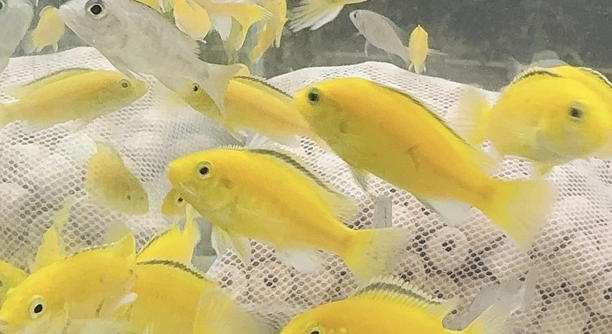
African cichlids are popular freshwater fish admired for their vibrant colors and lively behavior. Many people keep them as pets and want to ensure they live in the best possible environment. One common concern is whether these fish need a heater to thrive. African cichlids can live without a heater if the room temperature remains … Read more
Why Did My African Cichlid Stop Moving?

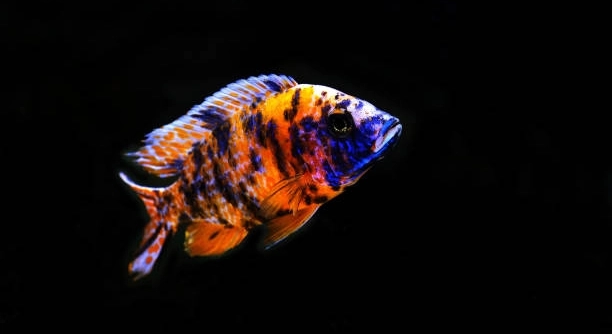
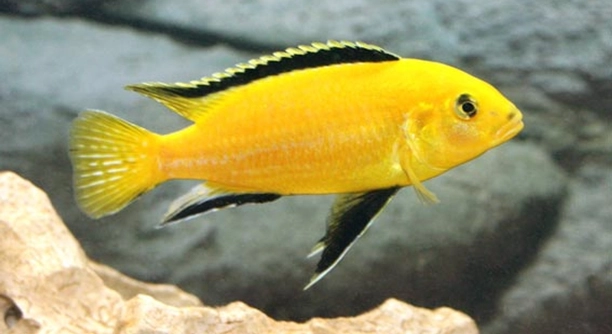
African cichlids are popular aquarium fish admired for their vibrant colors and active behavior. When one suddenly stops moving, it can be worrying for any fish keeper. This article explores common reasons behind this unusual behavior in African cichlids. African cichlids may stop moving due to stress, illness, poor water quality, or injury. Changes in … Read more

Can African Cichlids Live With Catfish?

African cichlids and catfish are popular choices for many aquarium enthusiasts. Both fish bring unique colors and behaviors to home tanks. Understanding whether they can share a tank safely is important for maintaining a healthy environment. African cichlids can live with certain types of catfish, but compatibility depends on the species’ temperament and tank conditions. … Read more

7 Tank Setups Cichlids Are Most Comfortable In

Cichlids are popular aquarium fish known for their vibrant colors and active behavior. Creating a comfortable environment is essential for their well-being. The right tank setup helps cichlids thrive and display their natural behaviors in captivity. Cichlids are most comfortable in tanks that replicate their natural habitats. This includes proper substrate, adequate hiding spots, stable … Read more

7 Benefits of Adding Driftwood to Cichlid Tanks

Adding driftwood to cichlid tanks is a popular choice among aquarium enthusiasts. It enhances the tank’s appearance while providing a natural environment for the fish. Many hobbyists notice improvements in water quality and fish behavior after including driftwood. Driftwood offers multiple benefits for cichlid tanks, such as promoting natural habitat conditions, lowering pH levels, providing … Read more

Why Are My Cichlids All in One Corner?

Many cichlid owners notice their fish grouping tightly in one corner of the tank. This behavior can be concerning and puzzling, especially when the fish usually swim freely around their environment. Understanding why this happens is important for maintaining a healthy aquarium. Cichlids gathering in one corner often indicates stress, poor water quality, or insufficient … Read more

7 Ways to Tell If a Cichlid Is Sick

Cichlids are popular aquarium fish admired for their vibrant colors and lively behavior. Keeping them healthy is important for a thriving tank. Recognizing signs of illness early can prevent serious problems and improve your fish’s well-being. Identifying if a cichlid is sick involves observing physical changes such as discoloration, unusual spots, or damaged fins, alongside … Read more

How to Keep African Cichlids Calm in Transit

Transporting African cichlids requires care to keep them calm and healthy during the trip. Stress can affect their well-being and make the journey difficult for both the fish and the owner. Knowing how to reduce stress helps ensure a safe transit. Keeping African cichlids calm in transit involves controlling water temperature, minimizing vibrations, reducing light … Read more

Why Is My African Cichlid Staying Vertical?

Is your African cichlid suddenly staying vertical in the tank? This behavior can be surprising and concerning for many aquarium owners. Understanding why this happens is important for maintaining your fish’s health and well-being. Vertical swimming in African cichlids is often a sign of swim bladder issues, stress, or water quality problems. These factors affect … Read more

How to Tell If a Cichlid Is Sick or Just Tired

Is your cichlid acting different lately, spending more time resting at the bottom of the tank or hiding in corners? Cichlids may appear tired when they are actually sick, especially if they show signs like clamped fins, loss of appetite, or changes in color. Careful observation of behavior, eating habits, and physical appearance is key. … Read more