
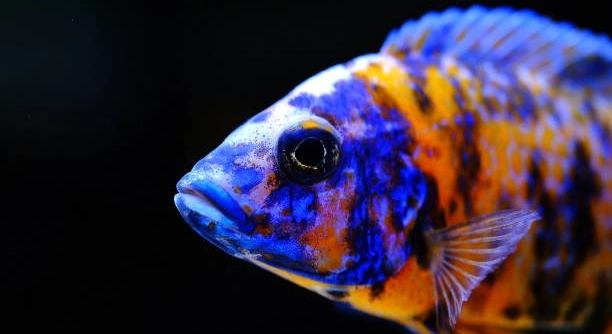
Is your African cichlid suddenly staying vertical in the tank? This behavior can be surprising and concerning for many aquarium owners. Understanding why this happens is important for maintaining your fish’s health and well-being.
Vertical swimming in African cichlids is often a sign of swim bladder issues, stress, or water quality problems. These factors affect the fish’s buoyancy control, causing it to struggle to maintain normal swimming positions. Immediate attention to tank conditions and health is necessary.
Knowing the reasons behind this unusual posture can help you take the right steps to support your cichlid’s recovery and comfort in its environment.
Common Causes of Vertical Swimming in African Cichlids
When your African cichlid swims vertically, it usually signals an underlying problem. Swim bladder disorder is one of the most frequent causes. The swim bladder helps fish control their buoyancy, so any damage or infection can make it hard for them to swim properly. Poor water quality can also stress fish, leading to abnormal behavior like vertical swimming. High levels of ammonia, nitrites, or nitrates may irritate the fish and impact its balance. Sometimes, sudden changes in temperature or aggressive tank mates can cause stress, prompting unusual swimming patterns. Overfeeding or an improper diet might contribute, especially if the fish swallows air while eating. Observing your tank conditions closely and testing water parameters regularly can help identify what is affecting your cichlid.
In some cases, vertical swimming is temporary and resolves once conditions improve. However, persistent behavior requires prompt action.
Addressing these issues early can prevent more serious health complications for your African cichlid. Proper tank maintenance, including regular water changes and careful feeding, plays a key role in keeping your fish healthy and swimming normally.
How to Improve Your Cichlid’s Buoyancy
Improving water quality is essential to helping your cichlid regain proper buoyancy. Keeping the tank clean and stable reduces stress and supports the fish’s recovery.
Check your tank’s water parameters frequently to ensure ammonia, nitrite, and nitrate levels remain low. Perform regular water changes, ideally 20–30% weekly, to maintain a healthy environment. Avoid overfeeding and provide a balanced diet designed for African cichlids to reduce digestive issues that may affect the swim bladder. Feeding smaller amounts more often can help prevent swallowing excess air. Monitor temperature to keep it consistent, as fluctuations can cause stress. If aggression is an issue, consider rearranging tank decorations or separating aggressive fish to reduce stress. In some cases, adding aquarium salt in small doses may help improve swim bladder function, but follow guidelines carefully. If the problem continues, consulting a vet or aquatic specialist is advisable to diagnose any underlying illness or infection.
Recognizing Swim Bladder Disorder Symptoms
Swim bladder disorder affects your cichlid’s ability to control its position in the water. Signs include floating upside down, sinking to the bottom, or swimming vertically. This disorder can make feeding and normal movement difficult for your fish.
Swim bladder issues may result from infections, physical injury, or dietary problems. Overfeeding or gulping air during feeding often triggers this condition. Infections caused by bacteria or parasites can also disrupt the swim bladder’s function. If your fish shows these symptoms, it’s important to act quickly. You might notice bloating or difficulty swimming alongside the abnormal posture. Sometimes, changes in water quality or sudden temperature shifts contribute to this problem.
Early treatment includes adjusting feeding habits and improving water conditions. Avoid feeding dry flakes that can expand in the stomach. Instead, try soaking food before feeding. Monitoring tank temperature and cleanliness will support your fish’s recovery. If symptoms worsen, consider veterinary advice for possible medications.
Preventing Stress in African Cichlids
Stress significantly impacts cichlids, often causing abnormal swimming. Reducing stress means providing a stable environment with proper tank mates and hiding spots.
Stress results from overcrowding, aggressive fish, or sudden changes in the environment. African cichlids are territorial and may react poorly to unfamiliar or overly aggressive tank mates. A tank that is too small or lacks hiding places can increase stress levels, leading to illness and behavior changes. Keep water conditions steady and avoid abrupt changes in temperature or chemistry. Providing enough space and natural decor helps your fish feel secure and less anxious. Feeding a nutritious diet and maintaining a regular schedule also reduce stress. Observing fish interactions regularly allows you to identify any aggressive behavior early and take action to protect your cichlid’s well-being.
Water Quality and Its Impact on Cichlid Behavior
Poor water quality can cause your cichlid to swim abnormally. High levels of toxins like ammonia or nitrites affect their health quickly.
Regular testing and maintenance are essential. Clean water helps your fish maintain normal behavior and reduces the risk of disease.
Adjusting Your Cichlid’s Diet
A diet high in fiber and low in air-trapping foods helps prevent swim bladder problems. Feeding peas or specialized pellets can aid digestion and reduce bloating.
Avoid overfeeding or dry flakes that expand in the stomach. Proper feeding habits support your cichlid’s buoyancy and overall health.
When to Seek Professional Help
If your cichlid’s vertical swimming continues despite care, a vet visit is needed. Persistent symptoms may indicate infections or internal damage requiring treatment.
Professional advice ensures your fish gets appropriate care, increasing its chances for full recovery. Don’t delay when symptoms persist.
FAQ
Why is my African cichlid staying vertical in the tank?
Vertical swimming usually means your cichlid is having trouble controlling its buoyancy. This is often caused by swim bladder disorder, stress, or poor water quality. When the swim bladder is affected, the fish cannot maintain its normal swimming position and may stay vertical or even float upside down.
Can water temperature cause my cichlid to swim vertically?
Yes. Sudden changes or fluctuations in water temperature can stress your cichlid, affecting its buoyancy control. Keeping a stable temperature within the recommended range for African cichlids helps prevent this kind of stress.
How can I tell if swim bladder disorder is the cause?
Look for symptoms like floating upside down, difficulty swimming, bloating, or unusual posture such as vertical swimming. If your fish has recently been overfed or gulped air, swim bladder disorder is a likely cause.
Is poor water quality harmful to African cichlids?
Definitely. High levels of ammonia, nitrites, or nitrates irritate fish and can cause stress or illness. This leads to behavior changes, including vertical swimming. Regular testing and water changes are essential to keep your fish healthy.
What diet helps prevent swim bladder problems?
Feeding high-fiber foods like peas can aid digestion and reduce bloating. Avoid overfeeding and dry flakes that expand in the stomach. Soaking food before feeding can prevent your fish from swallowing too much air.
How often should I test my aquarium water?
Weekly testing is recommended to ensure safe levels of ammonia, nitrites, nitrates, and pH. Consistent monitoring helps catch problems early before they affect your cichlid’s health.
Can stress cause my cichlid to swim vertically?
Yes, stress from overcrowding, aggressive tank mates, or lack of hiding spots can cause abnormal swimming behavior. Creating a stable, spacious environment with proper tank mates helps reduce stress.
What can I do if my cichlid is stressed?
Reduce crowding, provide hiding places, keep water conditions stable, and avoid sudden changes. Feeding a balanced diet on a regular schedule also helps your fish feel secure and lowers stress.
When should I consult a veterinarian?
If vertical swimming continues despite improved water quality, diet, and reduced stress, consult a vet. Persistent symptoms may indicate infection or physical injury needing professional treatment.
Can adding aquarium salt help with swim bladder issues?
In some cases, small amounts of aquarium salt may help reduce stress and improve swim bladder function. Use it carefully and follow dosage instructions to avoid harming your fish.
Is vertical swimming always a serious problem?
Not always. Sometimes it’s a temporary response to mild stress or minor water quality changes. If the behavior persists, however, it signals a deeper issue that requires attention.
How can I prevent vertical swimming from happening again?
Maintain clean, stable water conditions, feed a proper diet, avoid overcrowding, and monitor tank mates. Regular maintenance and observation keep your cichlid healthy and reduce abnormal behaviors.
African cichlids swimming vertically is a clear sign that something in their environment or health is off balance. Understanding the common reasons behind this behavior is the first step toward helping your fish. Swim bladder problems, stress, and poor water quality are often the main factors affecting their buoyancy and movement. These issues can make it hard for your cichlid to swim normally, so paying close attention to their tank conditions and behavior is important. Regular monitoring and care can prevent many of these problems from becoming serious.
Taking proper care of your African cichlid involves keeping their tank clean and stable. Regular water testing and timely changes help maintain a safe environment free of harmful toxins. Feeding your fish a balanced diet that is easy to digest supports their swim bladder health and reduces digestive problems. Avoid overfeeding and provide food that doesn’t trap air, which can worsen buoyancy issues. Creating a comfortable tank environment with enough space, hiding spots, and peaceful tank mates also reduces stress, helping your fish stay healthy and active.
If your cichlid continues to swim vertically despite good care, it may be time to seek professional advice. Some swim bladder problems result from infections or injuries that require medication or special treatment. Early intervention improves the chances of recovery and prevents further health complications. Keeping a close eye on your fish and responding quickly to any unusual behavior will ensure your African cichlid stays healthy and happy in its aquatic home. Consistent care and attention are the best ways to support your fish’s well-being.

Hello,
If you enjoy the content that we create, please consider saying a "Thank You!" by leaving a tip.
Every little bit helps us continue crafting quality advice that supports the health, happiness, and well-being of pets around the world, for pets of all shapes, sizes, and species.
We really appreciate the kindness and support that you show us!