
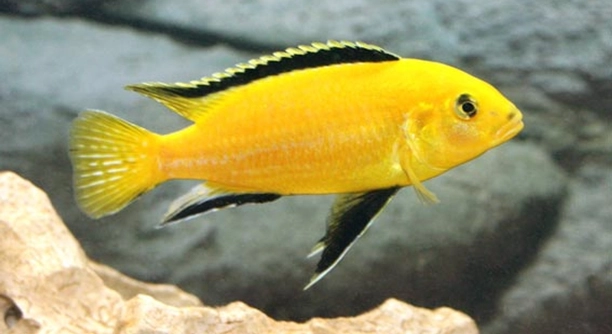
African cichlids and catfish are popular choices for many aquarium enthusiasts. Both fish bring unique colors and behaviors to home tanks. Understanding whether they can share a tank safely is important for maintaining a healthy environment.
African cichlids can live with certain types of catfish, but compatibility depends on the species’ temperament and tank conditions. Careful selection and proper tank setup are essential to minimize aggression and stress between these fish.
Knowing which catfish species work well with cichlids helps create a balanced aquarium. This guide will explore key factors for a peaceful coexistence in your tank.
Compatibility Between African Cichlids and Catfish
African cichlids are known for their vibrant colors and territorial behavior. Some catfish species, like Plecos and Synodontis, are often compatible because they tend to stay at the bottom of the tank and avoid direct confrontation. However, aggressive cichlids may still pose a risk to smaller or slower catfish. Tank size plays a crucial role; a larger tank allows more space for fish to establish territories without constant conflict. Proper hiding spots and decorations help reduce stress by providing shelter for both species. Water parameters are also important—both fish prefer similar pH and temperature ranges, which makes coexistence easier. Feeding habits differ, with cichlids often eating flakes or pellets and catfish scraping algae or consuming sinking foods, minimizing competition for food. Observation during the first few weeks is essential to notice any signs of aggression or stress so adjustments can be made promptly to protect both species.
In summary, compatibility depends on species choice, tank size, and environment management to reduce aggression and stress.
Ensuring a balanced habitat requires attention to detail in tank setup and careful monitoring of fish behavior. Small changes in environment or species mix can have big effects on the well-being of both cichlids and catfish. Providing ample space and hiding places allows each fish to thrive while minimizing conflicts. This creates a more peaceful aquarium that can be enjoyed over time.
Choosing the Right Catfish Species
Not all catfish are suited to live with African cichlids.
Popular species like the Bristlenose Pleco and Synodontis catfish tend to coexist well because they have tough skin and non-aggressive behaviors. In contrast, smaller or more delicate catfish may become targets for territorial cichlids. Synodontis catfish are known for their ability to handle occasional aggression due to their spiny fins and quick movements. Bristlenose Plecos are bottom dwellers that primarily feed on algae, which reduces food competition. It is important to avoid catfish species that require very different water conditions or have slow swimming styles that make them vulnerable. Selecting species that can defend themselves and occupy different areas of the tank can lead to a more stable community. This careful choice minimizes stress and helps maintain peaceful interactions in the aquarium.
Tank Setup for Cichlids and Catfish
A well-organized tank reduces conflicts between African cichlids and catfish. Provide plenty of hiding spots using rocks, caves, and plants. This helps fish establish their own space and lowers aggression.
Tank size is important. A larger tank offers more territory, reducing territorial disputes. Decorations should create natural barriers and shaded areas. Clean substrate is necessary for bottom-dwelling catfish. Filtration must support good water quality since both species produce waste.
Maintaining water parameters within the preferred range of both species supports their health. Cichlids thrive in slightly alkaline water with a pH between 7.8 and 8.6. Catfish often tolerate similar conditions, but regular water testing helps avoid sudden changes that stress the fish. Stable temperature, around 75-82°F, suits both species well. Lighting should mimic natural cycles but avoid harsh brightness, as this can increase stress and aggression.
Feeding African Cichlids and Catfish Together
Feeding different species requires attention to their dietary needs and habits. Cichlids mainly eat flakes, pellets, and protein-rich foods, while many catfish prefer algae wafers and sinking pellets.
To avoid food competition, distribute food in various tank areas. Feed flakes and pellets near the middle or upper parts for cichlids. Place sinking foods near the bottom for catfish. This ensures both species get adequate nutrition without fighting over food.
Feeding frequency matters. Offering smaller, more frequent meals reduces aggression during feeding time. Overfeeding should be avoided as it can cause water quality issues and health problems for both fish. Careful feeding helps maintain peace and keeps the tank environment clean and healthy.
Common Behavioral Issues
Aggression is the main concern when keeping African cichlids with catfish. Cichlids are territorial and may attack slower or smaller tank mates.
Stress can result from overcrowding or lack of hiding places. This affects both species’ health and behavior. Careful tank management is necessary to minimize these problems.
Managing Aggression
Creating distinct territories with rocks and decorations helps reduce aggressive encounters. Observing fish closely allows early detection of bullying or injury. If aggression is severe, separating the fish may be necessary to protect weaker individuals.
Signs of Stress in Fish
Fish showing rapid breathing, hiding excessively, or refusing food may be stressed. Changes in color or damaged fins are also warning signs that tank conditions or compatibility should be reassessed.
Importance of Regular Maintenance
Consistent tank cleaning and water changes keep the environment stable and healthy, reducing stress and aggression among fish.
FAQ
Can African cichlids and catfish live peacefully together?
Yes, they can live together if you choose compatible species and provide enough space. African cichlids are territorial, but many catfish, like Plecos and Synodontis, stay mostly at the bottom and avoid direct conflict. Proper tank setup with hiding places reduces aggression and stress.
What catfish species work best with African cichlids?
Bristlenose Plecos and Synodontis catfish are the most common choices. They have tough skin and tend to stay out of the way of aggressive cichlids. Avoid smaller or slow-moving catfish that can become targets. Always research the catfish’s size and temperament before adding them to a cichlid tank.
How large should the tank be?
A larger tank is better, ideally 55 gallons or more. This provides enough territory for both cichlids and catfish to establish their own spaces. Overcrowding leads to stress and aggression. Make sure the tank has plenty of decorations to break up sightlines and create hiding spots.
How do I feed cichlids and catfish in the same tank?
Feed cichlids flakes or pellets near the top and middle of the tank. Offer sinking algae wafers or pellets near the bottom for catfish. Feeding in separate areas reduces competition and aggression. Smaller, more frequent meals help keep peace during feeding times.
What water conditions do they need?
Both African cichlids and many catfish species prefer slightly alkaline water with a pH around 7.8 to 8.6. Temperatures between 75 and 82°F are ideal. Regular water testing is important to maintain stable conditions. Sudden changes can stress the fish.
How can I tell if my fish are stressed?
Signs of stress include hiding often, rapid breathing, faded colors, and refusal to eat. Damaged fins or aggressive behavior changes can also indicate problems. Stress usually comes from poor water quality, overcrowding, or incompatible tank mates.
What should I do if aggression becomes a problem?
Increase hiding spots and rearrange decorations to create separate territories. If aggression continues, you may need to separate the fish. Sometimes, removing the more aggressive individual protects the rest. Monitoring behavior closely helps catch issues early.
Is it necessary to maintain a strict cleaning schedule?
Yes, regular water changes and tank cleaning help keep water quality high. Poor water conditions increase stress and aggression. Cleaning the substrate, filters, and decorations removes waste that can harm fish health. Aim for weekly partial water changes.
Can all African cichlids live with catfish?
No, not all cichlids are suitable tank mates for catfish. Some species are extremely aggressive and will attack catfish regardless of size. Researching each cichlid species’ temperament is important before mixing them with catfish.
Do catfish need special care in a cichlid tank?
Catfish in cichlid tanks need access to hiding spots and appropriate food. They may be more vulnerable during feeding if cichlids are aggressive eaters. Providing sinking food and monitoring their health helps ensure they thrive.
Can juvenile cichlids and catfish be kept together?
Juveniles may be less aggressive, but risks remain. Smaller catfish can be targets for growing cichlids. Juvenile fish also need enough space to avoid stress. It’s best to monitor their growth and behavior closely if kept together.
What are common mistakes to avoid?
Overcrowding the tank, poor water maintenance, and choosing incompatible species are common issues. Avoid aggressive cichlids with delicate catfish. Lack of hiding spots increases stress. Feeding all fish in the same place can lead to fights.
How often should I observe my fish?
Daily observation is ideal to catch early signs of aggression or stress. This allows timely intervention before serious injury occurs. Watching how fish interact during feeding and rest periods helps maintain a peaceful tank environment.
Can tank decorations reduce aggression?
Yes, using rocks, caves, and plants to create separate territories helps reduce aggression. These natural barriers prevent constant eye contact and fights. Rearranging decorations occasionally can also reset territorial boundaries, calming fish down.
Are there any catfish to avoid with African cichlids?
Avoid very small or slow-moving catfish like Corydoras or delicate species. They may become easy targets. Also, species requiring different water conditions or softer water are not good matches with most African cichlids.
Is it better to add catfish or cichlids first?
Adding cichlids first usually helps because they establish territories early. Adding catfish later gives them time to find safe hiding spots and avoid early aggression. Adding both at the same time can increase stress as territories form.
What role does water temperature play in compatibility?
Maintaining stable water temperature prevents stress. Both African cichlids and many catfish prefer warm water around 75–82°F. Temperature fluctuations weaken fish immune systems and increase aggressive behavior. Use a heater and thermometer for control.
How can I encourage peaceful coexistence?
Provide plenty of space, hiding spots, and varied food sources. Monitor behavior daily and separate fish if aggression worsens. A well-maintained tank with stable water conditions supports peaceful interactions.
Can aggressive cichlids be trained to be less aggressive?
Aggression is natural for many cichlids. While training is limited, providing an enriching environment with territories and hiding places helps reduce stress-driven aggression. Avoiding overcrowding and incompatible tank mates is more effective.
Are there signs that cichlids accept catfish?
Fish swimming calmly around each other, sharing feeding times without chasing, and resting peacefully in the same areas indicate acceptance. Lack of injuries or constant hiding also shows good compatibility.
African cichlids and catfish can live together successfully with the right planning and care. The key is selecting compatible species that can tolerate each other’s behaviors and environmental needs. Not every catfish will do well with every cichlid, so it is important to research which species are best suited for coexistence. Providing a large enough tank with plenty of hiding spaces helps reduce aggression and stress. When fish have their own territories and places to retreat, they are less likely to fight. This careful preparation sets the foundation for a peaceful community tank.
Maintaining good water quality and stable conditions is another essential factor. Both African cichlids and many catfish species prefer similar water parameters, including slightly alkaline pH and warm temperatures. Regular water changes and tank cleaning prevent the buildup of harmful waste, which can cause stress and illness. Stress weakens fish and makes aggressive behavior more likely. Feeding the fish properly also plays a role in keeping the peace. Offering food in different locations and at regular intervals ensures all fish receive enough nutrition without competition. Attention to these details supports the health and well-being of every tank member.
Even with all the right steps, it is important to observe your fish closely. Fish behavior can change quickly, especially when new tank mates are introduced or environmental factors shift. Watching for signs of stress or aggression allows early action before problems escalate. Adjusting tank setup, changing feeding habits, or separating aggressive fish may be necessary to maintain harmony. By being attentive and responsive, you can enjoy the beauty and activity that African cichlids and catfish bring to a shared aquarium. Taking the time to understand their needs helps create a balanced and rewarding aquatic environment.

Hello,
If you enjoy the content that we create, please consider saying a "Thank You!" by leaving a tip.
Every little bit helps us continue crafting quality advice that supports the health, happiness, and well-being of pets around the world, for pets of all shapes, sizes, and species.
We really appreciate the kindness and support that you show us!