
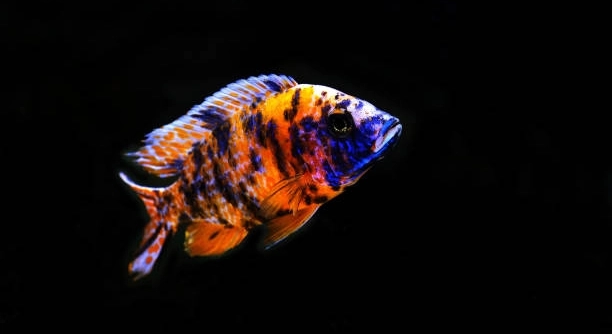
African cichlids are popular aquarium fish admired for their vibrant colors and active behavior. When one suddenly stops moving, it can be worrying for any fish keeper. This article explores common reasons behind this unusual behavior in African cichlids.
African cichlids may stop moving due to stress, illness, poor water quality, or injury. Changes in their environment, such as temperature fluctuations or inadequate oxygen levels, can also affect their activity and cause lethargy. Identifying the cause is essential for proper care.
Recognizing the reasons behind your fish’s inactivity can help maintain its health and wellbeing. Understanding these factors is key to ensuring your cichlid remains lively and comfortable in its tank.
Common Causes of African Cichlid Inactivity
African cichlids may become inactive due to several factors related to their environment and health. Poor water quality is one of the leading causes. High levels of ammonia, nitrites, or nitrates can stress fish and reduce their movement. Temperature changes also affect their activity; cichlids thrive best in stable, warm water between 75°F and 82°F. Illness or parasites can cause lethargy, making the fish rest more than usual. Injuries from fights with other fish or sharp objects in the tank can limit movement. Overcrowding increases stress and reduces space for swimming. Diet plays a role too—poor nutrition can lead to weakness. Maintaining clean water, stable temperature, and proper diet helps keep your cichlid active. Monitoring behavior regularly allows early detection of problems. Taking quick action can prevent serious health issues and improve the fish’s quality of life.
Regular water testing and proper tank maintenance are crucial for cichlid health. These practices reduce the risk of inactivity caused by environmental stress.
It’s important to observe your cichlid daily. Look for changes in color, appetite, or swimming patterns. Early signs of illness or stress are often subtle. If your fish stops moving suddenly, check water parameters immediately. Adjust temperature carefully to avoid shock. Remove aggressive tank mates if fighting occurs. Feeding high-quality, balanced food supports recovery and energy. Small steps like these can restore your fish’s normal behavior and prevent further problems.
How to Improve Your Cichlid’s Activity Level
Adjusting tank conditions can make a significant difference in your cichlid’s activity. Regular water changes, maintaining proper temperature, and improving oxygen levels by using an air pump help create a better environment. Reducing stress by limiting sudden changes and avoiding overcrowding also supports active behavior.
Providing an enriched environment encourages natural swimming and exploration. Adding rocks, plants, and hiding spots offers stimulation and security, which lowers stress. Feeding your cichlid a varied diet with quality flakes, pellets, and occasional live or frozen foods enhances health. Observe your fish closely after making changes to ensure improvement. Sometimes, rest is necessary, but prolonged inactivity needs attention from a vet or experienced aquarist. Regular care and observation are key to helping your African cichlid thrive and stay lively in its tank.
Signs of Illness in African Cichlids
Lethargy is often the first sign of illness in African cichlids. Other symptoms include loss of appetite, clamped fins, and abnormal swimming. White spots, redness, or swollen areas on the body are also indicators of possible infection or parasites.
Illnesses such as ich, bacterial infections, and fungal diseases can cause a cichlid to stop moving. Stress weakens their immune system, making them more vulnerable. If you notice any symptoms, isolate the affected fish to prevent spreading. Use aquarium salt or medications recommended for specific conditions. Regular water testing and tank cleaning are necessary to reduce the risk of disease. Early treatment improves the chances of recovery.
Maintaining good water quality and feeding a nutritious diet are preventive measures. Quarantine new fish before adding them to the main tank. Observe your cichlids closely to catch illness early. If unsure about symptoms, consult a veterinarian experienced with fish. Quick response to illness often leads to successful treatment and return to normal activity.
Impact of Tank Environment on Fish Behavior
The tank environment directly influences your cichlid’s behavior and health. Poor water quality, incorrect temperature, or overcrowding causes stress, leading to inactivity. Proper filtration and regular water changes are essential. A stable environment promotes active and healthy fish.
Lighting and tank decorations also matter. Bright lights or lack of hiding spots can make fish feel exposed and stressed. Plants, rocks, and caves create a natural habitat, encouraging movement and exploration. Proper tank size gives enough swimming space and reduces aggression. Adjusting these factors creates a comfortable setting for your cichlid to thrive and stay active.
Effects of Water Quality on Movement
Poor water quality can quickly cause your African cichlid to become inactive. High ammonia, nitrite, or nitrate levels stress the fish and damage their gills. Clean water is essential for normal behavior.
Testing water regularly helps catch issues early. Even small changes in pH or hardness affect your fish’s comfort. Maintaining stable water parameters prevents sudden lethargy and promotes a healthy tank environment.
Feeding and Its Role in Activity
A balanced diet supports your cichlid’s energy and movement. Overfeeding can lead to poor water quality, while underfeeding causes weakness. Feeding the right amount of nutritious food keeps fish active and healthy.
Temperature and Its Influence
Temperature affects metabolism and activity levels in African cichlids. Water that is too cold slows them down, while water that is too warm can cause stress. Keeping the temperature stable within the ideal range is key.
Stress and Its Impact on Behavior
Stress reduces your cichlid’s energy and may cause it to stop moving. Sources of stress include aggressive tank mates, loud noises, and sudden changes in the tank environment. Minimizing stress helps maintain healthy activity.
FAQ
Why has my African cichlid stopped moving suddenly?
Sudden inactivity often points to changes in the tank environment or health problems. Water quality issues like high ammonia or nitrites, temperature fluctuations, or an illness may cause your cichlid to stop moving. Check water parameters immediately and observe for other symptoms such as color change or loss of appetite.
Can poor water quality cause my cichlid to become inactive?
Yes, poor water quality is one of the main reasons for lethargy in African cichlids. Ammonia, nitrites, or nitrates above safe levels stress fish and damage their gills, reducing oxygen uptake. Regular water tests and partial water changes help keep conditions safe and fish active.
How do I know if my cichlid is sick or just resting?
Resting fish may stay still but still respond quickly to stimuli like food or movement outside the tank. If your cichlid shows other signs such as faded colors, clamped fins, loss of appetite, or unusual spots, it is likely sick. Monitor behavior closely and treat if symptoms persist.
What temperature is best for African cichlids?
African cichlids thrive in water temperatures between 75°F and 82°F (24°C to 28°C). Temperatures below or above this range can cause stress, making fish less active or ill. Use a reliable aquarium heater and thermometer to maintain stable temperature.
Can stress cause my African cichlid to stop moving?
Stress is a common cause of inactivity. Overcrowded tanks, aggressive tank mates, loud noises, and sudden changes can all stress your fish. Stress weakens their immune system and often causes them to hide or become inactive. Reducing stressors improves their behavior.
How often should I test my tank water?
Testing water weekly is ideal for maintaining a healthy environment. Frequent checks help detect harmful spikes in ammonia, nitrites, nitrates, pH, and hardness. Consistent testing allows quick fixes before fish become affected by poor conditions.
What should I feed my African cichlid to keep it active?
Feed a balanced diet including high-quality flakes or pellets formulated for cichlids. Supplement with occasional live or frozen foods like brine shrimp or bloodworms for protein. Avoid overfeeding, which can pollute the water and harm fish health.
Is tank size important for cichlid activity?
Yes, tank size matters a lot. African cichlids need enough space to swim and establish territories. Overcrowding causes stress, aggression, and reduced activity. A minimum of 30 gallons is recommended for one cichlid, with larger tanks needed for groups.
How can I tell if my cichlid has parasites?
Parasites often cause scratching against objects, rapid breathing, or white spots on the skin (ich). Your cichlid may become lethargic or stop eating. If you notice these signs, quarantine the fish and treat the tank with appropriate medication.
Should I isolate my inactive cichlid?
Isolating a sick or stressed fish helps prevent spreading disease and reduces bullying by other fish. Use a quarantine tank if possible, maintaining good water quality and warmth. Isolation allows better monitoring and treatment.
How long can African cichlids stay inactive before it’s serious?
Short periods of inactivity are normal during rest, but if your cichlid remains motionless for hours or days, it signals a problem. Prolonged inactivity without improvement requires action such as checking water quality, adjusting conditions, or seeking veterinary advice.
Can injuries cause a cichlid to stop moving?
Yes, injuries from fights or sharp objects can cause pain and reduce movement. Inspect your fish for visible wounds or torn fins. Treat injuries with clean water, salt baths, or medication as needed, and remove aggressive tank mates if fights occur.
What is the best way to reduce stress in my cichlid tank?
Provide hiding places like rocks and plants, avoid sudden changes, keep consistent lighting, and limit aggressive fish. Maintaining good water quality and stable temperature also helps. A calm environment encourages your cichlid to be active and healthy.
How do I safely change the water without stressing my fish?
Perform partial water changes (20-30%) weekly using water treated to remove chlorine and matched to tank temperature. Change water slowly to avoid sudden shifts. Use gentle equipment and avoid disturbing decorations to reduce stress.
When should I consult a vet for my African cichlid?
Consult a vet if your fish shows persistent inactivity combined with other symptoms like loss of appetite, abnormal spots, swelling, or difficulty breathing. Professional advice helps diagnose infections, parasites, or other serious conditions that require specialized treatment.
Final Thoughts
African cichlids are lively and colorful fish that add vibrancy to any aquarium. When they suddenly stop moving, it can be a clear sign that something is wrong. Many factors can cause this behavior, including poor water quality, illness, stress, or environmental changes. Paying close attention to these factors and maintaining a stable, healthy tank environment is important to keep your cichlid active and comfortable. Regular water testing, proper feeding, and monitoring the tank’s temperature are key steps in preventing inactivity.
It is natural to feel concerned when your cichlid becomes inactive. Understanding the possible reasons behind this behavior helps to address the problem quickly and effectively. Sometimes inactivity may be temporary, caused by rest or mild stress, but it can also indicate more serious issues such as infections or injuries. Observing your fish for other signs like changes in color, appetite, or swimming patterns is important. Acting promptly by improving tank conditions, isolating sick fish, or seeking expert advice can make a significant difference in your cichlid’s recovery.
Keeping African cichlids healthy requires ongoing care and attention. Creating a suitable environment with clean water, appropriate temperature, and enough space helps reduce stress and supports normal activity levels. Feeding a balanced diet and avoiding overcrowding also play a role in their wellbeing. By staying observant and consistent with tank maintenance, you increase the chances that your cichlid will remain lively and enjoy a long, healthy life in your aquarium.

Hello,
If you enjoy the content that we create, please consider saying a "Thank You!" by leaving a tip.
Every little bit helps us continue crafting quality advice that supports the health, happiness, and well-being of pets around the world, for pets of all shapes, sizes, and species.
We really appreciate the kindness and support that you show us!