
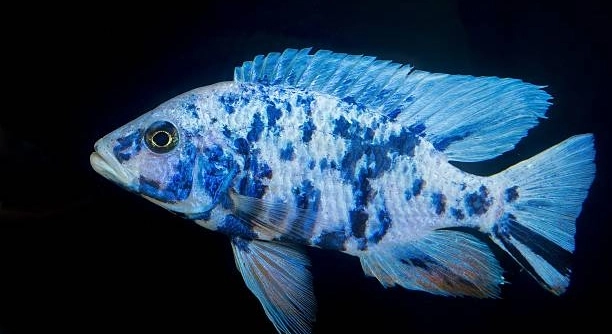
Transporting African cichlids requires care to keep them calm and healthy during the trip. Stress can affect their well-being and make the journey difficult for both the fish and the owner. Knowing how to reduce stress helps ensure a safe transit.
Keeping African cichlids calm in transit involves controlling water temperature, minimizing vibrations, reducing light exposure, and limiting handling. Using proper packaging and water treatments also helps maintain stable conditions and reduces stress responses in the fish.
These simple but effective methods can make a big difference in your cichlids’ travel experience and overall health. Understanding these techniques will help you prepare for smooth and safe transportation.
Preparing Your African Cichlids for Transport
Before moving your African cichlids, it’s important to prepare them properly. Start by feeding them lightly a day before the trip to avoid excess waste during transit. Make sure their tank is clean and free of debris. Use water from their current tank when filling transport bags or containers to help keep water parameters stable. Reducing stress before transport sets a calm tone for the trip. It also helps prevent illness or shock caused by sudden changes.
Transport bags should be filled with enough water to keep the fish comfortable but not overcrowded. Use oxygen tablets or fill bags halfway and top them off with pure oxygen if possible. Make sure the bags are sealed tightly to prevent leaks. Label the bags with species and any important notes. This organization will make handling easier during transport and help avoid mistakes.
Taking these steps in advance helps your cichlids adjust to moving conditions. Proper preparation minimizes risk and keeps the fish calmer, making the entire process smoother for both you and your fish.
Controlling Environment During Transit
Maintaining stable conditions during transit is crucial for keeping your fish calm.
Keep the transport container in a stable, dark, and quiet place to reduce stress. Sudden noises, bright lights, or constant movement can agitate cichlids. Use insulated containers or foam boxes to help maintain temperature, avoiding extreme changes that can shock the fish. Monitor the temperature regularly if possible, aiming for consistency with their normal tank environment.
During longer trips, avoid opening the containers frequently. This helps keep water quality intact and limits exposure to outside stressors. Avoid excessive vibrations by placing the containers on soft surfaces inside the vehicle. If the trip will take several hours, prepare for water changes or oxygen boosts upon arrival. Keeping the environment calm and steady reduces the risk of stress-related health problems and promotes better recovery once the fish reach their new home.
Handling African Cichlids During Transit
Minimize handling to reduce stress on your cichlids. Use soft nets and avoid sudden movements. Gentle care helps keep them calm.
When transferring cichlids between containers, move slowly and steadily. Sudden jerks or quick scooping can startle the fish, increasing their stress levels. Use a soft, fine mesh net to avoid damaging their delicate fins. Always support the net from underneath to prevent dropping or injury. If possible, move fish one at a time to maintain control. Avoid holding the fish out of water for long periods, as this can cause additional distress and harm.
Handling with care reduces the risk of physical injury and stress-related illnesses. Calm fish adapt better to new environments and recover faster after transit. Remember, gentle handling is key to a safer move.
Choosing the Right Transport Equipment
Proper equipment is essential for a smooth transport. Use sturdy, leak-proof bags or containers designed for fish transport. Double-bagging can prevent spills. Avoid containers with sharp edges that could harm the fish.
Oxygen supply is important during transit. Use oxygen tablets or pure oxygen if possible, especially for longer trips. Insulated coolers help maintain stable temperatures and protect fish from temperature swings. Additionally, adding a small amount of water conditioner can help neutralize harmful chemicals. Make sure bags are securely sealed to prevent leaks and contamination. Using the right equipment creates a safe environment that supports your cichlids’ health and calmness throughout the move.
Minimizing Light and Noise
Reducing light exposure helps keep African cichlids calm during transit. Use opaque bags or cover containers with a dark cloth.
Limit noise by placing transport containers in quiet areas away from loud sounds and vibrations. This creates a less stressful environment for the fish.
Water Quality Management
Keeping water clean and balanced is vital. Avoid overfeeding before transport to reduce waste. Use water conditioners to remove chlorine and ammonia. Regularly check water temperature and pH levels to match the fish’s usual environment. This prevents shock and maintains stable conditions during transit.
Settling In After Transport
Once home, let the fish adjust gradually to the new tank conditions before full release.
FAQ
How long can African cichlids be kept in transport bags?
African cichlids can safely remain in transport bags for up to 8 hours if conditions are controlled well. For trips longer than that, oxygen levels may drop, and waste can build up, stressing the fish. Using oxygen tablets or pure oxygen can extend this time safely.
What is the best water temperature for transporting African cichlids?
The ideal temperature during transport is close to the fish’s home tank temperature, usually between 74°F and 80°F (23°C–27°C). Sudden temperature changes can shock the fish, so maintaining stability with insulated containers or coolers is essential.
Can I feed my cichlids before transport?
It’s better to feed your cichlids lightly or not at all the day before transport. Feeding too much can cause excess waste, which harms water quality and stresses the fish during transit.
How should I acclimate cichlids after transport?
Acclimate your fish slowly by floating the sealed bag in the new tank for 15-20 minutes to equalize temperature. Gradually mix small amounts of tank water into the bag every 5 minutes for about 30 minutes before releasing the fish. This prevents shock from sudden changes in water conditions.
What signs of stress should I watch for during transport?
Look for rapid gill movement, erratic swimming, clamped fins, or lethargy. These signs show the fish are stressed and may need better care or faster transport.
Is it necessary to use a water conditioner for transport water?
Yes, water conditioners help neutralize chlorine and ammonia, which can harm fish. Adding a conditioner before transport helps keep the water safe and reduces stress.
How can I reduce vibrations and movement during transport?
Place transport containers on soft surfaces like towels or foam to absorb shocks. Secure containers so they don’t slide or tip. Driving carefully and avoiding sudden stops also helps keep the fish calm.
Should I transport multiple cichlids together?
Avoid overcrowding. Transporting a few fish per bag reduces aggression and stress. Overcrowding can lead to poor water quality and increased fighting.
Can I use regular plastic containers instead of bags?
Yes, sturdy plastic containers with secure lids can be used. They provide better protection against leaks and crushing but should be cleaned and free of chemicals. Make sure to leave enough air space or add oxygen.
What is the role of oxygen tablets during transport?
Oxygen tablets slowly release oxygen into the water, maintaining safe levels for the fish during transit. They are especially useful for trips lasting more than a few hours or when using sealed bags. Always follow instructions on the tablet packaging.
How important is darkness during transport?
Darkness reduces visual stress and keeps fish calmer. Covering bags or containers with a dark cloth or using opaque bags helps limit light exposure and lowers anxiety for the fish.
Can temperature swings cause long-term problems?
Yes, sudden temperature changes can weaken immune systems, making fish more vulnerable to disease after transport. Keeping temperature steady helps protect their health.
Is it okay to use ice packs to keep water cool?
Use ice packs with caution. Direct contact with the container can cause sudden cold spots that shock the fish. Wrap ice packs in towels and monitor water temperature carefully if cooling is necessary.
How soon after transport should I change the water?
Wait at least 24 hours before doing a partial water change. This allows the fish to settle and reduces stress. After that, regular water changes help keep the environment clean.
What should I do if a fish looks sick after transport?
Isolate sick fish to prevent spread of disease. Test water quality and ensure proper tank conditions. Consider consulting an aquatic veterinarian or experienced hobbyist for treatment advice.
This FAQ covers many common concerns to help you keep your African cichlids calm and healthy during and after transport.
Final Thoughts
Transporting African cichlids can seem challenging at first, but with the right steps, it becomes much easier. The key is to prepare carefully and keep their environment as stable as possible. Making sure water temperature stays steady, minimizing light and noise, and handling the fish gently all help reduce stress. When fish are calm, they are less likely to get sick or hurt during transport. Taking time to set up proper bags or containers and using oxygen if needed also supports their health on the move.
It’s important to remember that every detail counts when moving African cichlids. Small changes in water quality, temperature, or handling can cause big differences in how the fish respond. Being patient and careful during loading, transport, and unloading will help your fish adjust better. Once they arrive at their new home, giving them a quiet space to settle is just as important. Gradual acclimation to new water conditions prevents shock and helps them recover from any stress caused by the move.
In the end, transporting African cichlids safely is all about planning and care. By following the steps to reduce stress and maintain stable conditions, you can help ensure your fish stay calm and healthy. Taking the time to do things right not only protects your fish but also gives you peace of mind. When your cichlids arrive in good health and adjust well, it makes the effort worthwhile. Keeping these simple but effective methods in mind will make future transports smoother and less stressful for both you and your fish.

Hello,
If you enjoy the content that we create, please consider saying a "Thank You!" by leaving a tip.
Every little bit helps us continue crafting quality advice that supports the health, happiness, and well-being of pets around the world, for pets of all shapes, sizes, and species.
We really appreciate the kindness and support that you show us!