
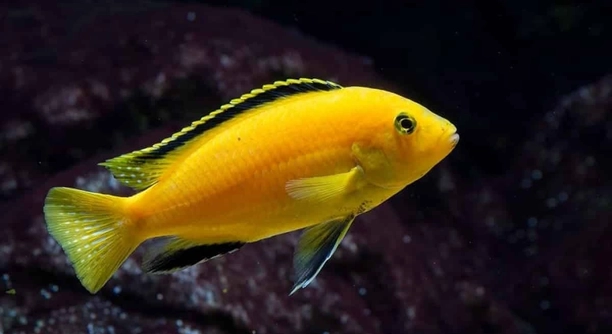
Cichlids are popular aquarium fish known for their vibrant colors and active behavior. Creating a comfortable environment is essential for their well-being. The right tank setup helps cichlids thrive and display their natural behaviors in captivity.
Cichlids are most comfortable in tanks that replicate their natural habitats. This includes proper substrate, adequate hiding spots, stable water parameters, and sufficient swimming space tailored to the specific species’ needs. These elements support their health and reduce stress.
Learning how to set up the perfect tank will improve your cichlids’ quality of life and make your aquarium more enjoyable to watch.
Substrate Choices for Cichlid Tanks
Selecting the right substrate is important for cichlids because it affects their comfort and behavior. Many cichlids come from rocky or sandy environments, so matching their natural substrate is beneficial. For African cichlids, sand or fine gravel works well, allowing them to dig and sift easily. South American cichlids often prefer softer sand that mimics riverbeds. Avoid sharp or rough substrates that could harm their delicate mouths. Substrate also plays a role in maintaining water quality by supporting beneficial bacteria. Regular cleaning is necessary to prevent buildup of waste. Adding a natural substrate can enhance the tank’s look and help cichlids feel secure, encouraging natural activity and reducing stress. Choosing substrate that suits your cichlid species supports their health and behavior.
Proper substrate keeps cichlids active and comfortable while supporting tank cleanliness. It also helps recreate their natural environment.
A well-chosen substrate benefits cichlids in multiple ways. It allows digging and territorial behavior, which reduces aggression by giving them space to claim. The right texture prevents injury when fish search for food or build nests. Substrate also influences water chemistry by buffering pH, which is important for sensitive species. In combination with decorations and plants, substrate completes the habitat and encourages natural behavior. Regular maintenance and appropriate depth are key to keeping substrate healthy. A clean, suitable base improves fish welfare and overall tank aesthetics. This foundation sets the tone for a thriving cichlid aquarium.
Hiding Spots and Territory
Cichlids need hiding spots to feel secure and establish territories.
Creating plenty of caves, rocks, and plants helps reduce stress and aggression.
Providing hiding spots is crucial for cichlids’ well-being. These fish are often territorial, especially during breeding. Rocks and caves serve as natural shelters where they can retreat if threatened or rest. Arranging these hiding places strategically allows multiple fish to claim their own areas, which lowers fighting and stress levels. Using driftwood and dense plant clusters adds cover and improves tank complexity. When hiding spots are scarce, cichlids may become aggressive or shy, affecting their health. Balance open swimming space with plenty of shelters to suit their needs. Adding decor that mimics their natural habitat encourages natural behavior and makes them feel safer in captivity.
Water Parameters and Filtration
Maintaining stable water conditions is vital for cichlids’ health. Proper filtration and regular testing keep the environment safe.
Filtration should match the tank size and bioload. Cichlids produce waste that can quickly pollute water if not properly filtered. A quality filter removes debris, toxins, and maintains oxygen levels. Regular water changes complement filtration by keeping nitrate levels low. Testing water parameters like pH, hardness, and ammonia ensures they stay within species-specific ranges. African cichlids often prefer harder, alkaline water, while South American cichlids need softer, slightly acidic conditions. Adjusting water chemistry with additives or substrates helps create a comfortable habitat. Stable water quality prevents stress and disease, promoting natural behavior.
A balanced filtration system supports a healthy, clear aquarium. Without proper filtration, cichlids can suffer from poor water quality, leading to illness and stress. Investing in an efficient filter system designed for your tank size helps maintain stable water parameters. Combined with routine water changes and careful monitoring, filtration ensures the aquarium environment remains suitable for cichlids to thrive. Regularly cleaning filter media without damaging beneficial bacteria is also necessary to keep the system working optimally. This approach guarantees long-term water quality and fish health.
Tank Size and Stocking Density
Providing enough space is key for cichlids to thrive. Overstocking can lead to aggression and poor water quality.
The ideal tank size depends on species and number of fish. Larger tanks reduce territorial conflicts and give cichlids room to swim actively. Many cichlid species require at least 30 gallons, but bigger species or groups need 55 gallons or more. Proper stocking density balances fish numbers with available space, decorations, and filtration. Overcrowding stresses fish, leading to disease and aggressive behavior. Understocking can also cause problems since some cichlids do better with companions to establish social hierarchies. Planning tank size and stocking carefully improves cichlid health and tank stability.
Lighting Conditions
Cichlids generally prefer moderate lighting that mimics their natural habitat.
Too much light can stress them, while too little may affect their behavior and plant growth.
Plant Selection for Cichlid Tanks
Choosing the right plants is important because many cichlids are known to dig or uproot them. Hardy plants like Java fern, Anubias, and Vallisneria can tolerate this behavior. These plants attach to rocks or driftwood, making them less likely to be disturbed. Floating plants help diffuse light and create shaded areas, which cichlids appreciate. Plants also improve water quality by absorbing nitrates and providing hiding spots. Balancing live plants with the fish’s digging habits ensures a natural and comfortable environment. Selecting durable, low-maintenance plants will help maintain the tank’s appearance and support fish well-being.
Temperature Requirements
Most cichlids thrive in water temperatures between 75°F and 82°F.
FAQ
What is the best substrate for cichlids?
The best substrate depends on the species. African cichlids prefer sand or fine gravel, which allows them to dig and sift. South American cichlids do well with soft sand that mimics riverbeds. Avoid sharp substrates that could injure their mouths. Proper substrate supports natural behavior and helps maintain water quality.
How often should I change the water in a cichlid tank?
Regular water changes are essential for keeping cichlids healthy. Changing about 20–30% of the water every one to two weeks helps reduce toxins like nitrates. This supports stable water conditions and complements filtration. More frequent changes may be needed in heavily stocked tanks or if water quality declines.
What tank size do cichlids need?
Tank size depends on the species and number of fish. Smaller species can live comfortably in 30-gallon tanks, while larger or more aggressive cichlids require at least 55 gallons or more. Providing enough space reduces aggression and stress, allowing fish to swim and establish territories.
How many cichlids can I keep in one tank?
Stocking density should balance the tank size, species behavior, and available hiding spots. Overcrowding causes aggression and poor water quality. It is important to research specific species’ needs and plan accordingly. Generally, fewer fish with adequate space create a healthier environment.
What water parameters do cichlids need?
Most African cichlids prefer alkaline water with a pH between 7.8 and 8.6 and harder water. South American species usually thrive in softer, slightly acidic water with a pH around 6.5 to 7.5. Stable temperature between 75°F and 82°F is ideal. Regular testing and adjustments keep conditions stable.
Do cichlids need special filtration?
Yes, strong filtration is needed due to cichlids’ high waste production. Filters should be rated for a larger tank size than the actual aquarium to handle bioload. Using a combination of mechanical, biological, and chemical filtration supports water clarity and health. Regular cleaning of filter media maintains efficiency.
Are live plants necessary in a cichlid tank?
Live plants are not required but highly beneficial. Hardy plants that resist digging, like Java fern or Anubias, provide hiding places, improve water quality, and create a natural environment. Floating plants can also add shade. Plant choice should consider the digging habits of your specific cichlid species.
Can cichlids live with other fish?
Some cichlids are aggressive and territorial, making them unsuitable for community tanks. However, some species tolerate tank mates if space and hiding spots are sufficient. Choosing compatible species and monitoring behavior closely is important. Avoid keeping cichlids with small, peaceful fish that can be bullied.
What should I feed my cichlids?
Cichlids need a balanced diet with high-quality pellets or flakes designed for their species. Many benefit from occasional live or frozen foods like brine shrimp or bloodworms. Avoid overfeeding to maintain water quality. Varied diets promote health and vibrant coloration.
How do I reduce aggression in a cichlid tank?
Providing enough space, hiding spots, and proper stocking levels helps reduce aggression. Introducing fish at the same time and selecting compatible species also helps. Rearranging the tank periodically breaks up territories. Monitoring fish behavior and removing aggressive individuals may be necessary.
How often should I clean the tank?
Cleaning frequency depends on stocking levels and tank conditions. Partial water changes every one to two weeks are standard. Cleaning algae off surfaces and vacuuming substrate during water changes keeps the environment healthy. Avoid deep cleaning that disrupts beneficial bacteria.
What are common health problems in cichlids?
Common issues include ich, fin rot, and swim bladder problems. These often result from poor water quality or stress. Maintaining stable water parameters, good filtration, and a balanced diet prevents most diseases. Quarantining new fish before adding them to the main tank reduces the risk of infections.
Is it necessary to cycle a cichlid tank before adding fish?
Yes, cycling establishes beneficial bacteria that convert harmful ammonia into less toxic substances. This process usually takes 4–6 weeks and is essential to prevent fish poisoning. Testing ammonia, nitrite, and nitrate levels confirms the tank is safe for fish.
Can cichlids breed in home aquariums?
Many cichlids will breed in captivity if conditions are right. Providing suitable hiding places and proper water parameters encourages spawning. Some species are mouthbrooders, while others lay eggs on rocks or plants. Breeding behavior varies by species, requiring specific care.
What is the ideal temperature range for cichlids?
Most cichlids thrive between 75°F and 82°F. Keeping temperature stable within this range supports metabolism, digestion, and immune function. Sudden changes can stress fish and increase disease risk. Using a reliable heater and thermometer helps maintain consistent temperature.
How important is tank decoration for cichlids?
Decorations are important for mimicking natural habitats and providing shelter. Rocks, caves, and driftwood help establish territories and reduce stress. Avoid sharp or unstable items that could injure fish. Proper decoration also improves tank aesthetics and supports natural behavior.
Creating a comfortable and healthy environment for cichlids requires attention to several important factors. The tank setup should closely resemble their natural habitat to support their behavior and well-being. This includes choosing the right substrate, providing ample hiding spots, and maintaining proper water conditions. Each species of cichlid may have different needs, so understanding those specifics is essential. Taking the time to research and prepare the tank carefully will help the fish feel secure and reduce stress, which in turn promotes better health.
Water quality and filtration are critical components of any cichlid tank. These fish produce a considerable amount of waste, so strong filtration and regular water changes are necessary to keep the environment clean and stable. Testing water parameters frequently ensures that pH, hardness, and temperature remain within safe ranges for the particular species being kept. Without proper filtration and care, cichlids can become stressed or ill, which affects their overall behavior and lifespan. Keeping the tank clean and stable takes effort but pays off in a thriving aquarium.
Tank size and stocking also play important roles in creating a comfortable home for cichlids. Overcrowding can lead to aggression and poor water quality, while providing enough space allows fish to establish territories and swim freely. Balancing the number of fish with available hiding spots and proper filtration helps maintain a peaceful environment. While each cichlid species may have unique requirements, following these basic guidelines creates the foundation for a successful aquarium. A well-set tank not only benefits the fish but also makes caring for them easier and more rewarding.

Hello,
If you enjoy the content that we create, please consider saying a "Thank You!" by leaving a tip.
Every little bit helps us continue crafting quality advice that supports the health, happiness, and well-being of pets around the world, for pets of all shapes, sizes, and species.
We really appreciate the kindness and support that you show us!