
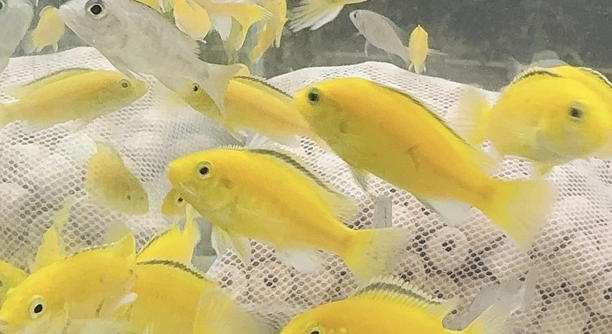
African cichlids are popular freshwater fish admired for their vibrant colors and lively behavior. Many people keep them as pets and want to ensure they live in the best possible environment. One common concern is whether these fish need a heater to thrive.
African cichlids can live without a heater if the room temperature remains stable between 74°F and 82°F. They are native to warm waters but can tolerate slight temperature fluctuations within this range without harm. Consistent temperature control is important for their health and well-being.
Knowing how to maintain proper conditions will help you provide a safe home for your cichlids and keep them healthy for years.
Temperature Needs of African Cichlids
African cichlids come from lakes in Africa where the water temperature stays fairly steady. These fish prefer warmer water, usually between 74°F and 82°F. If the temperature goes too low or too high, it can stress them out and affect their health. In a home aquarium, room temperature can sometimes meet their needs if it stays consistent. However, if your house gets cold in the winter or hot in the summer, the water temperature can change too much. That’s when a heater becomes important. Using a heater helps keep the water stable, which reduces stress on the fish. It also helps their metabolism and immune system work properly. Without a heater in fluctuating temperatures, cichlids may become weak and prone to illness. Monitoring the tank temperature with a reliable thermometer is an easy way to make sure your fish stay comfortable and healthy all year round.
A stable temperature range is key to keeping African cichlids healthy in your aquarium.
Keeping the temperature steady prevents stress, improves their immune response, and supports normal behavior in African cichlids. This stability also helps them grow and breed well, which is important if you want a thriving tank. If you notice any sudden changes in behavior, such as hiding or loss of appetite, it may be linked to temperature shifts. Regularly checking the water temperature helps catch problems early. If your environment isn’t stable, investing in a quality heater with a thermostat is the best way to protect your fish. Proper temperature control makes your aquarium a safe and comfortable home for your cichlids.
When You Can Skip the Heater
If your home temperature stays warm and stable, a heater may not be necessary. African cichlids can handle normal room temperature if it doesn’t drop below 74°F. In some warmer climates, this is possible year-round. In these cases, you still need to keep an eye on the tank temperature regularly. Sudden drops or rises can happen even if the room feels comfortable. Without a heater, using a thermometer is essential to avoid surprises. Keep your aquarium away from windows, air vents, or places with drafts that cause temperature changes. Also, consider the species of cichlids you have; some are more sensitive than others. If you live in a temperate area with mild winters, you might find that your cichlids do fine without additional heating.
In cooler or more variable climates, a heater is usually necessary for the health of African cichlids.
Using a heater is a simple way to maintain stable water temperature when the environment changes seasonally or daily. Many aquarium heaters have built-in thermostats, which turn the heater on and off to keep the water steady. This reduces stress on the fish and creates ideal living conditions. If your home temperature varies widely or drops below 74°F, a heater will prevent dangerous temperature swings. It also supports their immune system and keeps them active and healthy. Installing a heater is a small effort that can make a big difference in your cichlids’ well-being, especially during colder months. Proper temperature control gives you peace of mind and helps your fish thrive in a balanced environment.
Tank Setup and Environment
African cichlids need a clean tank with stable water conditions. Proper filtration and regular water changes are essential to keep the environment healthy. The tank should mimic their natural habitat with rocks and hiding spots.
Good filtration helps maintain water quality by removing waste and toxins. It prevents harmful ammonia and nitrite buildup, which can stress or harm your fish. Rocks and caves provide shelter and reduce aggression among cichlids. Proper lighting is also important but avoid strong direct sunlight, which can cause algae growth. Regular water changes, about 20% weekly, help keep the tank clean and maintain mineral balance. Testing water parameters like pH and hardness is crucial since African cichlids prefer alkaline and hard water. A balanced environment supports their health and natural behavior.
Keeping the tank environment stable includes monitoring water temperature, pH, and cleanliness. Together, these factors ensure your cichlids thrive and display their vibrant colors.
Maintaining the right tank setup also means controlling decorations and substrate. Sand or fine gravel is better for African cichlids because they like to dig. Sharp substrates can injure them. Avoid overcrowding the tank, as it causes stress and aggression. Giving each fish enough space helps them stay active and healthy. Balanced tank conditions reduce the risk of disease and improve overall fish well-being. Proper care and environment setup create a happy, long-lasting home for your African cichlids.
Choosing the Right Heater
Choosing a heater with a thermostat is important for African cichlids. It automatically regulates temperature, preventing overheating or cooling. Look for one sized correctly for your tank volume.
Heaters come in different wattages, and selecting the right one depends on your tank size. A small heater might not keep larger tanks warm enough, while a too-powerful heater could cause temperature spikes. For example, a 50-watt heater is suitable for tanks up to 20 gallons, while a 100-watt heater works well for tanks between 20 and 40 gallons. Digital heaters offer precise temperature control and quick adjustments. Make sure to place the heater where water circulation is good for even heat distribution. Safety features, such as automatic shutoff in case of overheating, add extra protection for your fish. Selecting the right heater improves tank stability and reduces risks to your cichlids’ health.
Monitoring Water Temperature
Keeping a reliable thermometer in the tank is essential. It helps you track temperature changes and ensures your heater works properly.
Regular checks prevent sudden drops or spikes in temperature. This keeps your cichlids comfortable and healthy, reducing stress-related illnesses.
Signs of Temperature Stress in African Cichlids
When the water temperature is too low or too high, cichlids may become lethargic or hide more often. Loss of appetite and unusual swimming patterns are also common signs. Watching for these behaviors helps catch problems early before health worsens.
Heater Maintenance Tips
Clean your heater regularly to remove algae or mineral buildup. This keeps it efficient and prolongs its life.
Alternative Heating Methods
In mild climates, using aquarium insulation or placing the tank away from drafts can help maintain temperature without a heater.
FAQ
Can African cichlids survive in room temperature without a heater?
Yes, African cichlids can survive in room temperature if it stays within their preferred range of about 74°F to 82°F. However, this depends on how stable the temperature is. Sudden drops below 74°F or spikes above 82°F can stress or harm them. If your home temperature stays fairly steady, a heater might not be necessary. But in places with colder winters or fluctuating temperatures, a heater helps keep the water stable and the fish healthy.
What is the best temperature range for African cichlids?
The ideal temperature range is between 74°F and 82°F. This range mimics their natural habitat in African lakes. Temperatures lower than 74°F slow their metabolism and can weaken their immune system. Temperatures higher than 82°F may increase their metabolism too much and reduce oxygen levels in the water, which can be dangerous. Keeping the water within this range supports their growth, activity, and coloration.
How do I know if my African cichlids are too cold?
Signs your cichlids might be too cold include lethargy, loss of appetite, hiding, and slower swimming. They may also become more prone to illness because their immune system weakens in cooler water. If you notice these behaviors, check your water temperature immediately. Using a reliable aquarium thermometer is the easiest way to track this. If the temperature is below 74°F, consider adding a heater or improving insulation.
Is it harmful if the temperature changes suddenly?
Yes, sudden temperature changes cause stress to African cichlids. Stress weakens their immune system and makes them vulnerable to diseases. It can also cause shock, leading to death in severe cases. Gradual temperature changes are less harmful, but it is best to maintain a stable environment. Avoid placing the tank near windows, air conditioners, or heaters that cause quick temperature swings.
Can I use a regular room heater instead of an aquarium heater?
Using a regular room heater is not a good substitute. Room heaters warm the air, not the water directly, so tank temperature can remain unstable. Aquarium heaters are designed to heat the water evenly and maintain a precise temperature. They also have thermostats to prevent overheating, which protects your fish. A room heater cannot offer this level of control or safety.
How often should I check my aquarium temperature?
Check your aquarium temperature daily or at least every few days. Regular checks help catch problems early, especially if you do not use a heater or if your home temperature varies. Monitoring ensures your fish live in a stable environment, reducing stress and illness risk. If you use a heater, check it frequently to confirm it is working properly.
What type of heater is best for African cichlids?
A heater with a built-in thermostat is best. It automatically adjusts to keep water within your chosen temperature range. Choose a heater sized for your tank volume—too small won’t heat enough, too big risks overheating. Digital heaters offer precise control and are easy to set. Look for heaters with safety features like automatic shutoff in case of overheating.
How can I keep my tank temperature stable without a heater?
If your climate is mild and the room temperature is stable, you can reduce temperature swings by insulating your tank with foam or blankets around the sides. Avoid placing the tank near drafts, windows, or heating vents. Use thicker glass tanks if possible, as they hold temperature better. However, these methods only work if room temperature stays within the cichlids’ preferred range.
What happens if the water gets too hot?
If water temperature rises above 82°F, oxygen levels drop, making it hard for fish to breathe. High temperatures also speed up metabolism, which can cause stress and shorten their lifespan. Signs of overheating include rapid gill movement, gasping at the surface, and erratic swimming. If your tank overheats, try cooling it down with a fan or air conditioner, and check your heater settings.
Can African cichlids adapt to temperature changes?
They can tolerate small, slow changes but do not adapt well to frequent or sudden shifts. Consistent temperature is important for their health and breeding. Sudden changes cause stress and weaken their immune system, making them vulnerable to diseases. Keeping the temperature stable helps them live longer and stay vibrant.
Is it necessary to acclimate African cichlids to a new temperature?
Yes, acclimating fish to new water conditions, including temperature, reduces shock. When introducing cichlids to a new tank, slowly adjust the water temperature by mixing tank water with the water in their transport container. This gradual change prevents stress and improves their chances of thriving in the new environment.
How do I maintain heater safety in my tank?
Place the heater where water flow is good to distribute heat evenly. Secure it properly to avoid contact with fish or decorations. Regularly inspect the heater for cracks or damage. Avoid turning it on or off too often, as this can cause electrical issues. Using a heater guard protects fish from burns.
Can temperature affect cichlid breeding?
Yes, temperature influences breeding behavior. Warmer water near 78°F to 82°F encourages spawning and egg development. Too cold or unstable temperatures can delay or prevent breeding. Keeping the tank stable supports healthy fry development and higher survival rates.
Are there specific cichlid species that need different temperatures?
Most African cichlids prefer the 74°F to 82°F range, but some species have slight preferences. For example, Lake Tanganyika cichlids may tolerate slightly cooler water, while Lake Malawi species often prefer the warmer end of the range. Research your specific species to meet their temperature needs precisely.
What should I do if my heater fails suddenly?
If your heater stops working, quickly check the temperature with a thermometer. If it’s dropping, consider using a temporary heat source like warm towels or a portable heater near the tank. Replace or repair the broken heater immediately to avoid harming your fish. Keeping a backup heater on hand is a good precaution.
African cichlids are beautiful and active fish that need a stable and comfortable environment to stay healthy. Temperature plays an important role in their well-being because it affects their metabolism, immune system, and behavior. While these fish can survive in room temperatures that stay within their preferred range of 74°F to 82°F, it is not always easy to keep the water steady without a heater. Fluctuations in temperature can cause stress, which may lead to illness or even death. Therefore, understanding the importance of maintaining a consistent temperature is key to caring for African cichlids properly.
In some cases, if the room temperature remains stable and warm, a heater may not be necessary. This is more common in warmer climates or during certain seasons. However, many fish owners live in places where temperatures change daily or seasonally, making a heater a practical and often necessary investment. Aquarium heaters designed for fish tanks are built to maintain the right temperature safely and reliably. They have thermostats to control the heat and prevent it from going too high. Keeping a thermometer in the tank helps monitor the temperature and ensures the heater is working well. If you notice any signs of stress in your fish, checking the water temperature is a good first step.
Besides temperature control, other factors like clean water, proper filtration, and a well-set tank environment are important for your African cichlids’ health. Good tank maintenance combined with steady water temperature creates the best conditions for your fish to thrive. Whether you choose to use a heater or not, regularly monitoring your aquarium’s environment will help you catch problems early and keep your cichlids active and colorful. Taking these simple steps helps you enjoy your fish for many years and provides them with a safe and comfortable home.

Hello,
If you enjoy the content that we create, please consider saying a "Thank You!" by leaving a tip.
Every little bit helps us continue crafting quality advice that supports the health, happiness, and well-being of pets around the world, for pets of all shapes, sizes, and species.
We really appreciate the kindness and support that you show us!