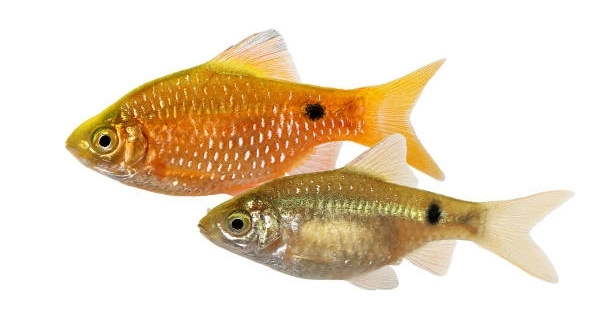
Can Rosy Barbs Pick a Favorite Tankmate?
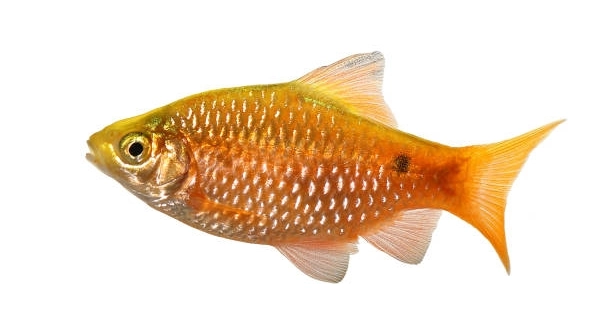
Have you ever watched your rosy barbs swim around and wondered if they actually prefer the company of certain fish over others? Rosy barbs can show preference toward specific tankmates, especially when kept in a stable, well-balanced environment. These social fish often interact more with compatible species, forming loose group behaviors based on comfort, safety, … Read more
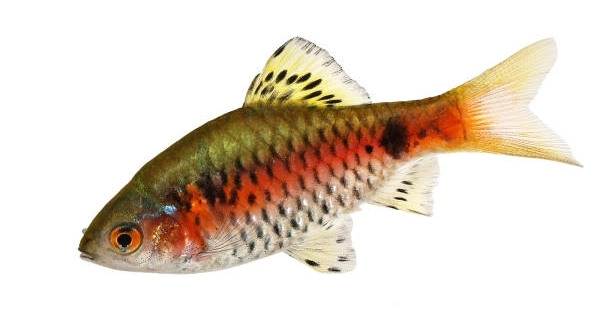
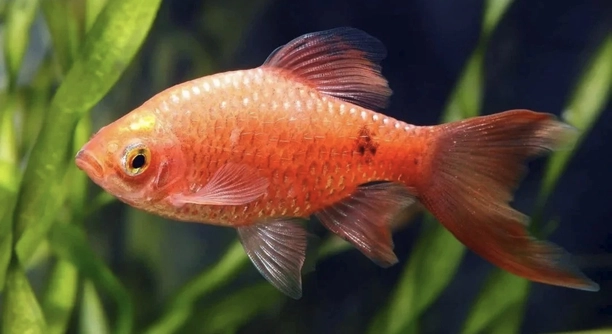
7 Signs of Hormonal Changes in Rosy Barbs

Rosy barbs are popular freshwater fish known for their vibrant colors and lively behavior. Like many fish, they experience hormonal changes that can affect their appearance and actions. Recognizing these signs is important for proper care. Hormonal changes in rosy barbs often manifest through shifts in coloration, behavior, and breeding activity. These signs include increased … Read more

Why Did My Rosy Barb Stop Moving Suddenly?

Rosy barbs are lively fish that bring color and movement to home aquariums. Sometimes, these fish suddenly stop moving, which can be concerning for their caretakers. Understanding the reasons behind this behavior can help maintain a healthy environment for them. The sudden immobility of a rosy barb is commonly caused by stress, illness, or poor … Read more

Do Rosy Barbs Need a Tank Light at Night?

Rosy Barbs are popular aquarium fish that many enjoy keeping at home. Their care often raises questions, especially about their environment during nighttime. Proper lighting can influence their behavior and overall health in the tank. Rosy Barbs do not require a tank light at night, as they naturally rest in darkness. Continuous light can cause … Read more

7 Easy Tank Additions Rosy Barbs Enjoy

Rosy barbs are popular freshwater fish known for their bright colors and active behavior. Many aquarium owners enjoy creating a lively environment that suits their needs. Adding compatible tank mates can enhance both the look and harmony of the aquarium. Seven easy tank additions that rosy barbs enjoy include small, peaceful fish and invertebrates that … Read more

How Many Rosy Barbs Should Be Kept Together?

Rosy barbs are popular freshwater fish often kept in home aquariums for their lively colors and active behavior. Many fishkeepers enjoy watching these schooling fish interact and thrive in groups. Knowing how many to keep together helps create a healthy environment. The ideal group size for rosy barbs is at least six individuals to promote … Read more

7 Things Rosy Barbs Do That Confuse Beginners

Rosy barbs are popular freshwater fish known for their bright colors and active behavior. Many beginners enjoy keeping them but often find their actions puzzling or unexpected. Understanding these behaviors can make caring for rosy barbs easier and more enjoyable. Rosy barbs display several behaviors that commonly confuse beginners, such as frequent darting, fin nipping, … Read more

7 Colors Rosy Barbs Respond to the Most

Rosy barbs are colorful, active fish popular in many home aquariums. Their vibrant behavior and responses to colors make them interesting to observe. Understanding which colors they react to can enhance your aquarium experience. Rosy barbs respond most strongly to red, orange, yellow, green, blue, violet, and white colors. These colors stimulate their natural instincts, … Read more

Why Is My Rosy Barb Breathing at the Surface?

Is your rosy barb spending a lot of time breathing at the surface of the water? This behavior can be worrying for fish owners who want their pets to stay healthy and happy. Understanding why it happens is important for proper care. Rosy barbs breathe at the surface mainly because of low oxygen levels in … Read more

7 Enrichment Ideas for Rosy Barb Tanks

Rosy barbs are lively fish that benefit from a well-stimulated environment. Their tanks need more than just water and food to keep them active and healthy. Enrichment can improve their behavior and overall well-being. Providing enrichment for rosy barb tanks involves adding plants, hiding spots, varied decorations, and interactive elements. These features encourage natural behaviors, … Read more