
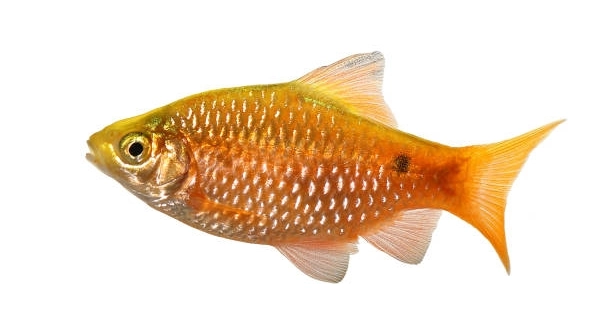
Have you ever watched your rosy barbs swim around and wondered if they actually prefer the company of certain fish over others?
Rosy barbs can show preference toward specific tankmates, especially when kept in a stable, well-balanced environment. These social fish often interact more with compatible species, forming loose group behaviors based on comfort, safety, and shared activity levels.
Learning which fish pair best with rosy barbs can make your aquarium more peaceful and enjoyable for both you and your fish.
What Influences Rosy Barb Social Behavior
Rosy barbs are naturally active and social fish. They thrive in groups and feel more secure when surrounded by others. Their behavior can shift depending on tank conditions, group size, and the types of fish they live with. In a balanced setup, they are playful and interactive, often forming temporary schooling patterns. The number of rosy barbs you keep matters, too. A group of at least five helps reduce stress and promotes natural behaviors. When they’re in a comfortable setting, they may start showing signs of preferring certain tankmates, especially ones with similar activity levels and size. Calm, slow-moving fish may be ignored or even irritated by the barbs’ energetic swimming. Aggressive species can also disrupt their peaceful nature. Watching how they interact can help you understand who they feel most relaxed with. They aren’t likely to bond deeply, but they do recognize familiar movement and routines in their tankmates.
Their comfort level and daily interactions are shaped by who they live with and how peaceful their environment is.
Choosing tankmates with similar energy levels helps rosy barbs settle into a rhythm. They’re more at ease when they’re not chasing or being chased.
Choosing the Right Tankmates
Not every species gets along with rosy barbs. These fish need companions who match their pace and temperament.
Peaceful mid-sized species are usually the best match. Fish like zebra danios, cherry barbs, and some types of rasboras are great choices. These species are similarly active, so no one feels overwhelmed or left out. Avoid long-finned, slow-moving fish like angelfish or bettas. Rosy barbs may nip at flowing fins out of curiosity or boredom. Aggressive or territorial fish can cause stress and ruin the peaceful setup. Before adding new species, make sure your tank is large enough to support more fish without overcrowding. Consider how much space each fish needs to swim comfortably. Water conditions should stay consistent across species, especially temperature and pH levels. It’s also important to feed everyone properly—competition during feeding times can lead to aggression or bullying. Watching your fish interact over time will show which combinations work well. A well-matched tank allows rosy barbs to behave naturally and comfortably.
How to Tell If Your Rosy Barb Likes a Tankmate
Rosy barbs that enjoy certain tankmates often swim near them and follow their movements calmly. They may eat beside them, rest in similar spots, and show less stress-related behavior like hiding or darting around.
Watch how your rosy barbs behave throughout the day. If they swim smoothly beside another fish without chasing, it’s a sign of comfort. Shared hiding areas or resting near each other often shows peaceful cohabitation. They may even mimic each other’s swimming patterns. If the other fish is calm and responds positively, it’s usually a good match. However, if there’s nipping, tail chasing, or visible stress like clamped fins, then the pair might not be compatible. Rosy barbs also show more vivid colors when relaxed and comfortable. A dull or faded color can suggest something’s off. Behavior changes usually happen gradually, so take your time observing them regularly.
Feeding time also tells a lot. Rosy barbs that feel safe around specific tankmates won’t rush or act overly competitive. If both fish feed peacefully without bumping into each other or stealing food, it’s a good sign. Tankmates that compete or cause the barbs to dart away during feeding are likely causing tension or discomfort.
When Pairings Go Wrong
Rosy barbs that don’t get along with tankmates often become aggressive or withdrawn. You might notice them chasing, fin-nipping, or hiding for long periods. This usually means they feel threatened or are reacting to stress.
Problems often come from mismatched temperaments or limited space. Rosy barbs are fast swimmers, and when paired with slow-moving or long-finned species, they may become nippy or impatient. If the tank is too small, fish may bump into each other too often, leading to conflict. Overcrowding also raises stress levels and encourages territorial behavior. When a rosy barb feels stressed, it may hide constantly, lose color, or stop eating. Pay attention to physical signs like torn fins or bite marks. If aggression becomes regular, it’s best to separate the fish or rethink your tank layout. Adding plants or decorations can create more space and reduce tension. Always observe new pairings closely during the first week.
Tips for Encouraging Positive Interactions
Keep at least five rosy barbs together to help them feel secure and less focused on other species. This reduces unwanted chasing or fin-nipping and encourages natural group behaviors.
Use a spacious tank with plants and decorations to break sight lines. This gives fish room to escape and prevents territory issues.
Signs It’s Time to Rehome a Tankmate
If a fish is constantly being chased, hiding, or shows signs of injury, it may be best to separate them. Continued stress can weaken the immune system and lead to illness. Remove aggressive fish or incompatible species and monitor the barbs’ behavior afterward. Sometimes, just moving the tank layout helps.
Final Thoughts on Rosy Barb Pairings
Compatibility depends on space, group size, and personality. Observation and small changes can help create a peaceful tank where rosy barbs thrive.
FAQ
Do rosy barbs need to be kept in groups?
Yes, rosy barbs are schooling fish and should be kept in groups of at least five. When kept alone or in pairs, they often become stressed or aggressive. Being part of a group helps them feel secure and encourages more natural behavior. It also reduces their focus on other fish in the tank. If kept in too small a group, they may chase or nip at other species out of boredom or anxiety. A larger group spreads out their energy and creates a more peaceful tank environment.
Can rosy barbs live with slow-moving fish like angelfish?
No, rosy barbs are not ideal tankmates for slow-moving or long-finned fish like angelfish or bettas. Their active swimming and occasional fin-nipping can cause stress or injury to slower species. Even if they don’t show aggression at first, they may start chasing or bothering slower tankmates over time. It’s better to pair them with fish that can match their energy level. Zebra danios or similar mid-sized fish are a better fit. Keeping tankmates with similar activity levels helps maintain a calm and balanced aquarium.
Why do my rosy barbs chase each other so much?
Chasing among rosy barbs is usually normal and part of their playful social behavior. However, if it becomes constant or aggressive, it may be a sign of stress, overcrowding, or an unbalanced group size. Keeping too few barbs can cause them to pick on one another or on other tankmates. Always provide plenty of swimming space and some hiding areas to help them spread out and relax. Watching for signs of injury or stress can help you know when it’s playful behavior and when it’s something more serious.
Do rosy barbs have a favorite tankmate?
They don’t form emotional bonds like mammals, but they can become more comfortable around certain fish. You may notice them swimming closely with specific tankmates or spending more time near them. This usually means the tankmate has a similar energy level or doesn’t pose a threat. Rosy barbs may avoid fish that act aggressively or move too slowly. Their comfort around certain fish often develops from shared routines and peaceful interactions, rather than attachment. Watching how they interact over time will help you spot positive connections.
What size tank is best for rosy barbs and tankmates?
A 30-gallon tank is the minimum recommended size for a small group of rosy barbs and a few tankmates. If you plan to keep a larger group or add more species, a 40- to 55-gallon tank offers more room and helps reduce tension. Rosy barbs need horizontal swimming space and benefit from longer tanks. Crowded tanks can lead to stress, aggression, and health problems. Adding plants, rocks, or decorations gives fish places to hide and rest, which helps balance out social interactions and improves the tank’s overall health.
Can I keep rosy barbs with bottom-dwellers?
Yes, rosy barbs usually do well with peaceful bottom-dwellers like cory catfish or kuhli loaches. Since they occupy different areas of the tank, there is less chance of conflict. Just make sure the tank is large enough and has enough hiding places for all species. Avoid pairing them with bottom-dwellers that are aggressive or very slow-moving. Keep an eye on behavior during feeding times to ensure no one is being bullied or left out. This setup can work well as long as each species has space and comfort.
How can I reduce aggression between rosy barbs and tankmates?
Start by keeping a group of at least five rosy barbs, as this reduces their focus on other fish. Make sure the tank is spacious and has decorations to break up sightlines. Choose tankmates with similar swimming speeds and temperaments. Avoid long-finned or very slow fish. Feed your fish evenly and watch their interactions. If signs of stress or injury appear, separate the aggressive fish or rearrange the tank to reduce territorial behavior. Simple changes often improve how fish interact. Observation helps prevent issues from becoming serious.
Final Thoughts
Rosy barbs are active, social fish that do best when living with the right companions. While they don’t form deep emotional bonds, they can show clear preferences for certain tankmates based on comfort, behavior, and shared activity levels. When kept in groups and given enough space, they tend to behave more peacefully. Watching how they interact with others over time helps you understand which fish they feel most at ease around. These signs include swimming calmly near certain fish, eating without competition, and showing less stress overall. Compatibility plays a big role in keeping a calm, healthy tank environment.
Choosing the right tankmates for your rosy barbs is not only about personality—it also involves space, water conditions, and tank layout. Fish that swim at a similar pace and don’t have long fins are often better suited. Mid-sized, peaceful species like danios or some rasboras tend to be a good match. Avoid keeping rosy barbs with aggressive, territorial, or very slow-moving fish. The layout of the tank also affects how fish interact. Adding plants, rocks, and other decorations helps break up the space and gives each fish a chance to rest or hide when needed. These simple details make a difference.
It’s important to keep watching your fish after introducing new tankmates. Some pairings that seem fine at first may become stressful later. Early signs of trouble include chasing, nipping, or hiding. If this happens, it’s a good idea to separate the fish or adjust the tank layout. Even small changes, like rearranging decorations, can reduce tension. Creating a peaceful tank is not about luck—it’s about making thoughtful choices and observing how your fish respond. Rosy barbs are hardy, adaptable fish, and with the right care and tank setup, they can get along well with others. Their behavior becomes more natural and relaxed when they feel safe, and that’s when their true personality comes through.

Hello,
If you enjoy the content that we create, please consider saying a "Thank You!" by leaving a tip.
Every little bit helps us continue crafting quality advice that supports the health, happiness, and well-being of pets around the world, for pets of all shapes, sizes, and species.
We really appreciate the kindness and support that you show us!