
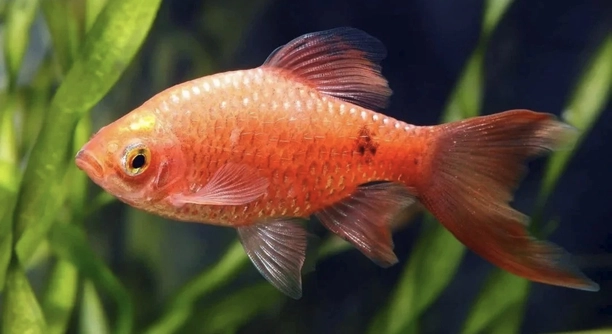
Rosy barbs are lively fish that bring color and movement to home aquariums. Sometimes, these fish suddenly stop moving, which can be concerning for their caretakers. Understanding the reasons behind this behavior can help maintain a healthy environment for them.
The sudden immobility of a rosy barb is commonly caused by stress, illness, or poor water conditions. Environmental changes, infections, or lack of oxygen can disrupt their normal activity, requiring immediate attention to prevent further health decline.
Knowing the common causes of this behavior will help you act quickly and keep your fish healthy and comfortable in their tank.
Common Causes of Sudden Immobility in Rosy Barbs
Rosy barbs may suddenly stop moving due to various factors affecting their health and comfort. One common cause is poor water quality, which stresses the fish and affects their breathing. High ammonia, nitrite, or nitrate levels in the tank can quickly make them lethargic. Sudden changes in water temperature or pH also disturb their environment. Another factor is illness, including bacterial, fungal, or parasitic infections that weaken the fish. Stress from overcrowding, aggressive tank mates, or lack of hiding spots can cause similar behavior. Sometimes, a lack of oxygen in the water, especially in tanks without adequate aeration or filtration, leads to this problem. Keeping the tank clean, stable, and well-aerated is essential to prevent these issues and keep rosy barbs active.
Maintaining stable water conditions and avoiding overcrowding can significantly reduce sudden immobility episodes in rosy barbs.
The best approach is regular water testing and partial water changes. Check for signs of illness such as faded color, clamped fins, or unusual spots. Make sure the tank size fits the number of fish, and provide hiding places to reduce stress. Aerate the water properly and avoid sudden changes in water parameters. Monitoring their behavior daily helps detect problems early, making treatment easier. A calm, clean environment supports their health and activity.
How to Respond When Your Rosy Barb Stops Moving
When you notice your rosy barb has stopped moving suddenly, immediate steps are needed to identify and fix the problem. First, test the water for ammonia, nitrite, nitrate, pH, and temperature. If any of these are off, correct them gradually. Remove any aggressive fish or overcrowding. Check the fish for visible signs of disease and isolate it if necessary. Improve aeration to ensure enough oxygen is in the water. Performing a partial water change can also help reduce toxins and stress. Avoid feeding until the fish shows signs of improvement. If the fish does not recover within a day or two, consider consulting a veterinarian or aquatic specialist for proper diagnosis and treatment.
Taking these quick actions can save your fish and restore normal behavior.
Understanding how to react promptly and effectively can prevent lasting damage. Regular maintenance and observation are key to avoiding future incidents. Keep water parameters stable and avoid sudden environmental changes. Providing a balanced diet supports immune health, helping fish resist infections. When disease is suspected, treat with appropriate medication and isolate affected fish to prevent spread. Keeping a well-maintained tank reduces the chances of your rosy barb suddenly stopping movement and ensures a happier, healthier aquarium.
Recognizing Signs of Stress in Rosy Barbs
Stress in rosy barbs can show through changes in behavior and appearance. They may stop swimming, hide more often, or lose their bright colors. Other signs include rapid gill movement and clamped fins.
Stress weakens the fish’s immune system, making them more vulnerable to diseases. Causes often include poor water quality, aggressive tank mates, or overcrowding. Sudden changes in their environment, like temperature shifts or loud noises, also contribute. Noticing these signs early allows you to adjust the tank conditions or separate stressed fish, improving their chances of recovery.
Avoiding stress means maintaining a calm, stable environment. Regular water tests and gentle handling help keep your rosy barbs comfortable. Proper tank size and compatible companions reduce tension. Stress management is essential for their overall well-being and longevity in your aquarium.
The Role of Water Quality in Fish Health
Water quality directly impacts the health and activity of rosy barbs. High levels of ammonia, nitrites, and nitrates create toxic conditions that can cause sudden immobility. pH imbalances and temperature fluctuations also harm fish, making the tank inhospitable.
Regular water testing is necessary to catch problems early. Partial water changes help dilute toxins and restore balance. Using a reliable filter and maintaining it properly ensures good oxygen levels and waste removal. Stable water parameters reduce stress and prevent diseases, keeping rosy barbs active and healthy.
Investing time in water care benefits all tank inhabitants. Clean, balanced water supports immune function and promotes natural behavior. Consistent monitoring prevents sudden health declines and creates a thriving environment for your fish.
Preventing Illness in Rosy Barbs
Preventing illness starts with keeping the tank clean and water parameters stable. Avoid overfeeding and remove uneaten food promptly to reduce waste buildup.
Quarantining new fish before adding them to the tank helps stop the spread of diseases. Early detection and good care keep rosy barbs healthy.
Common Diseases That Cause Immobility
Bacterial infections, such as fin rot or dropsy, often cause lethargy and immobility in rosy barbs. Parasites like ich also affect their movement. Fungal infections may appear as white patches and cause discomfort. Treatment depends on accurate diagnosis and timely intervention. Keeping the tank clean reduces disease risk.
Importance of Proper Tank Setup
A properly set-up tank supports the health and activity of rosy barbs. Appropriate size, filtration, and aeration are essential to create a stable environment that mimics their natural habitat.
When to Seek Professional Help
If your rosy barb’s condition worsens despite your efforts, consulting an aquatic veterinarian or specialist is necessary. Early professional care can prevent severe health issues.
FAQ
Why did my rosy barb suddenly stop moving?
Sudden immobility in rosy barbs usually results from stress, illness, or poor water conditions. Changes in temperature, water chemistry, or overcrowding can cause this behavior. Infections or parasites might also be responsible. Identifying and correcting these issues quickly is important to prevent worsening health.
How can I improve water quality for my rosy barb?
Regular testing of ammonia, nitrite, nitrate, pH, and temperature is essential. Perform partial water changes weekly to reduce toxins. Use a quality filter and clean it regularly to maintain oxygen levels. Avoid overfeeding, and remove leftover food to prevent waste buildup.
What signs indicate my rosy barb is sick?
Look for faded colors, clamped fins, erratic swimming, rapid gill movement, or spots and patches on the body. Loss of appetite and hiding behavior are also common. These signs require prompt attention to avoid severe illness.
Can stress cause my rosy barb to stop moving?
Yes. Stress weakens their immune system and can make them inactive. Common stressors include poor water conditions, aggressive tank mates, overcrowding, and sudden environmental changes. Reducing stress helps keep them healthy and active.
How do I quarantine new fish?
Set up a separate tank with similar water parameters. Keep new fish there for at least two weeks before introducing them to the main tank. This prevents the spread of diseases to your existing fish.
What diseases commonly affect rosy barbs?
Bacterial infections like fin rot and dropsy, parasitic infections such as ich, and fungal infections are frequent problems. Symptoms vary but often include lethargy, spots, or damaged fins. Early treatment improves chances of recovery.
Is tank size important for rosy barbs’ health?
Yes. Rosy barbs need enough space to swim comfortably. Overcrowded tanks cause stress and poor water quality. A minimum of 20 gallons is recommended for a small group to thrive.
How often should I clean the tank?
Partial water changes of 20-30% weekly are ideal. Clean the substrate and remove debris regularly but avoid disturbing beneficial bacteria in the filter. Proper maintenance keeps water conditions stable.
Can sudden temperature changes affect my rosy barb?
Sudden drops or rises in temperature can shock fish, causing immobility or death. Maintain stable temperature between 74°F and 78°F. Use a reliable heater and thermometer to avoid fluctuations.
What should I do if my rosy barb stops moving and won’t eat?
Check water quality immediately and correct any issues. Improve aeration and reduce stress factors. Avoid feeding for 24 hours, then offer small amounts of high-quality food. If no improvement occurs, consider professional advice.
How do I treat common infections?
Treatment depends on the infection type. Use antibacterial, antifungal, or antiparasitic medications as needed. Follow dosage instructions carefully. Isolate infected fish to prevent spreading. Maintaining good water quality supports healing.
Can diet affect my rosy barb’s activity?
Yes. A balanced diet with high-quality flakes, pellets, and occasional live or frozen food keeps them energetic. Poor nutrition weakens their immune system, making them more prone to illness and inactivity.
Why is aeration important in my tank?
Aeration increases oxygen levels in the water, which is vital for fish respiration. Poor oxygen can cause lethargy or immobility. An air pump or well-maintained filter ensures adequate aeration.
When is it time to see a vet?
If your rosy barb remains inactive for more than two days despite good water conditions and care, or shows severe symptoms like bloating, bleeding, or sudden weight loss, professional help is needed. Early diagnosis improves treatment outcomes.
Can stress from tank mates cause rosy barb to stop moving?
Aggressive or overly active fish can intimidate rosy barbs, causing them to hide or become still. Selecting compatible species and providing hiding spots reduces stress and supports normal behavior.
Final thoughts on why your rosy barb might suddenly stop moving center on understanding the many factors that influence their health and behavior. These fish are sensitive to changes in their environment, which can affect their activity levels. Water quality is one of the most important aspects to monitor. Ammonia, nitrite, and nitrate levels need to be kept low, and the temperature and pH should remain stable. Sudden changes or poor water conditions can quickly cause your fish to become inactive. Maintaining a clean tank with proper filtration and regular water changes helps keep the environment safe and comfortable for your rosy barbs.
Stress plays a significant role in fish health and can be caused by many things such as overcrowding, aggressive tank mates, or abrupt changes in the tank’s setup. When stressed, rosy barbs often become less active and may stop moving altogether. Providing enough space, choosing peaceful companions, and creating hiding places can reduce stress significantly. Observing your fish’s behavior daily allows you to catch signs of stress early. Prompt action, like adjusting the tank conditions or isolating a stressed fish, can prevent further problems and improve your fish’s overall well-being.
Lastly, illness and infection are common reasons for sudden immobility in rosy barbs. Bacterial, fungal, or parasitic infections can all lead to lethargy. Early recognition of symptoms such as faded color, clamped fins, or unusual spots is crucial. When disease is suspected, timely treatment with appropriate medication is necessary. Keeping a close eye on your fish’s behavior and health will help you address any issues quickly. Overall, careful tank maintenance, stress management, and prompt response to health changes create the best chance for your rosy barbs to stay active and thrive in your care.

Hello,
If you enjoy the content that we create, please consider saying a "Thank You!" by leaving a tip.
Every little bit helps us continue crafting quality advice that supports the health, happiness, and well-being of pets around the world, for pets of all shapes, sizes, and species.
We really appreciate the kindness and support that you show us!