
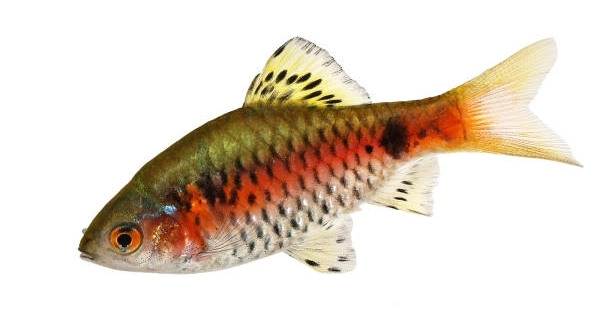
Rosy barbs are popular freshwater fish known for their vibrant colors and lively behavior. Like many fish, they experience hormonal changes that can affect their appearance and actions. Recognizing these signs is important for proper care.
Hormonal changes in rosy barbs often manifest through shifts in coloration, behavior, and breeding activity. These signs include increased aggression, swelling in the abdomen, changes in fin shape, and altered swimming patterns, which reflect natural reproductive cycles and health status.
Knowing these signs helps maintain a healthy environment for your rosy barbs. Understanding what to watch for can improve their wellbeing and your experience as an aquarium keeper.
Changes in Coloration
Rosy barbs often show noticeable color changes when their hormones shift. Males especially may develop brighter, more intense red or pink shades during breeding times. This vivid coloration helps attract females and signals readiness to mate. Sometimes, colors may fade if the fish are stressed or unhealthy. Watching for these changes can tell you a lot about their current condition. In some cases, females also show subtle shifts, but males are usually more obvious. These color shifts don’t happen all the time and usually align with the fish’s natural cycles. Being familiar with your rosy barbs’ normal colors helps you spot when something is different. Bright colors can mean good health and breeding readiness, while dullness may hint at problems. These changes are part of their natural behavior and can guide you in providing the right care.
Color changes are a clear sign that hormonal activity is influencing your rosy barbs. It’s one of the easiest signs to observe.
Noticing how your rosy barbs’ colors shift during certain periods can improve how you care for them. When their colors brighten, it’s a good time to check water quality and diet, as healthy conditions support these changes. If colors dull, it might mean stress, illness, or unsuitable water conditions. Adjusting the tank environment can help them return to their vibrant state. Recognizing these signs allows you to respond quickly, ensuring your fish stay healthy and active.
Behavioral Shifts
Behavior often changes along with hormones.
During hormonal changes, rosy barbs may become more aggressive or territorial, especially males competing for mates. You might see chasing or fin nipping increase temporarily. This behavior helps establish dominance and breeding rights within the group. Besides aggression, some barbs become more active, swimming more energetically or exploring new tank areas. Others might rest more as their bodies prepare for breeding or recovery. These shifts usually last for a short time and return to normal after breeding periods end. Paying attention to these behavior patterns can prevent unnecessary stress or injury in your tank. If aggression becomes too intense, consider separating fish or adding more hiding spots. Understanding these natural changes helps maintain harmony in your aquarium.
Recognizing these behavioral shifts allows you to manage your tank’s social dynamics better.
Managing changes in behavior requires adjusting your care routine. Providing plenty of space and hiding places reduces stress during aggressive phases. Feeding a balanced diet supports their energy needs during active periods. Regular water changes and stable conditions also help keep behavior in check. If you notice prolonged aggression or lethargy, testing water parameters is important. Sometimes health issues can mimic hormonal behavior changes. Keeping the environment stable and observing fish closely ensures their comfort and safety. This attention helps your rosy barbs thrive through their natural hormonal cycles without harm.
Swelling and Physical Changes
Swelling in the abdomen is a common sign of hormonal changes, especially in female rosy barbs preparing to lay eggs. This swelling is a natural part of their reproductive cycle and indicates that they are healthy and ready to breed.
This physical change occurs as the eggs develop inside the female. The swelling may cause the fish’s body to appear rounder or fuller than usual. While it is natural, too much swelling or bloating can sometimes signal health problems like dropsy or infections. It is important to observe if the swelling is firm or soft, and if the fish shows other symptoms such as lethargy or loss of appetite. Keeping the tank clean and maintaining proper water conditions can help reduce risks.
In males, physical changes might include slightly thicker bodies or more pronounced fins during breeding times. These changes support their mating behavior and competition with other males. Watching for these signs helps you know when breeding is near and allows you to prepare the tank accordingly. Providing plants or spawning sites can make the environment more comfortable for egg laying.
Changes in Fin Appearance
Fins often change shape or size during hormonal shifts. Male rosy barbs may grow longer or more pointed fins, which they use to attract females and assert dominance. These changes are temporary but noticeable.
Fin changes occur as part of the fish’s natural breeding behavior. Longer, more vibrant fins signal health and readiness to mate. Sometimes, hormonal changes can also cause fins to look frayed or damaged due to increased activity or aggression. Regular water checks and gentle tank mates help keep fins healthy. Avoid overcrowding, which can worsen fin damage.
Monitoring fin appearance provides clues about your fish’s hormonal state and overall wellbeing. Proper care during these periods supports recovery and maintains their bright, attractive fins.
Altered Swimming Patterns
Hormonal changes can cause rosy barbs to swim differently. They might become more restless or swim in short bursts, especially during breeding times. These changes are natural and linked to increased energy or mating behavior.
Sometimes, they may also stay near the surface or hide more often. This behavior can signal mood shifts related to hormones or stress in the tank environment.
Increased Appetite
During hormonal changes, rosy barbs often eat more. This increased appetite supports their energy needs for breeding and physical changes. Offering a varied diet rich in nutrients helps them stay healthy through this period.
Resting More Often
Rosy barbs may rest more frequently during hormonal shifts. This behavior helps them conserve energy and recover after active breeding phases or physical changes. Allowing quiet spaces in the tank supports this natural rest period.
What causes hormonal changes in rosy barbs?
Hormonal changes in rosy barbs are mostly linked to their natural reproductive cycles. As they mature and prepare to breed, their bodies release hormones that trigger physical and behavioral changes. Factors like water temperature, daylight length, and tank environment can influence these hormonal shifts. Stress or poor water quality may also affect hormone levels, sometimes causing irregular or prolonged changes.
How long do hormonal changes last?
The duration of hormonal changes varies but usually lasts a few weeks during breeding seasons. Males and females experience these changes differently, with males showing bright colors and active behavior for shorter bursts. Females may show swelling and appetite changes for longer periods as eggs develop. After breeding, hormone levels return to normal, and signs gradually fade.
Are hormonal changes harmful to rosy barbs?
Most hormonal changes are natural and not harmful. They indicate that your fish are healthy and ready to reproduce. However, if signs like swelling become extreme or behavior turns aggressive for too long, it could signal stress or illness. Regular water changes, balanced diet, and proper tank care minimize risks.
Can I prevent hormonal changes?
Preventing hormonal changes entirely isn’t possible because they are part of the fish’s life cycle. You can reduce stress by keeping stable water conditions, maintaining a balanced diet, and avoiding overcrowding. These steps help your fish handle hormonal shifts more comfortably and keep the tank peaceful.
How do I care for rosy barbs during hormonal changes?
Provide plenty of hiding places and space to reduce stress from increased aggression or activity. Monitor water quality closely, as fish are more sensitive during these times. Feed nutritious foods to support energy needs. If aggression rises, consider temporary separation or adding more tank mates to spread out territorial behavior.
What should I do if a rosy barb looks swollen?
Swelling can be a normal sign in females preparing to spawn. If swelling is firm and the fish remains active, it’s likely harmless. Watch for other symptoms like lethargy, loss of appetite, or unusual swimming. If these appear, test water quality and consider consulting a vet for possible infections or health issues.
Why do rosy barbs change color during hormonal shifts?
Color changes help fish communicate readiness to mate and establish dominance. Bright colors attract partners and warn rivals. These shifts are controlled by hormones and show good health. If colors fade instead, it might mean stress, illness, or poor water conditions.
Can hormonal changes affect tank mates?
Yes, hormonal changes, especially increased aggression in males, can stress other fish. Fin nipping and chasing may increase temporarily. Providing enough space and hiding spots helps reduce conflicts. Monitor your tank closely and separate overly aggressive fish if needed.
When should I seek help for my rosy barbs?
If hormonal signs last too long or worsen—like severe swelling, constant aggression, or lethargy—it’s time to check water parameters and seek advice. Persistent problems could indicate illness rather than normal hormonal behavior. Early intervention helps prevent bigger health issues.
Do environmental changes trigger hormonal shifts?
Yes, changes in water temperature, lighting, or tank setup can trigger hormonal responses. These changes simulate natural breeding seasons, encouraging fish to reproduce. Keeping consistent conditions can help manage when these shifts occur and avoid stress from sudden changes.
Understanding hormonal changes in rosy barbs is important for anyone who keeps these fish in an aquarium. These changes are a natural part of their life cycle and show that the fish are growing and ready to reproduce. By recognizing signs such as color shifts, changes in behavior, or physical swelling, you can better care for your rosy barbs and create an environment that supports their health. These signs should not cause worry unless they are extreme or come with other symptoms, like illness or stress.
Caring for rosy barbs during hormonal changes means paying closer attention to their needs. Making sure the water is clean and stable helps reduce stress. Providing a good diet supports their energy and helps them recover from active phases. It is also helpful to offer plenty of hiding spots and enough space, especially when males become more aggressive or territorial. Watching your fish regularly will help you spot any problems early and take action to keep your aquarium peaceful and healthy.
In the end, hormonal changes are a normal and expected part of keeping rosy barbs. These shifts give you clues about their health and breeding readiness. Being aware of these signs allows you to respond with proper care and attention, improving the wellbeing of your fish. With the right environment and care, your rosy barbs can thrive and show their beautiful colors and lively behavior for a long time.

Hello,
If you enjoy the content that we create, please consider saying a "Thank You!" by leaving a tip.
Every little bit helps us continue crafting quality advice that supports the health, happiness, and well-being of pets around the world, for pets of all shapes, sizes, and species.
We really appreciate the kindness and support that you show us!