
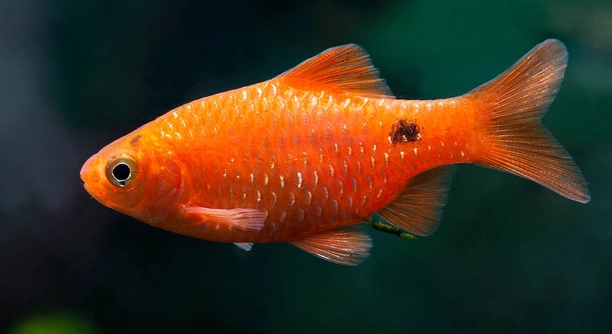
Rosy barbs are popular freshwater fish often kept in home aquariums for their lively colors and active behavior. Many fishkeepers enjoy watching these schooling fish interact and thrive in groups. Knowing how many to keep together helps create a healthy environment.
The ideal group size for rosy barbs is at least six individuals to promote natural schooling behavior and reduce stress. Keeping fewer than six can lead to aggression and loneliness, while larger groups support their social needs and overall well-being.
Understanding proper group sizes will improve your aquarium setup and the happiness of your rosy barbs. This information is important for both beginners and experienced fishkeepers alike.
Why Group Size Matters for Rosy Barbs
Rosy barbs are schooling fish, which means they naturally swim together in groups. When kept in adequate numbers, they show calmer and more natural behavior. Too few rosy barbs can become shy or aggressive because they feel insecure. In larger groups, they feel safer and interact more, which reduces stress. Stress in fish can cause health problems and shorten their lifespan. Additionally, keeping rosy barbs in groups helps distribute any aggressive behavior so that no single fish becomes a target. When planning your aquarium, consider that each rosy barb needs enough space to swim freely. Overcrowding can also cause stress, so balance group size with tank dimensions. A good tank size for six or more rosy barbs is at least 30 gallons, allowing them to move comfortably and express natural behaviors. Proper group size leads to healthier and more active fish.
Smaller groups tend to show more aggression and stress than larger, well-sized schools. This impacts their overall health and activity levels.
When setting up your tank, plan for a minimum of six rosy barbs in an adequately sized aquarium. This helps promote social behavior and a peaceful environment. Ensure there is enough swimming space and hiding spots to make them comfortable and happy.
Tank Conditions to Support Rosy Barbs
Rosy barbs thrive in clean, well-filtered water with moderate current. Keeping the water temperature between 64°F and 72°F helps maintain their health. They prefer slightly alkaline water with a pH of around 7.0 to 8.0. Regular water changes, about 25% weekly, keep the water quality high and reduce waste buildup. Providing plants and decorations creates hiding places and reduces stress by mimicking their natural habitat. Good lighting helps show off their colors but should not be too harsh. Avoid sudden changes in water conditions, as rosy barbs can be sensitive to rapid shifts. Consistent tank maintenance is key to keeping them healthy and active. Using a reliable water testing kit can help monitor parameters and avoid issues before they develop.
Clean water, stable temperature, and proper pH are essential for rosy barbs to stay healthy and active.
To create the best environment, maintain stable water conditions and regular cleaning. Adding plants and decorations makes the tank inviting and lowers stress for your rosy barbs.
Feeding Rosy Barbs
Rosy barbs eat a variety of foods, including flakes, pellets, and live or frozen treats like bloodworms. A balanced diet helps them stay healthy and colorful.
Feeding them once or twice a day is ideal, giving only what they can eat in a few minutes. Overfeeding leads to poor water quality and health problems. Including some plant matter in their diet can support their digestion and overall well-being. Variety keeps their diet interesting and nutritious.
It’s important to remove any leftover food after feeding to prevent waste buildup. Feeding small amounts frequently mimics their natural grazing behavior. Offering occasional live or frozen foods encourages natural hunting instincts and enriches their environment.
Compatibility with Other Fish
Rosy barbs generally get along well with other peaceful, similarly sized fish. Avoid keeping them with very small or slow-moving species, as rosy barbs can be active and sometimes nippy.
Choosing tank mates like danios, gouramis, or larger tetras works well. These fish share similar water requirements and activity levels, creating a balanced aquarium. Avoid aggressive or territorial fish that may cause stress or harm. Proper compatibility reduces fighting and helps maintain a calm tank environment, which benefits all the fish involved.
Signs of Stress in Rosy Barbs
Stressed rosy barbs may hide more than usual or swim erratically. Changes in color or appetite can also be warning signs.
If you notice these behaviors, check water quality and tank conditions immediately. Addressing stress early helps prevent illness and keeps your fish healthy.
Breeding Rosy Barbs
Rosy barbs breed easily in home aquariums when conditions are right. They prefer shallow, planted areas for laying eggs. Raising the temperature slightly to around 75°F and providing fine-leaved plants encourages spawning. After eggs are laid, adults should be moved to prevent eating the fry. Fry need very fine foods like infusoria or newly hatched brine shrimp. Frequent water changes keep the tank clean and increase survival rates.
Tank Size Recommendations
A minimum 30-gallon tank is recommended for a small group of rosy barbs. This size gives them enough space to swim and display natural behaviors comfortably.
FAQ
How many rosy barbs should be kept together?
The best number to keep is at least six rosy barbs. This amount allows them to show their natural schooling behavior and reduces stress. Smaller groups may lead to aggression or shyness, while larger groups help distribute social interactions. Make sure your tank is big enough to give them space to swim freely.
Can rosy barbs live alone?
Rosy barbs do not do well alone. They are social fish that rely on the presence of others to feel safe. Keeping one or two can cause them to become stressed or aggressive. A group of six or more is ideal to ensure they feel secure and behave naturally.
What size tank is needed for rosy barbs?
A 30-gallon tank is the minimum size recommended for a group of rosy barbs. This size provides enough swimming space for six or more fish. Larger tanks are better if you want to keep more barbs or include other fish species. Always avoid overcrowding to maintain good water quality and fish health.
What should I feed rosy barbs?
Rosy barbs eat a varied diet that includes flakes, pellets, and live or frozen foods like bloodworms or brine shrimp. Feeding once or twice a day with small portions is best. Remove any uneaten food to prevent water pollution. Adding plant matter occasionally supports their digestion.
Are rosy barbs aggressive?
Rosy barbs can show mild aggression, especially if kept in small groups. They may nip fins of slower or smaller fish. Keeping them in groups of six or more helps reduce this behavior by spreading out aggression. Avoid housing them with very small or slow-moving fish to prevent stress or injury.
What water conditions do rosy barbs need?
Rosy barbs prefer water temperatures between 64°F and 72°F with a pH of 7.0 to 8.0. They need clean, well-filtered water with regular changes of about 25% weekly. Stable water conditions reduce stress and promote health. Avoid sudden temperature or pH shifts, as these can harm your fish.
How do I know if my rosy barbs are healthy?
Healthy rosy barbs are active, brightly colored, and swim together in groups. They eat well and show no signs of illness like spots, frayed fins, or labored breathing. If fish hide, lose color, or stop eating, it’s a sign something is wrong, and water quality or health checks are needed.
Can rosy barbs live with other fish?
Yes, rosy barbs can live with peaceful fish of similar size and activity, such as danios, tetras, or gouramis. Avoid keeping them with very small or slow fish to prevent fin nipping or stress. Proper compatibility ensures a calm and balanced aquarium environment.
How do I breed rosy barbs?
To breed rosy barbs, raise the tank temperature to about 75°F and provide fine-leaved plants for egg laying. After spawning, remove adults to protect the eggs and fry. Feed fry very small foods like infusoria or newly hatched brine shrimp. Clean water and frequent changes improve fry survival.
What causes rosy barbs to become stressed?
Stress in rosy barbs can come from poor water quality, overcrowding, aggressive tank mates, or sudden changes in tank conditions. Stress shows as hiding, loss of color, or erratic swimming. Maintaining clean water, proper group size, and stable conditions helps prevent stress and keeps your fish healthy.
Rosy barbs are lively and colorful fish that do best when kept in groups. They feel safer and behave naturally when there are at least six of them swimming together. Smaller groups can lead to stress and aggression, which affects their health. Keeping enough rosy barbs in a well-sized tank allows them to show their schooling behavior and enjoy their environment. This is important for both their happiness and long-term well-being. When planning an aquarium for rosy barbs, it’s best to think about group size first to make sure they have enough space and company.
The environment you provide for rosy barbs plays a big role in how healthy they stay. Clean water with a stable temperature and proper pH levels supports their natural needs. Regular water changes and good filtration are key to keeping the tank in good condition. Plants and decorations help reduce stress by giving rosy barbs places to hide and explore. Feeding them a balanced diet that includes flakes, pellets, and occasional live or frozen foods keeps them strong and colorful. Paying attention to these details helps prevent common problems like stress and disease, which are often caused by poor tank conditions or incorrect care.
In the end, rosy barbs require simple but consistent care. Providing the right group size, tank setup, water conditions, and diet will keep them healthy and active. These fish can bring energy and color to an aquarium, but they need a proper environment to thrive. By understanding their social needs and tank requirements, you can create a peaceful and enjoyable space for rosy barbs to live. This approach not only benefits the fish but also makes your aquarium a more pleasant and rewarding place to watch. Taking these points into account will help you successfully keep rosy barbs happy over time.

Hello,
If you enjoy the content that we create, please consider saying a "Thank You!" by leaving a tip.
Every little bit helps us continue crafting quality advice that supports the health, happiness, and well-being of pets around the world, for pets of all shapes, sizes, and species.
We really appreciate the kindness and support that you show us!